
 admin
admin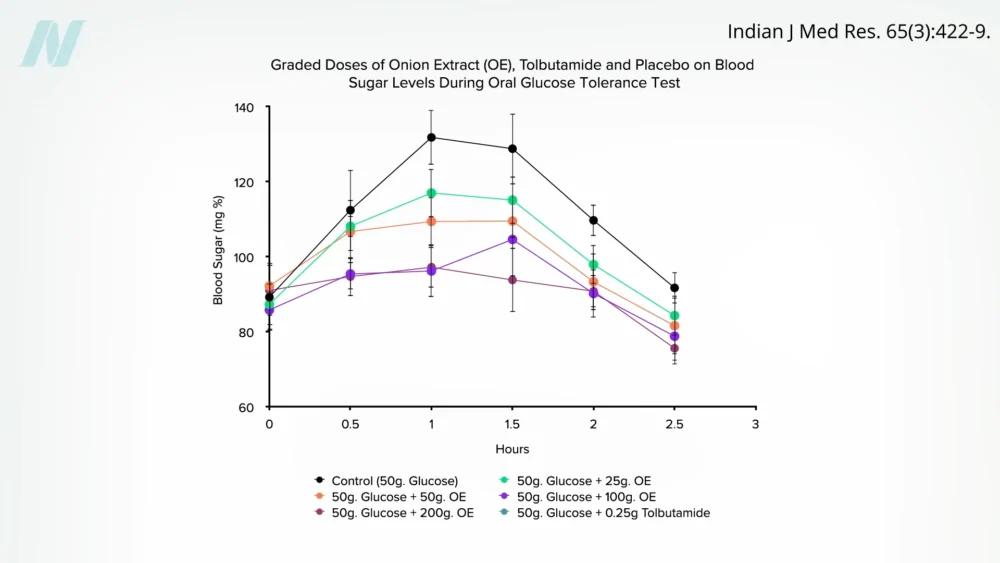
Recent research is shedding light on the complex relationship between dietary interventions, particularly the humble onion, and various health conditions, including weight management, cholesterol levels, and Polycystic Ovary Syndrome (PCOS). While popular belief often touts the benefits of natural remedies, scientific scrutiny reveals a more nuanced picture, highlighting the critical distinction between promising preliminary findings and robust, statistically significant evidence. This exploration delves into the available data surrounding onion consumption and its purported effects on body fat reduction, cholesterol regulation, and the metabolic challenges associated with PCOS, offering a comprehensive overview for the health-conscious consumer.
Onion Powder and Body Fat: A Closer Look at the Evidence
The idea that a small daily dose of onion powder could significantly impact body fat has captured attention, spurred by initial studies suggesting promising results. One notable study, titled "Effect of Steamed Onion (ONIRO) Consumption on Body Fat and Metabolic Profiles in Overweight Subjects," investigated the impact of a minuscule amount of onion powder – approximately an eighth of a teaspoon (300 mg) per day – on overweight individuals. Researchers employed steamed onions, processed into powder to mitigate their characteristic pungency and odor, facilitating their use in a blinded placebo-controlled trial. The study’s abstract reported that advanced imaging techniques, including DEXA (Dual-energy X-ray absorptiometry) scans and CT (Computed Tomography) scans, indicated a significant reduction in body fat mass, as well as decreases in whole, visceral, and subcutaneous fat areas in the group consuming the onion powder.
However, a deeper analysis of the study’s methodology and findings reveals a more complex narrative than the initial abstract might suggest. While the abstract indicated significant reductions, a closer examination of the DEXA scan results showed no statistically significant change in fat mass for the placebo group. The group receiving the onion powder did experience a reduction in body fat, approximately 1.5 pounds (0.64 kg), which was a significant drop from their baseline measurements. Crucially, this reduction was not statistically significant when directly compared to the placebo group. This means the observed fat loss in the onion powder group could have been attributable to random chance rather than a direct effect of the onion powder. Similarly, the CT scan results, while showing a greater loss of overall fat and visceral fat in the onion powder group compared to placebo, did not achieve statistical significance. This highlights a common challenge in nutritional research: preliminary findings that appear striking in abstracts may not hold up under rigorous statistical comparison to control groups.
A subsequent study attempted to further investigate the effects of onion powder on body fat, this time utilizing a higher dosage of four teaspoons (9 g) of onion powder per day. This research also aimed to compare the efficacy of yellow versus white onions. While this study also reported no significant acceleration in the loss of visceral, total, or subcutaneous fat compared to placebo, an interesting caveat emerged: the placebo itself was also four teaspoons (9 g) of onion powder per day. This methodological choice complicates direct interpretation of the results. Nevertheless, the study indicated that both yellow and white onions might contribute to a loss of abdominal body fat, with no significant difference observed between the two types. Despite these findings, the evidence remains inconclusive. The low dosages used in the initial study and the ambiguous results from the follow-up investigation underscore the need for more definitive research. While consuming an eighth of a teaspoon of onion powder daily is unlikely to cause harm, the current body of evidence does not provide sufficient confidence to endorse it as a reliable strategy for weight loss.
Addressing Polycystic Ovary Syndrome (PCOS) with Dietary Strategies
Polycystic Ovary Syndrome (PCOS) is a prevalent endocrine disorder affecting an estimated 5% to 10% of women of reproductive age. Characterized by a range of symptoms including irregular menstrual cycles, PCOS is also closely linked to a pre-diabetic state, marked by decreased insulin sensitivity. The management of PCOS often presents challenges due to the potential side effects of conventional medications, prompting a growing interest in dietary interventions. This has led researchers to examine the potential role of specific foods, such as raw red onions, in mitigating some of the metabolic disturbances associated with PCOS.

The rationale for investigating onions in the context of PCOS stems from studies on onion extracts, which have demonstrated positive effects on blood sugar and insulin sensitivity in diabetic animal models. More importantly, human studies have shown that onion extracts can reduce blood sugar levels in individuals with diabetes. Given that women with PCOS are often in a pre-diabetic state, the potential for onions to influence their metabolic health has become a focus of research.
To explore this connection, researchers have examined studies on the metabolic effects of onions. One study, "Metabolic Effects of Onion and Green Beans," investigated the impact of daily onion consumption on individuals with diabetes. Participants consumed either a small onion (60 g) daily or a similar diet supplemented with a substantial amount of green beans (600 g). Both interventions showed positive results, with the onion group experiencing approximately a 10% reduction in blood sugar levels compared to a control diet, while the green bean group saw a roughly 15% reduction.
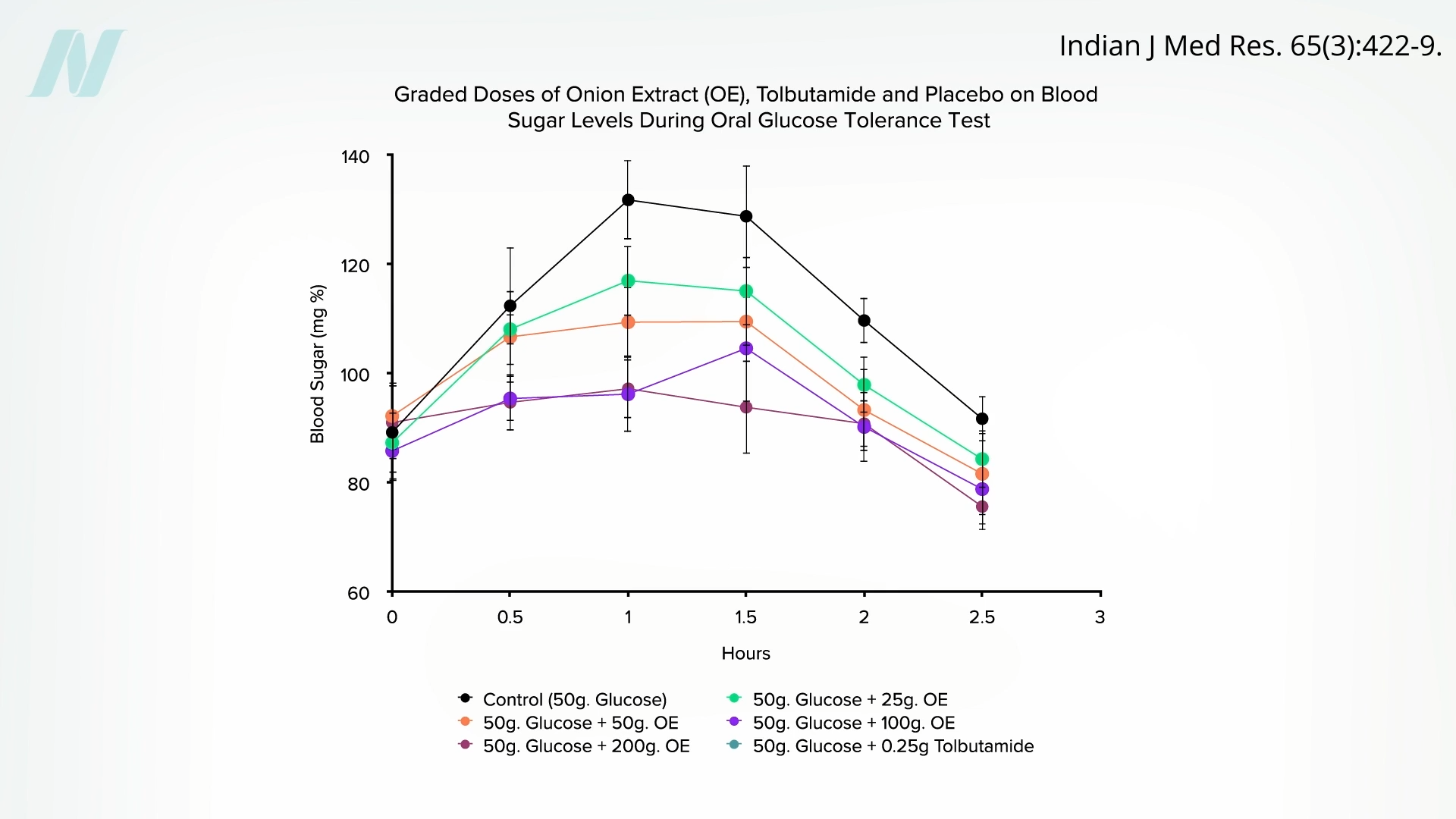
Further research has delved into the impact of onions on blood sugar regulation in individuals without diabetes. While it’s true that onions do not appear to lower already normal blood sugar levels – a desirable outcome, indicating they don’t disrupt healthy glucose homeostasis – their effect on blood sugar spikes warrants attention. One study examined the impact of consuming corn syrup, a common source of sugar, on blood sugar levels. When individuals consumed approximately 50 grams of corn syrup, their blood sugar levels surged significantly over two hours before the body could regulate them. However, when the same amount of sugar was consumed alongside increasing amounts of onion extract, the resulting blood sugar spike was notably dampened. This blunting effect was comparable to that observed when an antidiabetic drug was administered, suggesting a potent influence on glucose metabolism.
This blunting effect on blood sugar was further observed in a study involving adrenaline injections. When individuals received an adrenaline shot, their blood sugar levels increased. However, when the same adrenaline shot was administered along with onion extract, the subsequent blood sugar elevation was significantly reduced compared to those who received adrenaline without the onion extract. These findings, visually represented in accompanying data, suggest that onions possess compounds that can modulate the body’s response to glucose and other stimuli that elevate blood sugar.
Despite these promising observations regarding blood sugar modulation, the direct application to PCOS management has yielded less definitive results. A comprehensive review of available literature, including a Cochrane Library analysis, found no significant difference in blood sugar levels or other markers of insulin resistance between PCOS patients consuming high-onion versus low-onion diets. Furthermore, no differences were observed in inflammatory markers between these groups. This indicates that while onions may possess general blood sugar-regulating properties, their specific impact on the insulin resistance characteristic of PCOS requires further investigation.
Cholesterol Management and the Role of Raw Red Onion
Beyond metabolic concerns, women with PCOS are also at an elevated risk for high cholesterol. This increased risk is particularly concerning given that heart disease is the leading cause of death among women, and women with PCOS are over seven times more likely to experience a heart attack and develop heart disease. Consequently, dietary strategies that can help manage cholesterol levels are of significant interest to this demographic.
Emerging research suggests that consuming raw red onion may play a role in lowering cholesterol. One study indicated that individuals who consumed more onions experienced a modest reduction in LDL (low-density lipoprotein) cholesterol, approximately 5 mg/dL. However, this reduction was not statistically significant when compared to a control group that consumed fewer onions. This means that while there might be a trend towards lower LDL cholesterol with higher onion intake, the effect is not pronounced enough to be definitively attributed to the onions in the context of this study.
Historical research also offers insights into the interaction between onions and dietary fat. A study from five decades ago investigated the impact of high-fat consumption on cholesterol levels. When participants consumed a large amount of butter (100 g), their cholesterol levels rose by approximately 30 points within hours. However, when this same amount of butter was consumed alongside either raw or boiled onion (approximately 50 g), the cholesterol increase was significantly blunted, rising by only 9 points or 3 points, respectively. This historical data suggests that onions may possess properties that can mitigate the cholesterol-raising effects of dietary fat. The implication of this finding is twofold: while avoiding excessive intake of high-fat foods like butter is paramount for cardiovascular health, the inclusion of onions in the diet might offer a complementary strategy to help manage the lipid response to such foods.
Broader Implications and Future Directions
The scientific exploration into the health benefits of onions, particularly concerning weight loss, cholesterol, and PCOS, presents a compelling case for further research. While early findings on body fat reduction from minuscule doses of onion powder have not consistently met statistical significance in controlled trials, the continued investigation into higher dosages and different forms of onion consumption may yield more conclusive results. The potential for onions to influence blood sugar regulation, as evidenced by studies on diabetic individuals and their impact on blood sugar spikes, offers a promising avenue for managing the metabolic derangements associated with conditions like PCOS, even if direct evidence in PCOS patients is still developing.
The data surrounding raw red onions and cholesterol management, while not yet demonstrating statistically significant differences in controlled trials, hints at a potential beneficial role, especially in mitigating the impact of dietary fat. The historical study, though dated, provides a strong indication of onion’s capacity to modulate cholesterol response.
From a public health perspective, the consistent message is that a balanced diet rich in whole foods, including vegetables like onions, is fundamental for overall well-being. While the scientific community continues to unravel the specific mechanisms and efficacy of individual components, the foundational principle of a plant-rich diet remains a cornerstone of preventative health. Future research should focus on larger, longer-term randomized controlled trials to provide more definitive answers regarding the optimal forms, dosages, and specific health conditions that can benefit from onion consumption. The insights gained from these ongoing investigations will be crucial in guiding evidence-based dietary recommendations for a healthier population.
The information presented in this article is intended for informational purposes only and does not constitute medical advice. Always consult with a qualified healthcare professional before making any decisions about your health or treatment.






