admin
admin
The relentless deluge of global crises, amplified by the 24/7 news cycle and pervasive social media, is exacting a profound, often unseen, toll on mental health worldwide. This pervasive exposure to suffering, whether through images of devastation, accounts of violence, or reports of humanitarian catastrophes, can lead to a phenomenon known as vicarious trauma. Far from a personal failing, this psychological and physiological impact represents a natural, albeit debilitating, response to sustained empathic engagement with the pain of others.
The Invisible Burden: When Empathy Manifests as Physical Distress
The insidious nature of vicarious trauma is often first recognized through its physical manifestations. Individuals, particularly those with a strong sense of empathy or a professional background in supporting others, may experience symptoms that mimic serious medical conditions. A recent anecdotal account illustrates this: a seasoned professional, deeply committed to social justice and community healing, found herself in an emergency room three weeks prior, convinced she was experiencing a heart attack. The symptoms were classic: chest tightness, difficulty breathing, and pain radiating down her left shoulder. Despite her training in mindfulness and self-regulation, which she applied diligently, the distress persisted. Her husband’s firm insistence led to the ER visit. After five hours of comprehensive cardiac tests, the cardiologist delivered reassuring news: her heart was healthy. This left her, and many like her, grappling with a critical question: if the heart was sound, what message was her body desperately trying to convey?

This experience is not isolated. Healthcare providers, mental health professionals, journalists, activists, and indeed, any engaged global citizen, are increasingly presenting with stress-related physical ailments. These can range from chronic fatigue and sleep disturbances to digestive issues and, as in the illustrative case, acute chest pain or panic attacks, all stemming from the cumulative burden of witnessing systemic and widespread suffering. The body, unable to distinguish between directly experienced trauma and that which is absorbed through continuous exposure, reacts with a fight-or-flight response, leading to a state of chronic physiological arousal.
The Global Landscape of Suffering: A Persistent Trigger
The current geopolitical and social climate offers a fertile ground for vicarious trauma to flourish. The global consciousness is constantly bombarded with narratives and imagery of profound distress from multiple fronts:
- Ongoing Conflicts: The devastating images and reports emerging from conflicts like Gaza, coupled with the constant threat of attack faced by Israeli families, create a pervasive sense of anxiety and helplessness.
- Domestic Instability: Political violence, instances of excessive force by law enforcement, and other forms of social unrest within nations contribute to a feeling of insecurity and disillusionment.
- Rising Divides: The global surge in Islamophobia and antisemitism is fracturing communities, relationships, and the fabric of public life, leading to a sense of moral injury for those witnessing the erosion of shared humanity.
- Systemic Injustice: The countless deaths of Black, Indigenous, and other people of color, which often go unacknowledged by mainstream media, highlight deep-seated systemic injustices, leaving many with a profound sense of grief and outrage.
- Underreported Crises: Beyond the headlines, humanitarian crises in regions such as Sudan, Yemen, and Iran continue, where suffering persists largely outside the sustained gaze of global media, yet are still accessible to those who seek information, adding to the cumulative emotional load.
This relentless stream of information, often graphic and emotionally charged, means that for many, "witnessing" is no longer an occasional act but a constant state. Each day brings new stories, new images, new reasons for alarm or heartbreak. Even when individuals are not directly affected by these events, their nervous systems are constantly processing and internalizing this input. Mental health professionals emphasize that this continuous exposure, particularly through digital platforms, bypasses the natural processing mechanisms that might otherwise help individuals cope with distressing information.

Defining Vicarious Trauma: A Psychological Framework
Psychological research formally defines vicarious trauma as the psychological and physiological impact of sustained empathic engagement with others’ pain. Unlike burnout, which is characterized by exhaustion, or compassion fatigue, which is a gradual lessening of empathy, vicarious trauma involves a more profound alteration in an individual’s worldview and psychological functioning. Our brains, particularly the amygdala, the brain’s alarm system, and the prefrontal cortex, responsible for executive functions, struggle to differentiate between directly experienced and indirectly absorbed trauma. This leads to a persistent state of hyper-arousal and, over time, can reshape core beliefs about safety, trust, control, intimacy, and meaning.
Symptoms and Prevalence:
Research indicates that individuals experiencing vicarious trauma often report a range of cognitive, emotional, physical, and behavioral symptoms. These include:

- Emotional: Persistent feelings of tension, exhaustion, irritability, emotional numbness, or an inability to disengage from distressing news.
- Cognitive: Difficulty concentrating, intrusive thoughts, preoccupation with traumatic events, and a distorted sense of the world as a dangerous place.
- Physical: Headaches, gastrointestinal issues, sleep disturbances, increased heart rate, and, as seen in the anecdotal case, symptoms mimicking heart attacks or other severe medical conditions, leading to emergency room visits.
- Behavioral: Social withdrawal, increased use of coping mechanisms (healthy or unhealthy), and changes in daily routines.
While precise global statistics on vicarious trauma are challenging to gather due to its nuanced nature and varying diagnostic criteria, studies among professionals in high-exposure fields (e.g., social workers, first responders, journalists) consistently report high rates of these symptoms. For instance, a 2021 study published in the Journal of Traumatic Stress indicated that a significant percentage of mental health practitioners reported symptoms consistent with vicarious trauma. Broader surveys on general populations, particularly following periods of intense global news cycles, also show increased anxiety and stress related to media consumption. A 2023 report by the American Psychological Association highlighted that a substantial proportion of adults reported feeling overwhelmed by the news, with a noticeable impact on their mental well-being.
The Paradox of Engagement: Withdrawal as a Coping Mechanism
In response to the overwhelming stream of suffering, individuals often adopt coping strategies that, while seemingly protective, can inadvertently lead to further disconnection. One common response is withdrawal – disengaging from news, scrolling past distressing headlines, or consciously limiting exposure. This can manifest as:
- Information Avoidance: Turning off news alerts, unfollowing social media accounts, or actively avoiding discussions about global events.
- Disconnection and Powerlessness: Many individuals turn away not due to a lack of care, but from a profound sense of powerlessness, believing that their individual actions can make no discernible difference in the face of global crises.
- Erosion of Agency: While setting boundaries and practicing self-care are crucial for mental health, when disengagement becomes the primary response to vicarious trauma, it can quietly erode an individual’s sense of agency and connection to the wider world. The illusion of complete disconnection in an interconnected world fosters a loss of contact with personal values and the meaningful ways one can contribute.
Broader Implications: Erosion of Collective Capacity and Social Cohesion
The impact of vicarious trauma extends far beyond individual well-being; it poses a significant threat to collective capacity, social cohesion, and the effectiveness of movements for positive change. When individuals are operating under chronic psychological stress:
- Fractured Movements: Social movements and advocacy groups can become internally fractured. The collective nervous system, dysregulated by ongoing trauma, can lead to allies turning on one another, nuance being perceived as betrayal, and strategic thinking giving way to moral reflex.
- Diminished Discernment: A loss of contact with discernment can lead to hyper-vigilance where everyone is perceived as a potential threat. The act of listening to differing perspectives can be misconstrued as moral failure. In such environments, intensity of emotion is often confused with impact, and urgency with wisdom, hindering effective, long-term strategizing.
- Loss of Relational Trust: The original article provides a poignant example of this breakdown: a public online attack on an individual for attempting to hold complexity rather than taking a single side in a contentious issue. The attacker, later apologizing, revealed their lashing out was a result of exhaustion and overwhelm – a direct consequence of vicarious trauma. Similarly, efforts to draft balanced community resolutions that acknowledge multifaceted concerns are often rejected, not due to factual disagreement, but because the collective emotional state renders "both-and" thinking impossible.
- Empowering Oppressive Systems: Perhaps most critically, oppressive systems do not need to actively silence dissent when exhaustion, reactivity, and internal division achieve the same objective. When individuals and groups are consumed by internal strife and burnout, their collective capacity to imagine and enact meaningful responses that reduce suffering is severely compromised.
Strategies for Resilience and Reconnection: Rebuilding Capacity
Addressing vicarious trauma requires a multi-faceted approach that emphasizes both individual and collective resilience. It is not about escaping reality but about restoring the capacity to engage skillfully and sustainably.
1. Rest and Restoration: The Foundation of Sustained Engagement
Mental health experts increasingly advocate for conscious, intentional rest not as an indulgence but as a strategic imperative. This includes:
- Intentional Breaks: Actively disengaging from news and social media for defined periods.
- Communal Gatherings: Engaging in simple, non-work-related social interactions like shared meals, board games, or casual conversations. These moments, often dismissed as trivial, are vital for restoring contact with human connection and the "aliveness that oppressive systems rely on extinguishing." The guilt often associated with moments of joy amidst suffering needs to be reframed; these are not acts of avoidance but acts of replenishment.
- Engaging with Life-Affirming Activities: Spending time in nature, enjoying music, art, or movement, and connecting with sources of beauty can remind individuals of their own vitality and the world’s inherent resilience, even in challenging times.
2. Cultivating Mindful Skills: Beyond Meditation
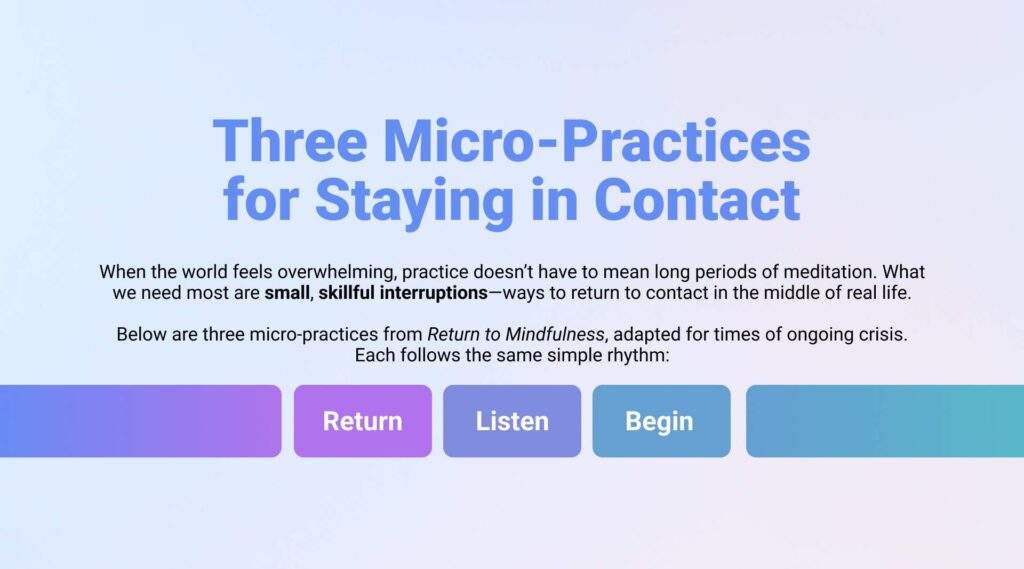
While meditation can calm the nervous system, it is often insufficient on its own to navigate the complexities of vicarious trauma. A more comprehensive approach views mindfulness as a set of trainable skills that help individuals stay connected to their inner wisdom and respond skillfully:
-
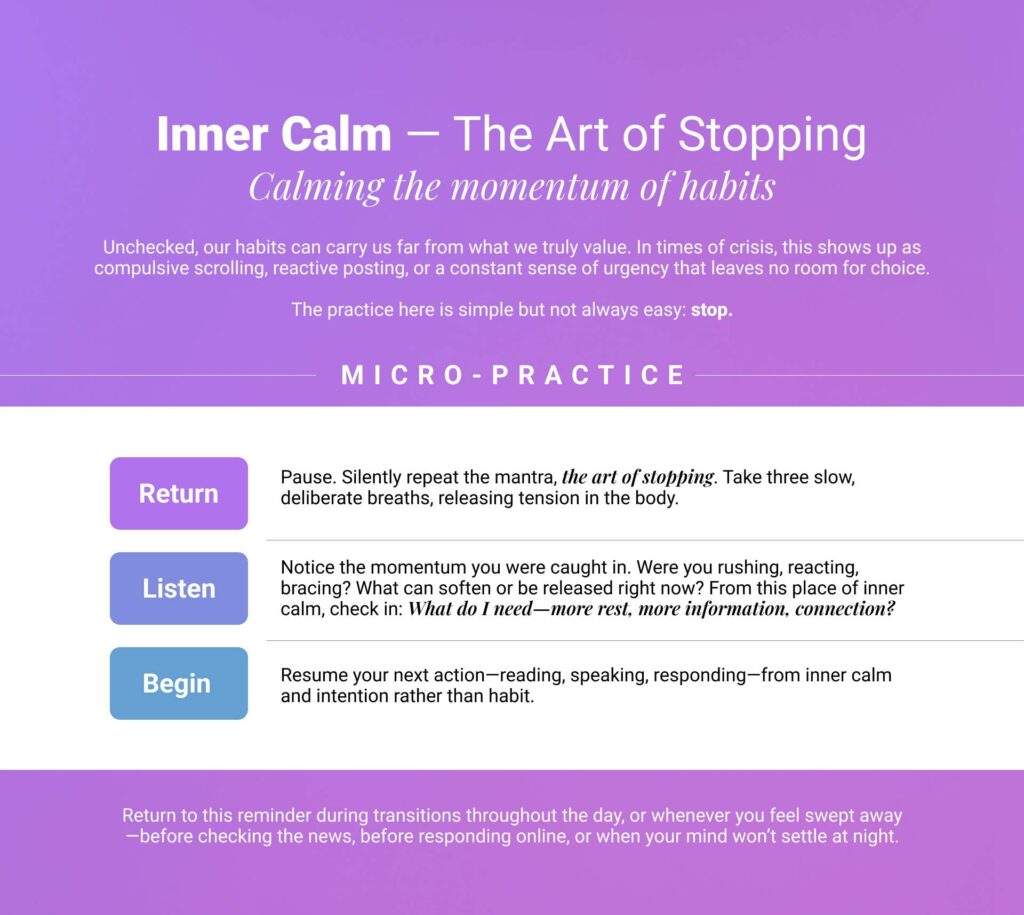
Inner Calm: Creating Space Without Disengaging
This skill involves the deliberate practice of pausing, observing one’s internal state, and releasing the grip of habitual reactions, hurried thoughts, and rigid expectations. It fosters physical composure and mental tranquility, creating the necessary space to hold difficult experiences without being overwhelmed. It is about maintaining inner equilibrium amidst external chaos, allowing for clearer discernment. -
Compassion: Seeking to Understand
Compassion is the innate human capacity to feel, understand, and be moved to alleviate suffering, both in oneself and in others. It disrupts the tendency towards automatic judgment and reactivity by encouraging a deeper inquiry into motivations and experiences. When compassion is lost, individuals tend to dehumanize those with differing views, attack allies for perceived imperfections, and neglect their own need for care. Cultivating compassion restores relational intelligence, enabling connection across differences and fostering empathy. -
Curiosity: Returning to Creative Capacity
Curiosity involves a genuine interest and openness to understanding challenging situations, even when they evoke discomfort. It actively counters confirmation bias by encouraging patience in the face of uncertainty and a willingness to explore new information. Curiosity widens the narrow lens that trauma often imposes, restoring contact with complexity and fostering creative problem-solving. It shifts the focus from being "right" to being "effective" in addressing suffering.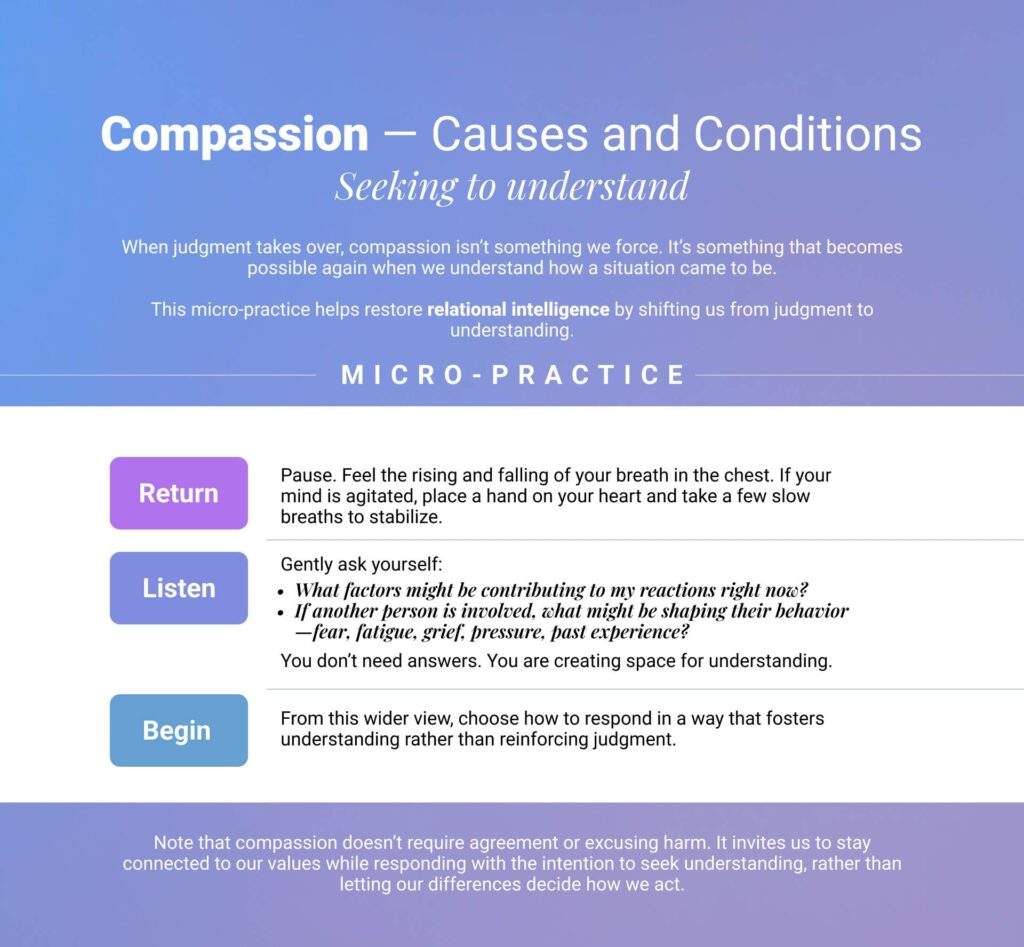
3. The Power of Poetic Expression
In times of profound collective stress, the nuanced language of poetry can serve as a vital anchor, articulating deeper needs and longings that prose might struggle to capture. Poetry offers a space for reflection and validation of complex emotions, helping individuals process their experiences of vicarious trauma. Michael Dubois’s poem, "When Things Feel Dark," eloquently captures this sentiment, reminding readers that the world needs a diverse array of contributors—healers, artists, parents, resters, warriors of peace, gardeners, meditators, educators, thinkers, builders of bridges—all of whom, by virtue of seeing the darkness, understand the imperative of turning on the light. It reinforces that there isn’t one singular "right" way to confront suffering, but rather a multitude of necessary and skillful responses, each stemming from unique gifts and capacities.
Fostering Collective Resilience: A Path Forward
Ultimately, navigating the challenges of vicarious trauma in a hyper-connected world requires a conscious commitment to returning to what is already alive within us and offering that wisdom skillfully. This involves recognizing the signs of overwhelm, actively seeking restoration, and cultivating the mindful skills of inner calm, compassion, and curiosity. By doing so, individuals can sustain their engagement without collapsing, maintain connection with others, and contribute meaningfully to reducing suffering. The stakes are high: it is not just individual well-being at risk, but our collective capacity to respond wisely, strategically, and with enduring humanity to the complex challenges of our time.