 admin
admin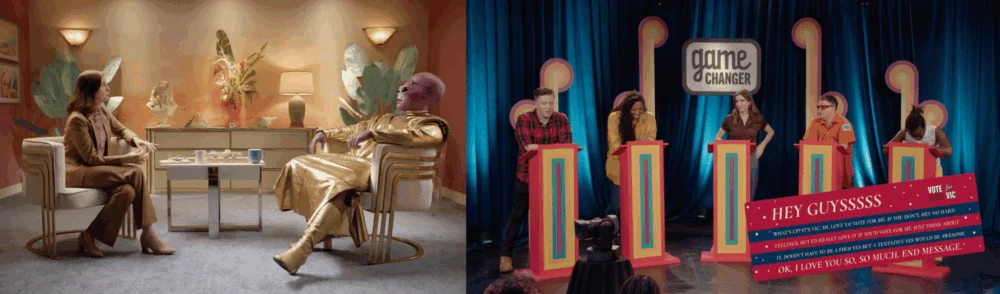
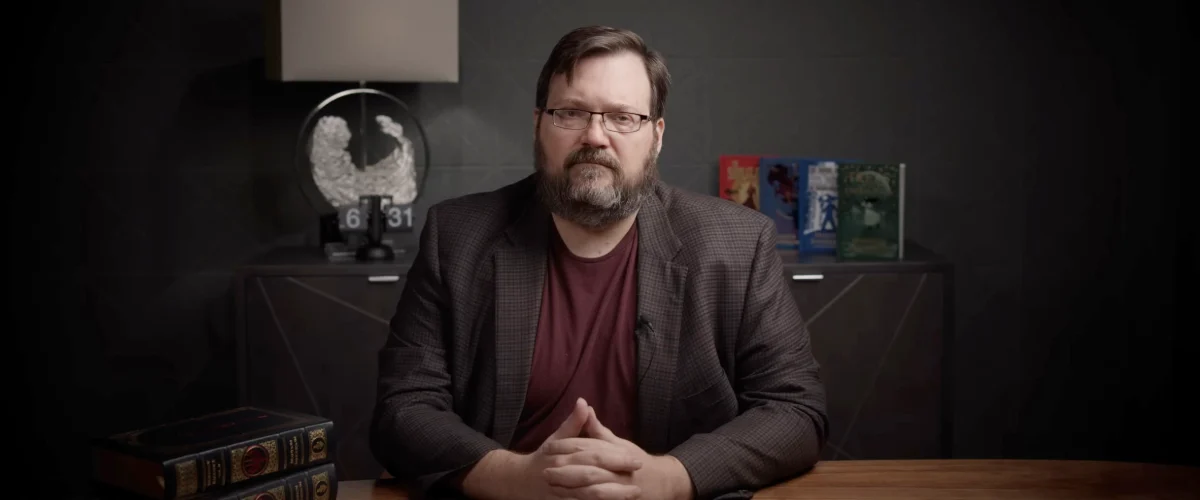
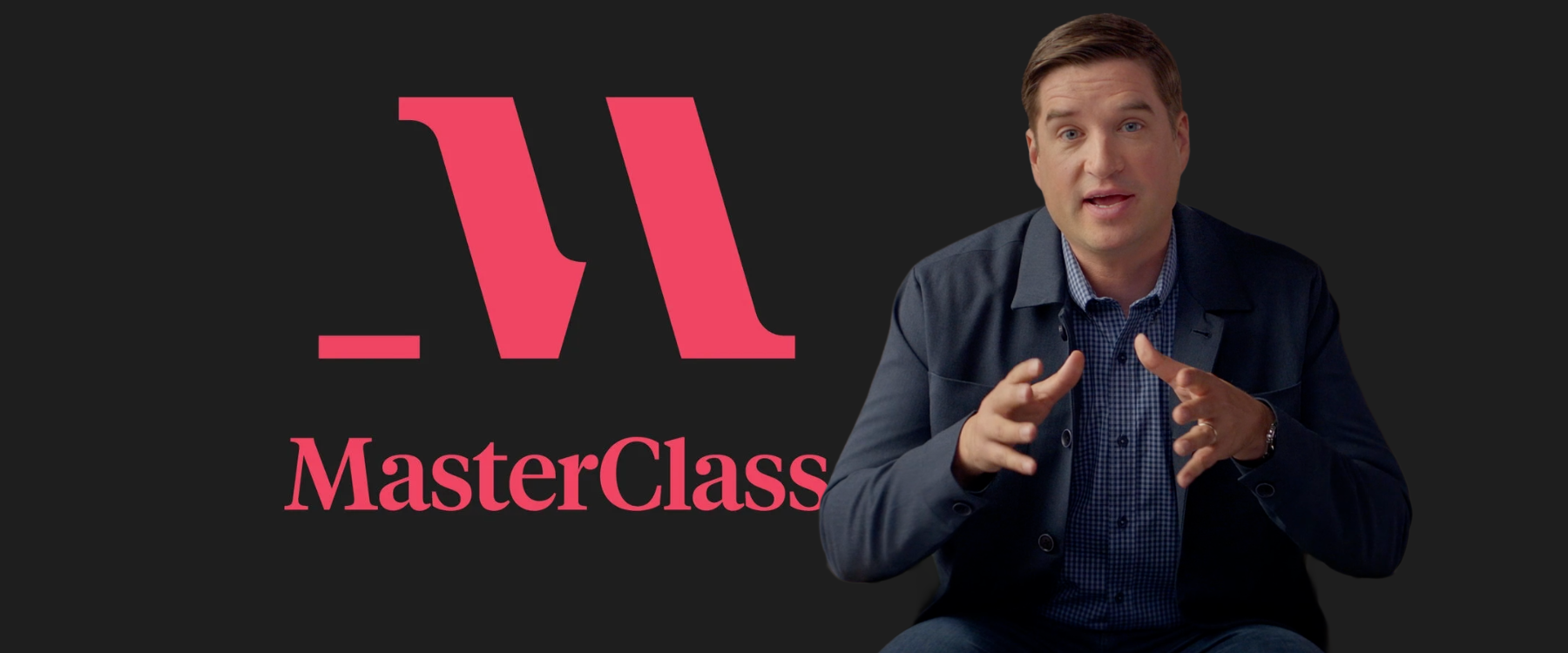
The digital media landscape has reached a pivotal inflection point as independent creators and niche platforms increasingly adopt high-end production standards formerly reserved for major television networks and motion picture studios. This shift is exemplified by the recent launch of a comprehensive instructional series by author and academic Cal Newport on the MasterClass platform. Titled Rebuild Your Focus & Reclaim Your Time, the course synthesizes principles from Newport’s influential bibliography, including his 2016 seminal work Deep Work and his 2024 release Slow Productivity. While the course serves as a practical guide for navigating the intersection of technology and cognitive performance, its production highlights a broader structural transformation in how visual media is produced, distributed, and monetized in the 2020s.
The release of Newport’s course underscores a diminishing "quality gap" between independent video content and legacy media. Historically, high-fidelity visual storytelling was the exclusive domain of entities with access to massive capital and specialized hardware. However, the democratization of cinema-grade technology and the migration of veteran film professionals into the creator economy have enabled smaller, targeted platforms to rival the aesthetic output of streaming giants like Netflix, Disney+, and HBO.
The Professionalization of Niche Educational Content
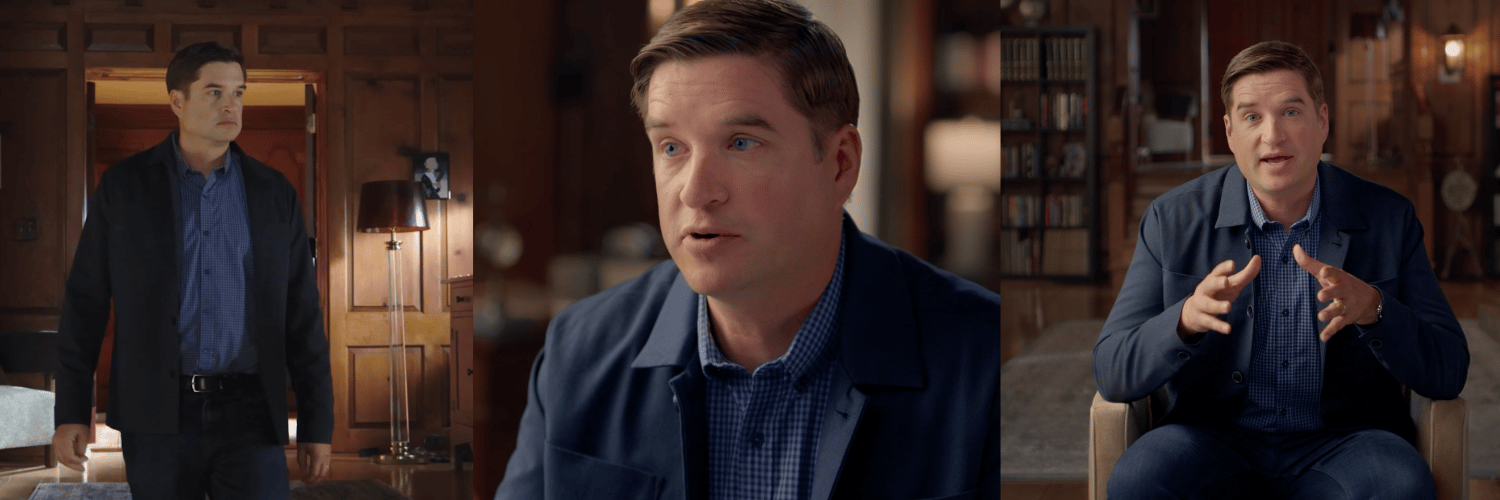
Cal Newport, a computer science professor at Georgetown University, has long advocated for a disciplined approach to cognitive labor. His latest venture with MasterClass represents a transition from text-based and audio-based dissemination to a highly stylized visual medium. The production of Rebuild Your Focus & Reclaim Your Time utilized technical crews comparable to those found on the sets of dramatic series or independent feature films. According to production details, the set was staffed by a full hierarchy of film professionals, including a director, cinematographer, gaffers, grips, production assistants, and specialized camera operators such as focus pullers.
This level of investment marks a significant departure from the standard "prosumer" model prevalent on platforms like YouTube. Even high-tier independent creators—including prominent figures such as Andrew Huberman, Mel Robbins, and Rich Roll—typically utilize three-camera setups with diffused lighting in a studio or home environment. While these setups offer high clarity and professional audio, they remain distinct from the "legacy" aesthetic of television and film. MasterClass, by contrast, employs cinematic lighting, high-dynamic-range (HDR) color grading, and sophisticated art direction to create a product that consumers perceive as premium, thereby justifying a subscription-based paywall.
A Chronology of the Quality Divide
To understand the emergence of the "micro-streamer," it is necessary to examine the evolution of digital video production over the last two decades.
- The User-Generated Era (2005–2012): Early digital video was characterized by low resolution and minimal production value. Platforms like YouTube were repositories for "vlogs" and amateur content. The distinction between "TV" and "Internet Video" was absolute.
- The Prosumer Shift (2013–2018): As DSLR and mirrorless cameras became capable of shooting high-quality video, creators began to invest in "prosumer" gear. This era saw the rise of the high-end YouTube studio, which mimicked news broadcasts or talk shows but lacked the cinematic depth of traditional film.
- The Pivot to Premium (2019–Present): A subset of the creator economy began to bypass traditional aggregators to build independent ecosystems. This era is defined by the hiring of union-standard crews and the use of ARRI or RED cinema cameras for content that is not intended for theatrical release or broadcast television.
This chronology suggests that the technical barriers to entry for high-end production have largely collapsed. The remaining barrier is not the availability of equipment, but the organizational capacity to manage professional film crews and the financial model to sustain them.
The Economics of the Micro-Streamer
The term "micro-streamer" refers to niche subscription services that combine legacy-quality programming with a focused, dedicated audience. Unlike "macro-streamers" like Netflix, which attempt to provide content for every demographic, micro-streamers thrive on depth rather than breadth.
A primary case study in this model is Dropout TV. Originally launched as CollegeHumor, a comedy website that gained fame in the early 2000s, the entity faced an existential crisis during the mid-2010s "pivot to video" era. When the ad-supported model on third-party platforms proved volatile due to algorithmic changes and fluctuating advertiser demands, the company transitioned to a direct-to-consumer subscription model.
Dropout TV currently charges approximately $6.99 per month for access to unscripted comedy and gaming content. Despite its origins as an internet-first brand, its production values are now indistinguishable from major network reality programs such as Nailed It! or Is It Cake?. As of late 2024, Dropout reportedly boasts over one million subscribers. This success demonstrates that consumers are willing to pay for independent content if it meets a specific threshold of production quality and provides a curated experience free from the clutter of mass-market platforms.
Supporting Data: The Creator Economy and Production Costs
The shift toward micro-streaming is supported by broader economic trends in the media industry. According to a report by Goldman Sachs, the creator economy is estimated to be worth $250 billion in 2024 and could grow to $480 billion by 2027. A significant portion of this growth is attributed to "professional creators" who reinvest their earnings into production value to differentiate themselves in a saturated market.
Furthermore, the cost of high-end production equipment has seen a relative decline. A cinema camera capable of 4K or 6K resolution, which would have cost over $100,000 twenty years ago, can now be leased or purchased for a fraction of that price. However, the "human capital" cost remains high. The employment of professional gaffers, focus pullers, and cinematographers—as seen in the MasterClass production—represents a strategic choice to trade higher upfront costs for a "prestige" brand identity.
Analysis of Market Implications
The rise of the micro-streamer has several long-term implications for the media industry:
1. The Fragmentation of Subscription Services
As more creators move toward the micro-streamer model, consumers may experience "subscription fatigue." However, data suggests that while users are canceling broad-interest streamers, they are maintaining subscriptions to niche services that align closely with their specific interests, such as education (MasterClass), comedy (Dropout), or science and technology (Nebula).
2. The YouTube "Funnel" Effect
YouTube is increasingly serving as a marketing funnel rather than a final destination for premium creators. High-value personalities use the platform to reach a mass audience via lower-production-value content (vlogs, podcasts, clips) while reserving their high-production, cinematic work for private platforms. This creates a tiered media hierarchy: free/ad-supported (low-to-mid quality) and paid/subscription (legacy quality).
3. Professional Labor Migration
The traditional Hollywood "gatekeeper" system is being bypassed. Professionals who previously worked exclusively on film sets are finding consistent employment in the creator economy. Newport noted that his make-up artist for the MasterClass series had recently worked on the high-budget feature film Sinners, indicating a fluid movement of talent between traditional cinema and independent digital platforms.
Official Responses and Industry Sentiment
Industry analysts suggest that the success of micro-streamers is a response to the "commoditization" of content on larger platforms. "When everything is available everywhere, nothing feels special," noted one media consultant. "Platforms like MasterClass or Dropout succeed because they provide an aesthetic and intellectual consistency that Netflix cannot match across its entire library."
While legacy studios have not officially commented on the rise of micro-streamers, their actions suggest a recognition of the threat. Many major streamers have begun to cut production budgets and focus on "tentpole" franchises, leaving a vacuum in the mid-budget, high-quality niche space—a vacuum that independent creators are now filling.
Conclusion: Toward a Specialized Media Future
The launch of Cal Newport’s Rebuild Your Focus & Reclaim Your Time is more than a product release; it is a signal of a maturing digital ecosystem. As the technical and professional gap between independent creators and legacy studios continues to vanish, the definition of "television quality" will no longer be tied to the size of the network, but to the dedication of the creator and the loyalty of their audience.
The emergence of the micro-streamer suggests a future where the smart TV interface is populated not just by multi-billion dollar conglomerates, but by specialized apps catering to specific intellectual and aesthetic tastes. Whether it is a "Deep Life TV" app or a dedicated philosophy network, the infrastructure for a high-production, independent media landscape is now firmly in place. For the consumer, this means a wider array of premium content; for the creator, it means a path to independence that does not require the permission of a Hollywood executive.