admin
admin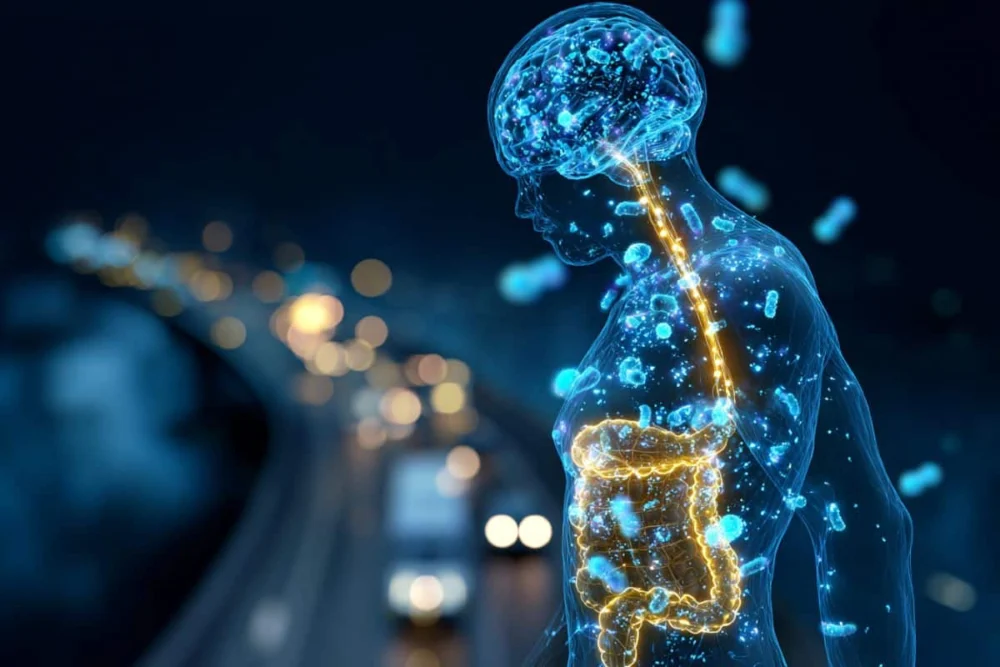
The groundbreaking discovery that healing a traumatic brain injury (TBI) may profoundly begin within the digestive system has sent ripples of anticipation through the medical community. A recent study, spearheaded by researchers at Houston Methodist and published in the esteemed journal Nature Communications Biology, unveils a novel approach: short-term antibiotic treatment can significantly diminish neuroinflammation and mitigate brain cell death following a TBI. This innovative strategy operates by adeptly remodeling the gut microbiome, flushing out detrimental bacterial species and fostering the proliferation of beneficial ones, notably Parasutterella excrementihominis and Lactobacillus johnsonii. These specific "helper" bacteria appear to be instrumental in regulating peripheral immunity, thereby preventing the gut-brain axis from transmitting erratic signals that would otherwise impede the brain’s intrinsic capacity for self-repair.
A Paradigm Shift in TBI Recovery Research
Traumatic brain injury remains a formidable global health challenge, affecting millions annually and often leading to devastating long-term consequences. In the United States alone, an estimated 1.7 to 3.8 million TBIs occur each year, contributing to significant morbidity, mortality, and an immense socioeconomic burden. These injuries, ranging from mild concussions to severe penetrating wounds, can result from falls, assaults, motor vehicle accidents, and combat-related incidents. According to the Centers for Disease Control and Prevention (CDC), TBI is a leading cause of death and disability worldwide, with long-term effects that can include cognitive impairments, emotional dysregulation, motor deficits, and an increased risk for neurodegenerative diseases. Despite decades of intensive research, current therapeutic interventions for TBI primarily focus on supportive care, managing intracranial pressure, and preventing secondary injury, with limited success in directly reversing brain damage or improving long-term cognitive and neurological outcomes. The revelation that modulating the gut microbiome could offer a new pathway to neuroprotection represents a significant departure from traditional treatment paradigms, suggesting that the brain’s recovery might be profoundly influenced by an unexpected ally: the vast ecosystem residing within our intestines.
Dr. Sonia Villapol, an associate professor in the Department of Neurosurgery at Houston Methodist and the lead researcher of this pivotal study, emphasized the core finding: "We found that antibiotic treatment following TBI can reduce harmful gut bacteria, decrease lesion size and limit cell death." This direct observation of reduced neurological damage in animal models after antibiotic intervention underscores the tangible impact of gut microbiome manipulation on brain health post-injury. Dr. Villapol further elucidated the underlying mechanism, stating, "Our results support a gut-brain mechanism in which microbiome changes influence peripheral immunity and, in turn, neuroinflammation after TBI." This statement highlights the intricate, bidirectional communication pathway between the gut and the brain, known as the gut-brain axis, as the critical mediator in this healing process.
The Intricate Dance of the Gut-Brain Axis
The concept of the gut-brain axis is not entirely new, but its profound implications for neurological disorders, particularly TBI, are only now beginning to be fully appreciated. This complex communication network involves direct and indirect pathways, including the vagus nerve (a primary neural conduit), endocrine signaling (hormones like cortisol and neurotransmitters like serotonin, much of which is produced in the gut), immune pathways (cytokines and immune cells), and microbial metabolites (such as short-chain fatty acids). The gut, often referred to as the "second brain" due to its extensive enteric nervous system—a complex network of neurons embedded in the walls of the gastrointestinal tract—houses trillions of microorganisms—bacteria, fungi, viruses, and archaea—collectively known as the gut microbiome. This microbial community plays a crucial role in various physiological processes, from nutrient absorption and vitamin synthesis to immune system development and neurotransmitter production. Indeed, a remarkable 70% of the body’s immune system regulation is attributed to the gut microbiome, making it a powerful determinant of systemic health.
Following a traumatic brain injury, the brain experiences a cascade of events, including primary mechanical damage and subsequent secondary injuries characterized by inflammation, oxidative stress, and neuronal cell death. The initial injury can trigger a systemic inflammatory response, which, in turn, sends "stress signals" to the gut. This disruption can lead to an imbalance in the gut microbiome, a condition known as dysbiosis, where the population of beneficial bacteria dwindles, and harmful or opportunistic pathogens flourish. This shift can compromise the integrity of the intestinal barrier, leading to a "leaky gut" phenomenon where bacterial products and inflammatory mediators can escape into the bloodstream and potentially cross the blood-brain barrier, exacerbating neuroinflammation. Dr. Villapol explained this phenomenon: "Our brains are constantly sending signals to the rest of our bodies. Following a traumatic brain event, those signals can get scrambled and disrupt other organs, including our digestive system. If the gut stays out of balance, the brain may have a harder time healing." This highlights a vicious cycle where brain injury exacerbates gut dysbiosis, which then perpetuates neuroinflammation, impeding recovery.
The Antibiotic Intervention: A Targeted "Reset"
The Houston Methodist study’s ingenious approach involved administering a short course of antibiotics after TBI in animal models. This seemingly counterintuitive strategy—using antibiotics, often associated with broad-spectrum disruption of microbial communities—was designed to effectively "cleanse" the gut of harmful bacteria. By reducing the overall bacterial load and selectively eliminating detrimental species, the treatment created an ecological niche for beneficial bacteria to repopulate and thrive. The researchers specifically identified Parasutterella excrementihominis and Lactobacillus johnsonii as key players in this restorative process. These two species were found to flourish post-antibiotic treatment and were instrumental in driving cell repair and regulating peripheral inflammation throughout the body. Lactobacillus johnsonii, a well-known probiotic species, has been studied for its anti-inflammatory properties, while Parasutterella excrementihominis, though less commonly known, may play an equally critical role in modulating the gut environment and immune response.
The study’s detailed findings, as outlined in the Nature Communications Biology publication, revealed compelling evidence of this mechanism. Antibiotic-treated mice exhibited significantly smaller lesion volumes in the brain and a marked reduction in neuronal cell death compared to untreated counterparts. Furthermore, the treatment attenuated microglial and macrophage activation—key immune cells involved in neuroinflammation—and lowered the levels of pro-inflammatory cytokines, which are signaling molecules that exacerbate inflammation (e.g., IL-6, TNF-alpha). Decreased astrogliosis (the proliferation of astrocytes, a type of glial cell, in response to injury, often forming a glial scar that can inhibit axonal regrowth) and reduced peripheral immune cell infiltration into the brain were also observed, particularly after multiple injuries, indicating a comprehensive dampening of the inflammatory response within the central nervous system. These multifaceted improvements paint a clear picture of reduced secondary brain damage.
Intriguingly, the study also investigated the impact on the gut itself. Increasing injury severity was associated with morphological changes in the gut, such as villus shortening (reducing the surface area for absorption) and a loss of mucus-producing cells (compromising the protective gut barrier), indicating gut barrier dysfunction. Antibiotic treatment modified these injury-related changes, suggesting a restorative effect on gut integrity. However, the researchers also noted that circulating levels of short-chain fatty acids (SCFAs)—beneficial metabolites produced by gut bacteria that are generally considered neuroprotective and anti-inflammatory—and associated microbial metabolic functions were reduced by antibiotic exposure. This particular observation is critical, as SCFAs like butyrate are known to support gut barrier function and exert anti-inflammatory effects both locally and systemically. The fact that antibiotics still yielded positive neurological outcomes despite reduced SCFAs suggests that the neuroprotective mechanisms at play are complex and not solely reliant on SCFA production, potentially involving direct immune modulation by specific bacteria or other unidentified pathways, such as competitive exclusion of pathogens or production of other beneficial compounds. This complexity was further highlighted by experiments with germ-free mice, which showed increased lesion volumes and exacerbated gliosis following brain injury, underscoring the indispensable role of a healthy gut microbiome, even if its composition is transiently altered.
From Research to Reality: Precision Therapies on the Horizon
The implications of this research extend far beyond immediate TBI recovery. Recent studies increasingly indicate that TBI-induced gut microbiome imbalance may significantly contribute to the long-term development of severe neurodegenerative diseases such as Parkinson’s, Alzheimer’s, and various forms of dementia. Chronic neuroinflammation, often instigated and perpetuated by a dysregulated gut-brain axis post-TBI, can act as a "slow burn" over years or even decades, gradually predisposing individuals to these debilitating conditions. The connection between chronic inflammation and neurodegeneration is a rapidly expanding field of research, with growing evidence suggesting that persistent inflammatory states can lead to neuronal damage and accelerate the pathology of these diseases. Dr. Villapol’s lab is strategically focused on investigating and developing new neuroprotective treatments aimed at combating this inflammation. "If we can break neuroinflammation in the acute or chronic stage, we can reduce the risk of developing Alzheimer’s or dementia," she affirmed, articulating a vision for proactive intervention to prevent future neurological decline.
The immediate question for many patients and caregivers is whether general probiotics can serve a similar purpose after a concussion or TBI. The study’s findings provide a nuanced answer. While general probiotics are widely recognized for their potential to support gut health, this research specifically identified two "super-bacteria," P. excrementihominis and L. johnsonii, as critical to the observed therapeutic effects. This distinction points towards the future of "precision therapies," moving beyond broad-spectrum supplementation to highly targeted microbial interventions. The next ambitious phase of this research will center on bioengineering these specific bacterial species to further develop bespoke treatments for TBI patients. This approach promises to harness the therapeutic potential of these microbes in a controlled and optimized manner, delivering them precisely where and when they are needed, minimizing off-target effects.
However, the use of antibiotics, even for short durations, comes with its own set of considerations. Broad-spectrum antibiotics can lead to antibiotic resistance, a significant public health concern, and can disrupt the gut microbiome in ways that might have unforeseen long-term consequences, including increased susceptibility to other infections (e.g., Clostridium difficile) or metabolic disturbances. This underscores the need for careful clinical translation and the development of highly targeted strategies. The research team acknowledges these potential drawbacks, which were implicitly referenced in the original abstract by noting the reduction in SCFAs. The goal of bioengineering specific beneficial bacteria is to circumvent the broad-spectrum effects of antibiotics, offering a more refined and safer therapeutic avenue. Such precision approaches could involve fecal microbiota transplantation (FMT) or the administration of live biotherapeutic products (LBPs) containing only the identified beneficial strains.
A Collaborative Effort and Future Outlook
This pioneering work was the result of a collaborative effort by a dedicated team of researchers. Alongside Dr. Villapol, key contributors to the study included Hannah Flinn, Austin Marshall, Morgan Holcomb, Marissa Burke, Goknur Kara, Leonardo Cruz-Pineda, Sirena Soriano, and Todd J. Treangen. The research received vital financial backing from the Houston Methodist Research Institute and the National Institutes of Health (NIH), underscoring the significance and potential impact recognized by major funding bodies. Such multi-institutional and federally funded research is crucial for advancing complex scientific inquiries from basic discovery to potential clinical application.
The trajectory of this research points towards a future where TBI treatment is not solely confined to neurological intensive care units but extends to the careful management and modulation of the gut microbiome. If successful, these precision therapies could revolutionize TBI recovery, offering hope for reduced short-term neurological damage and, critically, mitigating the long-term risk of developing devastating neurodegenerative diseases. The journey from animal models to human clinical trials is often long and arduous, involving rigorous safety and efficacy testing, but the scientific foundation laid by the Houston Methodist team provides a compelling rationale for pursuing this innovative pathway. This interconnected understanding of the human body promises a holistic approach to healing that could redefine our understanding and treatment of traumatic brain injury, potentially leading to a new era of brain health management.
Key Facts:
- Novel Discovery: Short-term antibiotic treatment significantly reduces neuroinflammation and brain cell death after Traumatic Brain Injury (TBI) by remodeling the gut microbiome.
- Mechanism of Action: Antibiotics clear harmful bacteria, allowing specific beneficial species—Parasutterella excrementihominis and Lactobacillus johnsonii—to thrive. These "helper" bacteria regulate peripheral immunity, preventing harmful signals from the gut-brain axis that hinder brain repair.
- Research Origin: Conducted by Houston Methodist researchers, led by Dr. Sonia Villapol, and published in Nature Communications Biology.
- Animal Model Results: Treated mice exhibited significantly reduced lesion size, limited neuronal cell death, attenuated microglial and macrophage activation, lower pro-inflammatory cytokine levels, decreased astrogliosis, and reduced peripheral immune cell infiltration into the brain.
- Gut-Brain Axis Significance: TBI disrupts this crucial bidirectional communication, causing gut dysbiosis (imbalance) that exacerbates neuroinflammation. Approximately 70% of the body’s immune system is regulated by the gut microbiome.
- Long-Term Implications: TBI-induced gut imbalance and chronic neuroinflammation are increasingly linked to an elevated risk of developing neurodegenerative diseases such as Parkinson’s, Alzheimer’s, and various forms of dementia.
- Future Direction: The next phase of research involves bioengineering Parasutterella excrementihominis and Lactobacillus johnsonii to develop highly specific "precision therapies" for TBI patients, moving beyond general probiotics to targeted microbial interventions.
- Funding & Collaboration: This groundbreaking work was supported by grants from the Houston Methodist Research Institute and the National Institutes of Health (NIH), with key contributions from a multidisciplinary team of researchers.
- Potential Drawbacks: While promising, the study acknowledges potential drawbacks of antibiotic use, such as reduced beneficial short-chain fatty acids, underscoring the need for targeted interventions.