
 admin
admin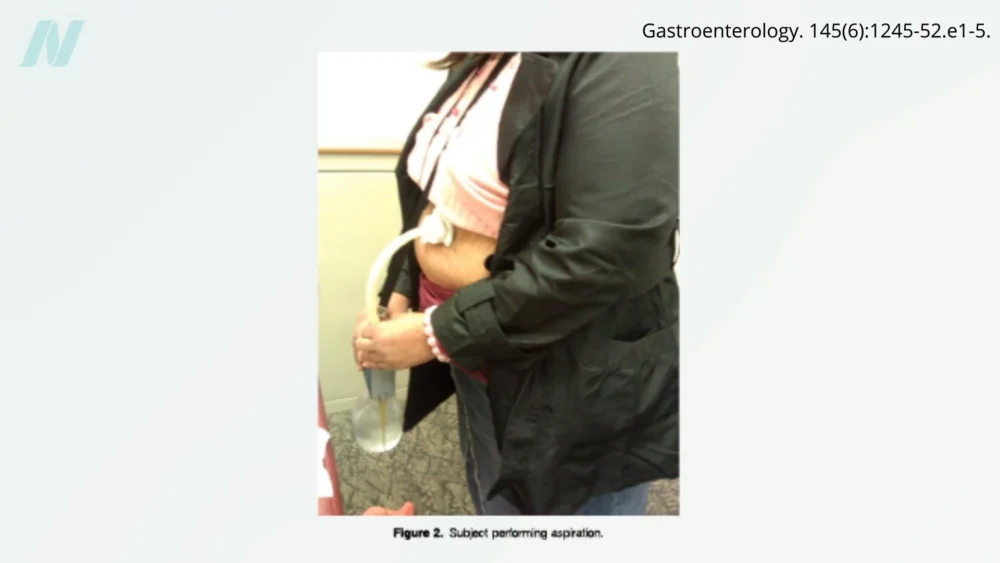
The pursuit of a slimmer physique has led to the development and exploration of a wide array of weight-loss strategies, some of which push the boundaries of conventional medicine and ethical considerations. This comprehensive examination delves into the safety and efficacy of various unconventional methods, ranging from the seemingly innocuous use of Botox and corsets to more invasive and potentially dangerous interventions like gastric siphoning and the historical, albeit unproven, use of tapeworms.
The Calorie Conundrum: Understanding Energy Balance
At the core of weight management lies the principle of energy balance: calories consumed versus calories expended. For an individual of moderate obesity engaging in moderately intense physical activity, such as biking or brisk walking, an hour of exercise might burn approximately 350 calories. However, the modern food landscape presents a significant challenge. Many beverages, snacks, and processed foods contain a high caloric density, with some delivering around 70 calories per minute. This stark contrast means that a mere five minutes of consuming such items can effectively negate an entire hour of physical exertion. This imbalance highlights the pervasive nature of calorie-dense, nutrient-poor foods and the uphill battle many face in achieving sustainable weight loss through diet and exercise alone.
The AspireAssist Siphon: A Mechanized Approach to Calorie Removal
One of the more technologically driven and controversial methods to emerge in recent years is the AspireAssist siphon assembly. This device involves a surgically implanted percutaneous gastrostomy, a procedure where a hole is created in the stomach, and a fistula is tunneled through the abdominal wall. Post-meal, individuals can attach a suction device to this port to mechanically drain a significant portion of their stomach contents.
Procedure and Mechanism of Action
The AspireAssist procedure, while not altering the fundamental anatomy of the gastrointestinal tract, introduces a novel mechanism for calorie expulsion. Following a meal, users can connect a tube to the gastrostomy port and aspirate the stomach contents. This effectively bypasses the normal digestive and absorptive processes for a portion of the ingested food. Proponents suggest that this method allows individuals to consume food without the subsequent caloric absorption, creating a deficit that leads to weight loss.
Potential Benefits and Drawbacks
Clinical studies have indicated that patients using the AspireAssist device do experience weight loss. Several factors may contribute to this outcome beyond direct caloric removal. The presence of the fistula may influence the stomach’s ability to relax normally during a meal, potentially leading to a feeling of fullness sooner. Furthermore, the protocol associated with the device often necessitates increased water intake and thorough chewing of food, both of which are recognized strategies for enhancing satiety and slowing eating rates. Anecdotal evidence also suggests that the visual and sensory experience of aspirating gastric contents, particularly after consuming unhealthy foods, can serve as a powerful deterrent, prompting patients to make healthier dietary choices.
However, the AspireAssist is not without its significant drawbacks and risks. Patients are required to supplement with potassium, as this essential nutrient is lost with the aspirated stomach juices, posing a risk of deficiency similar to that seen in bulimia. While serious adverse effects like abdominal abscesses are reported to be rare, minor wound complications at the stoma site are more common. The psychological implications of such a procedure, particularly the ability to consume food and then expel it, raise ethical and behavioral concerns. Critics have voiced apprehension about the "palatability" of such a method, questioning its long-term sustainability and the potential for disordered eating patterns.
The Duodenal-Jejunal Bypass Liner: An Intestinal Intervention
Another approach that aims to reduce calorie absorption without extensive surgical alteration of the gastrointestinal tract is the duodenal-jejunal bypass liner, such as the EndoBarrier. This method involves inserting a flexible plastic tube, approximately two feet in length, into the small intestine. The liner is designed to create a barrier between the ingested food and the intestinal wall, thereby preventing the absorption of calories in the duodenum and upper jejunum, areas critical for nutrient absorption.
Technical Challenges and Adverse Events
The primary challenge with the EndoBarrier lies in its anchoring mechanism. The device is secured in place using ten barbed hooks that affix it to the intestinal lining. This anchoring process has been associated with a high incidence of adverse events. In a study involving 1,056 patients, nearly 90% reported adverse effects, with lacerations being the most frequent complication. More severe outcomes, including penetrating trauma leading to esophageal perforation or liver abscesses, were reported in approximately 1 in 27 patients. These findings underscore the significant risks associated with the implantation and retention of such a device within the delicate intestinal environment.
Extreme Endoscopic Procedures: "Intestinal Resurfacing"
Beyond mechanical interventions, researchers and clinicians have explored more radical endoscopic procedures. One such concept, termed "intestinal resurfacing," involves the thermal ablation of the superficial duodenal mucosa. Essentially, this technique aims to remove the innermost lining of the duodenum using heat, with the stated goal of preventing nutrient absorption.
The Concept and Its Implications
The rationale behind intestinal resurfacing stems from the understanding that the duodenum is a primary site for the absorption of calories and nutrients. By ablating this lining, the intention is to disrupt the absorptive capacity of the intestine. However, the procedure’s description as "resurfacing" belies the aggressive nature of burning off a vital mucosal layer. The long-term consequences of such an intervention on digestive health, nutrient absorption, and the potential for the regeneration of a healthy mucosal lining remain subjects of considerable concern and require extensive further investigation. The inherent risks of thermal injury to the intestinal tract, including perforation and stricture formation, are significant.
Botulinum Toxin Injections into the Stomach: A Biochemical Approach
In a departure from mechanical or endoscopic interventions, scientists have investigated the use of botulinum toxin (Botox) injections into the stomach walls of individuals struggling with obesity. The underlying hypothesis was that partially paralyzing the gastric muscles could slow stomach emptying, thereby prolonging feelings of fullness and leading to reduced food intake and subsequent weight loss.
Limited Success and Unforeseen Consequences
While Botox has found applications in various medical fields for its muscle-relaxing properties, its efficacy in facilitating significant and sustainable weight loss has proven disappointing. Studies evaluating this approach have generally failed to demonstrate a clinically meaningful impact on weight reduction. The complex interplay of hormonal signals, gastric motility, and satiety mechanisms makes it challenging to achieve desired weight loss outcomes through localized muscle paralysis alone. Furthermore, the long-term effects and potential complications of repeatedly injecting Botox into the stomach wall are not fully understood and warrant careful consideration.
Corsets and Tapeworms: Historical and Unproven Remedies
The history of weight loss is replete with methods that, in retrospect, appear questionable or even dangerous. Two such examples are the prolonged use of corsets and the ingestion of tapeworm larvae.

Corsets: A Matter of Comfort and Compliance
In the early 21st century, researchers in Sweden conducted a study to assess the effectiveness of wearing corsets for extended periods as a weight-loss strategy. Participants were instructed to wear corsets for 12 to 16 hours daily over a nine-month period. The study’s findings were largely negative, with participants reporting discomfort and ultimately failing to adhere to the regimen. This outcome is unsurprising, as restrictive garments are unlikely to address the fundamental physiological and behavioral factors contributing to weight gain. The study underscores a critical point: effective weight loss interventions must be sustainable and integrated into an individual’s lifestyle without causing undue hardship.
Tapeworms: A Perilous Parasitic Approach
The notion of ingesting tapeworm larvae for weight loss gained traction in the early 20th century, with "sanitized tapeworm pills" being advertised as a remedy. The purported mechanism was that the parasite would reside in the intestines, consuming a portion of the ingested food and thereby reducing the host’s caloric intake. However, the practice is fraught with peril. The discovery of live tapeworms during bariatric surgery operations in individuals who had intentionally ingested them suggests that this method is not only ineffective but also poses significant health risks. Tapeworm infestations can lead to a range of serious complications, including malnutrition, intestinal obstruction, neurological issues, and organ damage. The practice is widely condemned by medical professionals due to its inherent dangers and lack of scientific validation.
Harnessing Disgust: A Psychological Intervention
In a more novel and psychologically oriented approach, researchers have explored the use of disgust as a tool to curb cravings for high-calorie foods. A study titled "Harnessing the Power of Disgust: A Randomized Trial to Reduce High-Calorie Food Appeal Through Implicit Priming" employed subliminal messaging to influence food preferences.
The Subliminal Priming Technique
The study involved presenting participants with brief visual stimuli. Before displaying images of healthy foods, positive images such as kittens were flashed for a mere 20 milliseconds, too quickly for conscious perception but intended to create a positive association. Conversely, before showing images of high-calorie foods like ice cream, negative and aversive scenes, including a cockroach on pizza, vomit, and a burn wound, were presented subliminally.
Promising Results and Future Directions
The findings suggested that this implicit priming technique was effective in reducing participants’ reported desire to consume high-calorie foods. While direct consumption was not measured, the results indicated that subliminal exposure to disgust-inducing imagery could potentially diminish the appeal of unhealthy food choices. The researchers concluded that such methods might offer a "successful tactic to combat the onslaught of food cues that promote unhealthy eating." This approach, while still in its early stages of exploration, represents a departure from physical interventions and focuses on altering the psychological response to food cues.
International Perspectives on American Weight-Loss Innovations
The array of weight-loss strategies developed and pursued in the United States has, at times, drawn bemused commentary from the international medical community. Publications in journals such as Obesity Surgery have featured titles like "What Are the Yanks Doing?" reflecting a perceived divergence in approaches to obesity management.
Electrical Stimulation: A Questionable Frontier
Historically, the U.S. has seen experimentation with various forms of electrical stimulation for weight loss. This has included implanting electrodes into the muscular layer of the stomach wall to modulate gastric function, a method that ultimately proved unsuccessful. Following this, electrical stimulation of the colon was also explored, with similarly limited positive outcomes.
Deep Brain Stimulation: The Ultimate Invasive Measure
More profoundly invasive were studies investigating the effects of repetitive electric brain stimulation on food intake. The concept of implanting electrodes directly into the brain to reduce appetite has been a subject of scientific curiosity, albeit one fraught with significant surgical risks. In some research endeavors, holes were drilled into the skulls of obese individuals, and wires were inserted into specific brain regions to elicit hunger responses. The researchers then applied electrical current to create electro-coagulatory lesions, intending to permanently alter appetite control centers. While animal studies in cats and monkeys showed some promise, direct brain stimulation in obese humans did not result in significant weight loss. This approach highlights the extreme lengths to which some research has gone in attempting to find a physiological "switch" for appetite control, underscoring the complexity of human eating behavior and the limitations of purely invasive interventions.
The Quest for Sustainable Weight Loss
The diverse and often extreme methods explored for weight loss underscore a fundamental challenge: achieving sustainable and healthy weight reduction is not a simple matter of surgical alteration or mechanical intervention. As illuminated by extensive research and the author’s own work, including the book How Not to Diet, the most effective strategies for long-term weight management are rooted in evidence-based principles of nutrition, behavior modification, and a holistic understanding of health.
Recommendations for Safe and Effective Weight Management
For individuals seeking to manage their weight, a focus on evidence-based approaches is paramount. This includes:
- Nutritionally Dense, Calorie-Controlled Diets: Prioritizing whole, unprocessed foods rich in fiber and nutrients while managing overall caloric intake is fundamental.
- Regular Physical Activity: Consistent engagement in moderate to vigorous exercise plays a crucial role in energy expenditure and overall health.
- Behavioral Strategies: Addressing psychological factors, eating habits, and lifestyle choices is essential for long-term success.
- Professional Guidance: Consulting with healthcare professionals, including doctors and registered dietitians, can provide personalized support and evidence-based recommendations.
The exploration of unconventional weight-loss methods, while sometimes yielding insights into human physiology, often reveals more about the desperation to find quick fixes than about sustainable health solutions. The emphasis must remain on approaches that are safe, effective, and promote overall well-being.
Doctor’s Note:
Further information on related topics can be found in the following resources:
- Is Gastric Balloon Surgery Safe and Effective for Weight Loss? (Video resource)
- Are Weight Loss Pills Safe? (Video resource)
- Are Weight Loss Pills Effective? (Video resource)
For a comprehensive exploration of sustainable weight loss strategies, readers are encouraged to consult How Not to Diet, a book dedicated to evidence-based approaches for long-term health and weight management. Proceeds from the author’s books are donated to charity. A trailer for How Not to Diet: Dr. Greger’s Guide to Weight Loss is also available for preview.






