
 admin
admin
The complex interplay between diet and male sexual health has long been a subject of scientific inquiry, with nuts emerging as a consistent area of interest. A recent review of medical literature highlights the ongoing research into the effects of various nuts – specifically walnuts, almonds, and hazelnuts – on erectile function, sperm count, and overall semen quality. While some studies indicate potential benefits, the nuances of dietary interventions and their clinical significance are proving to be intricate.
Early Promising Findings and Emerging Questions
The conversation surrounding nuts and male sexual function gained traction in 2013 with a study that demonstrated a significant improvement in erectile function among men with erectile dysfunction (ED) who consumed 100 grams of pistachios daily for three weeks. This finding, which suggested a tangible benefit from a whole-food intervention, spurred further investigation into other common nuts. The potential for dietary modifications to positively impact such a sensitive aspect of men’s health remains a compelling area of research.
However, the path of scientific discovery is rarely linear. Initial explorations into the effects of nuts on reproductive health have sometimes yielded unexpected, even alarming, tangents within the medical literature. For instance, while animal studies have explored the positive impact of hazelnuts on rat testicular function and semen quality, human case reports have documented extreme scenarios. One notable case involved a man who, for sexual pleasure, placed a metal hex nut on his penis and was subsequently unable to remove it. This incident necessitated a complex surgical intervention involving a diamond disk cutter to free the individual. Such occurrences, while illustrating the varied and sometimes perilous nature of human behavior, underscore the importance of distinguishing between beneficial dietary components and dangerous practices.
The Unforeseen Challenges of "Nut" Entrapment
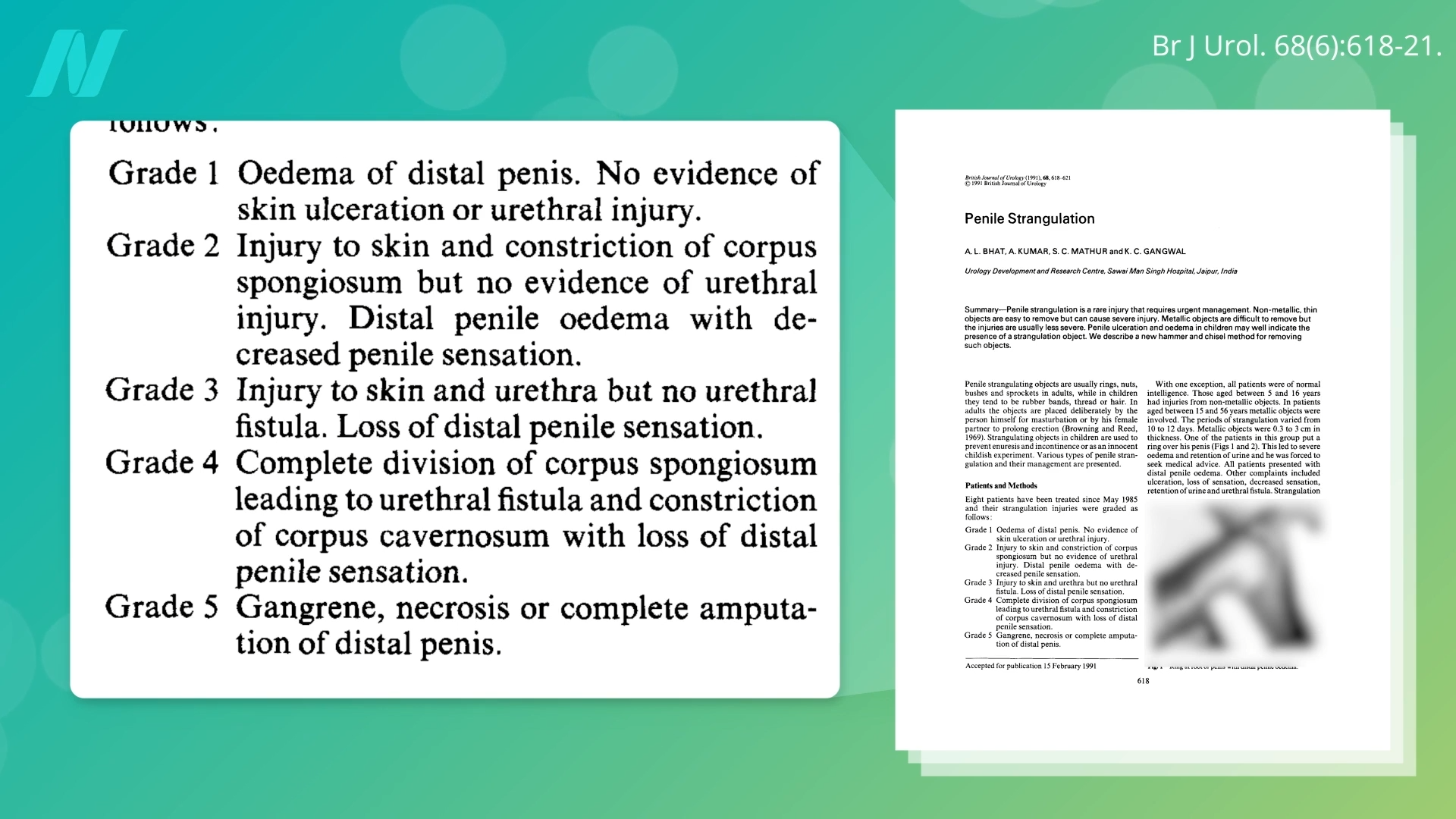
The phenomenon of penile entrapment by objects, including nuts, is evidently not as rare as one might initially assume. Medical literature has detailed the existence of grading systems used by emergency room physicians to classify and manage such cases. The procedures for removal can be drastic, sometimes involving drills, saws, or even hammers and chisels, particularly when standard methods fail. The descriptions of these interventions, including the use of dental drills to achieve "precisely cut edges" on stubborn nuts, highlight the severity and technical challenges associated with these unusual medical emergencies. These cases, while a stark reminder of the potential for harm when objects are misused, are distinct from the nutritional benefits being investigated.

Dietary Patterns and Erectile Dysfunction: Correlation vs. Causation
Observational studies have suggested a correlation between a healthy diet and improved male sexual health. For example, one study indicated that consuming at least one serving of vegetables daily and more than two servings of nuts weekly was associated with a more than 50% decrease in the probability of developing ED. However, such studies, by their nature, can only establish associations, not definitive cause-and-effect relationships. It is plausible that men who adhere to healthier dietary patterns also engage in other beneficial lifestyle choices, such as regular exercise, which could independently contribute to better sexual function and sperm quality. The challenge for researchers lies in isolating the specific impact of nuts from these confounding factors.
Intervention Studies: Delving Deeper into Nut Consumption
To address the limitations of observational research, interventional trials are crucial. A randomized controlled trial specifically investigated the "effect of nut consumption on semen quality and functionality." This study involved healthy men who were assigned to either a standard American diet or the same diet supplemented with a mixture of nuts. The nut group received approximately 30 grams of walnuts and 15 grams each of almonds and hazelnuts daily.
The results of this intervention were noteworthy. Participants in the nut-consuming group exhibited significant improvements in several key markers of sperm health, including total sperm count, vitality, motility, and morphology. A particularly significant finding was the observed reduction in sperm DNA fragmentation (SDF) in the nut group, suggesting that the consumed nuts played a protective role for sperm DNA integrity.
Examining Erectile and Sexual Function: A More Nuanced Picture
While the aforementioned study provided compelling evidence for the benefits of nut consumption on semen quality, its findings regarding erectile and sexual function were more complex. The researchers reported a "significant increase in orgasmic function and sexual desire" among men who consumed nuts. However, the impact on erectile function, intercourse satisfaction, and overall sexual satisfaction was not as clear-cut.
This selective reporting of positive outcomes has led to scrutiny, particularly given that the study received partial funding from the International Nut and Dried Fruit Council. While marginal increases in orgasmic function and sexual desire were noted, their clinical significance was questioned. Crucially, the study did not demonstrate a clear improvement in erectile function. This raises important considerations about the interpretation of study results, especially when industry funding is involved, and the need for statistically robust and clinically meaningful outcomes.
The Age Factor: Pistachios vs. Mixed Nuts
The difference in outcomes between the earlier pistachio study and the more recent mixed-nut trial may be attributable to the demographic characteristics of the participants. The 2013 pistachio study focused on men in their 40s and 50s who had a history of chronic ED, suggesting a baseline impairment that allowed for more pronounced improvements with dietary intervention. In contrast, the participants in the mixed-nut study were, on average, 24 years old. This younger demographic likely had optimal circulatory function to begin with, leaving less room for further enhancement by nut consumption. This highlights the importance of considering the baseline health status and age of participants when evaluating the efficacy of dietary interventions.
Implications for Public Health and Future Research
The ongoing research into the role of nuts in male sexual health underscores several key points. Firstly, the potential for certain nuts to positively influence sperm quality, particularly in protecting DNA integrity, is supported by interventional data. This has significant implications for male fertility and reproductive health.
Secondly, the impact on erectile function appears to be more variable and potentially dependent on the age and existing health status of the individual. While nuts may not be a panacea for ED, especially in younger, otherwise healthy men, their role in maintaining overall cardiovascular health, which is intrinsically linked to erectile function, cannot be discounted.
The tangent into extreme cases of penile entrapment, while illustrative of the broader context of "nuts" in medical literature, serves as a stark reminder to differentiate between the beneficial properties of edible nuts and the dangers associated with their misuse.
Future research should continue to focus on well-designed, placebo-controlled interventional trials with clearly defined primary endpoints, particularly concerning erectile function. Investigating the specific bioactive compounds within different nuts and their mechanisms of action on vascular and reproductive systems will be crucial. Furthermore, understanding the optimal dosages and combinations of nuts for specific health outcomes in diverse age groups and health conditions will refine dietary recommendations. The nuanced findings thus far suggest that while nuts can be a valuable component of a healthy diet for male reproductive health, their precise impact requires continued scientific exploration.






