
 admin
admin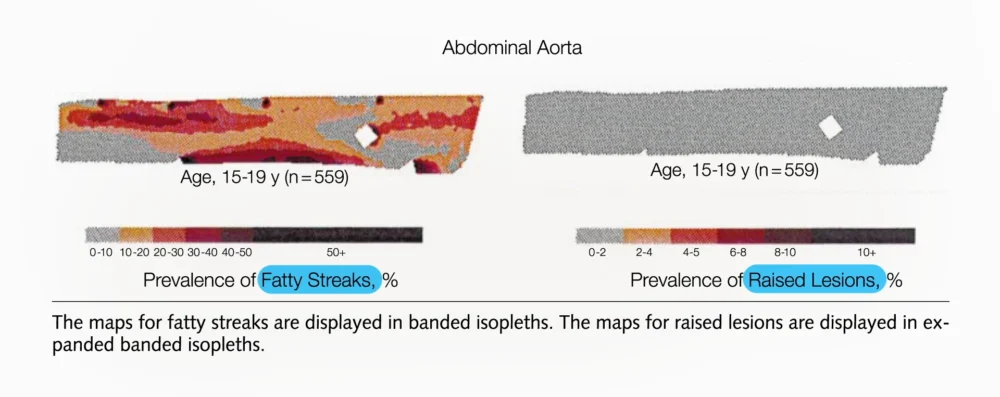
The alarming reality of cardiovascular disease is not a distant threat but a process that can begin insidiously in the teenage years, a crucial insight that underscores the profound impact of lifestyle choices on long-term heart health. While pharmaceutical interventions offer a measure of risk reduction, they pale in comparison to the potential of adopting a healthy lifestyle, which can mitigate up to 90% of heart attack risk, a stark contrast to the 20% to 30% reduction typically achieved with medications. This fundamental difference highlights a critical paradigm shift needed in how we approach cardiovascular prevention and management.
The Early Onset of Arterial Disease
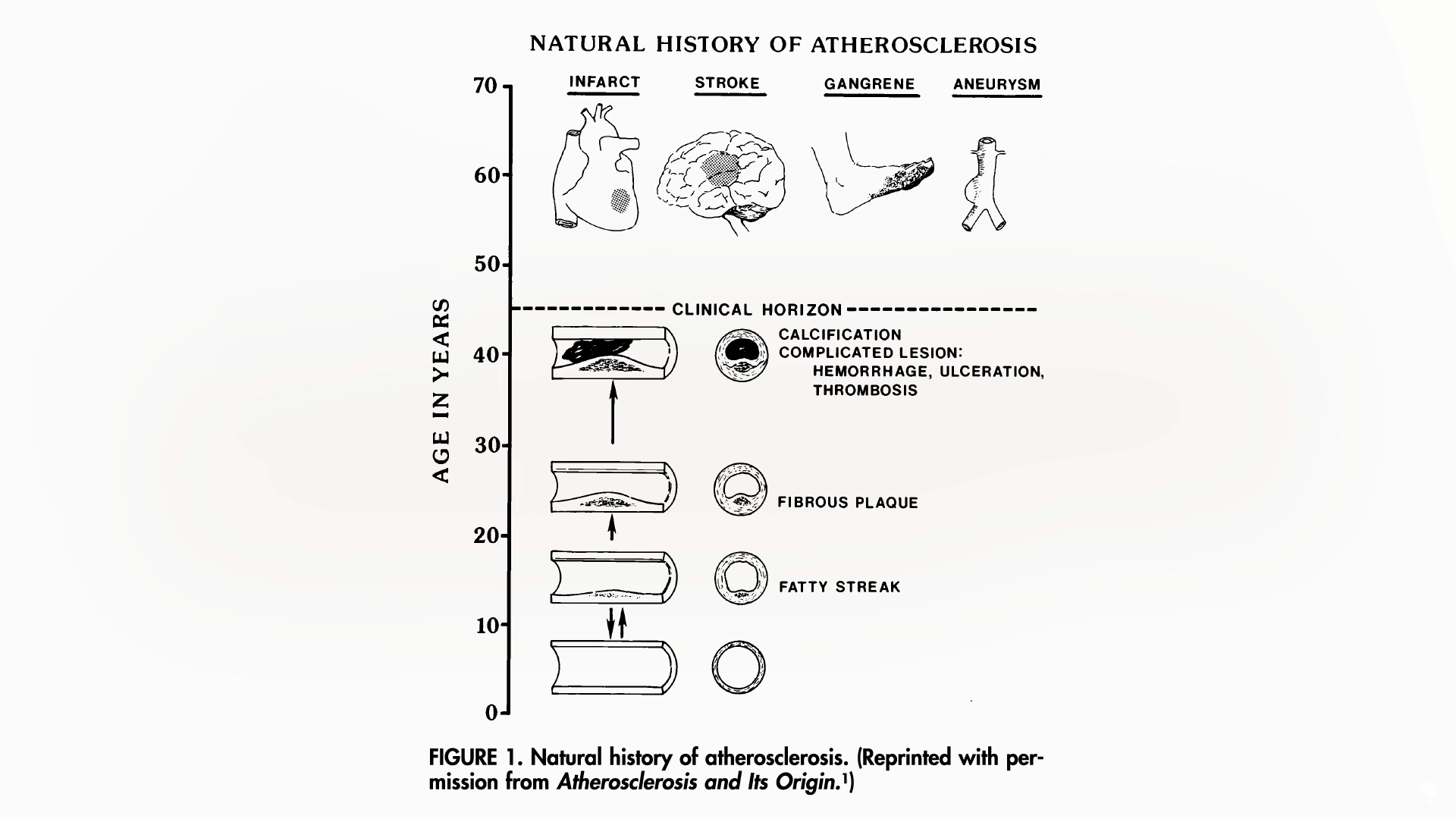
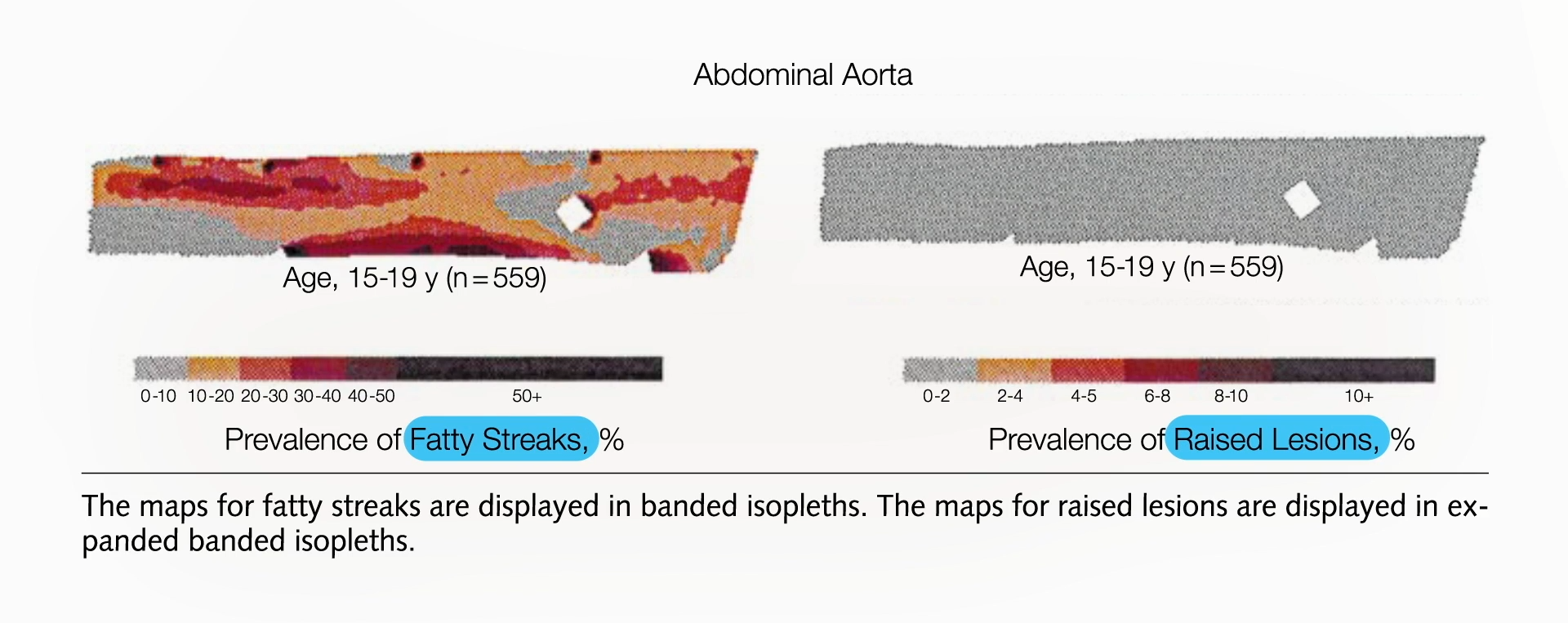
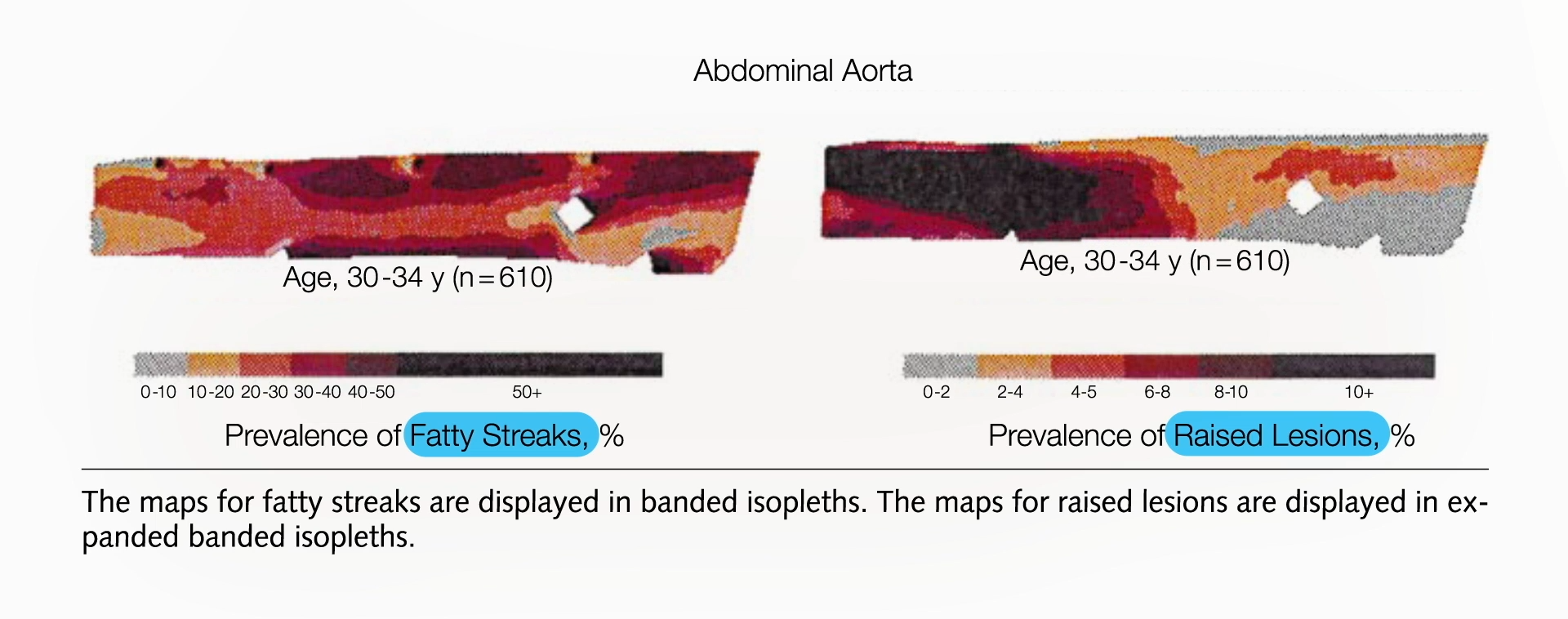
For decades, the prevailing understanding of heart disease often associated its development with later stages of life. However, groundbreaking research has revealed that the foundational processes of atherosclerosis, the hardening and narrowing of arteries due to plaque buildup, commence far earlier than previously assumed. Studies examining coronary arteries and aortas from young individuals, aged 15 to 34, who tragically died from accidents, homicides, or suicides, have provided stark evidence of this early onset. These investigations, meticulously collecting data from thousands of arterial samples, have demonstrated that fatty streaks, the earliest visible sign of atherosclerosis, can be present in adolescents. By their twenties, these streaks can evolve into more complex atherosclerotic plaques, which continue to progress and worsen throughout the thirties, significantly increasing the likelihood of life-threatening events such as heart attacks and strokes.

The progression of this disease is not merely theoretical; it is observable and quantifiable. Initial research indicated that 100% of the adolescent subjects studied exhibited fatty streaks within their arteries. This pervasive presence suggests that the typical Western diet, characterized by high levels of saturated fats, cholesterol, and processed foods, creates an environment conducive to arterial damage from a very young age. As individuals enter their early twenties, these fatty streaks begin to transform into more advanced atherosclerotic plaques, particularly in the abdominal aorta. By the late twenties, this plaque formation becomes more pronounced, and by the early thirties, arteries throughout the torso, including the vital coronary arteries that supply the heart muscle, often show significant signs of plaque buildup. This timeline paints a concerning picture of a generation facing an elevated risk of cardiovascular disease from their mid-adulthood onwards, necessitating a reevaluation of prevention strategies.
The Critical Role of Lifestyle in Risk Mitigation
The stark difference in risk reduction between lifestyle interventions and pharmaceutical treatments can be attributed to a fundamental principle: duration. While medications like statins can effectively lower LDL cholesterol levels, their impact is often limited by the relatively shorter period they are prescribed and the potential for patient adherence issues. In contrast, healthy lifestyle choices, when adopted early and maintained consistently, offer a lifelong benefit.
Consider the case of a rare genetic mutation in the PCSK9 gene, found in approximately 1 in 50 African Americans. This mutation confers a lifelong reduction in LDL cholesterol levels by about 40%. Studies have shown that individuals with this mutation experience a remarkable 88% lower risk of coronary heart disease compared to those without it, even when other significant cardiovascular risk factors like high blood pressure, obesity, smoking, and diabetes are present. This near-90% reduction in events, such as heart attacks and sudden cardiac death, occurred at an average LDL cholesterol level of 100 mg/dL. This is a critical data point, suggesting that a sustained, lifelong reduction in LDL cholesterol, even to a level of 100 mg/dL, can dramatically alter cardiovascular outcomes.
This observation provides a powerful explanation for why healthy lifestyle choices can be so effective. When individuals adopt a diet low in saturated fat and cholesterol – rich in fruits, vegetables, whole grains, and lean plant-based proteins – and engage in regular physical activity, they create an internal environment that continuously combats the progression of atherosclerosis. This sustained impact over decades, beginning in youth, allows for a profound and lasting reduction in cardiovascular risk. The body’s ability to manage and repair arterial damage is significantly enhanced over a lifetime of healthy habits, a feat that pharmaceutical interventions, typically initiated later in life, struggle to replicate.
The Long Road to Prevention: A Call for Early Intervention
The early onset of atherosclerosis challenges the conventional approach of waiting for symptoms to appear before initiating treatment. Just as one would not delay treatment for a cancerous tumor or the vision-threatening complications of diabetes, addressing the silent progression of arterial disease in youth is paramount. The implications of this research are far-reaching, advocating for a societal shift towards primordial prevention – interventions aimed at preventing the disease from ever developing.
This shift requires a comprehensive approach, integrating health education and promoting healthy eating habits from infancy and early childhood. The Academy of Nutrition and Dietetics, a leading professional organization, affirms that well-planned, plant-based diets are appropriate for all life stages, including pregnancy, underscoring the safety and efficacy of adopting such dietary patterns from the earliest years. This evidence-based stance counters potential hesitations about the practicality of "radical" lifestyle changes, emphasizing that consistent, healthy eating is not only achievable but essential for long-term well-being.
The experience with tobacco use serves as a powerful precedent. Society’s concerted efforts to reduce smoking rates and educate the public about its dangers have led to significant declines in lung cancer and other smoking-related illnesses. A similar commitment to promoting healthy lifestyles could yield comparable, if not greater, benefits for cardiovascular health.
Understanding the Nuances of LDL Cholesterol Management
The efficacy of lowering LDL cholesterol is intrinsically linked to the duration of that reduction. While statin medications can lower LDL cholesterol, their effectiveness in preventing cardiovascular events is often estimated at 20% to 30%. This is largely because these drugs are often prescribed later in life, when significant arterial damage may have already occurred. To achieve comparable risk reduction to that seen with lifelong genetic predisposition, individuals relying on medications may need to achieve much lower LDL levels, potentially below 70 mg/dL, to halt disease progression.
In cases where individuals have already experienced a heart attack, the goal of intervention becomes even more critical. To prevent recurrent events and stabilize existing plaques, extremely low LDL levels, potentially as low as 30 mg/dL, may be necessary. Achieving such low levels through medication alone can be challenging and may come with its own set of considerations. However, the benefit is substantial: not only does it prevent the formation of new plaques, but it also helps to stabilize existing ones, reducing their propensity to rupture and cause acute events like heart attacks.
The Long-Term Implications and Future Directions
The scientific evidence unequivocally points towards a proactive, lifelong approach to cardiovascular health. The concept that "curing atherosclerosis should be the next major cardiovascular prevention goal," as declared in the Journal of the American College of Cardiology, is not an aspirational statement but a call to action grounded in robust scientific understanding.
The implications of this research extend beyond individual health choices. Public health policies, dietary guidelines, and educational initiatives must be aligned to support the adoption of healthy lifestyles from childhood. This includes fostering environments that promote access to nutritious foods, encourage physical activity, and provide comprehensive education on the long-term consequences of dietary choices.
The contrast between the near 90% risk reduction achieved through lifelong low LDL cholesterol, as seen in individuals with the PCSK9 genetic mutation, and the 20-30% reduction offered by medications, underscores the unparalleled power of sustained healthy living. It suggests that the most effective strategy for preventing heart attacks and strokes is not solely about the magnitude of LDL reduction, but crucially, about the duration for which those beneficial levels are maintained. As research continues to explore the complexities of cholesterol metabolism and arterial health, the message remains clear: the foundation of a healthy heart is built not in a doctor’s office with a prescription, but in the daily choices made throughout a lifetime, starting from the earliest years. The ongoing exploration into whether cholesterol levels can be "too low" will further refine our understanding, but the current evidence strongly supports the primacy of a healthy lifestyle in achieving optimal cardiovascular outcomes.






