 admin
admin
A comprehensive review of scientific literature reveals a complex and sometimes confounding relationship between nut consumption and male sexual and reproductive health. While certain nuts, particularly pistachios, have shown promise in improving erectile function, studies on mixed nuts like walnuts, almonds, and hazelnuts present a more nuanced picture regarding sperm quality and sexual function. The research highlights the importance of specific nut types, dietary context, and participant demographics in determining potential health benefits.
Early Promise: Pistachios and Erectile Function
The investigation into nuts and male sexual health gained notable attention in 2013 with a study that demonstrated a significant improvement in erectile function among men with erectile dysfunction (ED) who incorporated 100 grams of pistachios into their daily diet for three weeks. This intervention, representing a whole-food approach to a common health concern, yielded clinically observable results. The study, published in International Journal of Impotence Research, involved a cohort of men aged 40-60 with a history of ED lasting at least one year. Their daily intake of pistachios, equivalent to roughly three generous handfuls, was associated with enhanced erectile rigidity and performance. This finding offered a beacon of hope for a dietary solution to ED, a condition affecting millions worldwide.
Expanding the Scope: Walnuts, Almonds, and Hazelnuts Under Scrutiny
Building upon the initial findings with pistachios, researchers have continued to explore the effects of other common nuts on male reproductive health. Studies have delved into the impact of walnuts, almonds, and hazelnuts, often consumed together as part of a mixed nut diet, on sperm count, semen quality, and overall sexual function. The motivation behind these investigations stems from the recognized nutritional profiles of these nuts, which are rich in antioxidants, healthy fats, vitamins, and minerals, all of which are crucial for various physiological processes, including those related to reproduction.
Animal Studies Hint at Potential, but Human Data Varies
Pre-clinical research, often conducted on laboratory animals, has provided some intriguing early indicators. For instance, studies involving hazelnuts have suggested positive effects on testicular function and semen quality in male rats. One such study, titled "Hazelnut Consumption Improves Testicular Antioxidant Function and Semen Quality in Young and Old Male Rats," published in Andrologia, explored the impact of hazelnut supplementation on oxidative stress markers and sperm parameters in both young and aged male rodents. These findings, while not directly translatable to humans, underscore the potential of certain nut components to support testicular health.
However, the transition from animal models to human clinical trials has yielded more varied outcomes, particularly when examining broader impacts on sexual function beyond specific metrics like sperm motility.
The Curious Case of Penile Entrapment: A Divergent Path in the Literature

The exploration of "nuts" in medical literature can, at times, lead down unexpected and even alarming paths. While the primary focus remains on dietary nuts for health benefits, a peculiar subset of case reports describes incidents of penile entrapment involving non-edible nuts, often metal hardware, used for sexual purposes. These reports, while graphically illustrating the potential for severe injury, are distinct from the health benefits associated with consuming nuts.
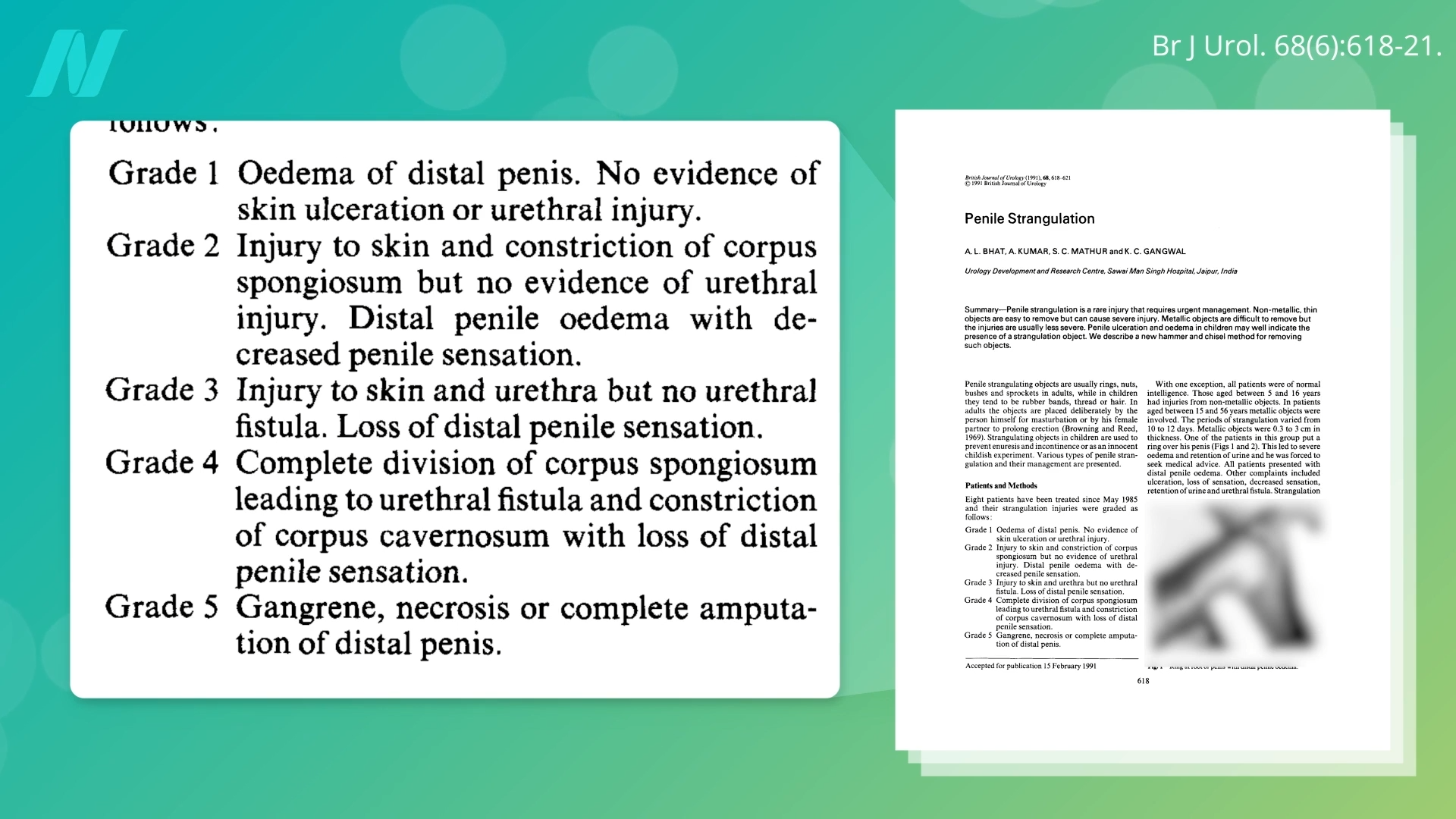
One such case, documented in the Journal of Plastic, Reconstructive & Aesthetic Surgery, detailed the arduous removal of a metal hex nut that had been placed on a penis for sexual pleasure and could not be removed. The procedure involved complex surgical techniques, including the use of a dental drill and a diamond disk cutter, highlighting the severity of such incidents. Medical professionals have even developed grading systems for penile entrapment, emphasizing its recognized occurrence in emergency medicine. The surgical interventions, including the use of drills and even hammers and chisels in extreme scenarios, underscore the critical need for prompt medical attention in such emergencies. These reports, while sensational, serve as a stark reminder that not all "nuts" are beneficial, and caution is always warranted.
Observational Studies Suggest a Link: Vegetables and Nuts for ED
Beyond direct intervention studies, observational research has also pointed towards potential dietary associations with improved sexual health. A cross-sectional study indicated that men consuming at least one serving of vegetables daily and more than two servings of nuts weekly experienced a greater than 50% reduction in the probability of developing erectile dysfunction. This finding suggests a correlation between a diet rich in plant-based foods and nuts and better ED outcomes.
However, the authors of such observational studies emphasize that correlation does not equal causation. It is plausible that individuals who adopt healthier dietary patterns, including increased nut consumption, may also engage in other beneficial lifestyle behaviors, such as regular exercise, adequate sleep, and stress management, all of which can positively impact sexual function. Therefore, while these observations are encouraging, they necessitate controlled interventional trials to establish a definitive cause-and-effect relationship.
Interventional Trial: Mixed Nuts and Sperm Quality
A pivotal randomized controlled trial addressed the need for interventional data by directly studying the "effect of nut consumption on semen quality and functionality." This study involved healthy men who were assigned to either a standard American diet or the same diet supplemented with a specific mixture of nuts: 30 grams of walnuts and 15 grams each of almonds and hazelnuts daily. The results for sperm quality were encouraging. Participants in the nut-consuming group demonstrated significant improvements in total sperm count, vitality, motility, and morphology (shape).
A key finding of this trial was the observed reduction in sperm DNA fragmentation (SDF) among the men who consumed nuts. Sperm DNA fragmentation refers to damage to the genetic material within sperm, which can negatively impact fertility and pregnancy outcomes. The nuts appeared to exert a protective effect on sperm DNA, suggesting a mechanism by which their consumption could enhance reproductive potential.
The Mixed Bag of Erectile and Sexual Function: A Nuanced Outcome
While the findings regarding sperm quality were positive, the same interventional trial yielded a more complex picture when examining erectile and sexual function. The researchers reported a significant increase in orgasmic function and sexual desire among the men in the nut group. However, the outcomes related to erectile function, intercourse satisfaction, and overall sexual satisfaction were less clear-cut.
The reporting of these results has been subject to scrutiny, particularly given that the study received partial funding from the International Nut and Dried Fruit Council. Critics point out that while there was a statistically reported increase in orgasmic function and sexual desire, the clinical significance of these marginal improvements remains questionable. Crucially, the study did not demonstrate a significant improvement in erectile function, a primary concern for men experiencing ED. This selective reporting of positive findings while downplaying or omitting less favorable ones raises concerns about potential bias, a common issue in industry-funded research.
Divergent Results: Why Pistachios Might Differ from Mixed Nuts
The contrasting results between the earlier pistachio study and the mixed nut trial warrant further examination. One significant difference lies in the participant demographics. The 2013 pistachio study focused on men with pre-existing chronic erectile dysfunction, primarily in their 40s and 50s. In contrast, the participants in the mixed nut trial were significantly younger, with an average age of 24.
It is plausible that younger, healthy individuals may already possess optimal circulatory function, leaving less room for improvement from dietary interventions. For individuals already experiencing ED due to compromised vascular health, dietary changes might offer more pronounced benefits by addressing underlying issues such as inflammation and oxidative stress, which nuts are known to combat. The older cohort in the pistachio study may have had more significant underlying vascular limitations that the nutrient-rich pistachios were able to address more effectively.
Implications for Public Health and Dietary Recommendations
The current body of research on nuts and male sexual health suggests a multifaceted relationship. Pistachios have demonstrated a clear benefit for men with existing erectile dysfunction. For younger, healthy men, mixed nuts like walnuts, almonds, and hazelnuts show promise in improving sperm quality and protecting against DNA fragmentation, a key factor in male fertility. However, their impact on erectile function in this demographic appears to be minimal, and any reported improvements in sexual desire and orgasmic function should be viewed with caution due to potential funding bias and questionable clinical significance.
Broader Impact and Future Research
The implications of these findings extend to public health messaging and dietary recommendations. For individuals concerned about ED, incorporating pistachios into their diet, under the guidance of a healthcare professional, could be a beneficial strategy. For men seeking to optimize reproductive health, a diet rich in mixed nuts, alongside a balanced intake of vegetables and other nutrient-dense foods, appears to be a promising approach.
However, further rigorous, independent research is warranted. Future studies should aim to:
- Investigate specific nut components: Understanding which compounds within nuts are responsible for particular benefits could lead to more targeted interventions.
- Examine diverse populations: Research needs to include men of various ages, ethnicities, and with different underlying health conditions to fully understand the applicability of these findings.
- Clarify mechanisms of action: Further investigation into how nuts impact vascular function, oxidative stress, and hormonal balance in relation to sexual health is crucial.
- Address potential biases: Funding sources for research in this area should be transparently disclosed, and independent studies are essential to validate findings.
The journey into understanding the intricate relationship between diet and sexual health is ongoing. While nuts offer a compelling area of study, a balanced and evidence-based approach is necessary to navigate the complexities and deliver accurate health guidance. The occasional, albeit bizarre, reports of non-dietary "nuts" causing harm serve as a stark, if tangential, reminder of the importance of discerning beneficial interventions from detrimental ones.