 admin
admin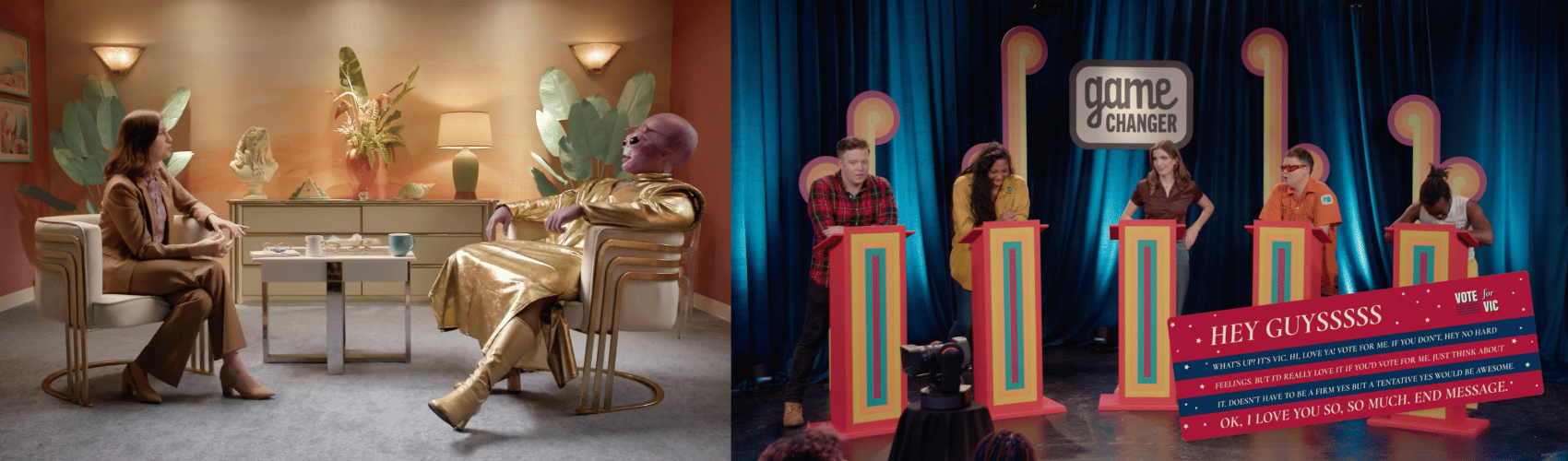
The landscape of digital content consumption is undergoing a structural shift as high-end production values, once reserved for legacy television and major streaming studios, become increasingly accessible to independent creators and niche platforms. This transition was recently highlighted by the launch of a new MasterClass series featuring Cal Newport, a theoretical computer scientist and bestselling author known for his work on deep work and digital minimalism. The course, titled "Rebuild Your Focus & Reclaim Your Time," serves as a focal point for a broader discussion regarding the diminishing quality gap between traditional media conglomerates and independent digital ventures.
Newport’s latest project integrates the core philosophies of his recent book, Slow Productivity, with the foundational principles of his 2016 bestseller, Deep Work. While the educational content focuses on the intersection of technology, cognitive focus, and professional efficiency, the production of the course itself signals a turning point in the creator economy. By utilizing film-industry professionals—including cinematographers, focus pullers, and specialized gaffers—MasterClass has demonstrated that "streaming-level" quality is no longer the exclusive domain of multi-billion-dollar entertainment giants like Netflix or HBO.
The Professionalization of Independent Media
The distinction between "independent" video, typically associated with platforms like YouTube, and "legacy" video, associated with linear television and major streamers, has historically been defined by production budgets and technical execution. Most high-performing independent creators utilize what industry experts call "prosumer" setups: three-camera arrays, diffused LED lighting, and high-quality but manageable audio equipment. While these setups far exceed the quality of early webcams, they remain distinct from the cinematic standards of Hollywood.
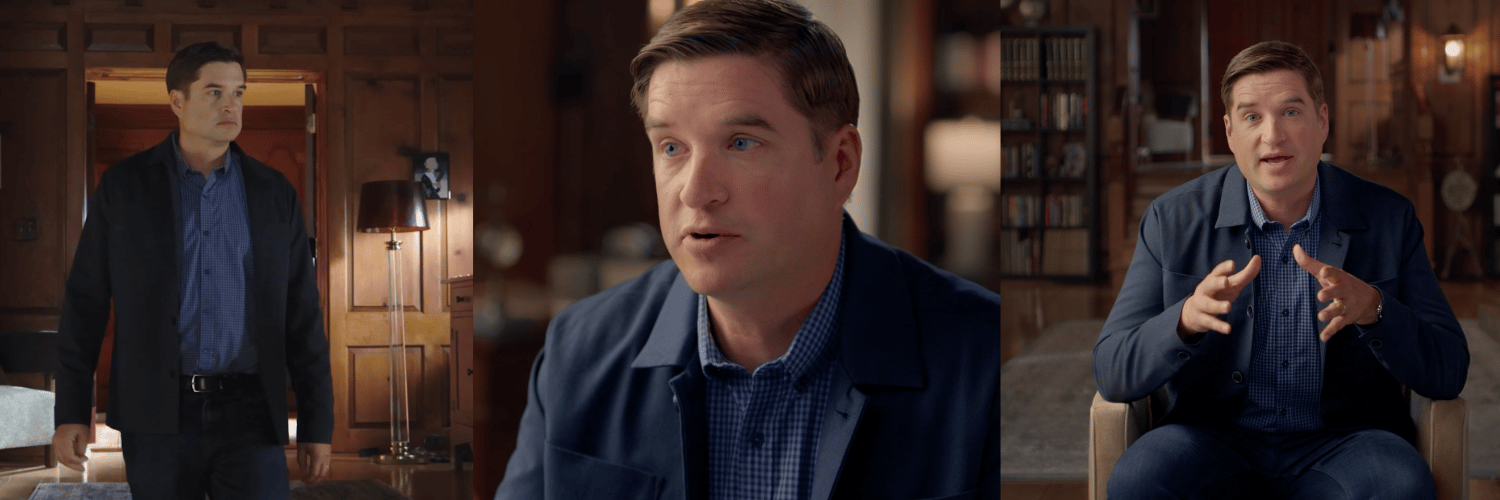
During the filming of Newport’s MasterClass, the production environment mirrored that of a dramatic series or an independent feature film. The crew included a dedicated director and cinematographer, multiple camera operators, and a support staff of grips and production assistants. The presence of makeup artists with credits on major motion pictures—such as the upcoming film Sinners—underscores the level of investment currently being poured into educational and niche content.
This "quality gap" is significant because it dictates consumer behavior and monetization strategies. Historically, audiences have been willing to pay subscription fees for high-production content while expecting "lower-quality" independent content to be free and ad-supported. As independent entities bridge this technical gap, the economic justification for the traditional "walled gardens" of major streaming services begins to erode.
A Chronology of the Shift: From CollegeHumor to Dropout TV
The trajectory of the "micro-streamer" model can be traced through the evolution of digital comedy and educational content over the last two decades. A primary example of this evolution is the transition of CollegeHumor into the subscription-based service known as Dropout.
- The Early 2000s Era: CollegeHumor emerged as a dominant force in web-based comedy, relying on venture capital and high-traffic web advertising.
- The YouTube Migration: As the digital landscape shifted toward centralized platforms, CollegeHumor moved its primary distribution to YouTube. However, this model made the company vulnerable to third-party algorithmic changes and the volatility of the advertising market.
- The Pivot to Subscription (2018–Present): Facing financial instability under the ad-supported model, the platform rebranded as Dropout. It launched a proprietary subscription app, charging a monthly fee (currently $6.99) for access to original, unscripted programming.
- Market Validation: By 2024, Dropout reported over one million subscribers. The platform produces content—such as Dimension 20 and Game Changer—that maintains a production quality indistinguishable from major network reality or game shows, despite operating without the multi-billion-dollar overhead of a legacy studio.
This timeline reflects a growing trend where creators seek to own their distribution channels. By bypassing the "mass-aggregation" platforms like YouTube, these micro-streamers can cultivate a dedicated audience willing to pay for specific, high-quality content that caters to their particular interests.
Supporting Data: The Economics of the Creator Economy
The rise of micro-streamers is supported by a broader expansion in the creator economy, which is currently estimated to be a $250 billion industry. According to reports from Goldman Sachs, this figure could nearly double to $480 billion by 2027. This growth is driven not just by an increase in the number of creators, but by the diversification of revenue streams.
| Metric | Traditional Model (YouTube/Ad-Based) | Micro-Streamer Model (Subscription-Based) |
|---|---|---|
| Primary Revenue | Ad Revenue Share (CPM/RPM) | Direct Monthly Subscriptions |
| Audience Relationship | Algorithm-Dependent | Direct-to-Consumer (DTC) |
| Production Value | Medium (Prosumer) | High (Cinema/TV Quality) |
| Content Strategy | Broad Appeal (Click-focused) | Niche Expertise (Value-focused) |
| Ownership | Platform-Owned Distribution | Creator-Owned Distribution |
Data suggests that while only a small percentage of YouTube creators earn a living wage solely through ad revenue, the "1,000 True Fans" theory—originally proposed by Kevin Kelly—is becoming a viable financial reality through micro-streaming. Platforms like MasterClass and Dropout prove that a focused audience of one million subscribers can sustain a high-end production ecosystem that rivals traditional television networks.
Official Responses and Industry Sentiment
While major streaming services have not issued formal statements regarding the rise of micro-streamers, industry analysts suggest that the "Great Unbundling" of streaming is well underway. During recent earnings calls, executives from major streamers like Disney+ and Warner Bros. Discovery have emphasized the need for "broad-appeal" content to justify high subscription costs.
In contrast, niche providers argue that the future of digital media lies in specificity. Sam Reich, the CEO of Dropout, has frequently discussed the importance of "ethical production" and "sustainable growth" over the "growth-at-all-costs" model favored by Silicon Valley-backed streamers. This sentiment is echoed by educational creators like Newport, who advocate for a "Slow Productivity" approach—focusing on quality and depth over the high-volume, low-quality output often incentivized by social media algorithms.
The success of Newport’s MasterClass launch further validates this sentiment. By providing a "polished final product" that distills years of research into a cinematic format, MasterClass positions itself as a premium alternative to the cluttered and often distracting environment of free video platforms.
Broader Impact and Future Implications
The emergence of the micro-streamer represents a democratization of high-end media production. As the tools for cinematic storytelling—such as 4K cinema cameras, advanced post-production software, and professional-grade lighting—become more affordable and accessible, the barrier to entry for "legacy-quality" content continues to drop.
Several key implications for the next decade of media include:
1. The Erosion of Platform Monopolies:
As creators move toward proprietary apps, the power of centralizing platforms like YouTube and TikTok may diminish. While these platforms will remain essential for discovery and "top-of-funnel" marketing, the most valuable and high-quality content will likely migrate behind direct-to-consumer paywalls.
2. The Rise of "Niche Television":
The future of smart TV interfaces will likely see an influx of specialized apps. Alongside Netflix and Disney+, consumers may soon find a "Deep Life TV" app for productivity, specialized apps for tabletop gaming, or dedicated streamers for specific academic disciplines. This allows for a "lean-back" viewing experience for content that was previously relegated to mobile devices or desktop browsers.
3. Higher Standards for Educational Content:
The success of Newport’s course suggests that the market for "Edutainment" is maturing. Consumers are no longer satisfied with simple "talking head" videos for professional development; they expect the same visual engagement and narrative structure found in high-end documentaries.
4. Economic Stability for Creators:
By moving to a subscription model, creators insulate themselves from the "Adpocalypse" events and algorithmic shifts that have historically decimated the earnings of independent producers. This stability allows for longer-term planning and higher investment in production staff and equipment.
In conclusion, the launch of Cal Newport’s MasterClass is more than a product release; it is a symptom of a shifting media paradigm. The professionalization of the independent creator, the success of the micro-streamer model, and the closing gap between "web video" and "television" suggest a future where quality and niche focus take precedence over mass-market appeal. As the digital landscape continues to fragment, the value of focused, high-production content will likely remain the gold standard for both creators and consumers alike.