
 admin
admin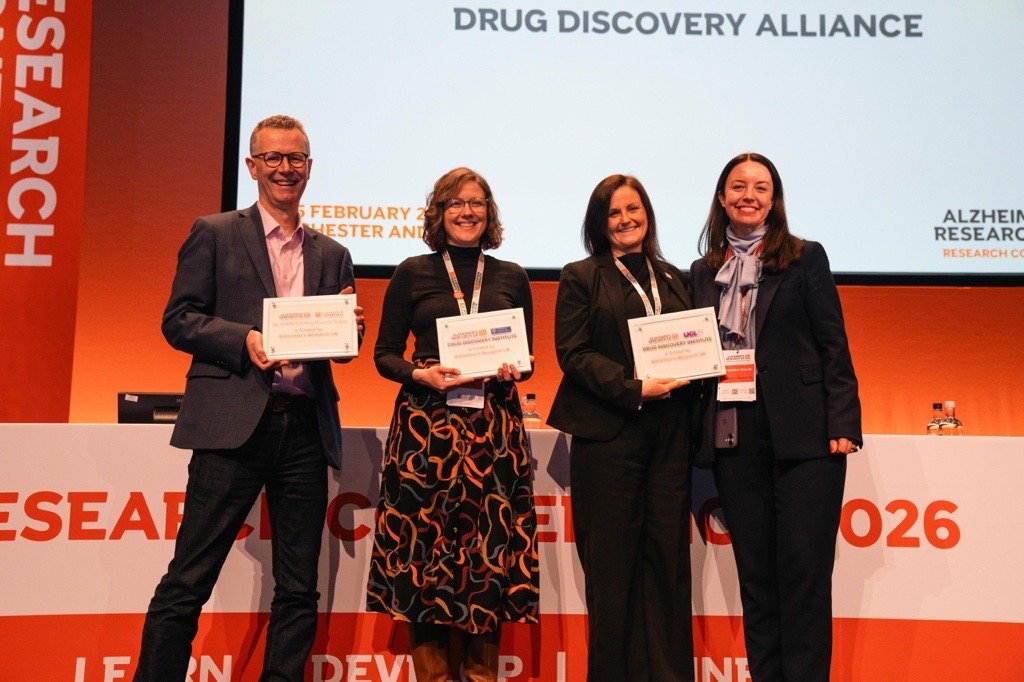
In a pivotal moment for global dementia research, Alzheimer’s Research UK (ARUK) has announced the significant renewal of its flagship Drug Discovery Alliance (DDA), committing up to £45 million in new investment over the next five years. The announcement, made by Dr. Sheona Scales, Director of Research, at the charity’s Annual Research Conference in Manchester, underscores a sustained commitment to accelerating the translation of pioneering scientific ideas into desperately needed treatments for dementia. This substantial financial backing aims to intensify efforts at the DDA’s three world-leading centres located at the Universities of Cambridge, Oxford, and University College London (UCL), further strengthening the UK’s position at the forefront of neurodegenerative disease research.
A Decade of Transformation: From Bleak Outlook to Renewed Hope
Just a decade ago, the landscape of dementia treatment was characterized by profound challenges and a palpable sense of stagnation. Disease-modifying therapies, which target the underlying causes of conditions like Alzheimer’s, seemed a distant prospect. The pipeline for drug development was sparse, and numerous promising discoveries emerging from the UK’s esteemed academic institutions often struggled to bridge the critical gap between basic laboratory research and progression towards clinical trials. This chasm, often referred to as the "valley of death" in drug development, meant that groundbreaking scientific insights frequently failed to translate into tangible benefits for patients.
Recognizing this urgent need for transformation, Alzheimer’s Research UK launched the Drug Discovery Alliance in 2015. The initiative’s objective was both bold and clear: to dramatically improve the conversion rate of early-stage scientific concepts into viable therapeutic candidates. By uniting the expertise and resources of three premier research hubs, the DDA sought to create a collaborative ecosystem designed to overcome the inherent complexities and high failure rates associated with neurodegenerative drug discovery. The establishment of the DDA marked a strategic pivot for ARUK, moving beyond traditional grant funding to invest directly in a dedicated, translational research infrastructure.
Over the past ten years, the impact of the DDA has been considerable. The drug discovery pipeline for dementia has demonstrably strengthened, coinciding with a historic shift in the treatment landscape. The scientific community has witnessed the emergence of the first treatments capable of slowing the progression of Alzheimer’s disease, offering a glimmer of hope to millions worldwide. These advancements, while still in their early stages, have injected renewed optimism and validated the strategic importance of sustained, targeted investment in translational research. However, despite these breakthroughs, the challenge remains immense, with far too many promising scientific ideas still failing to advance beyond the laboratory bench. This persistent hurdle is precisely why Alzheimer’s Research UK has chosen to renew its long-term commitment to the DDA with such a significant financial pledge.
Strategic Investment to Bridge the Translational Gap
The renewed investment of up to £45 million represents one of the most substantial commitments made by Alzheimer’s Research UK to date. Dr. Sheona Scales emphasized the profound significance of this funding, stating, "This investment represents one of the most important commitments we can make to people affected by dementia. By strengthening the Drug Discovery Alliance, we’re giving more brilliant ideas the chance to become tomorrow’s treatments. Our supporters make this progress possible – and together, we’re building real momentum towards a cure." This statement highlights the dual importance of the investment: it directly funds critical research and serves as a testament to the power of philanthropic support in driving scientific advancement.
The journey from a laboratory discovery to a licensed medicine is notoriously arduous, typically spanning 10 to 15 years and costing upwards of $1 billion. It demands not only profound scientific insight but also highly specialized expertise in medicinal chemistry, pharmacology, toxicology, and clinical development. Without dedicated infrastructure and targeted investment, many groundbreaking research ideas, despite their potential, never receive the necessary resources to navigate this complex pathway beyond the academic stage. The DDA was specifically designed to address this critical bottleneck.
Comprising a network of over 80 scientists, the DDA constitutes the UK’s largest collaborative effort in neurodegeneration drug discovery. This collective brings together diverse skill sets and perspectives, fostering an environment where interdisciplinary approaches can flourish. The alliance’s strength lies in its three specialist teams, each tackling different facets of neurodegenerative disease with complementary approaches:
- University of Cambridge: Often focusing on understanding the fundamental biological mechanisms of dementia, identifying novel therapeutic targets, and developing innovative screening platforms. Their work might involve advanced genomics, proteomics, and cellular models to pinpoint key pathways implicated in disease progression.
- University of Oxford: Frequently concentrating on early-stage drug discovery, including the identification and validation of potential drug candidates, optimizing their chemical properties, and conducting rigorous preclinical testing. This could involve small molecule chemistry, biomarker development, and advanced imaging techniques.
- University College London (UCL): Often specializing in translational neuroscience, bridging the gap between preclinical research and early clinical development. Their expertise might include developing robust animal models, conducting proof-of-concept studies, and preparing candidates for human trials, often with a focus on rare dementias or specific genetic forms.
This tripartite structure ensures a comprehensive and synergistic approach, covering a broad spectrum of the drug discovery pipeline. For supporters and donors of Alzheimer’s Research UK, this structure signifies that their investment directly fuels one of the most productive and innovative dementia drug discovery networks globally, ensuring that groundbreaking science is continuously propelled forward.
A Pivotal Moment in Dementia Research
The renewal of the DDA comes at an unprecedented time for dementia research. The recent regulatory approvals of amyloid-targeting therapies like lecanemab (Leqembi) and the promising late-stage trials of donanemab have fundamentally altered the narrative around Alzheimer’s disease. These drugs, which aim to clear amyloid plaques from the brain, represent the first disease-modifying treatments and have provided undeniable proof-of-concept that interventions targeting the underlying pathology of Alzheimer’s are possible. This success has reinvigorated pharmaceutical interest and investment in the field, which had waned following a series of high-profile clinical trial failures in the preceding decades.
However, these initial successes, while momentous, also highlight the urgent need for a diversified and robust drug discovery pipeline. The currently approved treatments are effective for specific stages of Alzheimer’s and may not be suitable for all patients, nor do they represent a complete cure. Dementia encompasses a wide range of conditions, including vascular dementia, Lewy body dementia, and frontotemporal dementia, each with distinct pathological mechanisms requiring unique therapeutic strategies. The DDA’s mandate extends beyond Alzheimer’s, aiming to uncover treatments for the broader spectrum of neurodegenerative diseases.
The challenge of translating basic science into viable treatments is particularly acute in neurodegeneration due to the complexity of the brain, the late onset of many diseases, and the difficulty in accessing affected tissues for study. Furthermore, the attrition rate for drugs in neuroscience clinical trials remains significantly higher than in other therapeutic areas, with success rates often in the single digits. This underscores the critical need for initiatives like the DDA, which specialize in de-risking early-stage assets, optimizing compounds for safety and efficacy, and rigorously validating targets before they enter expensive and lengthy clinical development phases. The DDA’s focus on identifying and validating novel targets, developing sophisticated preclinical models, and fostering collaboration is essential for improving these success rates.

Ambitious Goals for the Next Five Years
As the Alliance embarks on its third five-year term, the institutes are poised to intensify their collaborative efforts. The renewed funding will facilitate even closer working relationships, fostering enhanced sharing of expertise, data, and critical resources. This integrated approach is designed to streamline the drug discovery process, eliminate redundancies, and accelerate the progression of potential treatments towards clinical testing. A particularly ambitious goal for this next phase is to see at least one DDA-developed drug candidate enter clinical trials within the next five years. This target is a clear measure of success, demonstrating the DDA’s capacity to deliver tangible progress that directly impacts the lives of patients.
Achieving this goal would be a significant milestone, showcasing the effectiveness of the DDA’s model in translating fundamental research into clinical-grade compounds. It would also further solidify the UK’s global leadership in neuroscience and translational medicine. Beyond direct drug candidates, the DDA’s work also contributes to the development of novel biomarkers, diagnostic tools, and a deeper understanding of disease mechanisms, all of which are crucial for future therapeutic advancements.
Voices from the Forefront: A Unified Effort
The enthusiasm for the DDA’s renewal extends beyond Alzheimer’s Research UK. Representatives from the partner universities lauded the continued investment. Professor David Smith, Head of the Department of Pharmacology at the University of Oxford, commented, "The DDA has been instrumental in creating a cohesive ecosystem for drug discovery, bringing together the brightest minds and cutting-edge technologies. This renewed funding will allow us to push the boundaries of what’s possible, tackling the complex challenges of neurodegeneration with renewed vigor and collaborative spirit." Similarly, Dr. Sarah Jones, a lead researcher at the UCL DDA centre, added, "This investment is a vote of confidence in our scientists and our collaborative model. It ensures we can continue to pursue innovative approaches, explore new therapeutic targets, and ultimately deliver meaningful progress for patients and their families."
Patient advocacy groups also welcomed the news. "For families living with dementia, every investment in research brings a renewed sense of hope," stated Mary Davies, a spokesperson for the Dementia Patient Voices Alliance. "Knowing that charities like Alzheimer’s Research UK are committing such substantial resources to developing new treatments is incredibly reassuring. It signals that progress is being made, and that a future free from the fear of dementia is a tangible goal." These reactions underscore the broad impact of the DDA’s work, resonating across the scientific community and the wider public affected by dementia.
The Broader Impact and Implications
The renewal of the Drug Discovery Alliance carries profound implications, not just for the UK but for the global fight against dementia. By de-risking early-stage research and providing a clear pathway for promising compounds, the DDA serves as a crucial incubator for future therapies. This model is particularly vital in an era where pharmaceutical companies are often hesitant to invest heavily in early-stage neurodegenerative drug discovery due to the high risks and costs involved. Charitable funding, therefore, plays an indispensable role in filling this gap, fostering innovation that might otherwise remain unexplored.
Furthermore, the DDA contributes to nurturing a highly skilled workforce in drug discovery, attracting and retaining top talent in neuroscience and related fields within the UK. This creates a lasting legacy of expertise and infrastructure that will continue to benefit future generations of researchers and patients. The collaborative nature of the DDA also promotes best practices, standardizes methodologies, and facilitates the rapid dissemination of knowledge, accelerating the overall pace of discovery.
The potential societal and economic benefits of finding effective treatments for dementia are immense. Dementia currently affects nearly 1 million people in the UK, a figure projected to rise significantly in the coming decades. The condition costs the UK economy an estimated £34.7 billion annually, a figure that includes healthcare, social care, and unpaid care provided by family and friends. Developing disease-modifying therapies could not only alleviate immense human suffering but also significantly reduce this economic burden, freeing up resources and improving quality of life for millions.
Funding and Philanthropy: The Engine of Innovation
Ultimately, this renewed investment is a powerful testament to the impact of philanthropic support. Every breakthrough, every new drug candidate, and every deeper understanding of disease mechanisms begins with early-stage research. The Drug Discovery Alliance ensures that these initial, crucial ideas are nurtured, rigorously developed, and given the absolute best possible chance to succeed. Donors and supporters of Alzheimer’s Research UK are directly contributing to a transformative effort that is building real momentum towards a future where dementia can be effectively treated, prevented, or even cured. Their generosity is the engine that drives this innovation, making the ambitious goals of the DDA achievable.
Conclusion: A Renewed Hope on the Horizon
The renewal of Alzheimer’s Research UK’s Drug Discovery Alliance, backed by a significant £45 million investment, marks a critical juncture in the ongoing battle against dementia. It solidifies a proven model for translational research, reinforces the UK’s scientific leadership, and injects fresh impetus into the search for effective treatments. With a strengthened alliance, clear strategic goals, and the unwavering support of its community, Alzheimer’s Research UK is not merely funding research; it is actively shaping a future where dementia is no longer an insurmountable challenge but a treatable condition. The commitment to pushing at least one DDA-developed drug into clinical trials within five years encapsulates the urgency and ambition that now defines this renewed mission, offering renewed hope to millions affected by these devastating diseases worldwide.