 admin
admin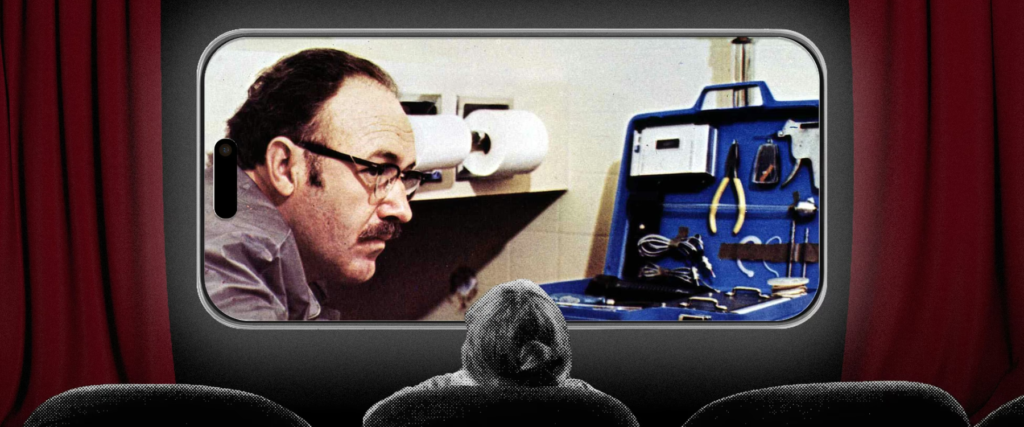
Academic institutions across the United States are reporting a significant decline in the ability of students to engage with long-form media, a phenomenon that has reached a critical point within film and media studies departments. Recent investigations into the pedagogical challenges faced by university faculty reveal that even students enrolled in cinema-focused programs are increasingly unable to maintain the focus required to watch feature-length films. This shift in cognitive behavior, often described as an "attention span crisis," is being attributed to the pervasive influence of smartphone technology and the physiological changes associated with constant digital stimulation.
Reports from various institutions, including the University of Wisconsin at Madison, Tufts University, and the University of Southern California (USC), suggest that the traditional model of film education is under threat. Professors who once viewed film screenings as a standard academic requirement now find that students frequently struggle to complete viewing assignments or remain focused during in-class screenings. This trend has intensified in the years following the COVID-19 pandemic, signaling a broader shift in how the current generation of learners processes information and manages sustained attention.
The Biological Mechanism of Cognitive Erosion
The inability to sit through a two-hour film is not merely a matter of shifting preferences but is rooted in a biological concept known as "cognitive patience." Coined by reading scholar Maryanne Wolf, cognitive patience is defined as the ability to maintain focused, sustained attention, delay gratification, and refrain from multitasking. This capacity is essential for deep reading, critical analysis, and the consumption of complex artistic works.
Neurologically, the presence of smartphones and the consumption of short-form digital content degrade this patience by activating the brain’s short-term reward system. When an individual anticipates a notification or the "hit" of new information from a device, neuronal bundles in the brain calculate a high expected value for checking the phone. These bundles essentially "vote" for the distracting behavior, triggering a neurochemical cascade—primarily involving dopamine—that creates a physical sensation of motivation to interact with the device.
Over time, consistent engagement with these rapid-fire reward systems leads to a lack of practice in sustained attention. As the brain becomes accustomed to constant switching and instant gratification, the discomfort associated with boredom or slow-paced narrative increases. This results in what some professors describe as "withdrawal-like" symptoms in students, characterized by fidgeting, anxiety, and an inability to resist the urge to check mobile devices during screenings.
A Chronology of the Attention Crisis
The decline of cognitive patience can be traced through a series of technological and social shifts over the last two decades. Understanding this timeline is essential for contextualizing the current state of academic engagement.
- 2007–2010: The Rise of the Smartphone. The introduction and subsequent ubiquity of the iPhone and Android devices transformed the internet from a destination reached via a computer into a constant companion.
- 2012–2016: The Algorithm Era. Social media platforms transitioned from chronological feeds to algorithmic ones designed specifically to maximize "time on device" by exploiting variable reward schedules.
- 2018–Present: The Short-Form Video Dominance. The rise of platforms like TikTok and Instagram Reels shifted the primary mode of content consumption toward videos lasting 15 to 60 seconds, further habituating the brain to rapid context switching.
- 2020–2022: The Pandemic Acceleration. Remote learning and extended periods of isolation led to a dramatic increase in screen time. For many students, the boundaries between academic work and digital distraction were permanently blurred.
- 2024: The Academic Tipping Point. Faculty across disciplines, but most notably in the humanities and arts, report that the baseline expectation for student focus has reached a historic low, necessitating changes in curriculum and classroom management.
Supporting Data on Digital Distraction and Academic Performance
Recent studies corroborate the anecdotal evidence provided by university professors. According to research from the Pew Research Center, nearly 46% of teenagers report being online "almost constantly." Furthermore, data from the American Psychological Association suggests that the average attention span on any given screen has decreased from 150 seconds in 2004 to just 47 seconds in recent years.
In the context of higher education, a study published in the journal Education Sciences found that students who frequently use their phones during lectures perform significantly worse on exams and have lower long-term retention of the material. The "distraction cost" of checking a phone is not limited to the seconds spent looking at the screen; it includes the "recovery time" required for the brain to re-engage with the primary task, which can take several minutes.
Institutional Responses and the "Cinematic Training" Model
In response to this crisis, some educators and cognitive experts are proposing a rehabilitative approach to attention. Rather than simply banning devices—a strategy that the founding director of Tufts University’s Film and Media Studies found nearly impossible to enforce—there is a growing movement to treat sustained attention as a skill that must be trained, much like physical fitness.
The "cinematic training" model suggests that watching a feature-length film without distraction should be viewed as a milestone for cognitive health. Similar to a novice runner training for a 5k, an individual can work toward reclaiming their "attention autonomy" by gradually increasing the duration of focused activities. Recommendations for improving cinematic cognitive patience include:
- Physical Separation: Placing the smartphone in a different room during the viewing experience to eliminate the "cues" that trigger the urge to check the device.
- Intentional Viewing: Choosing films that demand focus, rather than using media as background noise.
- Reflective Practice: Engaging in post-viewing analysis to reinforce the value of the sustained attention given to the work.
This approach acknowledges the irony of using one screen (the cinema or television) to combat the effects of another (the smartphone). However, the structured, narrative-driven nature of film provides a necessary bridge back to the "deep work" required for academic and professional success.
The Parallel Challenge of AI "Vibe Reporting"
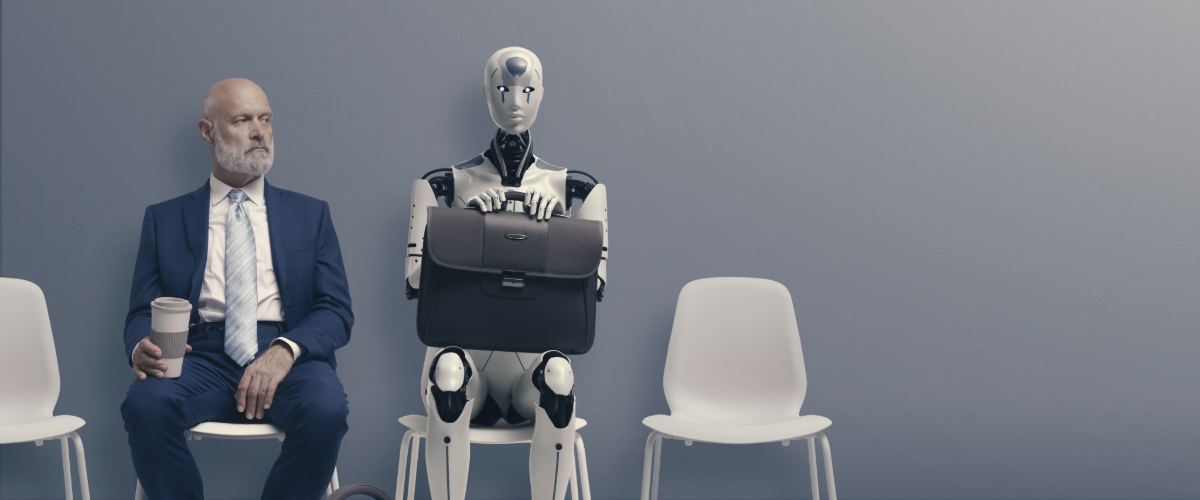
The crisis of attention is compounded by a shift in the media landscape toward what analysts call "vibe reporting." This trend is particularly evident in the coverage of Artificial Intelligence (AI) and its projected impact on the workforce. Vibe reporting prioritizes the emotional resonance or "feeling" of a trend over empirical data and nuanced reporting.
A recent case study in The Atlantic titled "The Worst-Case Future for White-Collar Workers" exemplifies this issue. The article utilizes speculative narratives to suggest an impending "apocalypse" for white-collar employment, often working backward from a frightening premise rather than forward from current economic realities.
Empirical Reality vs. Speculative Narratives in AI
While the potential for AI to disrupt the job market is a legitimate subject of concern, the current reality is more complex than many "vibe-based" reports suggest. For example, while generative AI is being integrated into software development, its actual impact on employment numbers remains unclear.
A reporting project involving over 300 computer programmers indicates that while AI tools like GitHub Copilot improve efficiency in certain tasks, they also introduce new complexities in code review, security, and architectural design. The transition is not a simple replacement of human labor but a transformation of the workflow.
The danger of vibe reporting is that it creates unnecessary anxiety and distracts from the actual, measurable shifts occurring in the industry. Journalists and readers alike are encouraged to distinguish between hypothetical "worst-case scenarios" and the current state of technological implementation.
Implications for the Future of Information Consumption
The dual challenges of declining cognitive patience and the rise of speculative reporting point to a broader crisis in the information ecosystem. If the public loses the ability to engage with long-form content, they become more susceptible to the "vibes" and "soundbites" that characterize modern digital media.
For the academic community, the task is twofold: to restore the cognitive capacities of students and to champion a more rigorous, evidence-based approach to news and technology reporting. The ability to sit through a film, read a complex book, or analyze a nuanced data set is not just an academic requirement; it is a fundamental component of a functioning, informed society.
As digital devices continue to evolve, the fight for "depth" and "attention autonomy" will likely become a defining struggle of the 21st century. Whether through the rediscovery of the "patient joys" of cinema or the critical deconstruction of media narratives, the goal remains the same: to protect the human capacity for sustained thought in an age of infinite distraction.