
 Rachel Mohan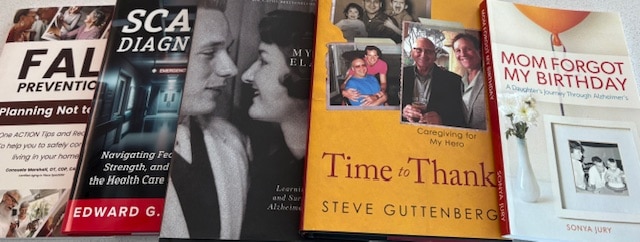
The landscape of caregiving is often characterized by its profound emotional depth, logistical complexities, and the immense personal sacrifice it entails. In navigating this challenging terrain, literature can serve as an invaluable resource, offering solace, guidance, and a sense of shared experience. A recent compilation of highly recommended books aims to equip caregivers with the knowledge, perspective, and emotional fortitude needed to face their demanding roles with greater confidence and resilience. These selections, curated for their insightful narratives and practical advice, address critical aspects of caregiving, from managing chronic illness and cognitive decline to the fundamental importance of self-care.
Illuminating the Caregiving Journey: A Deep Dive into Recommended Literature
The following literary works have been identified as essential reading for individuals involved in caregiving, providing a spectrum of perspectives that resonate with the multifaceted realities of supporting loved ones through health challenges. Each book, through personal memoir, practical guide, or insightful analysis, offers a unique contribution to the caregiver’s toolkit, fostering understanding, empathy, and empowerment.
"Time to Thank: Caregiving for My Hero" by Steve Guttenberg: A Son’s Devoted Tribute
Actor Steve Guttenberg’s memoir, "Time to Thank: Caregiving for My Hero," offers a deeply personal and moving account of his experience caring for his father during a battle with kidney failure. The narrative unfolds as Guttenberg chronicles his weekly journeys between Los Angeles and Phoenix, a testament to his unwavering commitment and love. This pilgrimage becomes a period of profound reflection, where the actor grapples with his career, his identity, and the indelible influence of his father’s unwavering support from his childhood through his rise to stardom.
The book transcends a simple recounting of events; it provides a rare "bird’s-eye view" into the world of devoted caregiving, peeling back the layers of a public persona to reveal the intimate challenges, heartbreaks, and unexpected joys that accompany the act of caring for a beloved family member. Guttenberg’s candid sharing invites readers to witness the humanity behind the celebrity, highlighting the strength and vulnerability inherent in familial care. The narrative implicitly underscores the growing societal reliance on informal caregivers, a trend supported by data indicating that millions of Americans provide unpaid care to family members and friends annually, with a significant portion undertaking demanding roles for aging parents. The emotional toll and logistical hurdles Guttenberg describes are representative of the experiences of many, making his story a poignant and relatable exploration of filial duty and love.
"My Two Elaines: Learning, Coping and Surviving as an Alzheimer’s Caregiver" by Martin J. Schreiber: Navigating the Depths of Dementia
Former Wisconsin Governor Martin J. Schreiber’s memoir, "My Two Elaines: Learning, Coping and Surviving as an Alzheimer’s Caregiver," is a powerful and tender chronicle of his journey as a caregiver to his wife, Elaine, who was diagnosed with Alzheimer’s disease. Schreiber’s approach is distinguished by a profound honesty, encapsulated in the recurring phrase within each chapter: "What I wish I had known or done." These admissions serve as poignant reflections, offering a masterclass in how individuals frame and process their caregiving experiences.
Schreiber’s calm, measured assessment is not an exercise in guilt but a valuable guidepost for fellow caregivers. His profound and candid observations about the gradual nature of Alzheimer’s, often described as a slow erosion of memory and personality, resonate deeply with those who have witnessed similar changes in their loved ones. The book delves into the emotional complexities of watching a spouse or partner "slip away like sand between our fingers," a sentiment many caregivers can attest to. The inclusion of a Q&A section with renowned neuropsychologist Michelle Braun further enhances the book’s utility, providing expert insights and practical counsel for navigating the challenges of Alzheimer’s care. This segment addresses critical areas such as communication strategies, managing behavioral changes, and understanding the progression of the disease, offering a crucial resource for caregivers seeking evidence-based advice alongside empathetic narrative. The prevalence of Alzheimer’s and related dementias continues to rise, with organizations like the Alzheimer’s Association reporting millions of Americans living with the disease, underscoring the critical need for resources like Schreiber’s book.
"Scary Diagnosis: Navigating Fear, Finding Strength and Securing the Health Care You Deserve" by Edward G. Rogoff: A Compass for Medical Crises
Edward G. Rogoff’s "Scary Diagnosis: Navigating Fear, Finding Strength and Securing the Health Care You Deserve" directly confronts the anxiety and uncertainty that accompany a serious medical diagnosis. This comprehensive guide is imbued with the author’s extensive personal experience, offering powerful suggestions and actionable advice derived from a lifelong history of navigating challenging health situations. Rogoff’s approach is one of empowerment, sharing his "experience, strength, and hope" to equip readers with the tools to manage their own health crises and those of their loved ones.
The book is lauded for its practical, tactical, and valuable information, making it an indispensable resource for anyone facing a daunting medical prognosis or supporting someone who is. Rogoff provides a roadmap for understanding complex medical systems, advocating for oneself or a loved one, and making informed decisions amidst fear and uncertainty. In an era where healthcare navigation can be labyrinthine, Rogoff’s guide serves as a beacon, illuminating the path toward securing appropriate and effective care. The implications of such a guide are significant, particularly as medical advancements lead to longer lifespans but also to an increase in chronic conditions and complex treatment plans. Empowering patients and caregivers with knowledge can lead to better health outcomes and reduced stress on the healthcare system.
"Mom Forgot My Birthday: A Daughter’s Journey Through Alzheimer’s" by Sonya Jury: An Unflinching Look at Dementia’s Toll
Sonya Jury’s "Mom Forgot My Birthday: A Daughter’s Journey Through Alzheimer’s" is a riveting and deeply honest memoir that takes readers on an emotional roller coaster ride through the devastating impact of Alzheimer’s disease. Jury meticulously recounts her caregiving journey, sharing the blow-by-blow experience of witnessing her mother’s decline. Her skill as a storyteller and her courage as a caregiver shine through, as she candidly shares the lessons learned along the way.
Jury’s authentic and heartfelt narrative uncovers the multifaceted realities of caregiving – the good, the bad, and the undeniably ugly. By sharing her story, she fosters a profound sense of connection among readers facing similar, yet uniquely personal, caregiving paths, thereby reducing feelings of isolation. Her courage and candor offer a vital spark of hope, demonstrating that even in the face of immense difficulty, resilience and the ability to find meaning can prevail. The book’s impact lies in its ability to validate the complex emotions caregivers often experience, from profound grief and frustration to moments of unexpected joy and enduring love. The increasing incidence of Alzheimer’s, as noted by global health organizations, makes personal accounts like Jury’s crucial for building empathy and understanding within society.
"Fall Prevention: Planning Not to Fall" by Consuela Marshall, OT, CDP, CAPS: A Practical Guide to Home Safety
Consuela Marshall, an Occupational Therapist (OT) with certifications as a Certified Dementia Practitioner (CDP) and Certified Aging-in-Place Specialist (CAPS), presents "Fall Prevention: Planning Not to Fall," a critical and highly practical guidebook for safe home living. This indispensable resource is packed with 31 actionable tips designed to prevent life-threatening falls, a significant concern for aging populations and individuals with mobility challenges.
Marshall’s approach is characterized by its simplicity, ease of implementation, and the profound impact of her preventative strategies. What elevates this guide beyond a mere list of instructions is her adept use of true-life stories, which powerfully illustrate the importance of each action tip. The pages are infused with grace, wisdom, and humor, offering not just advice but a holistic perspective on living a long, safe, and fulfilling life at home. The implications of effective fall prevention are far-reaching, impacting not only individual safety and independence but also reducing the burden on healthcare systems. Falls are a leading cause of injury and death among older adults, and proactive measures, as outlined by Marshall, can significantly mitigate these risks. Data from the Centers for Disease Control and Prevention (CDC) consistently highlights the substantial costs associated with falls, both in terms of healthcare expenditures and the loss of independence for individuals.
The Author’s Contribution: "Self-Care for Caregivers"
In addition to these external recommendations, the author of this review also contributes to the caregiver’s resource library with their own publication, "Self-Care for Caregivers." This daily reader offers one tip, strategy, or suggestion per page, specifically designed to help caregivers prioritize their own well-being while tending to the needs of others. Recognizing the demanding nature of caregiving and the tendency for individuals to place their own needs last, this book aims to provide accessible and actionable advice for self-nurturing. The inclusion of an audio version further caters to the busy schedules of caregivers, allowing for engagement with the material during commutes or moments of respite. The author emphasizes the importance of feedback and reviews from readers, underscoring a commitment to continuous improvement and a desire to genuinely support the caregiving community. The proactive approach to self-care is increasingly recognized as vital for preventing burnout and maintaining the caregiver’s capacity to provide effective support over the long term.
Broader Implications for the Caregiving Ecosystem
The collective insights offered by these recommended books paint a vivid picture of the modern caregiving landscape. They underscore a growing need for accessible, reliable information and emotional support for the millions of individuals who dedicate themselves to caring for loved ones. The trend towards aging populations globally, coupled with advancements in medical treatments that extend lifespans, means that the role of the caregiver will only become more prevalent and more critical.
These literary contributions serve multiple functions within this ecosystem. They:
- Validate Experiences: Personal memoirs offer a powerful sense of validation, assuring caregivers they are not alone in their struggles and triumphs.
- Provide Practical Guidance: How-to guides and expert insights equip caregivers with the knowledge and strategies needed to navigate complex medical and emotional challenges.
- Promote Self-Awareness and Well-being: Resources focusing on self-care highlight the essential truth that a caregiver’s well-being is not a luxury but a necessity for sustained, effective care.
- Foster Empathy and Understanding: By sharing intimate stories, these books can educate the broader public about the realities of caregiving, fostering greater societal support and appreciation.
The availability of these books on platforms like Amazon, coupled with the author’s direct engagement with the caregiving community, signifies a concerted effort to build a robust support network. As the demands on caregivers continue to evolve, so too must the resources available to them. This curated selection represents a significant step in providing that vital support, offering a beacon of knowledge, comfort, and empowerment to all who walk the path of caregiving. The ongoing dialogue around caregiving, amplified by such literature, is crucial for shaping policies, improving support services, and ultimately, enhancing the quality of life for both those receiving care and those providing it.