 admin
admin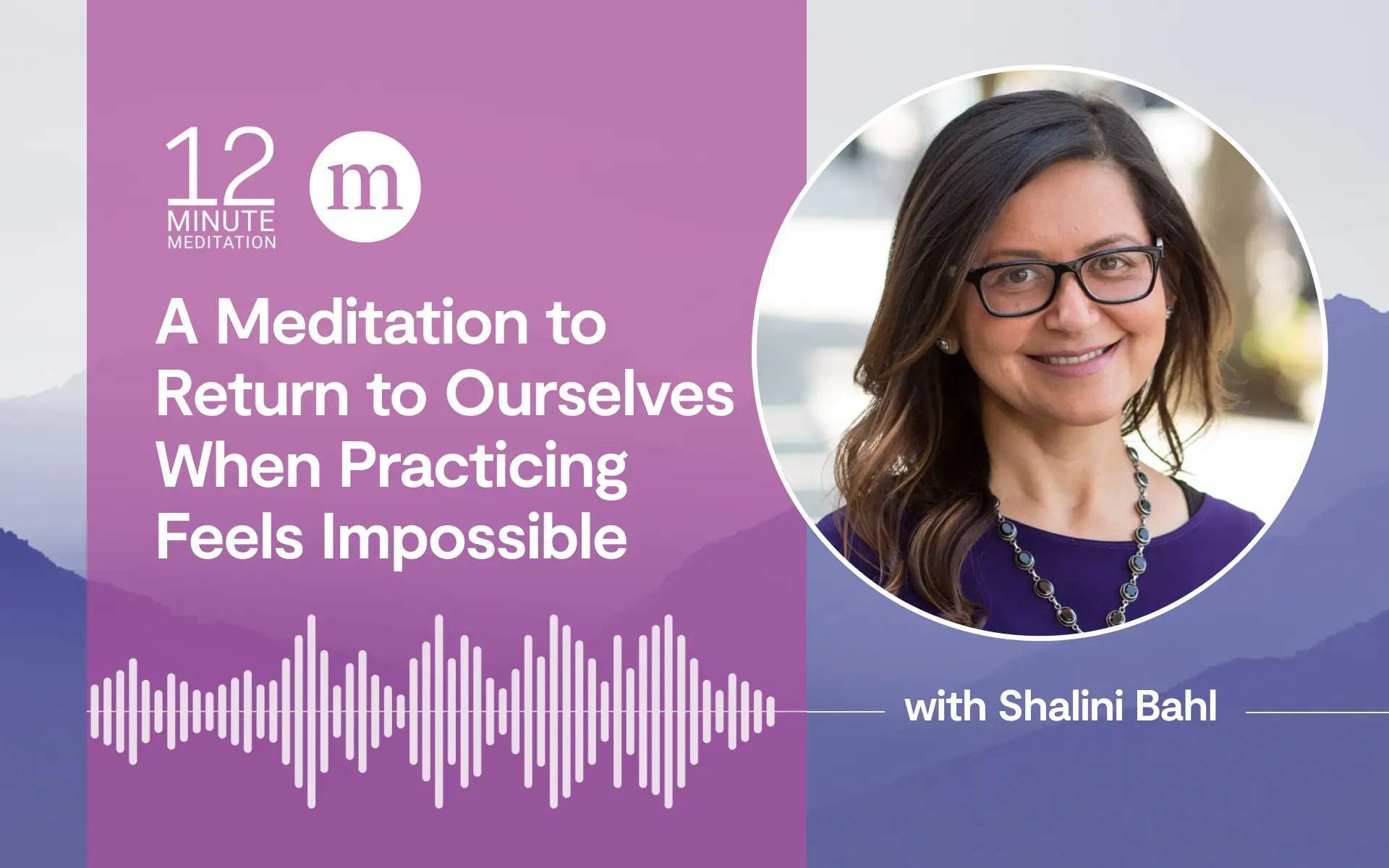
If you’re burned out, discouraged, and disconnected by all the struggle and suffering in the world, you’re not alone. In times of intense upheaval, mindfulness practice can feel impossible. This pervasive sentiment underscores a growing global mental health crisis, where individuals grapple with an overwhelming influx of distressing information, leading to what experts term vicarious trauma and compassion fatigue. The challenge then becomes not just enduring suffering, but finding practical methods to maintain psychological equilibrium and foster continued engagement without succumbing to paralyzing despair.
The contemporary human experience is increasingly characterized by an unprecedented level of exposure to global events, often unfolding in real-time through digital media. Unlike previous generations, whose access to news was mediated by slower, more curated channels, today’s citizens are immersed in a constant stream of images, videos, and narratives depicting conflict, natural disasters, humanitarian crises, and systemic injustices from every corner of the planet. This continuous witnessing, while fostering awareness, exacts a heavy psychological toll. Many individuals report feeling overwhelmed, anxious, and deeply dysregulated by this relentless exposure, struggling to reconcile their desire to help with their capacity to cope with such vast suffering.
The Digital Deluge and Empathic Overload
The advent of the internet and the proliferation of social media platforms have fundamentally altered the way individuals consume news and information. What was once a mediated experience, often filtered through professional journalistic gatekeepers, is now a direct, unvarnished, and often graphic encounter with global events. From live streams of conflict zones to personal testimonials of trauma victims, the digital landscape presents a raw and unfiltered mirror to the world’s pain. This constant exposure, while intended to inform and mobilize, frequently leads to empathic overload, a state where an individual’s capacity to process and respond to emotional stimuli is exceeded. The immediacy and visual nature of digital content can blur the lines between observer and participant, making it difficult for the brain to distinguish between direct and indirect trauma.
Defining Vicarious Trauma and Compassion Fatigue
Mental health professionals have long recognized the impact of indirect exposure to trauma. Vicarious trauma, also known as secondary trauma, is a phenomenon experienced by individuals who are repeatedly exposed to the traumatic experiences of others. This is distinct from burnout, which is characterized by emotional exhaustion, cynicism, and reduced personal accomplishment, though the two often coexist. Vicarious trauma manifests as a profound shift in one’s inner experience, including changes in one’s worldview, sense of self, and ability to regulate emotions. Symptoms can mirror those of direct trauma, such as intrusive thoughts, nightmares, hypervigilance, and emotional numbness.
Compassion fatigue, closely related, describes the emotional and physical exhaustion that can result from the continuous demands of caring for or empathizing with others’ suffering. While often associated with helping professions like healthcare workers, social workers, and first responders, the pervasive nature of global suffering broadcast through media means that a significant portion of the general public is now susceptible. When individuals are constantly confronted with overwhelming global crises, their innate drive to connect and respond empathetically can lead to a depletion of emotional resources, culminating in feelings of helplessness, hopelessness, and a tendency to withdraw or shut down. This disconnection, both from oneself and from others, creates a vicious cycle where the very tools for coping – self-reflection and communal support – become inaccessible.
Escalating Global Mental Health Statistics
The mental health consequences of this heightened exposure are not merely anecdotal; they are increasingly reflected in global health data. The World Health Organization (WHO) has consistently highlighted the rising prevalence of mental health conditions worldwide. Pre-pandemic estimates suggested that one in eight people globally live with a mental disorder. However, events like the COVID-19 pandemic significantly exacerbated these figures, with a 25% increase in the prevalence of anxiety and depression globally in the first year of the pandemic alone. While these figures primarily reflect direct impacts, the concurrent increase in media consumption and exposure to global crises during this period undoubtedly contributed to a broader deterioration of mental well-being.
Data from national surveys in countries like the United States and the United Kingdom further corroborate this trend. The American Psychological Association’s annual "Stress in America" survey frequently reports high levels of stress linked to national and global events, with a significant portion of adults expressing anxiety about issues such as climate change, political divisiveness, and global conflicts. Similarly, mental health charities in the UK have noted a surge in demand for services, with many individuals citing news consumption and the state of the world as major contributors to their distress. This collective mental load translates into tangible societal costs, including decreased productivity, strained healthcare systems, and a general decline in overall quality of life.
The Economic and Social Costs of Burnout
Beyond individual suffering, the widespread prevalence of burnout and compassion fatigue carries significant economic and social implications. Burnout among the workforce leads to increased absenteeism, reduced productivity, and higher turnover rates, costing economies billions annually. For example, a 2018 Gallup study estimated that burnout costs the U.S. economy between $125 billion and $190 billion in healthcare spending per year. When individuals become disengaged due to overwhelming stress, their capacity for critical thinking, problem-solving, and civic participation diminishes, potentially weakening democratic processes and collective action efforts necessary to address the very crises causing distress. The erosion of empathy and the tendency to shut down can also contribute to societal fragmentation, making it harder to build consensus and foster communal resilience in the face of adversity.
A Decade of Disruption: Key Global Events
The recent past has presented a relentless succession of events that have cumulatively contributed to a global sense of unease and psychological strain. The 2010s saw the rise of major geopolitical instabilities, including the Syrian civil war and its ensuing refugee crisis, which profoundly impacted international consciousness through widespread media coverage. The intensification of climate change impacts, with increasingly frequent and severe natural disasters from unprecedented wildfires to devastating floods, has fostered a sense of ecological anxiety, particularly among younger generations.
The turn of the decade brought the unprecedented challenge of the COVID-19 pandemic, a global health crisis that not only caused immense direct suffering but also triggered widespread social isolation, economic instability, and a pervasive sense of uncertainty. Its aftermath has been swiftly followed by renewed geopolitical tensions, notably the conflict in Ukraine, which has dominated global headlines, and other protracted conflicts in various regions. Each of these events, amplified by instantaneous digital reporting, layers upon the previous, creating a continuous narrative of global struggle that is difficult for the human psyche to process and integrate without dedicated coping mechanisms.
The Scientific Underpinnings of Mindful Practice
In this challenging environment, practices such as mindfulness and meditation have gained significant traction as vital tools for mental resilience. Originating from ancient contemplative traditions, mindfulness has been increasingly validated by modern neuroscience and psychology. Research demonstrates that regular mindfulness practice can lead to measurable changes in brain structure and function, particularly in areas associated with emotional regulation, attention, and self-awareness, such as the prefrontal cortex, amygdala, and hippocampus.
Studies have shown that mindfulness-based interventions (MBIs) can effectively reduce symptoms of anxiety, depression, and stress. A meta-analysis published in JAMA Internal Medicine, for instance, concluded that MBIs can moderately improve symptoms of anxiety, depression, and pain. Specifically for the issue of vicarious trauma and compassion fatigue, mindfulness helps individuals cultivate a non-judgmental awareness of their internal states, allowing them to observe distressing thoughts and emotions without being consumed by them. This detachment enables a healthier processing of difficult experiences and prevents the spiral into overwhelm and shutdown. By grounding individuals in the present moment, mindfulness counteracts the tendency to ruminate on past traumas or catastrophize about future uncertainties, which are common responses to pervasive global suffering.
Expert Perspectives on Resilience and Regulation
Leading mental health experts and neuroscientists consistently advocate for practices that enhance emotional regulation and cognitive flexibility. Dr. Jon Kabat-Zinn, founder of Mindfulness-Based Stress Reduction (MBSR), has long championed mindfulness as a secular, evidence-based approach to cultivating inner resources. He emphasizes that mindfulness is not about escaping reality but engaging with it skillfully, developing a capacity to be present with whatever arises, pleasant or unpleasant. Similarly, Dr. Stephen Porges’ Polyvagal Theory highlights the importance of regulating the autonomic nervous system to move out of states of fight, flight, or freeze and into a "social engagement" state, where connection and resilience are possible. Mindfulness practices, particularly those focused on breath and body awareness, are powerful tools for activating the ventral vagal complex, promoting a sense of safety and calm.
These expert perspectives underscore that in an age of intense external upheaval, the cultivation of internal stability is not a luxury but a necessity. They suggest that proactive engagement with practices that strengthen emotional regulation is crucial for individuals not only to survive but to thrive and contribute meaningfully to a world in need.
Bridging Disconnection: Bahl’s Guided Meditation Framework
It is within this context that the guidance offered by practitioners like Shalini Bahl becomes particularly relevant. Bahl addresses the common experience of feeling so "spun out in our anxiety, anger, or overwhelm" that any form of mindfulness or meditation feels impossible. Her approach is characterized by its tender and practical nature, designed specifically for moments when the nervous system is deeply dysregulated by vicarious trauma.
Bahl’s suggested meditation is described as a "simple, grounding" practice intended to facilitate a pause, reconnect with compassion and clarity, and return to oneself. The core mechanism involves a deliberate interruption of the overwhelm cycle. When individuals are bombarded by images and stories of suffering, the natural tendency is to either become emotionally flooded or to shut down completely. Bahl’s meditation aims to create a liminal space where neither extreme dominates. By guiding individuals to pause, she encourages a break from the relentless external stimuli and the internal echo chamber of distress.
The emphasis on "reconnecting with compassion and clarity" is crucial. Compassion, often mistaken for pity, is defined as a feeling of concern for the suffering of others, coupled with a desire to alleviate it. However, when overwhelmed, this compassion can turn into empathic distress, leading to withdrawal. Bahl’s practice aims to re-establish a healthy, sustainable form of compassion that is rooted in clarity – the ability to see things as they are without personal distortion or over-identification. This clarity allows individuals to acknowledge suffering without being consumed by it, thereby enabling a more effective and sustainable response. Returning "to ourselves" implies re-establishing a connection with one’s core sense of being, distinct from the temporary states of anxiety or despair induced by external events. This foundational self-connection is essential for restoring inner resources and agency.
Fostering Collective Resilience in a Fragmented World
The implications of individuals adopting such practices extend beyond personal well-being. A population that is collectively overwhelmed and dysregulated is less capable of addressing systemic global challenges. Conversely, a population that cultivates emotional resilience and clarity is better equipped for sustained engagement and constructive action. When individuals can process difficult information without shutting down, they are more likely to participate in humanitarian efforts, advocate for policy changes, or support their communities.
Therefore, promoting practices like Bahl’s contributes to building collective resilience. It recognizes that empathy, while vital, must be managed with self-awareness to prevent burnout. The ability to pause and reconnect allows for a more considered and effective response to global crises, moving beyond reactive emotional states to thoughtful, sustainable engagement. This shift is critical in an increasingly interconnected world where individual well-being is inextricably linked to global health.
The Role of Self-Care in Global Engagement
Ultimately, the message conveyed by Bahl’s guidance is that self-care, in the form of practices like grounding meditation, is not a selfish act but a necessary prerequisite for effective global engagement. To be "of use" in a world filled with suffering requires a stable inner foundation. Without it, the desire to help can quickly lead to exhaustion and disengagement. By prioritizing moments of pause and reconnection, individuals can replenish their emotional reserves, maintain their capacity for compassion, and sustain their commitment to contributing positively to the world.
In conclusion, as the world continues to navigate a complex tapestry of challenges, the need for accessible, practical tools to manage psychological distress has never been more pressing. The widespread experience of burnout, vicarious trauma, and disconnection highlights a collective vulnerability that must be addressed proactively. Shalini Bahl’s simple, grounding meditation offers a timely and essential pathway for individuals to pause, reconnect with their innate capacity for compassion and clarity, and return to a state of inner equilibrium. This personal practice, far from being an act of withdrawal, serves as a fundamental building block for fostering individual resilience and, by extension, strengthening the collective capacity to face and respond to the enduring struggles of humanity. May our practice together benefit us and benefit all beings.