
 admin
admin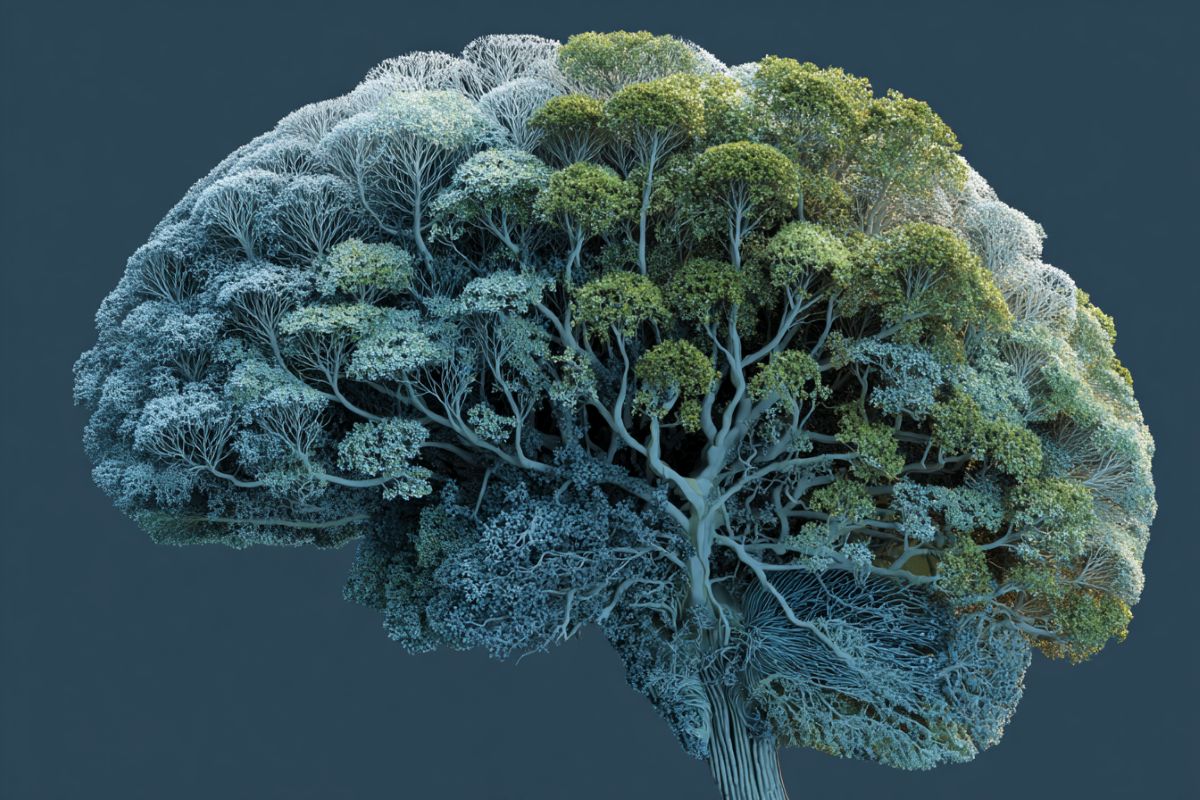
The study’s co-lead author, Mar Estarellas, a postdoctoral researcher in the Division of Social and Transcultural Psychiatry at McGill University, articulated the significance of this scientific validation: "We know intuitively that nature feels good, but neuroscience gives us a language that lends credibility to shaping decisions about how nature is considered in health policy and the spaces we build." This sentiment underscores a pivotal shift from anecdotal evidence and traditional wisdom to empirically grounded understanding, paving the way for nature-based interventions to be formally integrated into public health strategies and urban planning.
The Scientific Breakthrough: Unpacking the McGill-Adolfo Ibáñez Review
The research team undertook a meticulous scoping review, a systematic method of synthesizing a broad range of evidence to map key concepts, types of evidence, and gaps in research relating to a particular area. By examining over 100 brain-imaging studies drawn from various scientific disciplines—including neuroscience, environmental psychology, and public health—the researchers were able to identify consistent patterns in neural activity when individuals were exposed to natural stimuli. This extensive synthesis moves beyond individual study findings to present a cohesive narrative of how the brain processes and benefits from interaction with nature.
The review’s methodology involved scrutinizing experimental findings from neuroimaging techniques such such as Electroencephalography (EEG), functional Magnetic Resonance Imaging (fMRI), functional Near-Infrared Spectroscopy (fNIRS), and structural MRI. These diverse approaches allowed the researchers to observe a wide spectrum of brain responses, from immediate acute changes in neural activity to longer-term alterations in brain structure. The consistent convergence of data across these varied modalities strengthens the reliability and generalizability of the findings, indicating that the observed effects are not artifacts of a single imaging technique but rather robust physiological phenomena.
The central discovery of the review is the identification of a "cascading pattern" in the brain’s response to nature. This pattern describes a sequence of neural events that collectively contribute to the observed restorative and calming effects. It starts with eased sensory processing, moves through quieted mental rumination, and culminates in a state conducive to attentional restoration and stress reduction. This comprehensive understanding offers a neurobiological explanation for why even fleeting encounters with natural environments can be profoundly effective in mitigating the deleterious effects of modern stressors and enhancing cognitive function.
A Deeper Dive into Neural Mechanisms: Four Pillars of Brain Restoration
The comprehensive analysis revealed several key neural mechanisms underlying nature’s restorative power, which can be conceptualized as four pillars of brain restoration:
-
Acute Reductions in Stress-Related and Self-Referential Circuits: The studies consistently showed that exposure to natural environments leads to a decrease in activity within brain regions associated with stress response and self-referential thought, such as the default mode network (DMN). The DMN is often overactive during states of rumination, anxiety, and self-criticism. By quieting these circuits, nature helps to alleviate the cognitive load associated with internal monologue and worry, allowing for a mental reprieve. This reduction is linked to lower levels of physiological stress markers, such as cortisol, and subjective reports of reduced anxiety.
-
Shifts Towards Alpha/Theta-Dominated and More Integrated Large-Scale Network States: Nature exposure encourages brain activity patterns characterized by increased alpha and theta wave frequencies. Alpha waves are typically associated with a relaxed yet alert state, often observed during meditation or calm contemplation. Theta waves are linked to deep relaxation, creativity, and access to subconscious processes. Concurrently, the brain exhibits more integrated large-scale network states, suggesting improved communication and coherence across different brain regions. This integrated state is highly conducive to attentional restoration, allowing the brain to recover from fatigue and regain its capacity for focused concentration. This stands in stark contrast to the fragmented, hyper-alert processing often required in complex urban or digital environments.
-
Enhanced Sensory Processing and Cognitive Ease through Fractals: One of the intriguing insights highlighted in the supporting FAQ section of the original article, which aligns with broader neuroscientific understanding, is the role of fractals. Nature is replete with fractal patterns—repeating, self-similar patterns at different scales (e.g., the branching of trees, the veins of a leaf, the coastline of an island). The human brain is evolutionarily wired to process these fractal geometries with minimal effort. Unlike the "visually loud" and often jarring angularity of urban environments or the demanding focus required by screens, natural fractals allow the brain to engage in a form of effortless processing, leading to a profound sense of cognitive ease and aesthetic pleasure. This reduces the brain’s overall processing burden, contributing to mental restoration.
-
Longer-Term Macrostructural and White-Matter Advantages: Beyond acute changes, the review hinted at more enduring benefits, including macrostructural and white-matter advantages linked to improved cognition. While this area requires further longitudinal research, preliminary evidence suggests that consistent engagement with natural environments might contribute to structural changes in the brain that support better cognitive function over time. This could involve enhanced neural plasticity or improved connectivity, underpinning sustained benefits for memory, problem-solving, and emotional regulation.
The Spectrum of Nature Exposure: From Potted Plants to Pristine Wilderness
The research emphasizes that the benefits of nature exposure exist along a continuum, with varying degrees of engagement yielding different levels of neurological and psychological impact. On one end of the spectrum are simple, brief encounters, such as keeping houseplants, gazing at a window view of greenery, or viewing nature photographs. Even these minimal interactions can trigger measurable positive changes, as noted by Estarellas: "As little as three minutes in a natural environment can lead to measurable changes." This suggests that even small, consistent doses of nature can contribute to daily well-being.
However, the study also highlights that "more immersive, real-world experiences and longer exposure are generally associated with stronger and longer-lasting effects." This includes activities like walking in a park, sitting by a body of water, or full immersion in forests, mountains, or coastal environments. The intensity and duration of the interaction appear to modulate the depth and longevity of the brain’s restorative response. For instance, a 2010 study published in Environmental Science & Technology found that even a five-minute "green exercise" session could significantly improve mood and self-esteem. More extended periods, such as a 90-minute walk in nature versus an urban setting, have been shown to decrease self-reported rumination and reduce neural activity in the subgenual prefrontal cortex, a brain region implicated in mental illness. This spectrum allows for flexible application of nature-based interventions, from quick urban "green breaks" to more intentional wilderness excursions.
Historical Context and the Rise of Nature Connectedness
The idea that nature is beneficial for human well-being is not new. Indigenous cultures worldwide have long recognized and revered the profound interconnectedness between human health and the natural world. Philosophers and poets throughout history, from ancient Greek thinkers to Romantic-era writers, have extolled the virtues of nature for contemplation, healing, and inspiration.
However, the scientific investigation into this relationship gained significant momentum in the latter half of the 20th century. The "Biophilia Hypothesis," proposed by renowned biologist E.O. Wilson in the 1980s, posits that humans possess an innate tendency to connect with nature and other living systems. This hypothesis provided a conceptual framework for understanding the deep-seated human affinity for natural environments, suggesting it is a product of our evolutionary history.
In recent decades, a confluence of societal trends has amplified the urgency of this research. Rapid global urbanization has led to increasing detachment from natural spaces, with a majority of the world’s population now residing in cities. Concurrently, the pervasive rise of digital technology and excessive screen time has introduced new forms of cognitive fatigue and attentional deficits. The global mental health crisis, characterized by rising rates of anxiety, depression, and stress-related disorders, further underscores the critical need for accessible and effective restorative interventions. Against this backdrop, the field of nature connectedness has emerged as a vital area of interdisciplinary inquiry, seeking to bridge the gap between intuitive understanding and scientific proof. This McGill-led review represents a significant stride in providing that much-needed scientific validation.
Implications for Public Health and Policy
The robust neuroscientific evidence generated by this review carries profound implications for various sectors, particularly public health and urban policy.
-
Social Prescribing and Healthcare: The findings lend substantial weight to the growing movement of "social prescribing," where healthcare professionals recommend non-pharmacological interventions, including time in nature, to improve patient well-being. Doctors are increasingly "prescribing" activities like park walks, gardening, or outdoor group therapy for conditions ranging from anxiety and depression to chronic stress and attention-deficit disorders. The research provides a scientific basis for why nature offers a unique "mental reset" that a simple digital detox cannot achieve on its own, suggesting it’s not merely a pleasant diversion but a potent therapeutic tool. This could lead to nature prescriptions being covered by health insurance or integrated into national healthcare systems, as is already being trialed in some countries like the UK and Canada.
-
Urban Planning and Biophilic Design: The study strongly supports the principles of "green urban design" and biophilic design. Biophilic design aims to incorporate natural elements—such as daylight, vegetation, water features, and natural patterns—into built environments to foster human connection with nature. Urban planners and architects can leverage these findings to advocate for the creation and preservation of more green spaces, urban forests, community gardens, and accessible natural corridors within cities. Research from the World Health Organization suggests that access to green spaces can reduce health inequalities and improve mental health outcomes, reinforcing the idea that green infrastructure is not just an aesthetic amenity but a public health imperative. Such initiatives can lead to more livable, resilient, and psychologically healthier cities, reducing the "visually loud" environments that constantly tax the brain.
-
Workplace and Educational Environments: The implications extend to improving productivity and well-being in workplaces and educational institutions. Incorporating natural elements, such as indoor plants, natural light, views of nature, or even natural imagery, can help mitigate stress and improve focus among employees and students. Studies have shown that access to natural views or elements in offices can lead to higher job satisfaction, lower absenteeism, and improved cognitive performance. Similarly, integrating outdoor learning into curricula or ensuring schoolyards have ample green spaces can support children’s cognitive development, reduce hyperactivity, and enhance learning outcomes.
The Economic Case for Green Interventions
Beyond individual well-being, the societal and economic benefits of integrating nature into daily life are substantial. Mental health disorders represent a significant global economic burden, costing billions annually in healthcare expenditures, lost productivity, and social services. By offering a cost-effective, non-pharmacological pathway to stress reduction and mental restoration, nature-based interventions can play a crucial role in preventative healthcare. Investing in green infrastructure, such as urban parks and accessible natural areas, can yield high returns in terms of public health improvements, reduced healthcare costs, and enhanced community resilience. For example, a study by the Trust for Public Land estimated that parks in U.S. cities save billions in healthcare costs annually by promoting physical activity and mental well-being.
Beyond Individual Well-being: Fostering Environmental Stewardship
The interconnectedness highlighted by the research extends beyond individual human health to planetary health. As Estarellas points out, "Research shows people who feel more connected to nature tend to show more pro-environmental behaviour. Caring for nature and caring for ourselves aren’t separate, they reinforce each other." This creates a virtuous cycle: by fostering a deeper connection with nature for human well-being, we simultaneously cultivate a greater sense of environmental stewardship. Individuals who regularly experience the restorative power of natural environments are more likely to advocate for their protection, engage in sustainable practices, and support conservation efforts. This symbiotic relationship underscores the profound wisdom in nurturing both personal and ecological health as intertwined objectives.
Challenges and Future Directions in Neuroscience Research
While the McGill-led review offers compelling evidence, the authors acknowledge that the field is still evolving. The abstract highlights "heterogeneity, potential confounding, and predominantly correlational designs" in existing studies. This means that while strong associations have been identified, more rigorous, prospective research is needed to establish definitive cause-and-effect relationships and to fully delineate the precise neural mechanisms at play.
Future research should prioritize preregistered, longitudinal, and mechanistic trials. Preregistration ensures transparency and reduces bias, while longitudinal studies can track changes over extended periods, providing insights into the long-term impacts of nature exposure. Mechanistic trials will delve deeper into the specific pathways and processes through which nature exerts its effects on the brain. Such research will further refine our understanding and enable the development of even more targeted and effective nature-based interventions. The study, supported by a grant from the Mind & Life Institute, sets a robust foundation for these future explorations.
In conclusion, the comprehensive review by McGill University and Adolfo Ibáñez University provides irrefutable neuroscientific evidence for what many have intuitively known for centuries: nature is a powerful balm for the human mind. By systematically demonstrating that engaging with natural environments triggers a measurable "reset" in the brain, reducing stress, restoring attention, and quieting mental clutter, this research offers a compelling imperative for integrating nature more intentionally into our daily lives, our healthcare systems, and the design of our cities. As humanity navigates the complexities of modern life, the scientifically validated embrace of nature stands as a vital, accessible, and profound pathway to enhanced well-being for both individuals and the planet.