
 admin
admin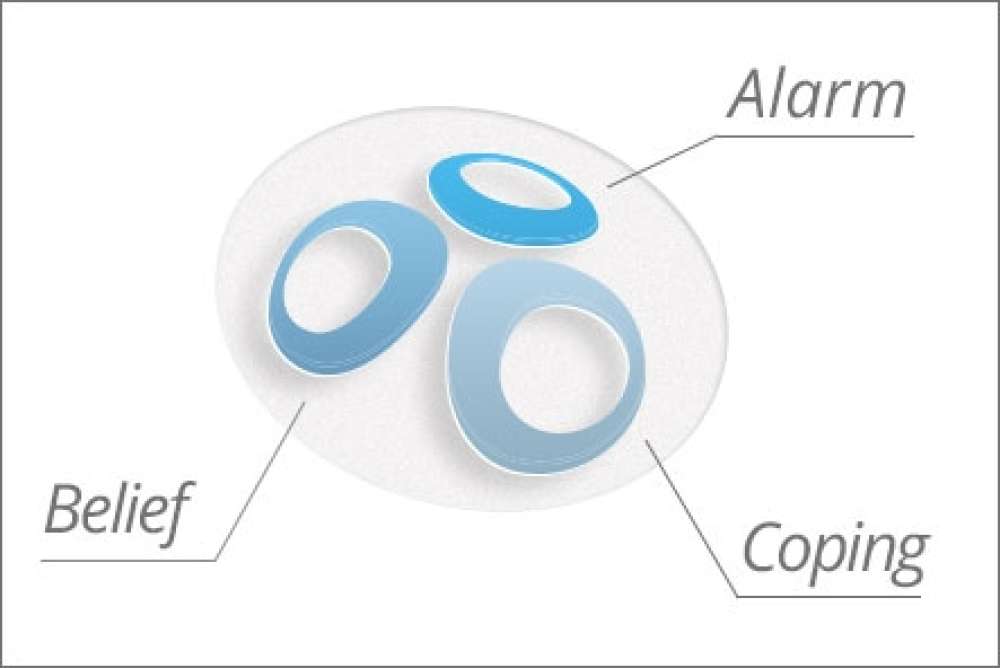
In an era characterized by rapid societal shifts and increasing environmental stressors, the prevalence of anxiety disorders has emerged as a primary concern for global public health officials. While basic literacy—the mastery of the ABCs—is a fundamental milestone in childhood development, mental health experts are increasingly advocating for a secondary form of literacy: the understanding of the "Anxiety ABCs." This framework, formalized through tools like the ABCtracker™, provides a structured methodology for identifying, monitoring, and mitigating the physiological and psychological triggers that characterize anxiety disorders. By deconstructing the experience of anxiety into three distinct phases—Alarm, Belief, and Coping—clinicians and patients are finding new pathways toward emotional regulation and long-term mental resilience.
The Global Burden of Anxiety and the Need for Systematic Tracking
Anxiety disorders represent the most common category of mental health conditions worldwide. According to the World Health Organization (WHO), an estimated 301 million people were living with an anxiety disorder in 2019, a number that saw a significant uptick following the global COVID-19 pandemic. In the United States, data from the National Institute of Mental Health (NIMH) suggests that nearly 19% of adults experience an anxiety disorder in any given year. Despite these high numbers, a significant "treatment gap" persists, where individuals either lack access to care or fail to recognize their symptoms as manageable clinical conditions.
The introduction of the ABCtracker™ framework aims to bridge this gap by providing a standardized vocabulary for the internal experience of distress. In a clinical setting, the ability of a patient to accurately describe their symptoms is paramount to the success of Cognitive Behavioral Therapy (CBT) and other evidence-based interventions. The ABC model serves as a diagnostic bridge, allowing users to move from a state of generalized "feeling bad" to a specific understanding of their cognitive and physiological patterns.
A Stands for Alarm: The Physiological Trigger System
The first component of the ABC framework is the "Alarm." From a biological perspective, the alarm is the body’s survival mechanism, primarily governed by the amygdala—the brain’s emotional processing center. This system evolved to protect humans from immediate physical threats, such as predators or environmental hazards, by triggering the "fight-or-flight" response. When the alarm sounds, the body releases a surge of adrenaline and cortisol, leading to increased heart rate, rapid breathing, and heightened sensory awareness.
However, in the context of modern anxiety disorders, this alarm system often becomes hypersensitive. Clinical psychologists refer to this as a "lowered threshold for threat detection." For an individual with generalized anxiety disorder (GAD) or panic disorder, the alarm may be triggered by non-threatening stimuli, such as a crowded room, a pending work deadline, or even a specific thought. The ABCtracker™ encourages users to document these alarms in real-time, noting the physical sensations and the environmental context in which they occur. By recognizing the "false alarms" for what they are—biological misfires rather than actual indicators of danger—individuals can begin to decouple the physiological sensation from the sense of impending doom.
B Stands for Belief: The Cognitive Filter
Once an alarm is triggered, the brain immediately attempts to interpret the signal. This interpretation phase is defined as "Belief." In the ABC model, beliefs are the rapid-fire cognitive assessments that determine how a person views the alarm. For those without clinical anxiety, an elevated heart rate might be dismissed as a result of too much caffeine or a flight of stairs. For those suffering from anxiety, the belief system often defaults to catastrophic thinking.
These beliefs are frequently "automatic thoughts"—subconscious patterns that have been reinforced over years of experience. For instance, a person might believe, "If my heart is racing, I must be having a heart attack," or "If I feel nervous about this meeting, it means I am going to fail and lose my job." These maladaptive beliefs act as fuel for the initial alarm, creating a feedback loop that sustains the state of anxiety.
Data tracking through the ABCtracker™ allows users to catch these beliefs as they happen. By writing them down, the user moves the thought from the reactive part of the brain to the analytical part of the brain (the prefrontal cortex). This process of "externalization" is a core tenet of modern psychology, enabling the individual to evaluate the validity of their beliefs against objective reality.
C Stands for Coping: The Behavioral Response
The final stage of the framework is "Coping," which encompasses the actions an individual takes in response to the alarm and the belief. Coping mechanisms are generally categorized into two groups: adaptive and maladaptive. Adaptive coping involves strategies that reduce anxiety in the long term, such as deep breathing, mindfulness, seeking social support, or cognitive reframing.
Conversely, maladaptive coping strategies are behaviors that provide immediate, short-term relief but reinforce the anxiety cycle over time. Common maladaptive strategies include avoidance (skipping the meeting that causes anxiety), substance use, or "safety behaviors" (compulsive checking or seeking constant reassurance). While these actions might quiet the alarm momentarily, they signal to the brain that the situation was indeed dangerous, thereby making the alarm more likely to trigger in the future.
The ABCtracker™ serves as a monitoring tool to distinguish between these two types of responses. By reviewing a history of coping actions, a healthcare professional can help a patient identify patterns of avoidance and replace them with more constructive, exposure-based techniques.
Chronology of Anxiety Management: From Psychoanalysis to Data-Driven Tools
The development of structured frameworks like the ABCtracker™ represents the culmination of over a century of psychological evolution. To understand the significance of this tool, one must look at the timeline of how anxiety has been managed:
- Early 20th Century (The Psychoanalytic Era): Anxiety was viewed largely through the lens of subconscious conflict. Treatment was long-term and focused on childhood experiences, often lacking immediate practical tools for symptom management.
- 1950s–1960s (The Behavioral Revolution): Psychologists began focusing on observable behaviors. This period saw the rise of exposure therapy, where patients were gradually introduced to their fears to desensitize the "Alarm" response.
- 1970s–1980s (The Cognitive Shift): Figures like Aaron Beck and Albert Ellis introduced the idea that thoughts (Beliefs) influence feelings and behaviors. This led to the creation of CBT, which is currently the gold standard for anxiety treatment.
- 2000s–Present (The Digital and Data Era): With the advent of smartphones and wearable technology, the focus has shifted toward real-time monitoring. The ABCtracker™ is a product of this era, moving therapy out of the weekly 50-minute session and into the patient’s daily life.
Supporting Data: The Efficacy of Self-Monitoring
Empirical evidence consistently supports the use of self-monitoring in the treatment of anxiety. A meta-analysis published in the Journal of Consulting and Clinical Psychology found that patients who utilized daily mood and trigger tracking showed a significantly greater reduction in symptoms compared to those who relied on memory during therapy sessions.
Furthermore, the economic implications of untreated anxiety are staggering. A study by the American Psychiatric Association (APA) estimated that anxiety disorders cost the U.S. economy more than $42 billion a year, nearly one-third of the country’s total mental health bill. Much of this cost is attributed to "presenteeism"—where employees are physically present but their productivity is severely limited by mental distress—and unnecessary emergency room visits for physical symptoms that are actually manifestations of anxiety. Tools that empower individuals to manage their ABCs can, therefore, be seen as a vital component of economic as well as psychological health.
Professional Perspectives and Clinical Implications
Medical professionals emphasize that while the ABCtracker™ is a powerful self-help tool, it is most effective when integrated into a broader clinical treatment plan. Dr. Elena Rodriguez, a clinical psychologist specializing in anxiety disorders, notes that "the value of the ABC framework lies in its ability to demystify the experience of panic. When a patient can look at their data and see that their ‘Alarm’ was triggered by a specific ‘Belief’ that turned out to be false, the anxiety loses its power over them."
Physicians also point out that tracking can help differentiate between psychological anxiety and underlying medical conditions. Symptoms of anxiety, such as palpitations or shortness of breath, can mimic thyroid issues or cardiac arrhythmias. A detailed log of triggers and responses can provide doctors with the necessary context to make more accurate diagnoses.
Broader Impact: The Future of Mental Health Literacy
The broader implication of the ABCtracker™ and the ABCs of Anxiety is the democratization of mental health care. By simplifying complex psychological concepts into an accessible format, these tools lower the barrier to entry for those seeking help. As mental health literacy becomes as fundamental as traditional literacy, the stigma surrounding anxiety continues to diminish.
In the workplace, many HR departments are now incorporating ABC-style frameworks into their wellness programs. By encouraging employees to recognize their "Alarms" and evaluate their "Beliefs," companies are fostering more resilient workforces. In educational settings, introducing the ABCs of Anxiety to students can provide them with a lifelong toolkit for emotional regulation, potentially preventing the development of chronic disorders later in life.
The transition from a passive sufferer of anxiety to an active "master of the ABCs" marks a significant shift in the patient-provider dynamic. It moves the individual from a position of being overwhelmed by unpredictable emotions to a position of agency and insight. As digital tools continue to evolve, the integration of biometric data—such as heart rate variability (HRV) and sleep patterns—with the ABCtracker™ framework promises an even more nuanced understanding of the human stress response. In the final analysis, mastering the ABCs of anxiety is not about eliminating the "Alarm" entirely, but about building the cognitive and behavioral infrastructure to respond to it with clarity and confidence.