 admin
admin
The human intestinal tract, a complex and dynamic ecosystem, serves as the primary interface between our internal bodies and the external environment. This vast barrier, stretching over 25 feet, is crucial for selective absorption of nutrients and the exclusion of harmful substances. When this intricate defense system is compromised, a condition often referred to as "leaky gut" or increased intestinal permeability, it can lead to a cascade of adverse health effects, including chronic systemic inflammation. Emerging scientific understanding points towards diet as a pivotal factor in both the development and mitigation of this condition.
The Western Diet’s Toll on Intestinal Integrity
The prevalence of modern dietary patterns, particularly the Standard American Diet (SAD) or Western diet, has been implicated as a significant contributor to gut dysbiosis. This dietary pattern, typically characterized by high intake of processed foods, refined sugars, unhealthy fats, and low fiber, can disrupt the delicate balance of the gut microbiome. This imbalance, known as dysbiosis, can trigger inflammation within the intestinal lining, weakening the tight junctions between epithelial cells. Consequently, undigested food particles, toxins, and even microbial components can permeate the gut barrier and enter the bloodstream, initiating a chronic inflammatory response throughout the body.
Recent studies underscore the impact of diet on gut health. Research published in Gut Microbes in 2019 (PMID: 31717475) highlighted how Western dietary patterns can lead to reduced microbial diversity and an increase in pro-inflammatory metabolites, directly contributing to a compromised intestinal barrier. This phenomenon is not merely theoretical; it has tangible consequences for overall health, potentially linking to a wide range of chronic diseases.
The Power of Plants: A Vegetarian Diet for Gut Resilience
In contrast to the detrimental effects of the Western diet, a predominantly vegetarian or plant-based dietary approach appears to foster a healthier intestinal environment. Scientific evidence suggests that the gut bacteria of individuals adhering to vegetarian diets are associated with a more balanced microbiome, greater bacterial biodiversity, and a stronger intestinal barrier.
A key mechanism behind this protective effect lies in the high fiber content of plant-based foods. Fiber serves as the primary fuel source for beneficial gut microbes, enabling them to produce short-chain fatty acids (SCFAs). SCFAs, such as butyrate, acetate, and propionate, play a crucial role in nourishing the cells lining the colon, bolstering their structure and function. Butyrate, in particular, is a preferred energy source for colonocytes and has been shown to reduce inflammation and promote the repair of the intestinal lining.
Furthermore, vegetarians tend to exhibit lower levels of uremic toxins, such as indole and p-cresol. These compounds are byproducts of protein fermentation in the gut and have been linked to inflammation and various chronic diseases. By promoting the fermentation of fiber, plant-based diets effectively shift the metabolic landscape of the gut microbiome away from the production of these harmful substances.

A meta-analysis published in the American Journal of Clinical Nutrition in 2019 (PMID: 30782617) reviewed multiple studies and found consistent associations between vegetarian diets and a healthier gut microbiome profile, including increased abundance of fiber-degrading bacteria and higher SCFA production. This collective evidence strongly supports the notion that embracing plant-rich foods is a cornerstone of maintaining robust intestinal barrier function.
Fiber’s Direct Impact on Intestinal Permeability
The critical role of dietary fiber in maintaining intestinal integrity has been further elucidated through targeted research. A study involving individuals with non-alcoholic fatty liver disease (NAFLD) demonstrated significant improvements in gut health following a six-month dietary intervention rich in whole grains, beans, lentils, fruits, vegetables, nuts, and seeds. A key indicator of this improvement was a reduction in zonulin levels.
Zonulin is a protein that regulates the permeability of the intestinal barrier by affecting the tight junctions between epithelial cells. Elevated zonulin levels are considered a direct biomarker of increased intestinal permeability, or a "leaky gut." The observed decrease in zonulin in the NAFLD study participants, following the introduction of a plant-heavy diet, strongly suggests that adequate fiber intake plays a vital role in preserving the structural integrity and functional efficiency of the intestinal barrier.
While the initial NAFLD study provided compelling correlational evidence, researchers acknowledged the need for more rigorous study designs to establish a definitive cause-and-effect relationship. The absence of a control group in that particular study meant that while fiber intake appeared beneficial, isolating its effect from other beneficial components of whole plant foods was challenging.
Randomized Controlled Trials Confirm Fiber’s Efficacy
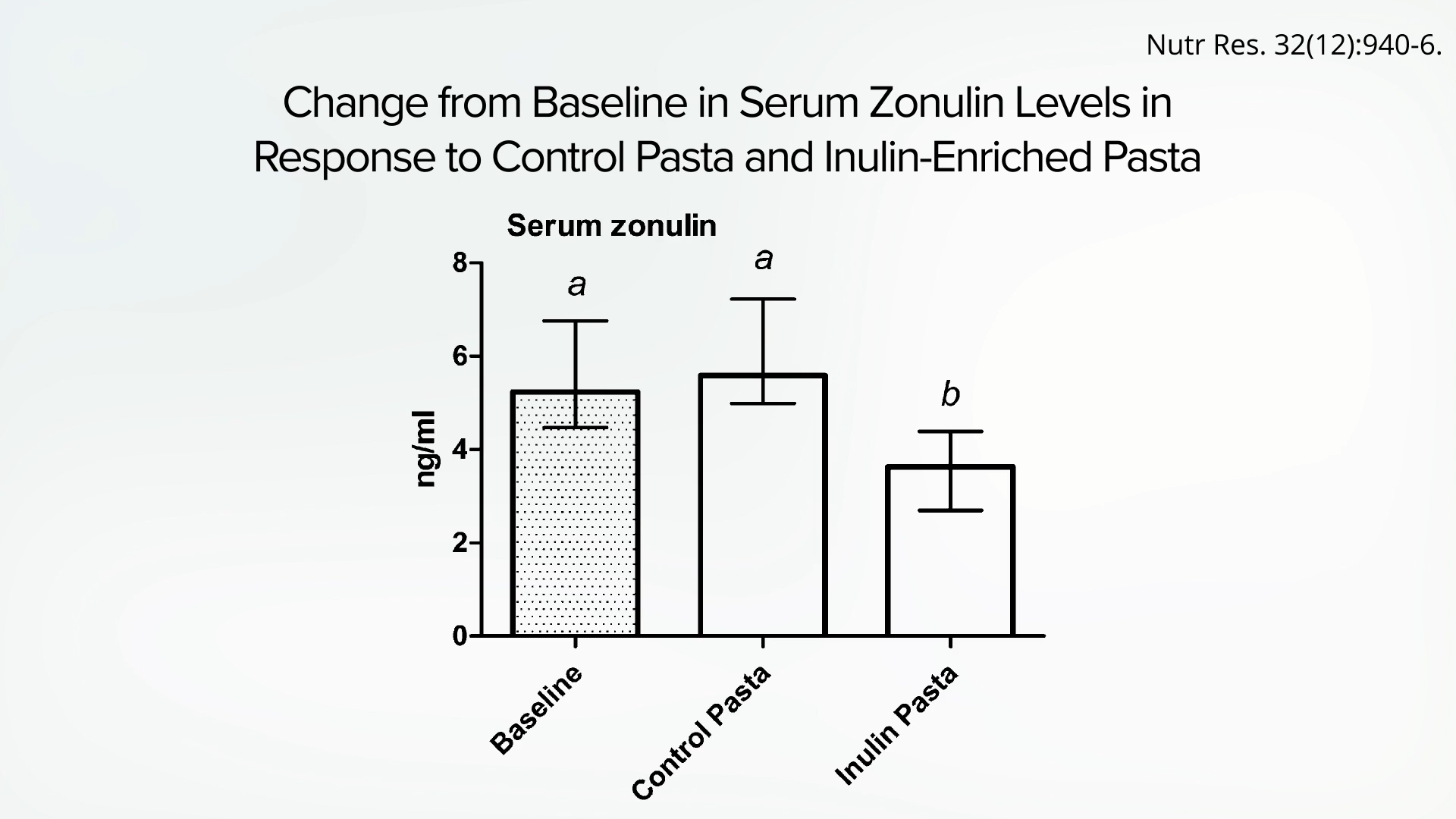
To address this scientific gap, a randomized, double-blind, crossover study provided conclusive evidence for fiber’s direct impact on gut permeability. In this research, healthy young men were assigned to consume pasta with or without added fiber. The results were striking: the group that consumed pasta with added fiber exhibited a significant reduction in zonulin levels compared to their baseline measurements and the control group. This finding, detailed in a 2013 study published in PLoS One (PMID: 23244539), unequivocally demonstrated that dietary fiber can indeed improve gut leakiness. This study design, considered the gold standard in clinical research, allows for the isolation of the effect of fiber, free from confounding variables and participant bias.
The implications of this finding are substantial. It provides a clear, actionable dietary strategy for individuals seeking to enhance their intestinal barrier health. Increasing the intake of fiber-rich foods, such as whole grains, legumes, fruits, and vegetables, can be a direct and effective approach to managing and preventing leaky gut.
Beyond Fiber: Specific Plant-Derived Compounds and Nutrients
While fiber is a paramount component, certain plant-derived compounds and essential nutrients also contribute significantly to intestinal barrier health.
Curcumin: The vibrant yellow pigment found in turmeric, curcumin, has demonstrated promising protective effects. In animal studies, curcumin has been shown to prevent intestinal damage induced by non-steroidal anti-inflammatory drugs (NSAIDs) like ibuprofen. A human study, albeit on a smaller scale, investigated the effects of three days of turmeric consumption (equivalent to 2-3 teaspoons daily) and found a reduction in markers of gastrointestinal barrier damage and inflammation triggered by exercise. While further human trials are needed to confirm optimal dosages and long-term effects, these findings suggest curcumin’s potential as a gut-protective agent.
Sulforaphane: This compound, abundant in cruciferous vegetables like broccoli, has also shown protective capabilities. Research in mice indicated that sulforaphane could offer similar protection against intestinal damage as observed with curcumin. While human studies specifically on broccoli and gut permeability are still emerging, the preclinical data suggests a role for these vegetables in maintaining gut health.
Zinc: Often cited by alternative medicine practitioners as a primary treatment for leaky gut, zinc plays a crucial role in maintaining cellular integrity and immune function. Research has shown that zinc can protect against drug-induced intestinal damage in rats. A randomized trial in healthy adults further supported this, where zinc supplementation prevented a significant rise in gut permeability caused by the NSAID indomethacin.
However, the dose used in that specific trial was exceptionally high (75 mg per day), far exceeding the tolerable upper daily intake for zinc. Subsequent research has indicated that even much lower doses of zinc can be effective. A study published in the Journal of Nutritional Biochemistry in 2015 (PMID: 25520366) found significant improvements in gut leakiness with a dose as low as 3 mg of zinc. This suggests that dietary sources of zinc, or modest supplementation, could be beneficial. For context, a cup (200g) of cooked lentils provides approximately 3 mg of zinc, highlighting how readily available adequate zinc levels can be through a balanced diet.
Broader Implications and Future Directions
The growing body of scientific evidence points towards a paradigm shift in how we approach gut health. Moving away from processed and inflammatory diets and embracing whole, plant-based foods is not just a dietary preference but a powerful therapeutic strategy. The implications extend beyond individual well-being, potentially impacting the management and prevention of a wide array of chronic inflammatory conditions, including inflammatory bowel disease (IBD), autoimmune disorders, and even metabolic syndrome.
While the research presented offers a robust foundation for dietary recommendations, ongoing studies continue to explore the intricate mechanisms by which specific foods and nutrients interact with the gut microbiome and intestinal barrier. Future research may focus on personalized nutrition approaches, identifying individual responses to different dietary interventions and developing tailored strategies for optimal gut health.
The consistent findings across various studies, from observational data on vegetarian diets to randomized controlled trials on fiber and zinc, underscore a clear message: our diet profoundly influences the integrity of our intestinal barrier. By prioritizing nutrient-dense, whole plant foods, we can actively nourish our gut microbiome, strengthen our intestinal defenses, and pave the way for improved overall health and well-being. This proactive approach to dietary management offers a promising avenue for preventing and treating conditions linked to increased intestinal permeability, empowering individuals to take control of their digestive health.