
 admin
admin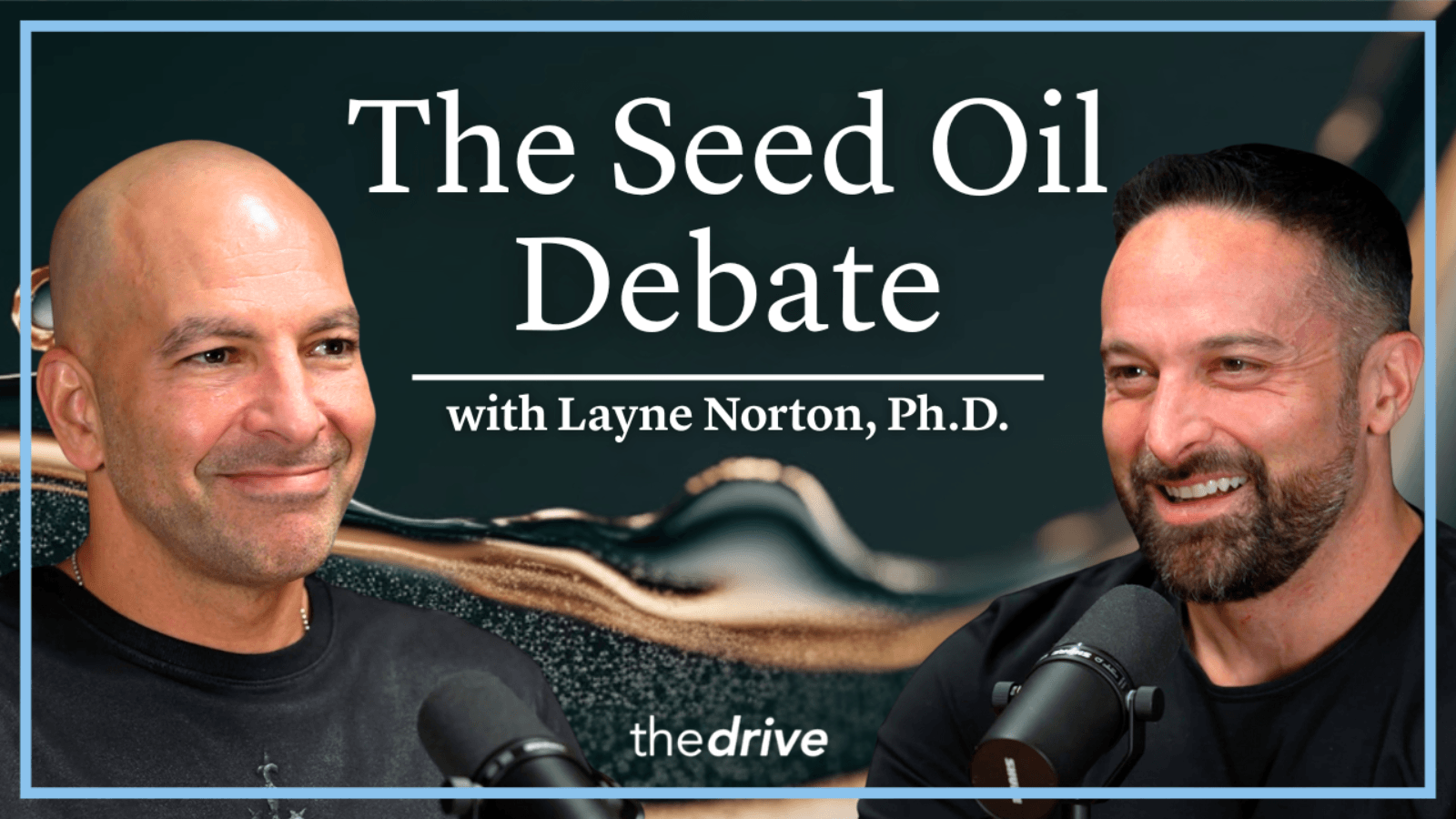
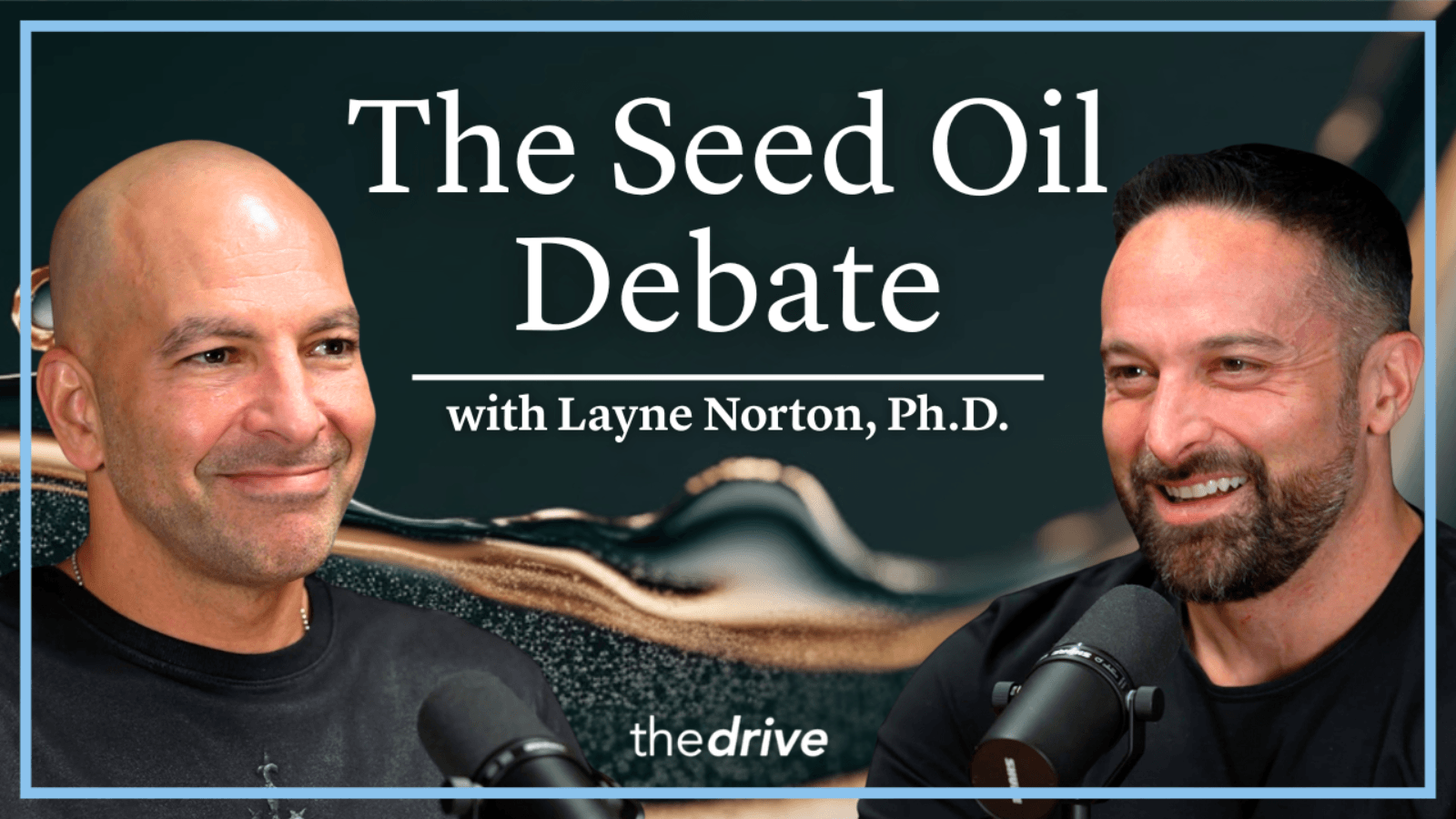
In a recent and highly anticipated episode of the medical and longevity-focused podcast The Drive, host Dr. Peter Attia engaged in an in-depth technical discussion with nutrition scientist and professional powerlifter Layne Norton, Ph.D., to address one of the most contentious topics in modern dietetics: the safety and health impact of seed oils. The conversation, which marks a departure from the show’s traditional interview format, utilized a "steelman" approach, where both parties sought to represent the strongest possible versions of opposing arguments to determine whether seed oils—specifically refined vegetable oils high in linoleic acid—are inherently harmful to human health.
The debate over seed oils, such as soybean, corn, and canola oil, has moved from niche nutritional circles into the mainstream, fueled largely by social media discourse and the "ancestral health" movement. While critics argue these oils are pro-inflammatory and drive the modern epidemic of chronic disease, Dr. Norton presented a rigorous, evidence-based case suggesting that seed oils are not uniquely harmful when caloric intake is controlled. The discussion provided a comprehensive overview of the chemistry, history, and clinical data surrounding these fats, situating the controversy within the broader landscape of cardiometabolic health and the scientific method.
The Experts and the Evolution of the Debate
Layne Norton, who holds a Ph.D. in Nutritional Sciences from the University of Illinois, has built a career on bridging the gap between high-level biochemistry and practical application in physique and strength sports. Known for his "BioLayne" platform, Norton has become a prominent figure in debunking nutritional misinformation. During the episode, Norton disclosed his own biases, noting that while his academic background and research funding are rooted in high-quality animal protein, his shift in perspective regarding seed oils was driven by a commitment to the evolving body of scientific evidence.
Dr. Peter Attia, a physician specializing in the science of longevity, framed the conversation by acknowledging the four primary arguments typically leveled against seed oils. These include the "evolutionary mismatch" argument, which posits that humans are not biologically adapted to consume high levels of linoleic acid; the "pro-inflammatory" hypothesis; the "oxidative stress" concern regarding LDL particles; and the association between seed oils and the rise of ultra-processed foods. By exploring these pillars, the duo aimed to move past the "information silos" that often characterize nutritional debates on social media.
Historical Context and the Rise of Seed Oils
To understand the current controversy, one must look at the shift in global fat consumption over the last century. Prior to the early 1900s, human fat intake was dominated by animal fats like lard, tallow, and butter. The introduction of Proctor & Gamble’s Crisco in 1911, followed by the industrial-scale refining of soybean and corn oils, radically altered the Western lipid profile.
During the mid-20th century, the "Diet-Heart Hypothesis," championed by Ancel Keys, suggested that saturated fats increased cholesterol and led to heart disease. This led to a public health push to replace saturated animal fats with polyunsaturated vegetable oils (PUFAs). However, modern critics argue that this shift coincided with a surge in obesity and metabolic syndrome, leading many to conclude that seed oils were the primary driver. Norton and Attia revisited this chronology, noting that while the correlation exists, it does not necessarily imply causation, especially when considering the simultaneous rise in total caloric intake and sedentary lifestyles.
The Mechanics of Isocaloric Comparison
A central theme of the discussion was the importance of "isocaloric conditions" in nutritional research. Norton argued that many studies demonizing seed oils fail to account for total energy balance. In controlled clinical settings where participants consume the same number of calories, replacing saturated fats with polyunsaturated seed oils often results in improved lipid profiles, specifically a reduction in low-density lipoprotein (LDL) cholesterol.
Norton emphasized that the "harm" often attributed to seed oils in observational studies is frequently a byproduct of the foods they are found in. In the standard American diet, seed oils are almost exclusively consumed within ultra-processed foods—items that are hyper-palatable, high in refined carbohydrates, and easy to overconsume. When researchers isolate the oils themselves in a controlled diet, the purported "poisonous" effects often vanish.
Deconstructing the Oxidative Stress and LDL Hypothesis
One of the more technical segments of the conversation focused on the mechanistic biology of atherosclerosis. The anti-seed oil argument suggests that linoleic acid (an omega-6 fatty acid) is highly susceptible to oxidation. When these oxidized fats are incorporated into LDL particles, they are thought to make the LDL more "atherogenic" or likely to form plaques in the arteries.
Norton and Attia examined the evidence for this mechanism, acknowledging that while PUFAs are indeed more prone to oxidation in a lab setting than saturated fats, the human body has complex antioxidant systems to manage this. Furthermore, clinical data consistently shows that replacing saturated fats with PUFAs lowers the total number of ApoB-containing particles (the primary drivers of heart disease). Norton argued that the benefit of lowering the total number of LDL particles far outweighs the theoretical risk of increased particle oxidation.
The Four Core Arguments Against Seed Oils
During the "steelmanning" portion of the episode, Attia laid out the most robust versions of the arguments against seed oils to see how they stood up to Norton’s scrutiny:
- The Evolutionary Argument: Humans did not consume large quantities of seed oils for the vast majority of our evolution. Critics argue our genes are "mismatched" for this modern fuel source. Norton countered by noting that humans have successfully adapted to a wide variety of diets and that "natural" does not always equate to "optimal" for longevity.
- The Pro-Inflammatory Argument: Omega-6 fatty acids are precursors to pro-inflammatory signaling molecules (eicosanoids). Norton pointed out that linoleic acid also produces anti-inflammatory molecules and that human randomized controlled trials (RCTs) generally show no increase in inflammatory markers like C-reactive protein (CRP) when seed oil intake is increased.
- The Processing Argument: The high-heat refining, bleaching, and deodorizing process of seed oils creates harmful byproducts like trans fats or 4-HNE. Norton noted that while these byproducts exist, they are present in such minute quantities in modern refined oils that they do not appear to reach toxicological significance in humans.
- The Correlation with Obesity: The rise of seed oils tracks perfectly with the rise of obesity. Norton argued this is a classic "confounding" variable, as seed oils are a cheap, shelf-stable ingredient in the very foods that drive overeating.
Evaluating the Strength of Evidence
The conversation delved into the hierarchy of scientific evidence, discussing historical randomized controlled trials such as the Minnesota Coronary Experiment and the Sydney Diet Heart Study. These trials are often cited by seed oil critics because they showed increased mortality in groups that replaced saturated fat with vegetable oils.
However, Norton provided a nuanced critique of these studies. In the Sydney study, for instance, the "vegetable oil" used was actually a margarine that contained significant amounts of trans fats—a substance now universally recognized as harmful. In the Minnesota experiment, the "control" group had their diets changed in ways that made a direct comparison difficult. Norton argued that when looking at the totality of the evidence—including meta-analyses of dozens of trials—the trend consistently favors polyunsaturated fats for heart health.

Practical Considerations and Lifestyle Factors
In concluding the discussion, Norton offered practical advice for consumers. He suggested that while seed oils are not the "toxins" they are often portrayed to be, the context of their consumption matters. Cooking with stable fats (like olive oil or avocado oil) is sensible for high-heat applications, but the primary goal for most individuals should be the reduction of ultra-processed foods rather than the obsessive avoidance of specific oils.
Norton emphasized that the focus on seed oils often distracts from the "big rocks" of health: maintaining a healthy weight, exercising, getting adequate sleep, and managing total caloric intake. By vilifying a single ingredient, the public may lose sight of the fact that a diet high in soybean oil is usually a diet high in excess calories and low in fiber and micronutrients.
Broader Impact and Scientific Integrity
The episode serves as a significant contribution to the field of public health communication. By addressing the "talking past each other" phenomenon common in digital spaces, Attia and Norton modeled a form of discourse that prioritizes data over dogma. The analysis suggests that the "seed oil subculture" may be reacting more to the industrialization of the food system than to the specific biochemistry of the oils themselves.
For the medical community, the discussion underscores the need for "converging lines of evidence." Norton argued that we cannot rely solely on mechanistic "test tube" studies or observational "lifestyle" surveys. Instead, scientists must look for where the mechanisms, the epidemiology, and the randomized trials intersect. In the case of seed oils, the intersection currently suggests that they are a neutral to beneficial component of the human diet when they replace saturated fats and are consumed within the context of energy balance.
As nutritional science continues to evolve, this dialogue highlights the importance of intellectual humility. As Norton admitted during the show, he once held many of the "anti-seed oil" views himself but changed his stance as the quality of data improved. This commitment to evidence-based thinking remains the cornerstone of modern preventive medicine and longevity.