admin
admin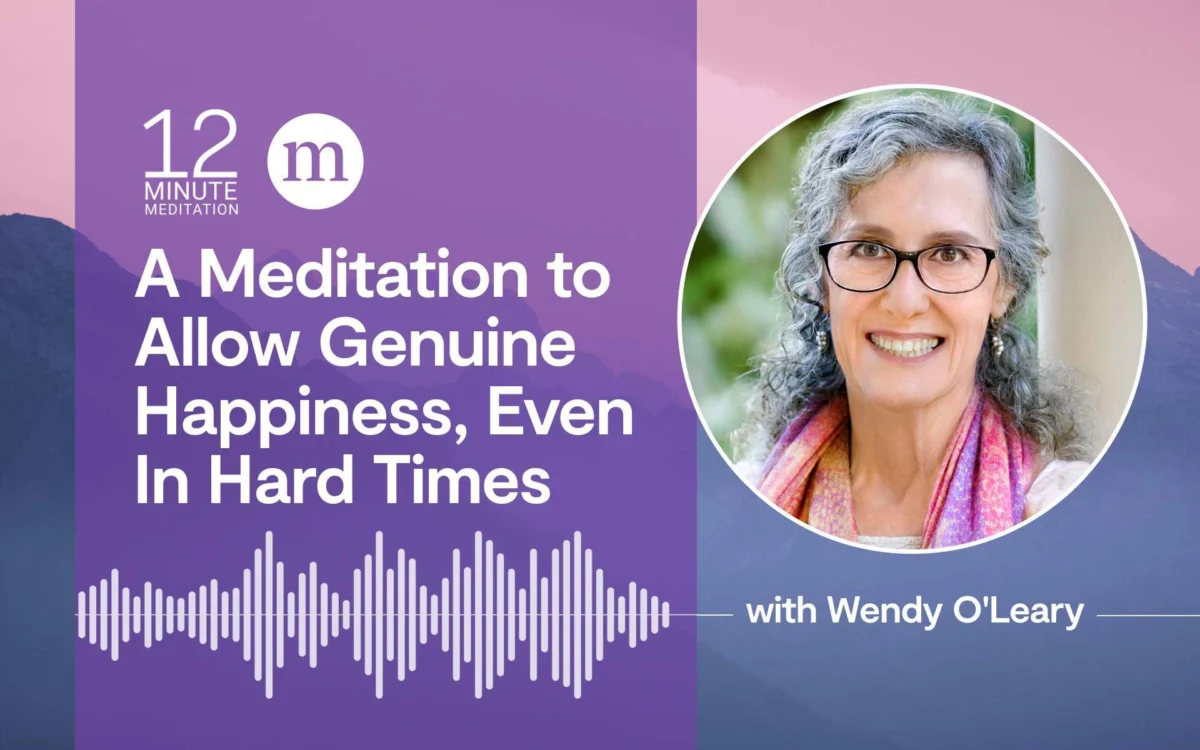
Accessing real happiness when we are struggling can feel impossible—but it’s also a key to our recovery, healing, and well-being. The human experience is replete with periods of profound challenge, from personal loss and illness to widespread societal crises and global anxieties. During these difficult seasons, either individually or as witnesses to the pain of others, our relationship with genuine joy or happiness often becomes complicated and confusing. Happiness can feel frustratingly out of reach, or it can even evoke a sense of betrayal, as if experiencing positive emotions is something we do not "deserve" when hardship prevails. This perceived incongruity between suffering and joy often leads individuals to suppress or dismiss moments of lightness, inadvertently hindering their own capacity for healing and sustained well-being.
However, a growing body of psychological research and mindfulness practices suggests that strengthening our ability to notice, acknowledge, and even deliberately "soak in" moments of beauty, tenderness, connection, and gratitude can have a profoundly fortifying effect. This intentional cultivation of positive emotions is not about denying or minimizing pain, but rather about building a crucial emotional reserve. It serves to enhance our resilience, replenish depleted emotional resources, and ultimately foster personal healing, thereby enabling us to show up more effectively and empathetically for others who are also struggling. Renowned teacher and author Wendy O’Leary, M.Ed., a certified mindfulness teacher and self-compassion advocate, has championed this approach, offering guided practices designed to attune our attention to the reality of subtle joys that shimmer alongside our most genuine seasons of struggle. Her work emphasizes that happiness is not merely accessible once basic needs are met or crises resolved, but is, in fact, an essential component for our well-being and resilience throughout the entire journey.
The Paradox of Pain and Pleasure: Understanding Emotional Complexity
The human mind often defaults to an "either/or" framework, particularly when confronted with intense emotions. We tend to believe that we can either be sad or happy, grieving or joyful, struggling or thriving. This binary thinking is exacerbated by societal narratives that often glorify stoicism in the face of adversity or, conversely, promote a form of "toxic positivity" that invalidates authentic suffering. When individuals are grappling with significant personal challenges—be it chronic illness, financial instability, relationship breakdown, or the weight of global issues like climate change or geopolitical conflicts—the idea of seeking or even allowing happiness can feel alien or even morally wrong. This sentiment is often articulated in questions such as, "How can I even think about being happy when I’m having such a hard time right now?" or "How can I be happy when there is so much suffering in the world?"
This internal conflict stems from a misunderstanding of emotional complexity. Psychological studies confirm that humans are capable of holding multiple, seemingly contradictory emotions simultaneously. This concept, known as "co-occurrence of positive and negative emotions," is fundamental to healthy emotional processing and resilience. Research by psychologists like Susan David, author of "Emotional Agility," highlights the importance of acknowledging all emotions without judgment, rather than attempting to suppress uncomfortable feelings or force positive ones. When we dismiss moments of joy or connection because we feel undeserving, we are not only prolonging our suffering but also denying ourselves vital psychological resources needed for recovery. The struggle to reconcile pain with pleasure is a natural human tendency, but understanding that "both can be true"—that things can be hard and we might also be able to touch some happiness in life—is a critical step towards genuine healing and growth. This nuanced perspective forms the bedrock of practices advocated by O’Leary and others who promote mindful engagement with the full spectrum of human experience.
The Science of Resilience: How Positive Emotions Fortify Us
The notion that positive emotions can actively fortify us, even in the midst of adversity, is not merely anecdotal; it is firmly rooted in scientific inquiry, particularly within the field of positive psychology. Pioneering research by Dr. Barbara Fredrickson and her "broaden-and-build theory" of positive emotions posits that unlike negative emotions (which tend to narrow our thought-action repertoires, e.g., fear leads to fight-or-flight), positive emotions like joy, interest, contentment, and love broaden our momentary thought-action repertoires. This broadening effect helps individuals discover novel and creative ways of thinking and acting. Over time, these broadened repertoires build enduring personal resources, including physical resources (e.g., improved health), intellectual resources (e.g., enhanced problem-solving skills), social resources (e.g., stronger relationships), and psychological resources (e.g., increased optimism and resilience).
Neurobiological studies further support this theory. Engaging with positive experiences, even small ones, has been shown to activate brain regions associated with reward and well-being, such as the prefrontal cortex and the limbic system. These activations can lead to the release of neurotransmitters like dopamine and serotonin, which are crucial for mood regulation, motivation, and stress reduction. For instance, studies on gratitude practices have demonstrated measurable changes in brain structure and function, leading to reduced cortisol levels (the stress hormone) and enhanced immune function. A 2015 study published in Psychological Science found that individuals who regularly practice gratitude experience greater overall well-being and report fewer physical symptoms of illness. Similarly, mindfulness meditation, which encourages present-moment awareness and non-judgmental acceptance, has been linked to increased gray matter density in areas of the brain associated with emotional regulation, learning, and memory.
This scientific understanding underpins the argument that cultivating positive emotions during struggle is not a frivolous distraction but a strategic psychological intervention. It helps individuals develop greater emotional regulation, improved coping mechanisms, and enhanced cognitive flexibility—all vital components of resilience. By actively seeking and savoring moments of beauty, connection, and gratitude, individuals are essentially engaging in a form of mental training that strengthens their capacity to navigate future challenges more effectively. This resilience is crucial not only for personal recovery but also for enabling individuals to offer support to others, thereby creating a ripple effect of well-being within communities.
A Historical and Evolving Perspective on Happiness and Adversity
The human quest for happiness and understanding its relationship with suffering is a timeless endeavor, explored across millennia by philosophers, spiritual leaders, and, more recently, scientists. Ancient philosophical traditions, such as Stoicism, emphasized the importance of equanimity and acceptance of what cannot be controlled, teaching that true happiness (eudaimonia) comes from virtue and living in accordance with nature, rather than from external circumstances. Epicureanism, while often misinterpreted, advocated for a life of tranquility and freedom from pain (ataraxia), found through moderation and intellectual pursuits rather than excessive indulgence. These traditions, while not explicitly promoting "happiness in struggle" in the modern sense, laid groundwork for understanding inner states as crucial determinants of well-being, irrespective of external hardship.
The modern scientific exploration of happiness truly gained momentum in the late 20th century with the emergence of positive psychology. Traditionally, psychology had focused predominantly on pathology—diagnosing and treating mental illness. However, figures like Martin Seligman, often considered the father of positive psychology, shifted the paradigm. In his 1998 presidential address to the American Psychological Association, Seligman called for a science that would also focus on human strengths and optimal functioning, rather than solely on deficits. This movement gave rise to extensive research into concepts like gratitude, optimism, flow, character strengths, and, crucially, resilience—the ability to bounce back from adversity.
In the contemporary landscape, the relevance of this shift has only intensified. The 21st century has brought unprecedented global challenges, including pandemics, economic instability, climate anxiety, and an always-on digital culture that can foster comparison and a sense of perpetual inadequacy. Data from organizations like the World Health Organization (WHO) consistently report rising rates of anxiety and depression globally, exacerbated by these pervasive stressors. For instance, the WHO reported a 25% increase in the prevalence of anxiety and depression worldwide in the first year of the COVID-19 pandemic alone. In such an environment, the proactive cultivation of positive emotions is not merely a philosophical luxury but a practical necessity for mental health. The understanding that happiness can be cultivated and integrated into daily life, even when external circumstances are dire, represents a critical evolution in our approach to well-being, moving beyond mere survival to thriving.
Mindfulness as a Gateway: Wendy O’Leary’s Gentle Invitation
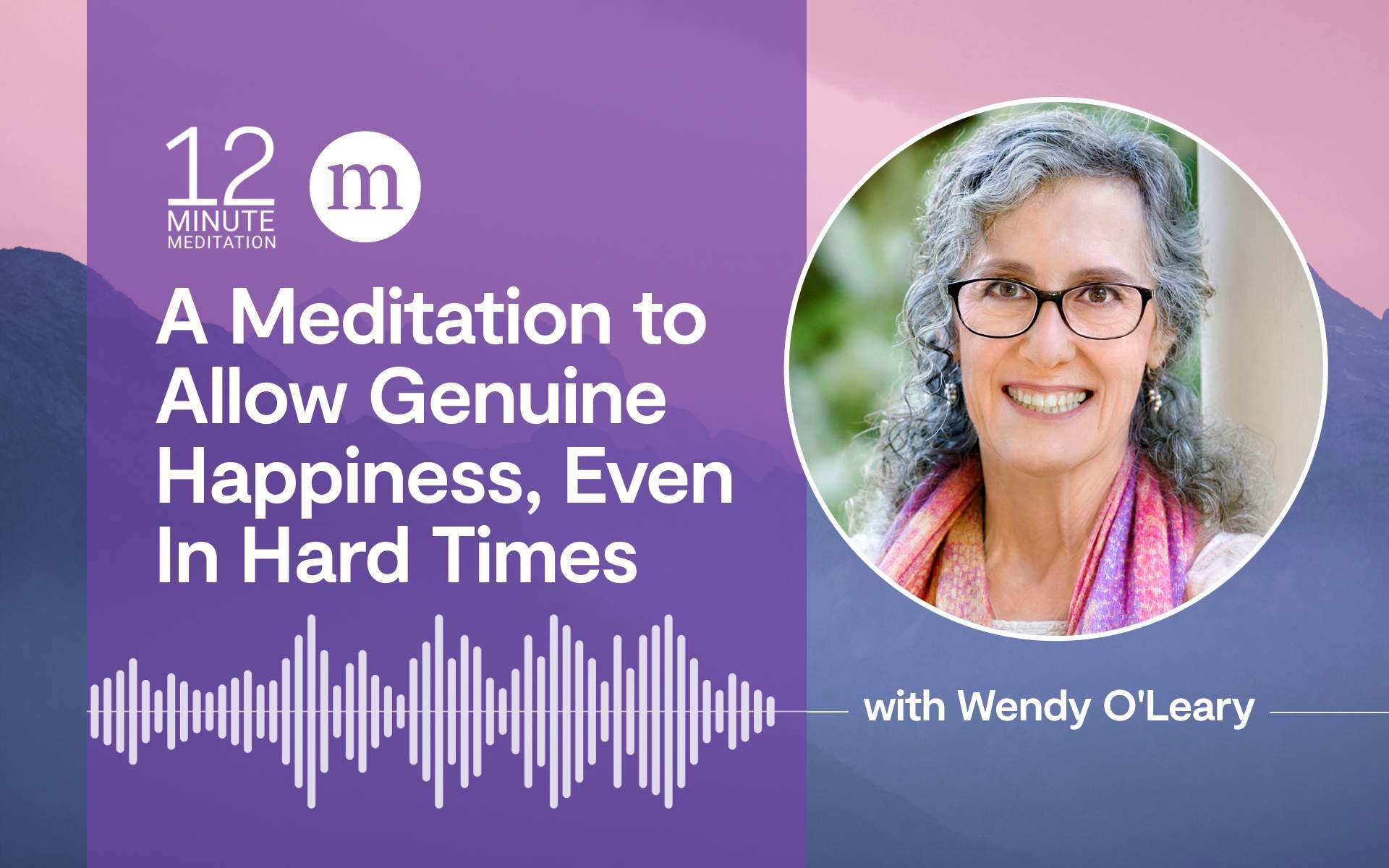
Within this evolving understanding, mindfulness practices have emerged as a particularly potent gateway to integrating genuine happiness amidst hardship. Wendy O’Leary, a prominent voice in mindfulness education and self-compassion, encapsulates this approach with her "gentle invitation" to make space for the good, even when things are hard. Her work is explicitly not an encouragement to suppress or push down difficult emotions, which would be counterproductive and unhealthy. Instead, it is about expanding one’s capacity to hold both the challenging and the nurturing aspects of life simultaneously, recognizing that this dual awareness enhances overall well-being and emotional capacity.
O’Leary’s guided practice, "A Meditation to Allow Genuine Happiness, Even In Hard Times," draws inspiration from established techniques, notably Rick Hanson’s practice of "taking in the good." Dr. Hanson, a neuropsychologist and author, emphasizes the brain’s "negativity bias"—its evolutionary tendency to notice and remember threats and negative experiences more readily than positive ones. To counteract this bias, Hanson developed the practice of deliberately "taking in the good," which involves a simple four-step process:
- Have a positive experience: Notice something pleasant, satisfying, or meaningful, no matter how small.
- Enrich it: Linger on the experience for 10-20 seconds or more. Let it fill your body and mind.
- Absorb it: Intend for the experience to sink into you, like water into a sponge. Feel it become a part of you.
- Link it (optional but powerful): If you’re struggling, bring to mind something that bothers you and then gently infuse it with the positive feeling you’ve absorbed, creating a sense of inner resourcefulness.
O’Leary adapts this foundational practice by focusing on tuning attention to the "reality that shimmers right alongside our genuine seasons of struggle." Her meditation aims to cultivate an internal environment where moments of beauty, tenderness, connection, and gratitude are not just noticed but deeply felt and integrated. For example, during a period of intense grief, one might still notice the warmth of a sunbeam, the kindness of a friend’s gesture, or the beauty of a bird’s song. The practice is not to pretend the grief isn’t there, but to allow these small, positive experiences to register and, in doing so, gently replenish the emotional reserves needed to navigate the grief itself. This intentional savoring helps to build neural pathways that favor positive emotional processing, gradually enhancing an individual’s innate capacity for happiness and resilience. It is a proactive, gentle self-care strategy that acknowledges the reality of suffering while simultaneously nurturing the seeds of joy and contentment.
The Broader Implications: Individual and Societal Well-being
The implications of embracing genuine happiness, even in hard times, extend far beyond individual psychological well-being, touching upon broader societal health, public policy, and collective resilience. On an individual level, the consistent practice of cultivating positive emotions is a powerful antidote to the corrosive effects of chronic stress and adversity. Research consistently links such practices to reduced symptoms of anxiety and depression, improved sleep quality, and a greater sense of life satisfaction. Moreover, it fosters post-traumatic growth, a phenomenon where individuals not only recover from traumatic experiences but also emerge stronger, with a deeper appreciation for life, changed priorities, and enhanced personal relationships. This is not to say that trauma is desirable, but that the human spirit possesses an inherent capacity for growth even from the most challenging circumstances, a capacity often unlocked by the integration of positive emotional experiences.
From a societal perspective, a populace equipped with the tools to find and hold onto moments of happiness amidst collective struggle contributes significantly to community resilience. In times of widespread crisis—such as natural disasters, pandemics, or economic downturns—communities where individuals can maintain a degree of emotional stability and draw upon internal resources are better positioned to cope, collaborate, and rebuild. This collective resilience translates into stronger social cohesion, increased volunteerism, and a more adaptive public response to ongoing challenges. Public health initiatives, recognizing these benefits, are increasingly incorporating mindfulness and gratitude practices into wellness programs, from schools to workplaces and healthcare settings. For example, programs promoting emotional literacy and resilience training are being implemented in educational curricula to equip younger generations with these vital life skills from an early age.
Furthermore, there are tangible economic implications. A mentally resilient workforce, capable of navigating stress without succumbing to burnout or severe mental health issues, contributes to higher productivity, reduced absenteeism, and lower healthcare costs associated with stress-related illnesses. The cost of mental ill-health to global economies is staggering, with the World Economic Forum estimating it to be trillions of dollars annually. Investing in practices that bolster individual and collective well-being, such as those advocated by Wendy O’Leary, can yield significant returns in terms of human capital and economic stability. Thus, the gentle invitation to allow genuine happiness is not merely a personal preference but a fundamental strategy for fostering a healthier, more resilient, and ultimately more flourishing society.
Expert Perspectives and Calls to Action
The consensus among experts in psychology, neuroscience, and mental health continues to underscore the critical importance of integrating positive emotional experiences into our daily lives, particularly during periods of struggle. Leading voices in the field, drawing from extensive research, consistently advocate for mindfulness, gratitude, and self-compassion as foundational practices for mental well-being. Dr. Kristin Neff, a pioneer in self-compassion research, emphasizes that treating ourselves with kindness and understanding during difficult times is not self-indulgent but a vital resource for resilience. Similarly, the work of researchers like Sonja Lyubomirsky highlights that approximately 40% of our happiness is within our intentional control, suggesting that deliberate practices can significantly impact our well-being regardless of external circumstances.
Organizations dedicated to mental health and well-being, such as the Mental Health Foundation and Mindful.org (which features Wendy O’Leary’s work), actively promote these evidence-based strategies. They stress that mental health is not merely the absence of illness but the presence of well-being, characterized by the ability to cope with life’s stresses, work productively, and contribute to one’s community. The integration of practices like O’Leary’s into mainstream discourse and educational frameworks represents a crucial call to action. It urges individuals, institutions, and policymakers to move beyond a reactive approach to mental health and embrace proactive strategies that build intrinsic emotional resilience.
Wendy O’Leary, through her publications, including children’s books that teach emotional resilience and her upcoming card deck "Let’s Grow Happiness," embodies this call. Her work specifically targets the cultivation of these capacities from an early age, recognizing that embedding these skills early can create a lifetime of greater well-being. By demystifying happiness and reframing it not as an elusive destination but as a series of small, accessible moments to be savored, educators like O’Leary are empowering individuals to navigate the inevitable challenges of life with greater grace, strength, and inner peace.
In conclusion, the journey through life’s inevitable struggles does not necessitate the abandonment of joy. Instead, embracing and actively cultivating moments of genuine happiness, beauty, tenderness, and connection—even amidst the deepest adversity—is revealed by science and practical wisdom to be a fundamental component of healing, growth, and sustainable well-being. This gentle invitation to make space for the good is not a denial of pain but an affirmation of our inherent capacity for resilience, a strategy for replenishing our emotional reserves, and a powerful pathway to living a fuller, more integrated life. It is a testament to the enduring human spirit that even in the darkest hours, light can be found, nurtured, and shared, fortifying both ourselves and the communities around us.