 admin
admin
In a year marked by significant advancements and ongoing public interest in health and wellness, NutritionFacts.org, a non-profit organization dedicated to providing evidence-based nutrition information, has released its highly anticipated list of the most impactful videos from 2025. The organization, known for its rigorous commitment to sifting through tens of thousands of peer-reviewed medical studies, produced over a hundred new videos annually, each representing a substantial investment of research hours aimed at making complex scientific findings accessible to the public. This year’s top ten videos reflect a diverse range of pressing health topics, from the burgeoning influence of weight-loss medications to the fundamental building blocks of cellular health and the enduring quest for longevity.
The year 2025 saw NutritionFacts.org delve deeply into several prominent health narratives. A comprehensive series dedicated to Ozempic, a GLP-1 receptor agonist that has gained widespread attention for its efficacy in weight management and diabetes treatment, captured significant audience interest. Simultaneously, updates on the critical role of vitamin B12 in human health were released, alongside extensive content on aging and anti-aging strategies, drawing directly from the research underpinning the organization’s seminal book, How Not to Age. The release of these top videos provides a clear indicator of the public’s health priorities and information-seeking behaviors throughout the year.
Examining the Pillars of Health: Top Videos of 2025
The annual compilation of top-performing videos serves as a valuable barometer for public health concerns and the effectiveness of evidence-based dissemination strategies. Each video is the culmination of meticulous research, translating complex scientific literature into digestible formats for a broad audience.
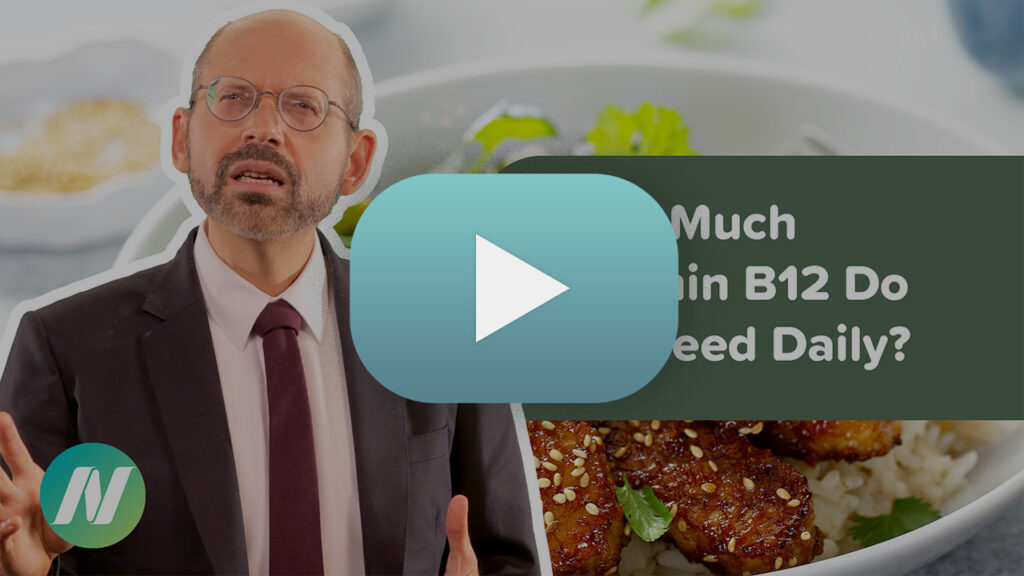
#10: How Much Vitamin B12 Do We Need Each Day?

Securing the tenth position, this video critically examines the scientific basis for recommended daily and weekly dosages of vitamin B12. This nutrient is essential for nerve function, DNA synthesis, and red blood cell formation. Deficiency can lead to serious neurological issues and anemia, particularly among certain populations, including vegetarians, vegans, older adults, and individuals with gastrointestinal disorders. The video likely detailed the methodologies used in establishing these dietary recommendations, potentially referencing studies that identified the minimum effective doses required to prevent deficiency symptoms and maintain optimal physiological function. Understanding these recommendations is crucial, especially as dietary patterns evolve and the prevalence of fortified foods increases. The derived Recommended Dietary Allowance (RDA) for adults is typically around 2.4 micrograms per day, a figure often met through a balanced diet or supplementation, particularly for those with restricted intake of animal products.
#9: The Best Way to Boost NAD+: Supplements vs. Diet (webinar recording)
This ninth-ranked video addresses the growing interest in Nicotinamide Adenine Dinucleotide (NAD+), a coenzyme vital for cellular metabolism, DNA repair, and energy production, all of which decline with age. The webinar recording likely provided a comprehensive analysis of the efficacy and safety of various NAD+ boosting supplements, such as nicotinamide riboside (NR) and nicotinamide mononucleotide (NMN), juxtaposing them with dietary and lifestyle interventions. Research in this area has seen a surge, with studies investigating the potential of NAD+ precursors to mitigate age-related decline and improve metabolic health. While supplements are often marketed for their anti-aging benefits, the video’s focus on dietary approaches, potentially highlighting foods rich in niacin and tryptophan (precursors to NAD+), offers a more accessible and potentially sustainable strategy. The burgeoning market for NAD+ supplements, estimated to reach billions of dollars globally, underscores the public’s investment in cellular rejuvenation, making this comparison particularly relevant.
#8: How to Improve Your Heart Rate Variability
Ranked eighth, this video delves into the concept of heart rate variability (HRV), a key indicator of autonomic nervous system function and overall cardiovascular health. A healthy heart does not beat with metronomic regularity; rather, variations in the time interval between heartbeats reflect the body’s adaptability to stress and its ability to maintain homeostasis. Low HRV has been associated with increased risk of cardiovascular disease, anxiety, and poor stress management. The video likely explored scientifically validated methods for enhancing HRV, which often include practices such as deep breathing exercises, mindfulness meditation, regular physical activity, adequate sleep, and a balanced diet. Improving HRV is not merely about a single metric but signifies a more resilient physiological state, capable of better responding to life’s demands.
#7: The Best Foods for Your Skin
In seventh place, this video highlights the direct correlation between diet and dermatological health. It explores specific foods, such as leafy greens, apples, tomato paste, and grapes, as potential allies in maintaining healthy skin. The scientific rationale behind these recommendations often involves the presence of antioxidants, vitamins, minerals, and other bioactive compounds within these foods. For instance, the lycopene in tomatoes is a potent antioxidant that can protect against UV damage, while the flavonoids in apples and grapes offer anti-inflammatory and anti-aging benefits. This video underscores the principle of "beauty from within," demonstrating how nutritional choices can profoundly impact skin appearance and resilience, potentially reducing the need for topical treatments and mitigating the effects of environmental stressors.
#6: Friday Favorites: Foods That Cause Inflammation and Those That Reduce It
This popular compilation, occupying the sixth spot, revisits two earlier, highly-viewed videos to offer a consolidated guide on dietary inflammation. Inflammation is a critical biological process, but chronic, low-grade inflammation is a significant risk factor for numerous diseases, including heart disease, diabetes, certain cancers, and autoimmune disorders. The video likely identified common dietary culprits that can trigger rapid inflammatory responses, such as processed foods, refined sugars, and unhealthy fats. Conversely, it would have highlighted anti-inflammatory foods, typically those rich in omega-3 fatty acids, antioxidants, and fiber, such as berries, fatty fish, nuts, seeds, and a wide array of fruits and vegetables. Understanding this dietary dichotomy empowers individuals to make informed choices that can significantly impact their long-term health trajectory.
#5: The Healthiest Way to Drink Coffee
The fifth most-watched video tackles a ubiquitous beverage: coffee. It addresses a fascinating question regarding the mortality rates of filtered versus unfiltered coffee drinkers. Research suggests that unfiltered coffee, such as French press or boiled coffee, contains cafestol and kahweol, compounds that can elevate LDL cholesterol levels. Filtered coffee, however, largely removes these compounds, potentially mitigating this adverse effect. This distinction is crucial given the widespread global consumption of coffee, with billions of cups consumed daily. The video likely provided a nuanced perspective, emphasizing that while moderate coffee consumption may offer some health benefits, the preparation method can significantly influence its overall impact on cardiovascular health, particularly for individuals predisposed to high cholesterol.
#4: Is One Egg a Day Too Much?
This video, ranked fourth, directly confronts a long-standing dietary debate surrounding egg consumption. The provocative title hints at the video’s conclusion, which is supported by large-scale meta-analyses involving millions of participants. These analyses have indicated a correlation between increased egg consumption and a higher risk of all-cause mortality, particularly from cardiovascular disease and cancer. Eggs, while a source of protein and essential nutrients, are also high in dietary cholesterol. While the direct impact of dietary cholesterol on blood cholesterol levels is complex and varies among individuals, the consensus from extensive research suggests that excessive intake can be detrimental to long-term health for a significant portion of the population. This finding challenges traditional dietary advice and emphasizes a more cautious approach to foods rich in cholesterol.
#3: Do Not Eat Pawpaws
The third most popular video issues a stark warning against the consumption of pawpaw fruits and their relatives, including soursop, guanabana, and cherimoya. The concern stems from the presence of neurotoxins, specifically acetogenins, found in these fruits. Scientific literature has linked the regular consumption of these fruits to a form of Parkinsonism, a neurodegenerative disease characterized by movement disorders. Studies, particularly in regions where these fruits are dietary staples, have observed higher incidences of this condition. The video likely detailed the mechanism of action of these neurotoxins and provided crucial information for consumers to avoid potential neurological harm, underscoring the importance of being aware of the potential risks associated with certain natural foods.
#2: The Highest Antioxidant: Apple, Bean, Berry, Lentil, or Nut?
This video marks a return to a popular video format that assesses the antioxidant power of various food categories. Antioxidants are compounds that protect cells from damage caused by free radicals, unstable molecules linked to aging and chronic diseases. The video likely presented data on the antioxidant capacity of different types of apples, beans, berries, lentils, and nuts, enabling viewers to make informed choices based on their nutritional content. While acknowledging that the "best" choice often depends on personal preference and dietary integration, the video aimed to guide consumers towards those options with the highest concentration of beneficial antioxidant compounds, thereby maximizing their intake of protective nutrients. This revisited format highlights the enduring public interest in optimizing dietary intake for disease prevention.
#1: How to Slow Cancer Growth
Claiming the top spot, this video addresses one of the most significant health concerns globally: cancer. Its popularity underscores the profound public interest in understanding and mitigating cancer risk through lifestyle choices. The video’s core message is that many individuals harbor tumors in their bodies at any given moment, emphasizing the urgency of adopting health-promoting habits. This aligns with the organization’s broader mission to empower individuals with actionable knowledge. The video likely explored the role of diet and lifestyle in influencing tumor growth and progression, drawing from research that demonstrates how specific nutritional patterns and lifestyle modifications can create an environment less conducive to cancer development and spread. The creator’s mention of an upcoming book, How Not to Hurt, focused on lifestyle approaches to pain management, further contextualizes this emphasis on proactive health strategies and suggests a continued commitment to addressing major health challenges through accessible, evidence-based information.
Community Growth and Future Outlook
The success of these top videos is mirrored by the substantial growth of the NutritionFacts.org community. In 2025 alone, the organization welcomed over 170,000 new subscribers on its YouTube channel, a testament to the increasing demand for reliable, science-backed health information. This expansion signifies a growing awareness and engagement with the power of nutrition and lifestyle in preventing disease and promoting well-being. The organization’s commitment to translating complex scientific research into understandable and actionable content continues to resonate, positioning it as a vital resource for individuals seeking to improve their health outcomes. The diverse range of topics covered in the top ten videos—from specific nutrient needs and emerging health trends to fundamental dietary principles and disease prevention—demonstrates a comprehensive approach to public health education, empowering millions with the knowledge to make life-saving and life-changing decisions.