 admin
admin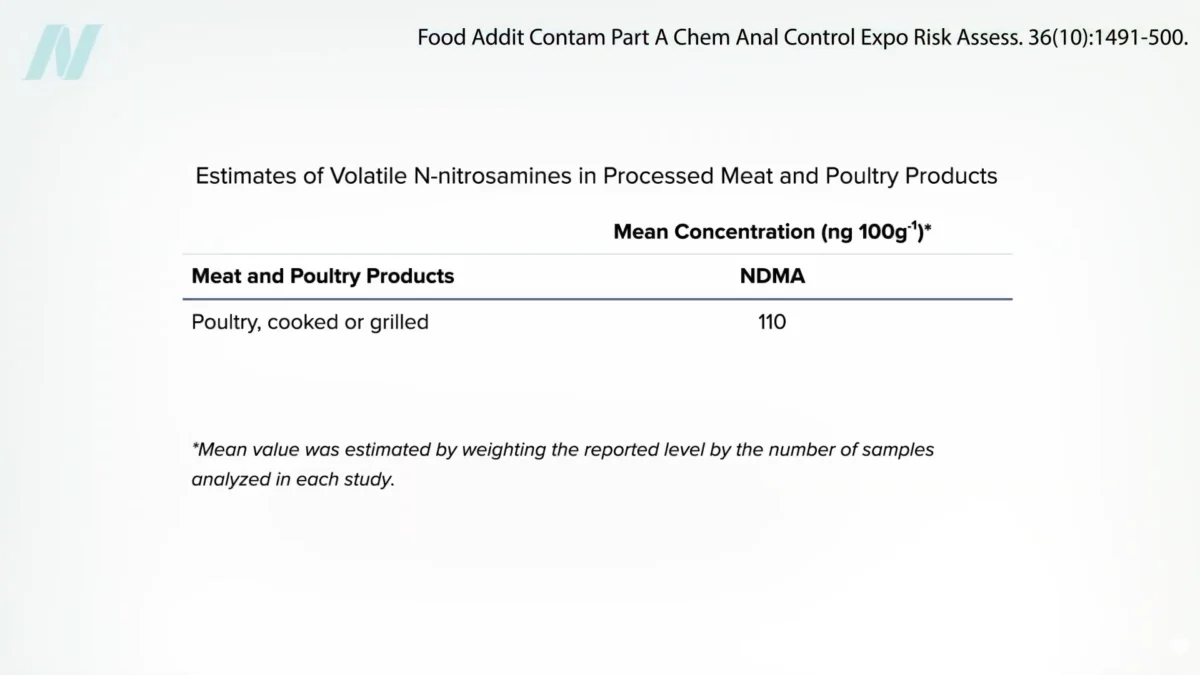
In a striking disparity that has raised significant public health questions, billion-dollar pharmaceutical products have been withdrawn from the market due to contamination with N-nitrosodimethylamine (NDMA), a compound classified as a "probable human carcinogen," at levels that are demonstrably lower than those frequently found in a single serving of commonly consumed grilled chicken. This revelation, supported by scientific studies and regulatory assessments, highlights a complex and often paradoxical approach to risk management in both the pharmaceutical and food industries.
The NDMA Contamination Crisis in Pharmaceuticals
The issue first gained significant public attention in 2018 when valsartan, a widely prescribed blood pressure medication also marketed under the brand name Diovan, was found to be contaminated with NDMA. This discovery triggered a global recall affecting millions of patients. NDMA is a type of nitrosamine, a chemical class known for its carcinogenic properties. Research has indicated that NDMA’s cancer risk profile can exceed that of several well-established potent carcinogens, including asbestos, polychlorinated biphenyls (PCBs), and benzo[a]pyrene.
The scale of the valsartan recall was immense, with estimates suggesting that approximately 20 million people worldwide had been prescribed the tainted drug. Regulatory bodies, including the U.S. Food and Drug Administration (FDA) and its European counterparts, began assessing the potential health risks associated with this exposure. The FDA estimated that prolonged use of the contaminated valsartan could lead to cancer in as many as 1 in 8,000 individuals. The European Medicines Agency (EMA) provided a similar, albeit slightly higher, risk assessment, suggesting a potential cancer risk of up to 1 in 5,000. These figures underscored the gravity of the situation and the potential public health consequences of widespread exposure to this carcinogen.
The scientific community quickly recognized that valsartan might not be an isolated incident. A 2019 paper published in a peer-reviewed journal noted that it was "unlikely that drugs like valsartan are a unique case." This prediction proved prescient. Within months, the FDA announced that NDMA had also been detected in ranitidine, a medication widely known by its brand name Zantac.
Ranitidine, a popular drug used to treat heartburn and acid reflux, held a significant market position, being one of the most frequently prescribed medications globally and also available over-the-counter. Its widespread use meant that the discovery of NDMA contamination posed a potential risk to an even larger population.
Escalation and Regulatory Action: The Zantac Recall
The discovery of NDMA in ranitidine led to further regulatory scrutiny. In 2020, the issue extended to metformin, a cornerstone medication for managing type 2 diabetes, with some formulations also found to be contaminated.
The accumulating evidence of NDMA contamination in widely used pharmaceuticals prompted decisive action from regulatory agencies. The FDA, citing findings that NDMA levels in some ranitidine products could, under certain circumstances, exceed the acceptable daily intake (ADI) limit of 96 nanograms per day, requested the immediate withdrawal of all ranitidine products, including Zantac, from the market. This was a significant move, effectively removing a multi-billion dollar drug from circulation.
The FDA’s justification for this drastic measure was rooted in the unacceptable risk posed by the contaminant. In some instances, the levels of NDMA found in Zantac were reported to be comparable to the exposure levels experienced from consuming grilled or smoked meats. This comparison, highlighted by the FDA, served as a crucial point of reference for the public and underscored the seriousness of the pharmaceutical contamination.
The Paradoxical Presence of NDMA in Food
The revelation that NDMA contamination in pharmaceuticals was comparable to levels found in common food items opened a wider discussion about the presence of this carcinogen in the food supply. NDMA is not solely a pharmaceutical contaminant; it is a known byproduct of various industrial processes, including tire manufacturing, pesticide production, and leather tanning. Crucially, it has also been identified in a range of food and beverage products, most notably processed meats and beer.
The implications of NDMA’s presence in food have become increasingly concerning with emerging research. Studies have indicated that NDMA can transfer through the placenta. This finding has led to speculation and research into potential links between maternal consumption of cured meats during pregnancy and an increased risk of childhood brain tumors. For instance, research has suggested that consuming hot dogs during pregnancy may elevate the risk of childhood brain tumors by 33%, sausages by 44%, and bacon by as much as 60% to 70%.

However, the presence of NDMA is not limited to processed meats. Scientific investigations have also detected it in poultry products. Data suggests that a single serving of chicken can contain over 100 nanograms of NDMA. This figure is particularly noteworthy when juxtaposed with the FDA’s established acceptable daily intake limit of 96 nanograms for NDMA.
Cooking Methods and Airborne Contamination
Further complicating the issue is the origin of NDMA in cooked meats. Raw poultry, for instance, does not inherently contain NDMA. Instead, the compound is formed during the cooking process, particularly through dry-heat methods such as broiling or grilling. These cooking techniques can even generate airborne NDMA, releasing the carcinogenic compound into the surrounding environment. This raises the possibility that even individuals not directly consuming the cooked meat, but present in environments where meat is being grilled, could be exposed to significant levels of NDMA, potentially posing a cancer risk.
The parallels drawn between pharmaceutical contamination and food contamination are stark. Nitrosamines, including NDMA, are also present in cigarette smoke. Historically, significant pressure was placed on the tobacco industry to remove these removable carcinogens from their products, with the argument that there is "simply no logical reason why a removable carcinogen should be allowed to remain in a consumer product." This very logic was applied when Zantac was removed from the market.
Public Health Implications and Regulatory Disparities
The contrast between the stringent regulatory action taken against pharmaceuticals containing NDMA and the continued widespread availability of food products with comparable or higher levels of the same contaminant has generated considerable public debate and concern. The question arises: if a billion-dollar drug is pulled from shelves due to a probable carcinogen exceeding acceptable limits, why are poultry products, which can contain more of the contaminant in a single serving, not subject to similar restrictions?
This situation points to the complexities of risk assessment and regulation across different sectors. The pharmaceutical industry is subject to exceptionally rigorous testing and approval processes, with a high threshold for patient safety. Recalls are often swift and comprehensive when potential harm is identified. In contrast, the food industry operates under different regulatory frameworks, where established limits for contaminants in food products are often based on a balance of scientific evidence, economic feasibility, and consumer acceptance.
Broader Context and Expert Commentary
The presence of NDMA in pharmaceuticals and food has been a subject of ongoing research and public health discourse. Experts have pointed out that NDMA is part of a broader class of nitrosamines, many of which are also found in processed meats. This connection has prompted further investigation into dietary choices and their long-term health consequences.
For instance, the potential for making meat less carcinogenic through specific cooking methods or preparation techniques has been explored. Additionally, questions have been raised about whether organic meat offers a less carcinogenic alternative, a subject that has been the focus of various scientific inquiries.
It is important to note that scientific findings are subject to review and refinement. In some cases, studies that have formed the basis for public concern have undergone retraction. For example, a widely publicized paper that linked ranitidine to cancer was later retracted due to analytical artifacts, underscoring the need for rigorous scientific validation in all public health assessments.
Conclusion and Future Directions
The ongoing saga of NDMA contamination serves as a critical reminder of the pervasive nature of certain chemical contaminants and the challenges in ensuring public safety across diverse industries. While regulatory bodies have demonstrated a willingness to take decisive action against pharmaceutical products when carcinogenic risks are identified, the disparity in regulatory approaches between pharmaceuticals and food warrants continued examination.
Moving forward, a more unified and transparent approach to evaluating and managing carcinogenic risks, regardless of their source, is essential. Public health initiatives should focus on educating consumers about potential exposures and empowering them to make informed choices about their diets and medications. The scientific community’s role in providing robust, peer-reviewed data remains paramount in guiding these efforts and ensuring that public health policy is grounded in the most accurate and up-to-date scientific understanding. The lessons learned from the NDMA crisis in pharmaceuticals and its echoes in the food supply are invaluable as we strive to build a safer and healthier future for all.