admin
admin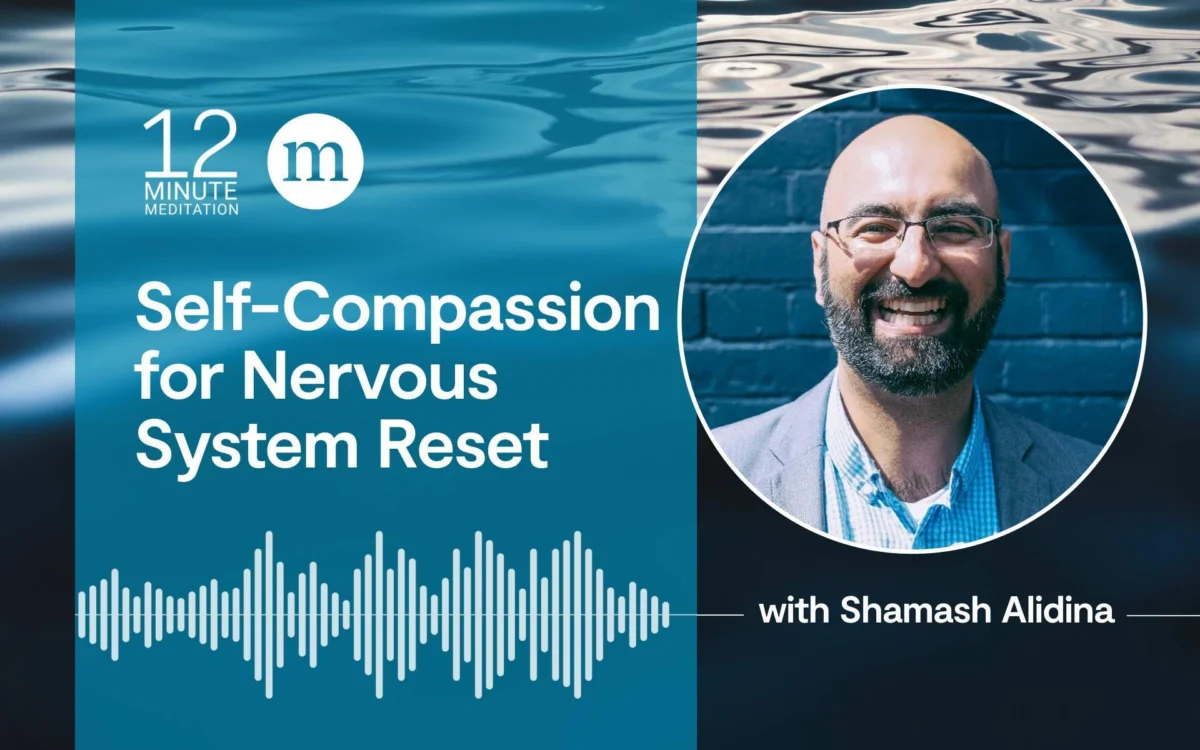
In an era characterized by escalating demands and pervasive digital connectivity, the experience of chronic stress has become a widespread phenomenon, impacting both individual well-being and broader public health. Amidst this challenging landscape, an increasing body of research and expert consensus points towards self-compassion as a profoundly effective, yet often underutilized, strategy for mitigating stress, calming the nervous system, and fostering a robust sense of inner resilience. This gentle yet powerful practice, advocated by mindfulness teachers such as Shamash Alidina, offers a tangible pathway for individuals to interrupt detrimental stress cycles and initiate a process of profound healing and restoration.
The Pervasiveness of Stress in Modern Society
The contemporary world presents a myriad of stressors, ranging from professional pressures and financial anxieties to the constant influx of information and the socio-political complexities of global events. Organizations like the World Health Organization (WHO) have recognized stress-related conditions as a significant public health concern, contributing to a rise in mental health disorders such as anxiety and depression, and exacerbating physical ailments. National surveys consistently report high percentages of adults experiencing significant stress levels, often leading to burnout, decreased productivity, and impaired quality of life.
Physiologically, chronic stress triggers the body’s "fight-or-flight" response, a primal survival mechanism that, when prolonged, leads to a cascade of detrimental effects. Elevated levels of stress hormones like cortisol and adrenaline can disrupt sleep patterns, impair immune function, contribute to cardiovascular issues, and negatively impact cognitive abilities. The nervous system becomes dysregulated, perpetually poised for threat, making it challenging for individuals to relax, focus, or experience joy. Breaking this cycle requires intentional intervention, moving beyond mere stress management to a more profound recalibration of the internal landscape. It is within this critical context that self-compassion emerges as a vital tool.
Understanding Self-Compassion: A Paradigm Shift
While often overlooked as an instinctual response, self-compassion is gaining significant traction in psychological and mindfulness circles as a cornerstone of mental and physical well-being. Pioneered and extensively researched by Dr. Kristin Neff, a leading expert in the field, self-compassion is defined by three core components:
- Self-Kindness versus Self-Judgment: Treating oneself with warmth and understanding in times of suffering, rather than harsh self-criticism. It acknowledges that imperfection and struggle are inevitable parts of the human experience.
- Common Humanity versus Isolation: Recognizing that suffering and personal inadequacy are universal experiences, shared by all human beings, rather than feeling isolated or uniquely flawed. This perspective fosters a sense of connection rather than separation.
- Mindfulness versus Over-Identification: Holding one’s painful thoughts and emotions in balanced awareness, neither suppressing them nor getting swept away by them. It involves observing feelings without judgment, allowing them to be present without excessive rumination.
Crucially, self-compassion is distinct from self-pity, which can lead to self-absorption and a sense of victimhood. It also differs from self-esteem, which often relies on external achievements or evaluations and can fluctuate based on circumstances. Self-compassion provides a stable, inner resource, offering comfort and support regardless of external successes or failures. This intrinsic quality makes it a particularly potent force for healing and emotional resilience, offering a compassionate counterpoint to the relentless self-criticism that often accompanies stress.
Shamash Alidina’s Approach: Guiding Principles for Self-Kindness
Mindfulness teacher Shamash Alidina, a seasoned practitioner since 1998 and author of influential works such as Mindfulness For Dummies and The Mindful Way Through Stress, has been a prominent voice in making these complex concepts accessible to a global audience. Through his extensive experience and teachings, Alidina emphasizes practical, gentle methods for integrating self-compassion, particularly when individuals find themselves entrenched in a stress cycle. While the original article references a meditation offering "three ways to show compassion," these methods are typically rooted in the core tenets of self-compassion, tailored for immediate application during moments of distress. Based on common practices taught by Alidina and other mindfulness experts, these three pathways likely encompass:
-
Acknowledging the Suffering with Mindful Awareness: The first step involves consciously pausing and recognizing the presence of stress or distress without judgment. This is an act of mindful self-awareness, where one gently turns towards the uncomfortable feeling rather than trying to suppress or ignore it. For example, simply observing thoughts like "I am overwhelmed" or sensations like a tight chest, with an attitude of gentle curiosity rather than self-recrimination. This mindful acknowledgment creates a space for acceptance and prevents the escalation of suffering through internal resistance.
-
Connecting to Common Humanity: Once the suffering is acknowledged, the next step involves reminding oneself that this experience is not unique. Everyone faces challenges, stress, and moments of inadequacy. This can involve an inner phrase like, "This is a moment of suffering, and suffering is a part of life," or "Many people feel this way when under pressure." This shift from isolation to connection helps to normalize the experience, reducing feelings of shame or personal failure that often accompany stress. It fosters a sense of shared human experience, which can be profoundly comforting.
-
Responding with Self-Kindness: The final and perhaps most crucial step is to actively offer oneself comfort and care, just as one would a dear friend in distress. This might manifest as gentle self-talk ("May I be kind to myself in this moment," "May I be free from suffering"), a comforting physical gesture (placing a hand over the heart), or even imagining receiving compassion from someone who cares deeply. This active self-soothing directly counters the body’s stress response, signaling safety and warmth to the nervous system. Alidina’s guidance aims to make these practices immediate and instinctual, transforming self-criticism into a nurturing inner dialogue.
These three interwoven practices, when consistently applied, serve as a powerful intervention, helping to downregulate the sympathetic nervous system (responsible for fight-or-flight) and activate the parasympathetic nervous system (responsible for rest and digest).
The Neuroscience Behind Self-Compassion
The efficacy of self-compassion is not merely anecdotal; it is increasingly substantiated by robust neuroscientific research. Studies utilizing fMRI scans have shown that practicing self-compassion activates brain regions associated with empathy, emotional regulation, and reward, such as the medial prefrontal cortex, insula, and anterior cingulate cortex. Conversely, self-criticism tends to activate areas linked to threat and pain.

Furthermore, self-compassion has been linked to distinct physiological changes. Research indicates that individuals who practice self-compassion exhibit lower levels of cortisol, the primary stress hormone, particularly in response to stressful stimuli. There’s also evidence of increased oxytocin, often dubbed the "love hormone," which plays a role in bonding, trust, and feelings of safety and calm. This hormonal shift directly contributes to a calmer nervous system. Self-compassionate individuals also tend to have better heart rate variability (HRV), an indicator of a more flexible and resilient nervous system. By consciously engaging in self-kindness, individuals can literally rewire their brains and bodies to respond to stress with greater equanimity and resilience.
Integrating Self-Compassion into Daily Life: Beyond Formal Meditation
While formal meditation practices, like those guided by Alidina, provide structured opportunities to cultivate self-compassion, its true power lies in its integration into daily life. This involves a conscious effort to adopt a more compassionate stance towards oneself in all moments, not just during dedicated practice sessions.
Practical applications include:
- Self-Compassion Breaks: During moments of stress or difficulty, taking a brief pause (even 30 seconds) to acknowledge the feeling, connect to common humanity, and offer a kind phrase or gesture.
- Compassionate Self-Talk: Replacing harsh inner criticism with supportive and understanding language. For instance, instead of "I’m so stupid for making that mistake," trying "Everyone makes mistakes; what can I learn from this?"
- Mindful Movement: Engaging in gentle physical activity with an attitude of kindness towards one’s body, noticing sensations without judgment.
- Journaling: Writing about difficult experiences from a self-compassionate perspective, exploring emotions with kindness and understanding.
Consistent practice, even in small doses, gradually builds the "muscle" of self-compassion, making it a more automatic response to adversity. This cultivation transforms the internal landscape, leading to a more stable emotional state and a greater capacity to navigate life’s inevitable challenges.
Expert Perspectives and Broader Acceptance
The growing body of evidence supporting self-compassion has led to its increasing acceptance within mainstream healthcare, psychology, and wellness sectors. Professional organizations and mental health practitioners are increasingly incorporating self-compassion training into therapeutic interventions for conditions like depression, anxiety, trauma, and eating disorders. Programs like Mindful Self-Compassion (MSC), developed by Kristin Neff and Christopher Germer, are offered globally, illustrating the widespread recognition of its benefits.
Institutions are also recognizing the value of these practices. Corporate wellness programs are beginning to introduce mindfulness and self-compassion workshops to enhance employee well-being, reduce burnout, and improve workplace productivity. Educational settings are exploring ways to teach self-compassion to younger generations, equipping them with essential emotional regulation skills from an early age. The consensus among experts is clear: cultivating self-compassion is not a luxury but a vital skill for thriving in the modern world.
Shamash Alidina’s Enduring Influence
Shamash Alidina stands as a testament to the power of consistent dedication to mindfulness and self-compassion. His journey, beginning with his own practice in 1998, evolved into a full-time teaching career by 2010, marking over a decade of dedicated instruction. As the author of accessible guides like Mindfulness For Dummies and The Mindful Way Through Stress, he has demystified these practices for countless individuals, making them approachable regardless of prior experience.
Based in London, Alidina’s reach extends globally through online trainings and speaking engagements at international conferences. His frequent appearances in newspapers, magazines, and on radio shows further solidify his role as a leading voice in the mindfulness movement. His work exemplifies the dedication required to translate ancient wisdom into practical, modern applications that genuinely improve people’s lives. By consistently advocating for self-compassion, Alidina contributes significantly to a growing global dialogue about mental health and resilience.
Implications for Public Health and Societal Well-being
The broader implications of widespread self-compassion adoption are profound. On a public health level, a society where individuals are more self-compassionate could see a reduction in the incidence of stress-related illnesses, potentially easing the burden on healthcare systems. Emotionally resilient individuals are better equipped to cope with adversity, fostering more stable and supportive communities.
Furthermore, self-compassion can extend beyond the individual. By cultivating kindness towards oneself, individuals often find it easier to extend empathy and compassion to others. This ripple effect can lead to more understanding relationships, reduced social conflict, and a more compassionate society as a whole. In an increasingly polarized world, fostering inner kindness might be a crucial step towards fostering greater collective harmony.
Conclusion
The gentle practice of self-compassion offers a scientifically-backed, profoundly effective antidote to the pervasive stress cycles of contemporary life. As championed by experienced mindfulness teachers like Shamash Alidina, it provides a structured yet accessible pathway to pause, calm the nervous system, and reset. By embracing self-kindness, recognizing our common humanity, and observing our experiences with mindful awareness, individuals can cultivate an inner sanctuary of peace and resilience. This paradigm shift from self-criticism to self-nurturing is not merely a coping mechanism but a fundamental reorientation towards well-being, promising not only personal restoration but also a more compassionate and resilient society.