admin
admin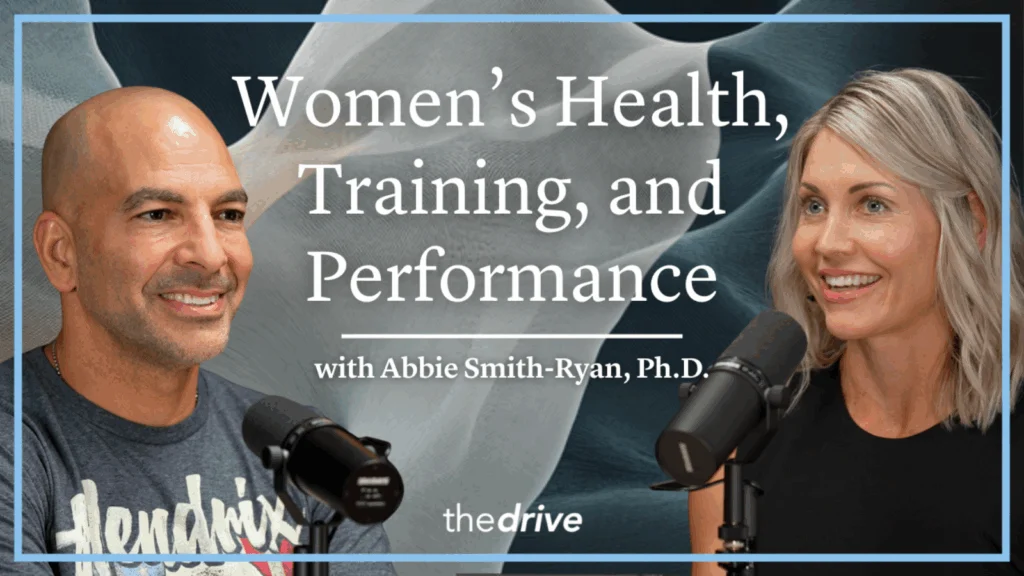
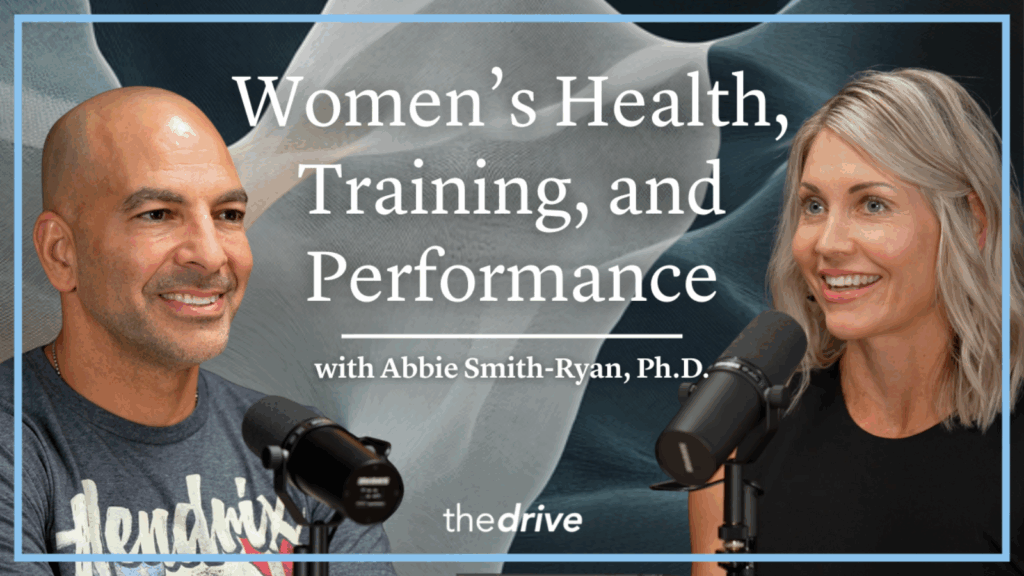
In a comprehensive exploration of female-specific physiology, Dr. Abbie Smith-Ryan, a Professor of Exercise and Sport Science at the University of North Carolina at Chapel Hill, joined Dr. Peter Attia on The Peter Attia Drive to dissect the critical intersections of exercise, nutrition, and hormonal health. The discussion serves as a blueprint for female longevity, spanning from the foundational years of childhood play to the complex metabolic shifts of the menopausal transition. As women have historically been underrepresented in exercise science research—often due to the perceived "complexity" of the menstrual cycle—Dr. Smith-Ryan’s work provides a necessary, evidence-based framework for tailoring health interventions to the unique biological requirements of women at every stage of life.
The Developmental Foundation: Building the Bone and Muscle Bank
The conversation began with a focus on the "pre-menstrual" years, a period Dr. Smith-Ryan identifies as the most critical window for establishing lifelong physical resilience. For girls around the age of ten, the primary goal of exercise is not necessarily athletic performance in a professional sense, but rather the accumulation of physiological "capital." According to clinical data, approximately 90% of a woman’s peak bone mass is established by age 18. Therefore, the weight-bearing activities and high-impact play engaged in during childhood act as a "bone bank" that protects against osteoporosis and frailty in later decades.
Dr. Smith-Ryan emphasized that "exercise is the best medicine" for young girls, but she also cautioned against the rising trend of early sports specialization. When young athletes focus exclusively on one sport too early, they face an increased risk of overuse injuries and, more critically, the potential for delayed puberty or menstrual dysfunction. This condition, often referred to in clinical circles as Relative Energy Deficiency in Sport (RED-S), occurs when the energy demands of intense training exceed nutritional intake. Dr. Smith-Ryan noted that maintaining a healthy hormonal onset is essential for long-term cardiovascular and skeletal health, suggesting that youth sports should prioritize variety and adequate fueling over hyper-competitive specialization.
Navigating the Menstrual Cycle: Training and Nutritional Synchrony
A significant portion of the dialogue was dedicated to the physiological fluctuations of the menstrual cycle and how they dictate athletic performance, recovery, and mental well-being. Dr. Smith-Ryan challenged the traditional "one-size-fits-all" approach to fitness, which is largely based on male physiology. Instead, she proposed a model of "smart fueling" and "inflammation management" that aligns with hormonal shifts.
During the follicular phase (the first half of the cycle), estrogen levels rise, often leading to increased strength and better recovery. Conversely, the luteal phase (following ovulation) sees a rise in progesterone, which can increase core body temperature and metabolic rate, sometimes making high-intensity exercise feel more taxing. Dr. Smith-Ryan suggested that women can optimize their training by understanding these phases—perhaps focusing on high-intensity intervals and heavy lifting when estrogen is high, and pivoting toward recovery-focused or steady-state exercise when progesterone peaks and inflammation markers may rise.
Hydration and electrolyte management also emerged as vital components. The hormonal shifts in the late luteal phase can affect fluid retention and sodium balance, leading to the "bloating" many women experience. By proactively managing hydration and magnesium intake, Dr. Smith-Ryan argues that women can mitigate these symptoms and maintain training consistency throughout the month.
The Science of Supplementation: Creatine, Omega-3s, and Magnesium
The discussion moved into the biochemical realm, examining the specific supplements that offer the highest return on investment for women. Dr. Smith-Ryan is a leading researcher on creatine, a supplement often misunderstood as being exclusively for male bodybuilders. She presented evidence suggesting that creatine is perhaps even more beneficial for women than for men. Beyond its role in muscle protein synthesis, creatine has been shown to support brain health, improve mood, and aid in bone density maintenance, particularly during the stages of life where estrogen begins to decline.
In addition to creatine, the experts highlighted:
- Omega-3 Fatty Acids: Essential for managing systemic inflammation and supporting cardiovascular health, which becomes a primary concern as women enter post-menopause.
- Magnesium: Often referred to as a "master mineral," magnesium plays a role in over 300 enzymatic reactions, including those related to sleep quality, muscle relaxation, and glucose metabolism.
- Protein Quality: Dr. Smith-Ryan underscored the necessity of high-quality protein intake, especially as women age and become more resistant to muscle-building signals (anabolic resistance).
The Menopausal Transition: Metabolic Shifts and Body Composition
One of the most profound shifts in a woman’s life is the transition through perimenopause and into menopause. Dr. Smith-Ryan explained that this period is characterized by more than just the cessation of menstruation; it is a period of significant metabolic remodeling. As estrogen levels drop, women often experience a shift in fat distribution, moving toward increased visceral (abdominal) fat, which is linked to higher risks of metabolic syndrome and type 2 diabetes.
The "metabolic cliff" that many women feel they hit during their 40s and 50s is often a result of declining muscle mass and a decrease in insulin sensitivity. Dr. Smith-Ryan advocated for a shift in exercise programming during this time, moving away from excessive "chronic cardio" and toward heavy resistance training. Lifting heavy weights provides the mechanical stimulus necessary to preserve muscle tissue and bone density in the absence of high estrogen levels. Furthermore, she discussed the evolving role of Hormone Replacement Therapy (HRT). While lifestyle interventions are foundational, HRT can serve as a powerful tool to manage symptoms and protect the cardiovascular system, provided it is implemented through an evidence-driven, individualized approach.
Pregnancy and Postpartum: Training for the "Event of a Lifetime"
The conversation also touched upon the practicalities of exercise during and after pregnancy. Dr. Smith-Ryan and Dr. Attia agreed that pregnancy should be viewed through the lens of high-performance athletics. The physiological demands on the cardiovascular system and the musculoskeletal structure are immense. Rather than "resting" for nine months, Dr. Smith-Ryan suggested that women should engage in "functional maintenance," focusing on pelvic floor health, core stability, and maintaining cardiorespiratory fitness to aid in delivery and postpartum recovery.

Postpartum training, she noted, requires a "grace-led but disciplined" approach. The return to exercise must be gradual to allow for tissue healing, but it should eventually return to the pillars of strength and metabolic health to combat the fatigue and physical stresses of early motherhood.
Analysis of Implications: A Shift in the Medical Paradigm
The insights shared by Dr. Smith-Ryan represent a broader shift in the medical and athletic paradigm. For decades, clinical trials often excluded women to avoid the "noise" of hormonal cycles. This has resulted in a "gender data gap" where medical advice for women is often just a diluted version of advice meant for men. Dr. Smith-Ryan’s research is part of a movement to treat female physiology as a distinct entity that requires its own specific protocols.
The implications of this research are vast. By educating young girls on bone health, we can reduce the future burden of hip fractures and orthopedic surgeries. By teaching adult women how to train with their cycles, we can improve mental health and athletic longevity. And by re-framing menopause as a manageable metabolic transition rather than an inevitable decline, we empower women to maintain their quality of life well into their 80s and 90s.
Conclusion: Advocacy and Evidence-Driven Health
Dr. Smith-Ryan concluded the episode by encouraging women to become better advocates for their own health. This involves seeking out practitioners who understand the nuances of perimenopause, demanding evidence-based nutritional guidance, and rejecting the "thinness at all costs" narrative in favor of a "strength and function" mindset.
As the episode of The Peter Attia Drive highlighted, the path to female longevity is paved with early intervention, strategic supplementation, and a deep respect for the hormonal rhythms that define the female experience. Through the work of researchers like Dr. Smith-Ryan, the scientific community is finally beginning to provide the rigorous, data-driven insights that women need to thrive across the entirety of their lifespans.