
 admin
admin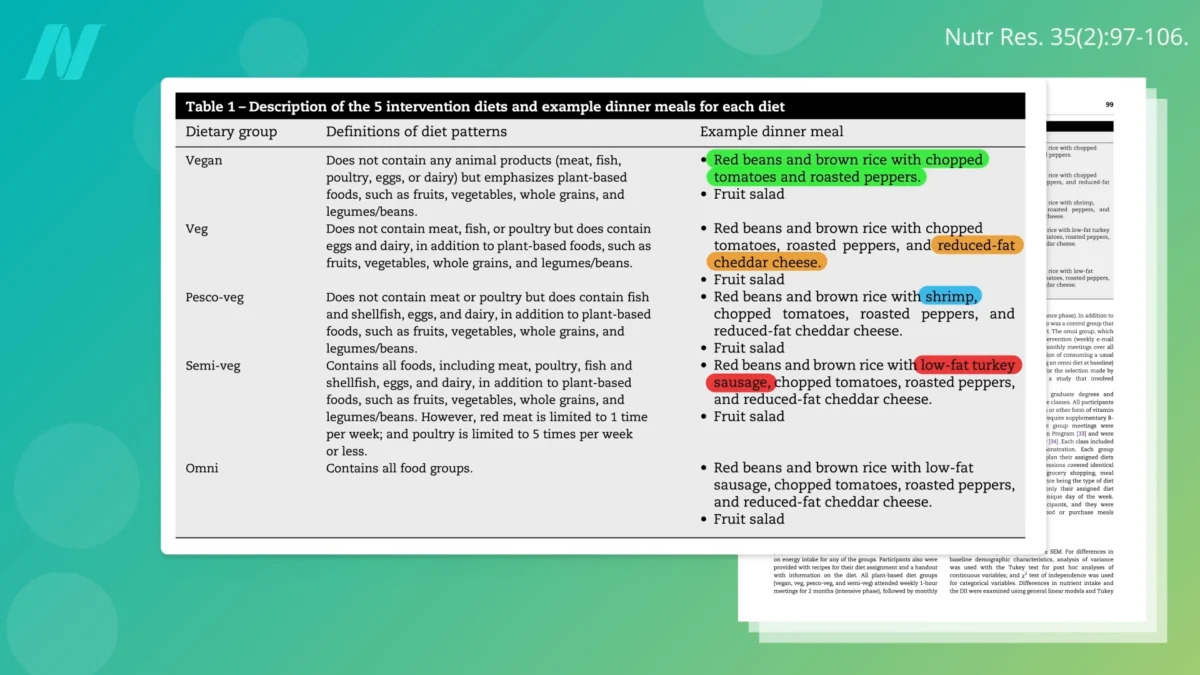
The quest for longevity and optimal health often leads researchers to explore the intricate relationship between diet and the body’s inflammatory response. Chronic inflammation, a persistent state of low-grade inflammation, has been increasingly linked to a spectrum of serious health conditions, including cardiovascular disease, neurodegenerative disorders, and certain cancers. Understanding how to modulate this inflammatory cascade through dietary choices has become a significant area of scientific inquiry. Recent studies are shedding light on specific foods and dietary patterns that can actively combat inflammation, offering tangible strategies for individuals seeking to enhance their well-being and potentially extend their healthy lifespan.
The Inflammatory Link to Mortality
The scientific community has long recognized the need for reliable indicators of health and mortality risk. Blood-borne biomarkers have emerged as crucial tools in this regard, offering a cost-effective and accessible means of assessing an individual’s physiological state. Among these, inflammatory markers have gained particular attention due to their strong correlation with increased mortality risk.
One such marker is C-reactive protein (CRP). Elevated levels of CRP in the blood have been demonstrably linked to a heightened risk of premature death. Research indicates that individuals with higher CRP levels may face a 42% increased risk of dying prematurely. CRP is a widely utilized inflammatory biomarker, but it is not the sole indicator. Interleukin-6 (IL-6), another significant marker of inflammation, also plays a critical role. Studies have shown that individuals exhibiting the highest levels of IL-6 may face an even greater risk, with a potential increase in premature death risk by 49%. This stark reality underscores the importance of actively seeking dietary interventions to mitigate these elevated inflammatory signals.
Exploring the Anti-Inflammatory Power of Berries
For years, the discourse surrounding diet and inflammation has often focused on foods that may contribute to the problem, such as processed meats and refined sugars. Conversely, foods like nuts have been recognized for their neutral or potentially beneficial effects. However, the focus is increasingly shifting towards identifying foods that not only avoid exacerbating inflammation but actively work to reduce it.
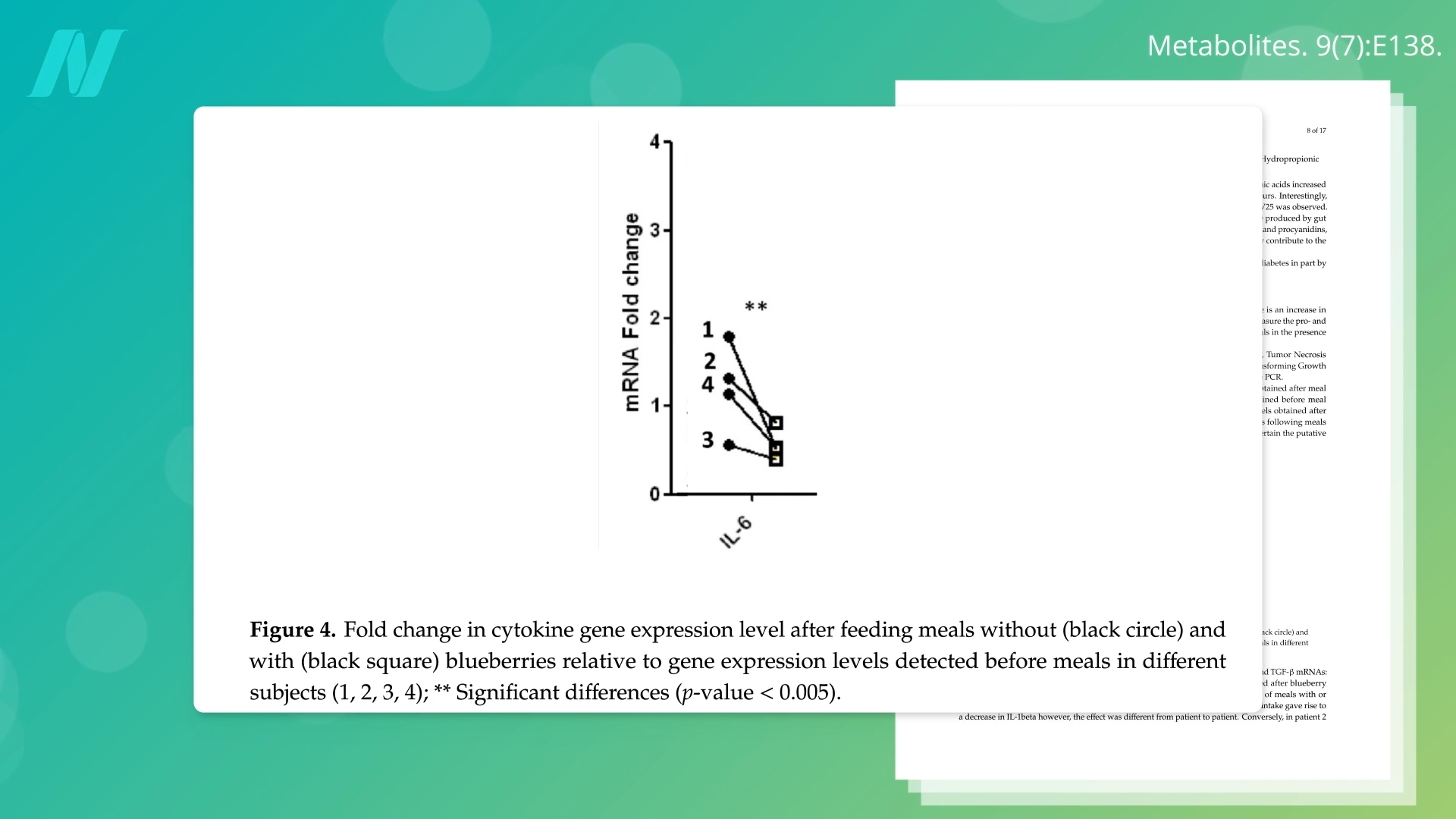
A compelling line of research has investigated the impact of incorporating berries into meals that are typically considered pro-inflammatory. In one notable study, the addition of a single cup of blueberries to a high-fat, high-glycemic-load meal—comprising white potatoes, white bread, ham, cheese, and butter—resulted in a significant reduction in IL-6 levels. This finding suggests that the potent antioxidants and phytonutrients present in blueberries can counteract the inflammatory surge triggered by otherwise detrimental food choices. The observed drop in IL-6 was a significant indicator of the berries’ ability to modulate the body’s immediate inflammatory response.

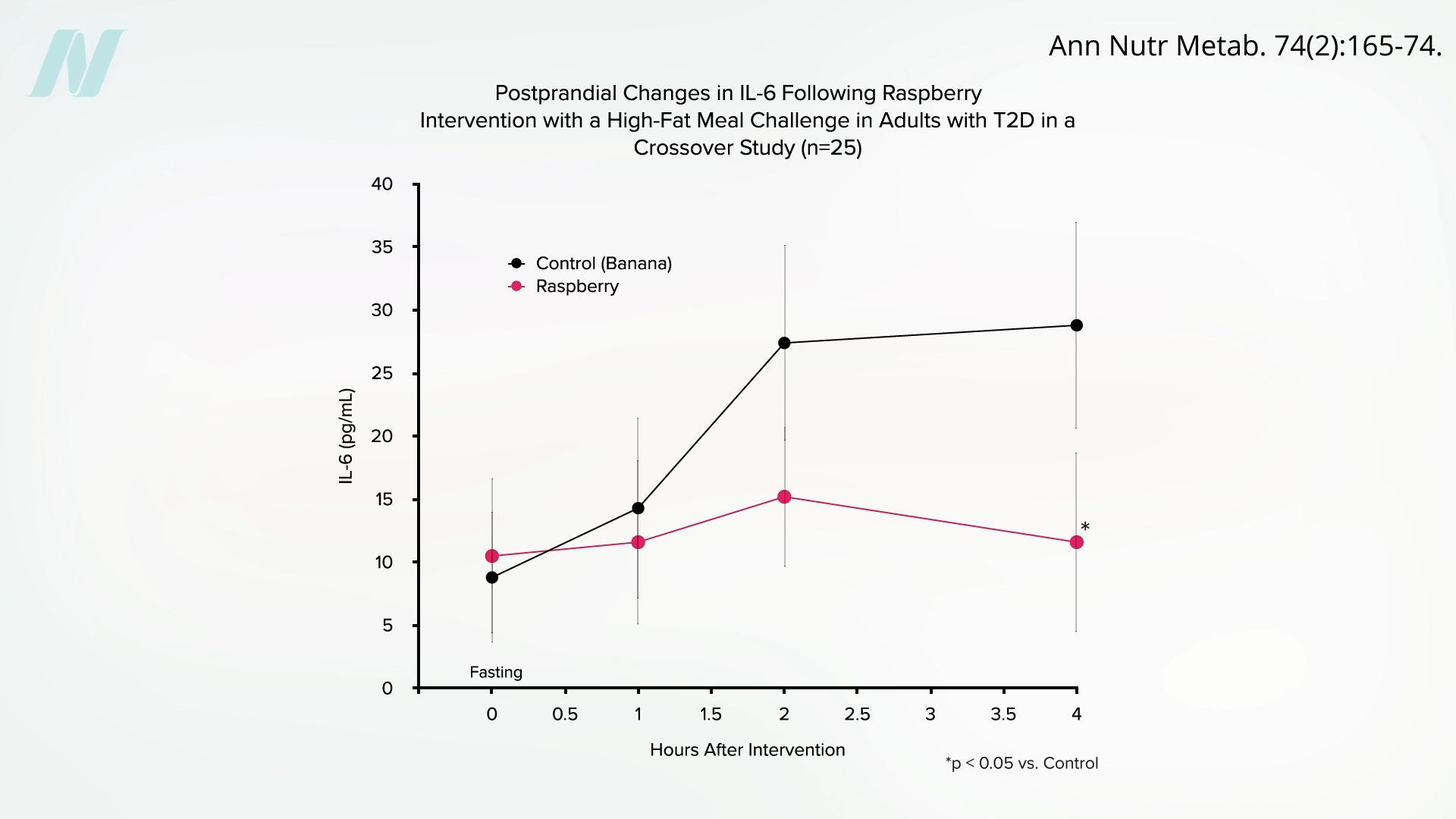
Further exploring the anti-inflammatory capacity of berries, a separate study examined the effects of raspberries. Participants were given a meal rich in eggs, butter, white potatoes, white flour biscuits, and sausage. In a parallel group, the same meal was supplemented with two cups of frozen raspberries blended into a smoothie. Another group received the same caloric and carbohydrate load, but from bananas. The meal without raspberries led to a threefold increase in IL-6 levels within four hours, highlighting the pro-inflammatory nature of such a diet. In stark contrast, when participants consumed the raspberries, their bodies were able to effectively mitigate this inflammatory response, demonstrating the remarkable protective properties of raspberries.
The Role of Antioxidants: Whole Foods Versus Supplements
The effectiveness of raspberries and blueberries in combating inflammation naturally leads to questions about the underlying mechanisms. Antioxidants are widely recognized for their role in neutralizing harmful free radicals, which are implicated in cellular damage and inflammation. However, the efficacy of antioxidant supplementation has been a subject of considerable debate and mixed results.
Numerous studies investigating antioxidant supplements, including vitamins C and E, beta-carotene, and selenium, have yielded disappointing outcomes, with no discernible benefit observed in reducing inflammation or improving health markers. This failure of isolated nutrient supplements suggests that the benefits derived from whole foods are more complex and likely involve a synergistic interplay of various compounds.
The vibrant colors of berries—reds, blues, and purples—are attributed to anthocyanins, a class of potent antioxidant pigments. Research has increasingly pointed to these specific compounds as key players in the anti-inflammatory effects of berries. Dozens of randomized controlled trials have demonstrated the positive impact of anthocyanin-rich foods. Furthermore, studies focusing on pomegranates, another fruit rich in anthocyanin pigments, have shown that regular consumption can lead to a sustained reduction in inflammation over time. This growing body of evidence emphasizes that the benefits are likely derived from the whole food matrix and its specific phytochemical profile rather than isolated antioxidant compounds.
Spicing Up an Anti-Inflammatory Diet
Beyond berries, the integration of spices into the diet has also emerged as a promising strategy for managing inflammation. While extracts of spices like grape and turmeric have shown limited efficacy when administered as supplements in the context of a milkshake, the whole spice appears to be a different story.
A study involving the administration of one teaspoon of actual turmeric per day—the whole spice, not purified curcumin supplements—resulted in a significant decrease in IL-6 levels. This highlights the importance of consuming spices in their natural, unadulterated form to harness their full therapeutic potential.
Similarly, garlic powder has demonstrated its ability to reduce IL-6 levels, with benefits observed at doses of approximately half a teaspoon per day. Ginger powder, or ground ginger, has also shown comparable results, with effective doses ranging from half a teaspoon to one and a half teaspoons. The inclusion of these spices in everyday cooking can therefore contribute to a more anti-inflammatory dietary pattern.
The Power of Plant-Based Eating: A Deeper Dive
While incorporating specific anti-inflammatory foods is beneficial, a more comprehensive approach to combating inflammation may lie in adopting an entirely plant-based dietary pattern. The profound impact of dietary choices on inflammation was starkly illustrated when considering the inflammatory response triggered by a typical fast-food meal, such as a Sausage and Egg McMuffin. Simply avoiding such pro-inflammatory meals can be a significant step in itself.
However, the question arises: what are the effects of a predominantly plant-based diet? Initial studies examining plant-centered diets, such as the Mediterranean diet, have shown mixed results regarding significant drops in IL-6. This variability often stems from the ambiguity of what constitutes a "plant-centered" diet in practice. Many individuals adhering to such diets may still consume significant amounts of animal products.
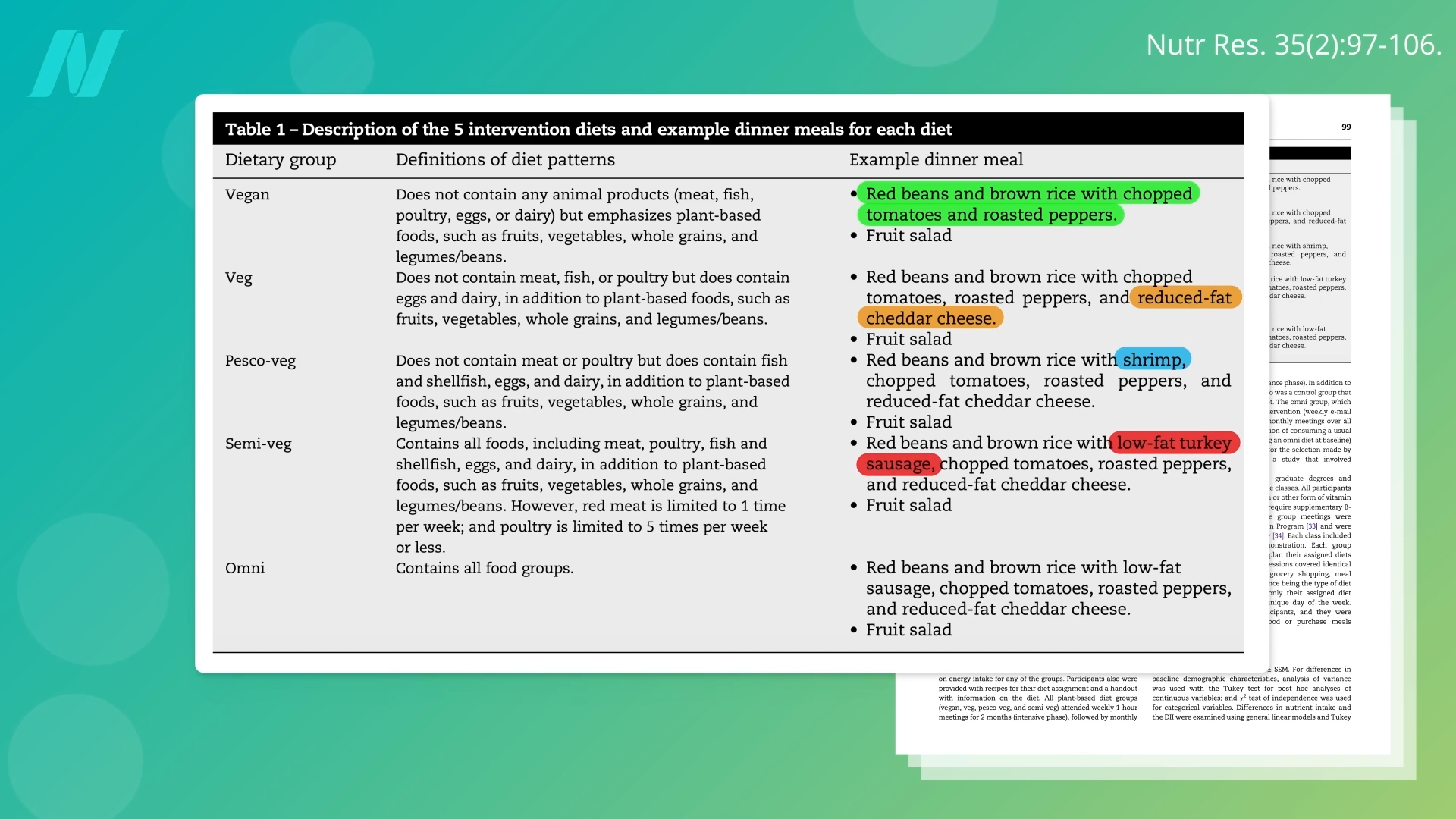
To address this, the renowned New DIETs study provided a more in-depth analysis of different dietary patterns. Participants were divided into groups that either continued their omnivorous diets or transitioned to a vegan, vegetarian, pesco-vegetarian, or semi-vegetarian diet, which involved limiting red meat intake. The study meticulously documented the dietary choices within each group, ranging from strictly plant-based meals to those that incorporated limited amounts of animal products.
Within two months, participants who adopted strictly plant-based nutrition, including vegan and vegetarian diets, demonstrated a significant shift in their Dietary Inflammatory Index (DII) scores. The DII is a validated measure that quantifies the inflammatory potential of an individual’s diet. Negative DII scores indicate an anti-inflammatory diet, with lower scores signifying greater anti-inflammatory capacity. Conversely, positive scores suggest a pro-inflammatory diet. The initial DII scores of the participants reflected the typical Western diet, characterized by a propensity towards inflammation, which is consistent with the high prevalence of inflammation-related diseases in the general population.
The study revealed a dramatic transformation in the DII scores of those who embraced entirely plant-based nutrition. Their diets flipped from being pro-inflammatory to decidedly anti-inflammatory. This positive shift was observed even in individuals who simply eliminated meat or all animal products except fish. However, diets that primarily focused on poultry or only limited meat intake did not achieve the same level of anti-inflammatory impact. This suggests that a more comprehensive reduction or elimination of animal products is crucial for achieving a significantly anti-inflammatory dietary profile.
Nuances of Plant-Based Eating: Whole Foods Reign Supreme
It is crucial to acknowledge that not all plant-based foods are inherently anti-inflammatory. Simply increasing the consumption of less healthy plant-based options, such as sugary juices, refined white bread, processed snacks, and excessive sweets, can paradoxically lead to increased inflammation. The key lies in the quality of the plant foods consumed.
A diet rich in whole, unprocessed plant foods, however, has been shown to yield remarkable health benefits. Such a diet has been associated with significant reductions in lipoprotein(a) [Lp(a)], a risk factor for cardiovascular disease that was previously thought to be largely unresponsive to dietary interventions. Furthermore, these diets have led to substantial decreases in LDL cholesterol, including the most dangerous forms of LDL cholesterol.
Across the board, individuals adhering to whole-food, plant-based diets have experienced significant reductions in inflammatory markers. Studies have reported drops of approximately 30% in C-reactive protein and 20% in IL-6 levels. These findings suggest that previous studies with plant-centered diets may have been limited by the continued substantial consumption of animal products. Therefore, a more stringent approach, such as the "elimination of animal products and processed foods," may indeed be a more prudent and effective dietary strategy for combating chronic inflammation.
Implications for Public Health and Individual Well-being
The growing body of scientific evidence on the anti-inflammatory properties of certain foods and dietary patterns carries significant implications for public health initiatives and individual health management. The ability to modulate inflammation through diet offers a powerful, non-pharmacological approach to preventing and managing a wide range of chronic diseases.
Supporting Data and Research: The research cited, from studies on berries and spices to comprehensive analyses of plant-based diets, provides robust data supporting the link between specific food choices and reduced inflammatory markers. The consistent findings across multiple studies, utilizing various methodologies and biomarkers, lend considerable weight to these conclusions. For instance, the repeated demonstration of reduced IL-6 and CRP levels following the adoption of anti-inflammatory dietary patterns underscores their tangible physiological impact.
Background Context: The understanding of inflammation as a root cause of many chronic diseases has evolved significantly over the past few decades. Initially viewed primarily as an acute response to injury or infection, it is now recognized as a chronic, underlying factor in conditions like atherosclerosis, type 2 diabetes, Alzheimer’s disease, and many forms of cancer. This paradigm shift has fueled the search for effective interventions, with diet emerging as a primary target.
Timeline of Understanding: While traditional medicine has long recognized the healing properties of certain foods, the scientific investigation into diet and inflammation has accelerated in recent decades. Early research focused on identifying individual pro-inflammatory foods. More recently, the focus has broadened to understanding the complex interactions within dietary patterns and the specific mechanisms by which whole foods exert their effects. The development and refinement of biomarkers like CRP and IL-6 have been crucial in providing objective measures of these inflammatory processes.
Broader Impact and Implications: The implications of this research are far-reaching. For individuals, it offers empowering knowledge to make informed dietary choices that can positively impact their long-term health and reduce their risk of chronic illness. For healthcare professionals, it provides evidence-based recommendations to guide patients towards healthier eating patterns. On a public health level, promoting anti-inflammatory diets could lead to a reduction in the burden of chronic diseases, thereby decreasing healthcare costs and improving overall population health. Furthermore, this research contributes to a growing understanding of personalized nutrition, where dietary recommendations are tailored to individual needs and genetic predispositions, though the current focus on broad dietary patterns remains highly effective.
The journey towards an anti-inflammatory diet is not about restrictive deprivation but rather about embracing a wealth of nutrient-dense, whole foods that actively support the body’s natural healing processes. By understanding the science behind these dietary choices, individuals can make informed decisions that contribute to a healthier, more vibrant life.
Doctor’s Note
For those seeking to understand the foods that can contribute to inflammation, a deeper dive into "Foods That Cause Inflammation" is recommended. Further exploration of plant-based dietary approaches and their benefits can be found in related posts, offering a comprehensive resource for those interested in optimizing their health through nutrition.






