
 admin
admin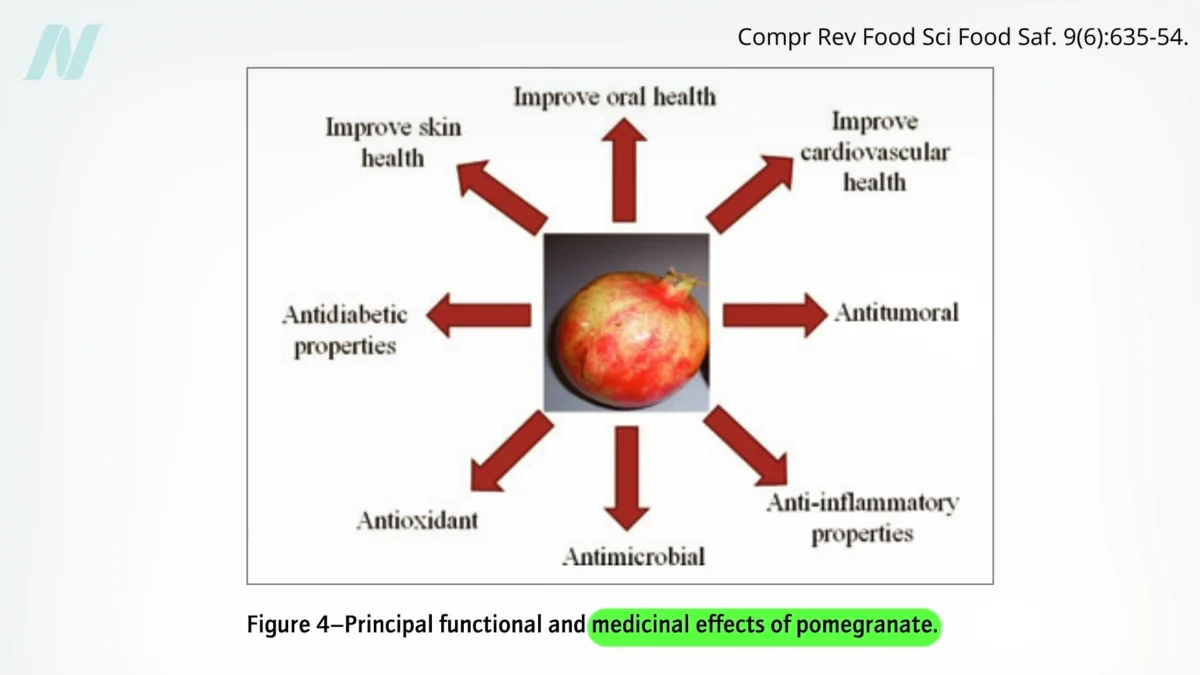
The once-lauded pomegranate, particularly in juice form, has faced increasing scientific and regulatory scrutiny regarding its purported health benefits. While early research and marketing campaigns suggested a broad spectrum of advantages, from weight management to the prevention of serious diseases like cancer and arthritis, a deeper dive into the scientific literature and legal battles reveals a more nuanced and often less conclusive picture. The journey of POM Wonderful, a prominent pomegranate juice company, through the U.S. legal system highlights the critical distinction between in-vitro promising results and robust human clinical evidence, setting a precedent for health claims made by food and beverage products.
The Legal Crucible: POM Wonderful vs. The FTC
The legal saga involving POM Wonderful and the Federal Trade Commission (FTC) served as a pivotal moment in regulating health claims for food products. The case, which ascended to the U.S. Court of Appeals and was ultimately denied review by the Supreme Court, centered on advertising claims made by POM Wonderful for its pomegranate juice. The company had aggressively promoted its products, touting medical studies that purportedly demonstrated their efficacy in treating, preventing, or reducing the risk of a range of ailments, including heart disease, prostate cancer, and erectile dysfunction.
In its ruling, a panel of judges concluded that many of POM Wonderful’s advertisements were indeed false or misleading. This decision underscored a fundamental principle of U.S. consumer protection law: the First Amendment does not extend protection to deceptive or misleading commercial speech. The court’s decision was a significant blow to the company and its owners, as it mandated a higher standard of evidence for substantiating health claims. Specifically, the ruling established that at least one randomized clinical trial would be required to support claims of treating or preventing disease. This set a new benchmark for the industry, demanding more rigorous scientific validation beyond preliminary or in-vitro studies.
Unpacking the Pomegranate’s Potential: A Look at the Evidence
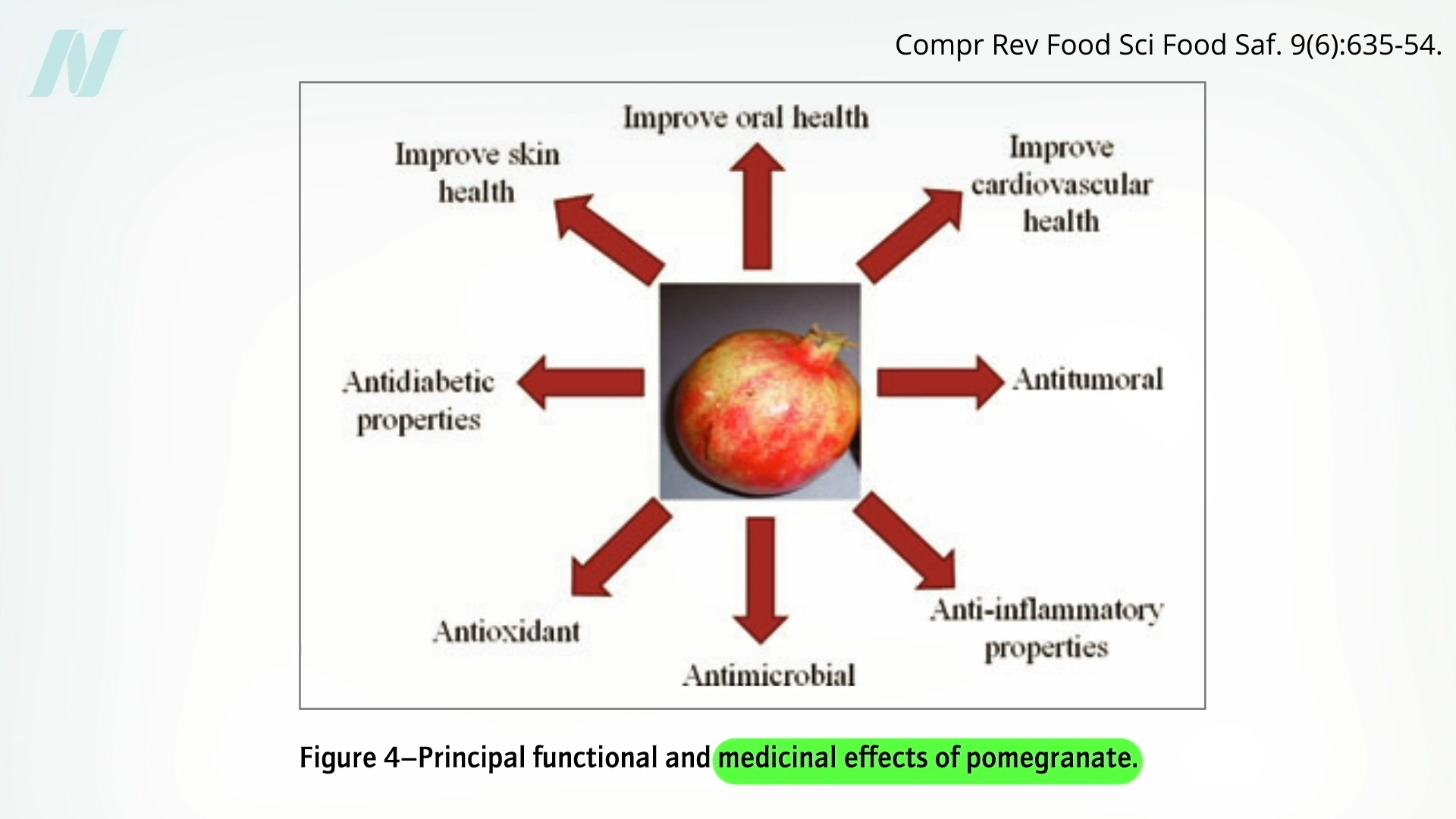
Despite the legal setbacks for companies making broad health claims, the pomegranate itself continues to be a subject of scientific interest. Reviews of the medical literature often highlight a range of potential benefits, frequently accompanied by illustrative diagrams of the fruit’s medicinal effects. However, a closer examination reveals that many of these purported benefits are based on research that does not directly translate to human health outcomes.

Weight Management and Cardiovascular Health: A Mixed Bag
Early enthusiasm for pomegranate’s role in weight loss, for instance, often stemmed from studies on animal models, such as research on the "antiobesity effects of pomegranate leaf extract in a mouse model." Such findings, while scientifically interesting, raise practical questions about their relevance to human consumption, as pomegranates are not typically consumed as leaves, and mouse physiology differs significantly from human physiology.
When the focus shifts to randomized controlled clinical trials in humans, the evidence for pomegranate’s impact on weight management appears to be less convincing. Comprehensive reviews of these trials indicate that pomegranates have no significant effect on body weight, body mass index (BMI), abdominal fat, or overall body fat percentage in individuals randomized to consume pomegranate products.
Similarly, claims regarding the prevention and treatment of cardiovascular diseases have not been consistently supported by robust human data. A review of 25 clinical trials examining parameters such as cholesterol levels, blood pressure, arterial function, atherosclerotic plaque formation, and platelet function failed to reveal significant indications of benefit, even in well-designed studies.
Erectile Dysfunction, Diabetes, and COPD: Limited Human Impact
POM Wonderful itself funded a study investigating the effect of pomegranate juice on erectile dysfunction. However, this study also failed to demonstrate a significant positive outcome. Further research into other common health concerns has yielded similarly inconclusive results. Studies examining the impact of pomegranate on diabetes markers have found no discernible benefit. Likewise, research into its effects on chronic obstructive pulmonary diseases (COPD), such as emphysema, has also observed no significant improvements.
The initial hypothesis for these potential benefits often revolved around the antioxidant properties of pomegranate juice. While pomegranates are rich in antioxidants, much of this evidence comes from in-vitro studies—experiments conducted in test tubes or petri dishes. A meta-analysis of data from eleven randomized controlled trials revealed that pomegranate intake did not convincingly increase the total antioxidant capacity in human bloodstream. This lack of bioavailability is a critical factor; some of the most potent antioxidants found in pomegranates may not be effectively absorbed by the human body. This could explain why pomegranate supplementation did not appear to influence oxidative stress in tissue samples from prostate cancer patients.
Prostate Cancer: Promising Beginnings, Unfulfilled Promises
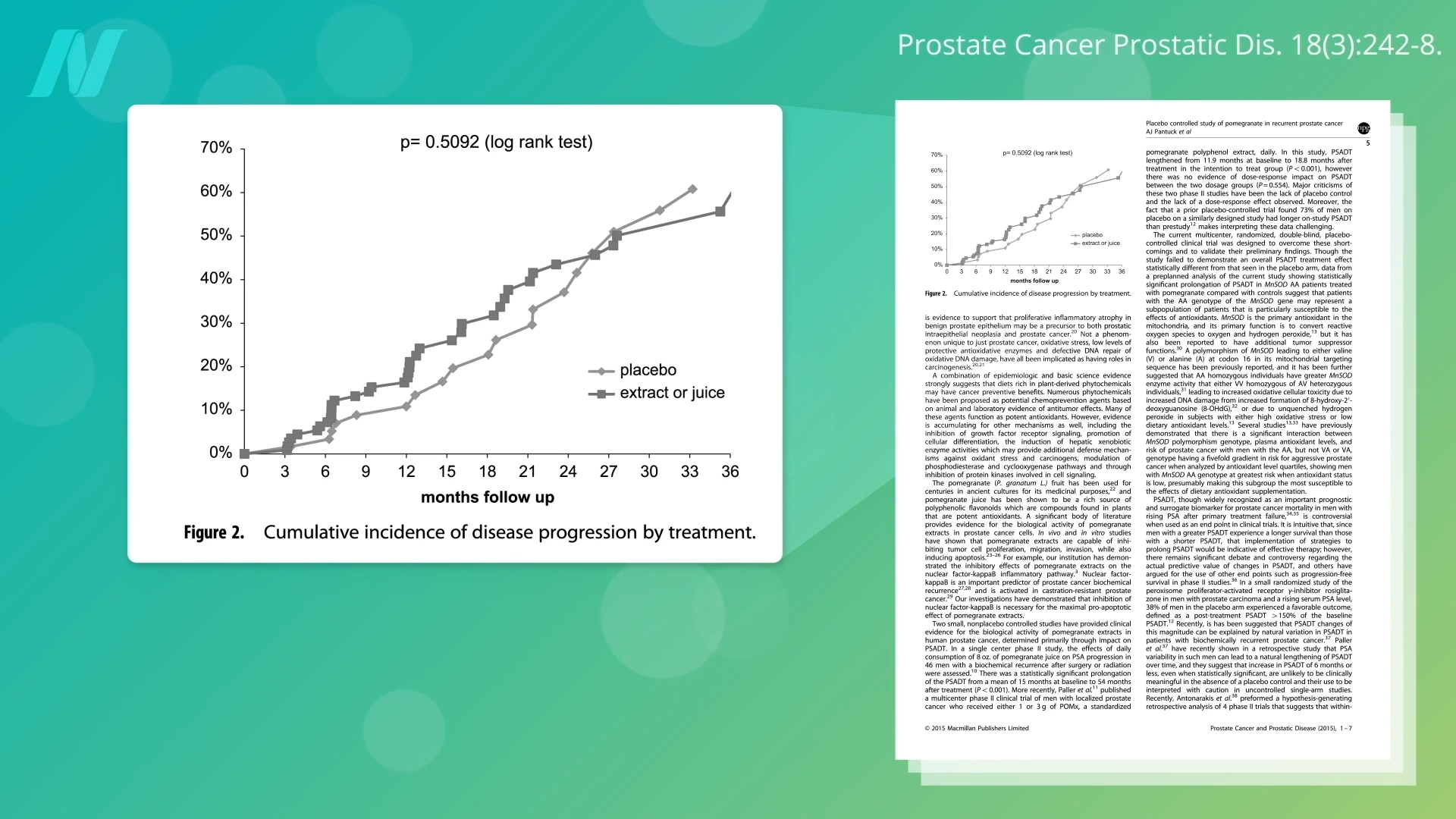
The strongest evidence for pomegranate’s potential anticancer activity has historically been linked to prostate cancer. However, early promising findings have not been consistently confirmed when subjected to rigorous clinical testing. For example, a randomized controlled trial found that daily pomegranate intake had no impact on prostate-specific antigen (PSA) levels, a key indicator of prostate tumor progression. Furthermore, a randomized, double-blind, placebo-controlled trial revealed essentially no difference in prostate cancer disease progression between those consuming pomegranate and a placebo group.
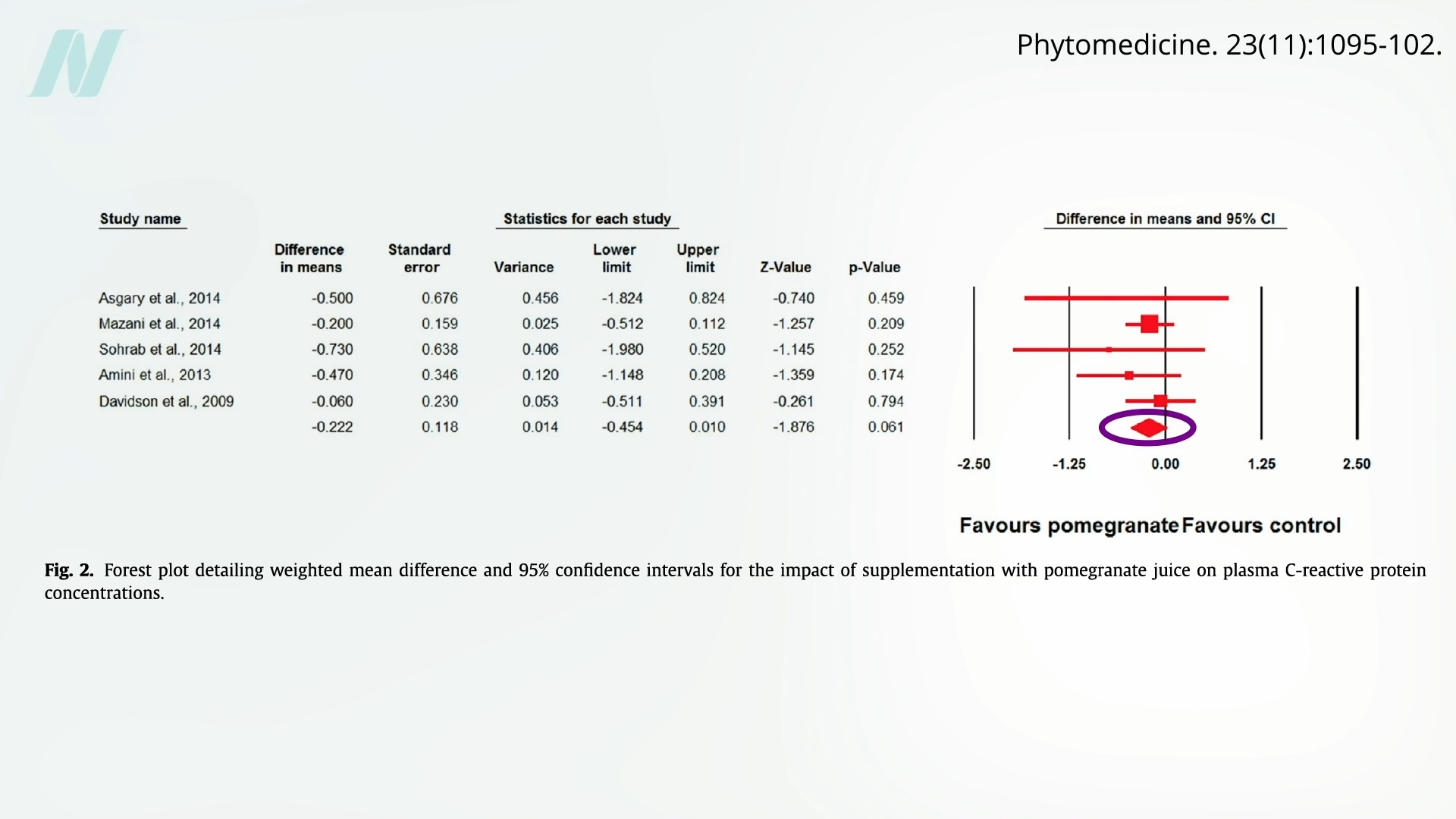
The rationale behind exploring pomegranate for prostate cancer often involved its anti-inflammatory properties. Again, much of this evidence was derived from in-vitro studies. In human trials, a meta-analysis of five randomized controlled trials, published in 2016, concluded that pomegranate juice did not significantly affect C-reactive protein (CRP) levels, a primary marker of inflammation. While a forest plot from this analysis suggested a trend towards lower CRP levels, the combined data almost, but did not quite, reach statistical significance.
However, a more recent updated meta-analysis, published in 2020 and based on seven studies, did cross the threshold into statistical significance. This analysis indicated a significant reduction in two other inflammatory markers, suggesting that pomegranate juice might indeed play a role in managing inflammatory diseases. This evolution in findings underscores the importance of ongoing research and the cumulative effect of multiple studies.
Osteoarthritis and Rheumatoid Arthritis: A Glimmer of Hope Amidst Uncertainty
Osteoarthritis, characterized by the degeneration of joint cartilage, has also been a focus of pomegranate research. Studies involving pomegranate extract applied to human osteoarthritic cartilage samples in laboratory settings have shown potential cartilage-protective effects. These in-vitro experiments demonstrated that inflammation significantly increases cartilage breakdown, but increasing concentrations of pomegranate extract appeared to mitigate this damage.
The critical question then becomes whether these effects translate to humans. Research has shown that components of pomegranate extract are bioavailable, at least in animal models like rabbits, raising the possibility of pomegranate serving as a safe and non-toxic treatment option with fewer side effects compared to conventional medications.
However, the first clinical trial on pomegranate juice and osteoarthritis yielded mixed results. While participants consuming pomegranate juice reported less stiffness and impairment of physical function, these improvements were not statistically significant compared to a control group.
A study investigating rheumatoid arthritis also presented challenges. An early study titled "Consumption of Hydrolyzable Tannins-Rich Pomegranate Extract Suppresses Inflammation and Joint Damage in Rheumatoid Arthritis" was found to be funded by the POM company and involved inducing joint damage in mice, which limited its direct applicability to human treatment.
An open-label study involving patients with active rheumatoid arthritis showed that some participants who consistently took pomegranate extract reported fewer tender joints. However, the absence of a control group in this study makes it difficult to ascertain the actual efficacy of the treatment.
A more definitive randomized, double-blind, placebo-controlled trial finally provided more robust evidence. In this study, participants unknowingly received either pomegranate extract or a placebo. The group receiving pomegranate extract demonstrated significant improvements in several key indicators, including the number of swollen and tender joints, pain intensity, disease activity scores, and morning stiffness, compared to the placebo group. This trial suggests that for individuals with rheumatoid arthritis, pomegranate consumption, particularly in extract form, may offer therapeutic benefits.
However, a significant caveat emerged when 19 pomegranate supplements were laboratory tested. A startling majority—13 out of 19—did not appear to contain any detectable pomegranate. Only 6 of the tested supplements were confirmed to be authentic. This finding highlights a critical issue in the supplement industry and underscores the importance of careful product selection and regulatory oversight. For those considering pomegranate for rheumatoid arthritis, sticking to the whole fruit might be a more reliable approach, ensuring direct consumption of the beneficial compounds rather than potentially unverified supplements.
Doctor’s Notes and Future Directions
The ongoing scientific investigation into pomegranates’ health benefits is a complex landscape. Previous reports, including those from 2011, have questioned the extent of the benefits associated with pomegranate juice. The scientific journey of this fruit, from promising in-vitro results to the rigorous demands of human clinical trials, serves as a crucial case study in how health claims are substantiated.
While the evidence for many of the initially proposed benefits remains inconclusive or unsubstantiated by robust human studies, recent findings in the area of inflammatory markers and rheumatoid arthritis offer a more optimistic outlook. The scientific community’s commitment to rigorous testing—especially through randomized, double-blind, placebo-controlled trials—is essential to accurately assess the true health potential of foods like the pomegranate. As research continues, a clearer picture of where and how pomegranates can contribute to human health is likely to emerge, guided by evidence rather than marketing claims.






