 admin
admin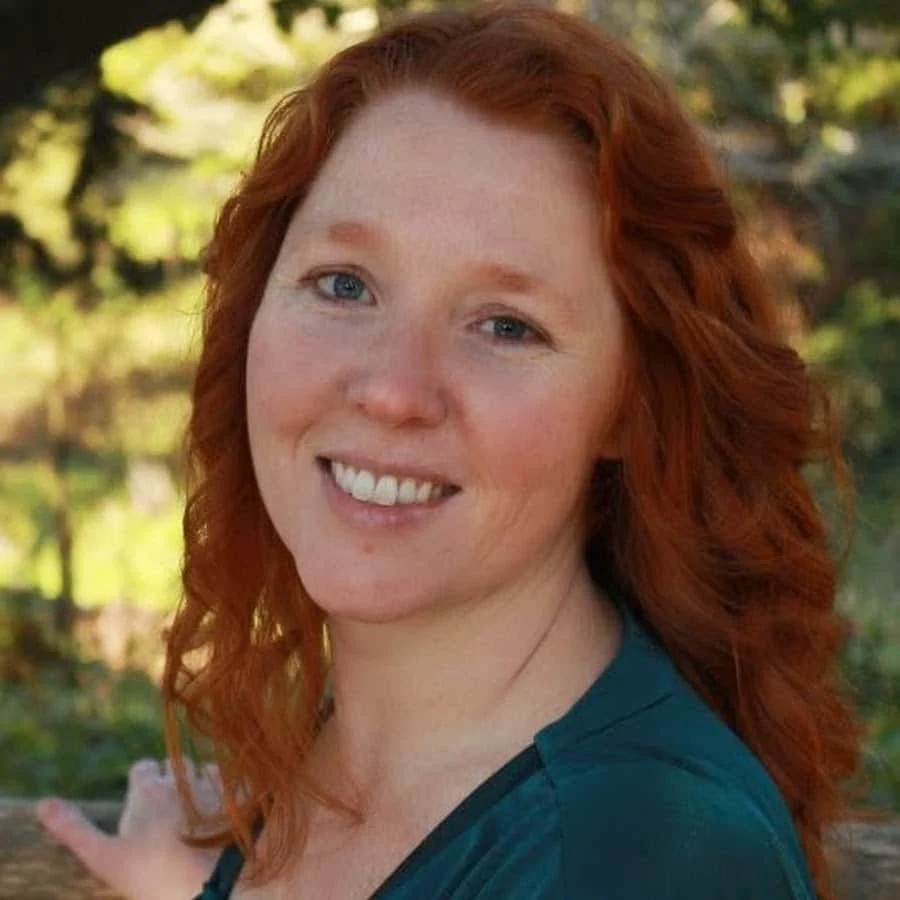
The landscape of trauma recovery and mental health advocacy has seen a significant addition with the release of Karen Carey’s new literary work, Unbroken: Turning Your Pieces Into Peace and Joy. This publication, which serves as both a personal memoir and a practical guidebook, arrives at a critical juncture in the field of psychological rehabilitation, particularly for individuals navigating the complexities of Complex Post-Traumatic Stress Disorder (CPTSD) and the aftermath of long-term abuse. The book is currently being highlighted by industry experts, including Rachel Grant, a prominent Sexual Abuse Recovery Coach and founder of Rachel Grant Coaching, who has tracked the development of Carey’s methodologies since 2017.
Unbroken is structured to address the non-linear nature of healing, a concept that is gaining increasing traction in contemporary trauma-informed care. By blending autobiographical accounts with actionable strategies—such as reflection prompts and embodied practices—Carey seeks to provide a comprehensive roadmap for self-discovery. This approach aligns with modern clinical perspectives that emphasize the importance of integrating somatic (body-based) awareness with cognitive processing to achieve lasting psychological resilience.
The Evolution of Trauma-Informed Literature and Professional Collaboration
The professional relationship between Karen Carey and Rachel Grant illustrates a growing network of trauma specialists dedicated to peer-supported recovery models. Since their initial meeting in 2017, both practitioners have focused on the concept of "post-traumatic growth," a psychological phenomenon where individuals experience positive psychological change as a result of struggling with highly challenging life circumstances. Grant, an established author herself with the publication of Beyond Surviving: The Final Stage in Recovery from Sexual Abuse, notes that Carey’s work reflects a deep synthesis of wisdom, compassion, and courage derived from lived experience.
The release of Unbroken comes as the CPTSD Foundation and similar organizations continue to advocate for resources that move beyond basic stabilization toward thriving. The foundation, which hosts guest contributions from experts like Grant, emphasizes that recovery is often a "messy" and "chaotic" process. This acknowledgment of the difficulty inherent in healing is a cornerstone of Carey’s narrative, which posits that the "broken pieces" of a survivor’s life are not indicators of permanent damage but are instead invitations to build a more resilient and integrated self.
Statistical Context: The Prevalence of Trauma and the Need for Resources
The necessity for accessible trauma recovery tools is underscored by national health statistics. According to the Centers for Disease Control and Prevention (CDC) and the landmark Adverse Childhood Experiences (ACE) study, nearly 61% of adults surveyed across 25 states reported they had experienced at least one type of ACE before the age of 18. Furthermore, approximately 1 in 6 adults reported experiencing four or more types of ACEs. These experiences are strongly linked to long-term health problems, mental illness, and substance misuse in adulthood.
In the specific context of sexual abuse—a primary focus of the Beyond Surviving program and Grant’s coaching—the data is equally stark. Statistics from the Rape, Abuse & Incest National Network (RAINN) indicate that an American is sexually assaulted every 68 seconds. For many survivors, the resulting trauma manifests as CPTSD, a condition characterized by emotional dysregulation, negative self-perception, and interpersonal difficulties. Books like Unbroken serve as vital adjuncts to professional therapy, providing survivors with the vocabulary and frameworks necessary to understand their symptoms and begin the journey toward "turning pieces into peace."
Methodology and Embodied Practices in Unbroken
One of the defining features of Carey’s work is the inclusion of "embodied practices." This refers to a category of therapeutic techniques that focus on the connection between the mind and the body. Research in neuroscience, particularly the work of Dr. Bessel van der Kolk, author of The Body Keeps the Score, suggests that trauma is stored in the somatic systems of the body, not just in the cognitive memory.
Carey’s roadmap for healing incorporates these findings by encouraging readers to engage in practices that ground the nervous system. These may include:

- Breathwork and Grounding: Techniques designed to interrupt the "fight-or-flight" response common in trauma survivors.
- Narrative Reframing: Using journaling and reflection prompts to reconstruct the personal story from one of victimhood to one of agency.
- Boundary Setting: Practical guidance on establishing healthy interpersonal limits, which is often a significant challenge for those who have experienced boundary violations in the past.
By integrating these elements, Unbroken offers more than just a theoretical overview of trauma; it provides a toolkit for daily management and long-term transformation.
Chronology of the Recovery Movement
The trajectory of trauma recovery literature has shifted significantly over the past two decades. In the early 2000s, much of the focus was on clinical diagnosis and the management of acute PTSD symptoms. However, the timeline of the last ten years shows a distinct movement toward holistic and survivor-led narratives.
- 2007: Rachel Grant begins utilizing the Beyond Surviving program, focusing on the specific needs of childhood sexual abuse survivors through the lens of neuroscience and counseling psychology.
- 2014: The publication of seminal works in somatic experiencing brings "embodied healing" into the mainstream mental health conversation.
- 2017: Carey and Grant begin their professional association, marking a period of intense development in their respective methodologies.
- 2020-Present: The global pandemic exacerbates mental health challenges, leading to a surge in demand for self-led recovery resources and virtual support communities like the CPTSD Foundation.
- Current Month: The release of Unbroken marks a new milestone in this timeline, offering a refined synthesis of memoir and clinical practice.
Professional Responses and Analysis of Implications
The reception of Carey’s book among trauma professionals has been positive, highlighting the value of "lived experience" in the therapeutic process. Rachel Grant’s endorsement emphasizes that the book is an "invitation to become more whole." This sentiment is echoed by mental health advocates who argue that the traditional medical model of psychiatry often pathologizes survivors rather than empowering them.
From a journalistic perspective, the implications of such publications are twofold. First, they democratize access to healing strategies. While professional therapy remains the gold standard for trauma treatment, the cost and availability of mental health care remain significant barriers for many. Books like Unbroken provide a low-cost entry point for survivors to begin their healing journey.
Second, these works contribute to the "de-stigmatization" of complex trauma. By sharing personal narratives of "brokenness" and "messy" recovery, authors like Carey and Grant challenge the societal expectation of "silent suffering." This openness encourages more individuals to seek support and participate in programs like Grant’s "Discover Your Genuine Self" sessions, which aim to help survivors move beyond mere survival into a state of genuine self-actualization.
Broader Impact on Mental Health Advocacy
The collaboration between independent authors and established organizations like the CPTSD Foundation signifies a robust ecosystem of support. The foundation’s role as a clearinghouse for information and a community hub allows for the rapid dissemination of new resources. The "Guest Post" model, as seen with Grant’s introduction of Carey’s book, ensures that diverse voices and specialized expertise reach a wide audience of survivors and clinicians.
Furthermore, the emphasis on "tiny actions" and "small steps"—as advocated in the closing of Grant’s commentary—reflects a sophisticated understanding of the window of tolerance in trauma recovery. For individuals with highly sensitized nervous systems, the prospect of "healing" can feel overwhelming. The strategy of breaking down recovery into manageable tasks (e.g., journaling, setting one boundary) is a clinically sound approach that prevents re-traumatization and builds self-efficacy.
As the field of traumatology continues to evolve, the integration of memoir-based guidance and practical exercises is likely to become a standard component of recovery literature. Karen Carey’s Unbroken stands as a testament to the power of intentional transformation, reinforcing the principle that while the experience of trauma may be fracturing, the process of repair can result in a life that is both beautiful and resilient.
The ongoing efforts of practitioners like Carey and Grant, supported by the infrastructure of the CPTSD Foundation, represent a shift toward a more compassionate and comprehensive understanding of the human capacity to overcome adversity. For the millions of individuals globally living with the effects of complex trauma, these resources offer more than just information; they offer a tangible sense of hope and a structured path toward peace and joy.