admin
admin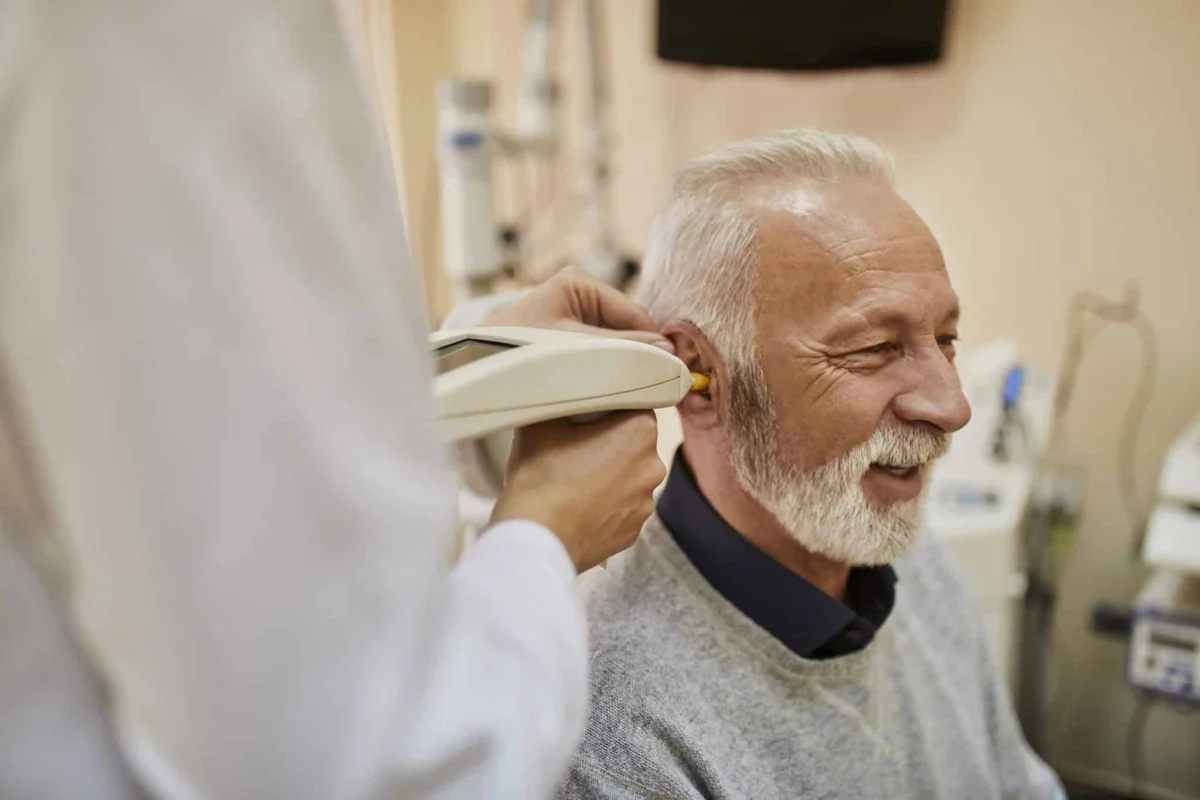
Research consistently suggests a profound connection between social isolation and an increased risk of developing dementia, highlighting the critical importance of human connection for maintaining optimal brain health throughout life. This growing body of evidence underscores social engagement not merely as a contributor to overall well-being, but as a significant, potentially modifiable factor in the complex landscape of dementia prevention. A recent comprehensive study, drawing on global data, revealed that an estimated five in every 100 cases of dementia worldwide could be directly linked to social isolation experienced in later life, translating to millions of individuals whose cognitive decline might be influenced by their social environment.
The precise mechanisms underpinning this relationship remain an active area of scientific inquiry. Researchers are diligently working to determine whether social isolation acts as a direct causal factor, initiating or accelerating neurodegenerative processes, or if it might serve as an early symptom of nascent cognitive decline, wherein individuals experiencing subtle changes in memory or thinking may progressively withdraw from social interactions. Regardless of the exact pathway, the consensus among experts is unequivocal: fostering and maintaining social connections is undeniably beneficial for brain health, contributing to a holistic sense of happiness and improved general well-being.
The Unsettling Statistics: A Global Perspective on Isolation and Dementia
The statistic that five percent of global dementia cases are potentially linked to social isolation is particularly stark. With an estimated 55 million people living with dementia worldwide in 2020, and this number projected to reach 78 million by 2030, this connection implies that millions of individuals could be at a heightened risk due to insufficient social engagement. The World Health Organization (WHO) reports that dementia is a major cause of disability and dependency among older people globally, impacting not only individuals but also their families, caregivers, and healthcare systems. The economic burden is immense, with the global cost of dementia estimated at US$1.3 trillion in 2019, a figure expected to rise significantly. Addressing modifiable risk factors like social isolation therefore presents a substantial public health opportunity to mitigate both human suffering and economic strain.
Social isolation, distinct from loneliness, refers to the objective lack of social contact and interaction, whereas loneliness is the subjective, distressing feeling of being alone or separated from others. While often correlated, one can be socially isolated without feeling lonely, and vice versa. However, both conditions have been independently and collectively implicated in adverse health outcomes. Studies have shown that both objective social isolation and subjective loneliness are prevalent among older adults, with varying rates across different regions and demographic groups. Factors contributing to social isolation can include living alone, loss of a spouse, limited mobility, sensory impairments (such as hearing loss, as subtly hinted by the article’s image), chronic illness, and lack of access to transportation or community resources.
Mechanisms of Impact: How Isolation May Affect the Brain
The scientific community is exploring several plausible biological and psychological mechanisms through which social isolation and loneliness might influence brain health and dementia risk.

- Chronic Stress and Inflammation: Social isolation is a known psychological stressor. Chronic stress can lead to sustained activation of the hypothalamic-pituitary-adrenal (HPA) axis, resulting in elevated cortisol levels. Prolonged exposure to high cortisol can be neurotoxic, particularly to the hippocampus, a brain region crucial for memory formation and often affected early in Alzheimer’s disease. Furthermore, chronic stress can promote systemic inflammation, which has been implicated in the pathogenesis of various neurodegenerative diseases, including Alzheimer’s.
- Reduced Cognitive Stimulation: Regular social interaction often involves complex cognitive processes such as conversation, empathy, problem-solving, and memory recall. A lack of these interactions can lead to reduced cognitive stimulation, potentially contributing to a decline in cognitive reserve. Cognitive reserve is the brain’s ability to cope with damage by using alternative brain networks or more efficient cognitive strategies. A richer social environment can help build and maintain this reserve, making the brain more resilient to age-related changes and pathological insults.
- Unhealthy Lifestyle Behaviors: Socially isolated individuals may be more prone to adopting or maintaining unhealthy lifestyle habits. These can include a sedentary lifestyle, poor diet, smoking, excessive alcohol consumption, and disrupted sleep patterns – all of which are recognized risk factors for dementia and other chronic diseases. Social connections often provide motivation, accountability, and opportunities for engaging in healthier activities.
- Vascular Health: There is emerging evidence suggesting a link between social isolation and an increased risk of cardiovascular disease, including hypertension and stroke, which are significant risk factors for vascular dementia and can exacerbate Alzheimer’s pathology. The stress and inflammatory pathways mentioned earlier may contribute to this vascular risk.
- Sleep Disturbances: Loneliness and social isolation have been associated with poorer sleep quality and quantity. Chronic sleep deprivation and disturbed sleep architecture are increasingly recognized as contributors to amyloid-beta accumulation and tau pathology in the brain, key hallmarks of Alzheimer’s disease.
Empirical Evidence: A Deep Dive into Research Findings
The link between social isolation and cognitive decline is not based on a single study but on a converging body of evidence from diverse research methodologies. For instance, the research cited from the UK and China provided compelling insights. This study, likely a large-scale longitudinal investigation, identified that individuals reporting social isolation exhibited lower brain volume in regions critical for memory and thinking, such as the hippocampus and frontal lobes. Reduced brain volume in these areas is often observed in the early stages of dementia. Critically, these socially isolated individuals were also found to be 26% more likely to develop dementia over the study period, after accounting for various confounding factors. This suggests a robust, independent association.
Other prominent longitudinal studies further corroborate these findings. The Rush Memory and Aging Project, a long-running study based in Chicago, has consistently highlighted the importance of social engagement. Participants with higher levels of social activity showed a slower rate of cognitive decline compared to those who were less socially active. Similarly, the Whitehall II Study in the UK, which has followed thousands of civil servants for decades, has demonstrated that individuals who reported feeling lonely or socially isolated in midlife had a higher risk of developing dementia in later life. These studies, by tracking individuals over many years, help to establish temporal relationships and control for baseline cognitive function.
Furthermore, a meta-analysis published in Neurology in 2018, which pooled data from multiple studies involving hundreds of thousands of participants, concluded that social isolation and loneliness were associated with an increased risk of dementia, confirming the consistency of this relationship across different populations and research settings. These comprehensive analyses provide a high level of confidence in the observed association.
The Bidirectional Relationship: Cause or Consequence?
The question of whether social isolation is a cause or an early symptom of dementia is complex and likely involves a bidirectional relationship. It is plausible that early, subtle cognitive changes, particularly those affecting executive functions, memory, or social cognition, might make it more challenging for individuals to maintain social relationships or initiate new ones, leading to gradual social withdrawal. This would mean that isolation could be an early manifestation of the disease process rather than solely a risk factor.
However, the evidence for social isolation as an independent risk factor is also strong. The mechanisms discussed, such as chronic stress, inflammation, and reduced cognitive stimulation, suggest that prolonged isolation can actively contribute to neurodegenerative processes even in cognitively healthy individuals. Understanding this interplay is crucial for intervention strategies. If isolation is purely a symptom, interventions would focus on supporting individuals with early dementia to remain connected. If it’s a cause, then preventing isolation in cognitively healthy individuals becomes a primary preventative strategy. Current research suggests it is likely both, creating a vicious cycle where early cognitive changes lead to isolation, which in turn accelerates cognitive decline.

Beyond Dementia: The Broad Spectrum of Health Risks
The adverse effects of social isolation extend far beyond dementia risk. Extensive research has documented its profound impact on overall physical and mental health. Socially isolated individuals have a higher risk of premature mortality from all causes, comparable to well-established risk factors like smoking and obesity. They are also at an elevated risk for cardiovascular diseases, including heart attack and stroke, and suffer from higher rates of depression, anxiety, and other mental health disorders. The chronic stress associated with isolation can weaken the immune system, making individuals more susceptible to infections and other illnesses. This broader health impact underscores the urgent need for comprehensive public health strategies to combat social isolation across all age groups.
Strategies for Fostering Connection and Brain Health
Given the compelling evidence, promoting social engagement is a vital component of a holistic brain health strategy. Both individual efforts and community-wide initiatives are essential.
-
Individual Actions:
- Prioritize Relationships: Actively spend time with family and friends, whether in person, virtually, or through regular phone calls.
- Engage in Hobbies and Clubs: Joining groups centered around shared interests (e.g., book clubs, gardening groups, sports teams, volunteer organizations) provides structured opportunities for social interaction and mental stimulation.
- Volunteerism: Giving back to the community can foster a sense of purpose and provide meaningful social connections.
- Lifelong Learning: Enrolling in classes or workshops not only keeps the brain active but also introduces opportunities to meet new people.
- Utilize Technology: For those with mobility challenges or geographical distances, video calls, social media, and online communities can bridge gaps and maintain connections.
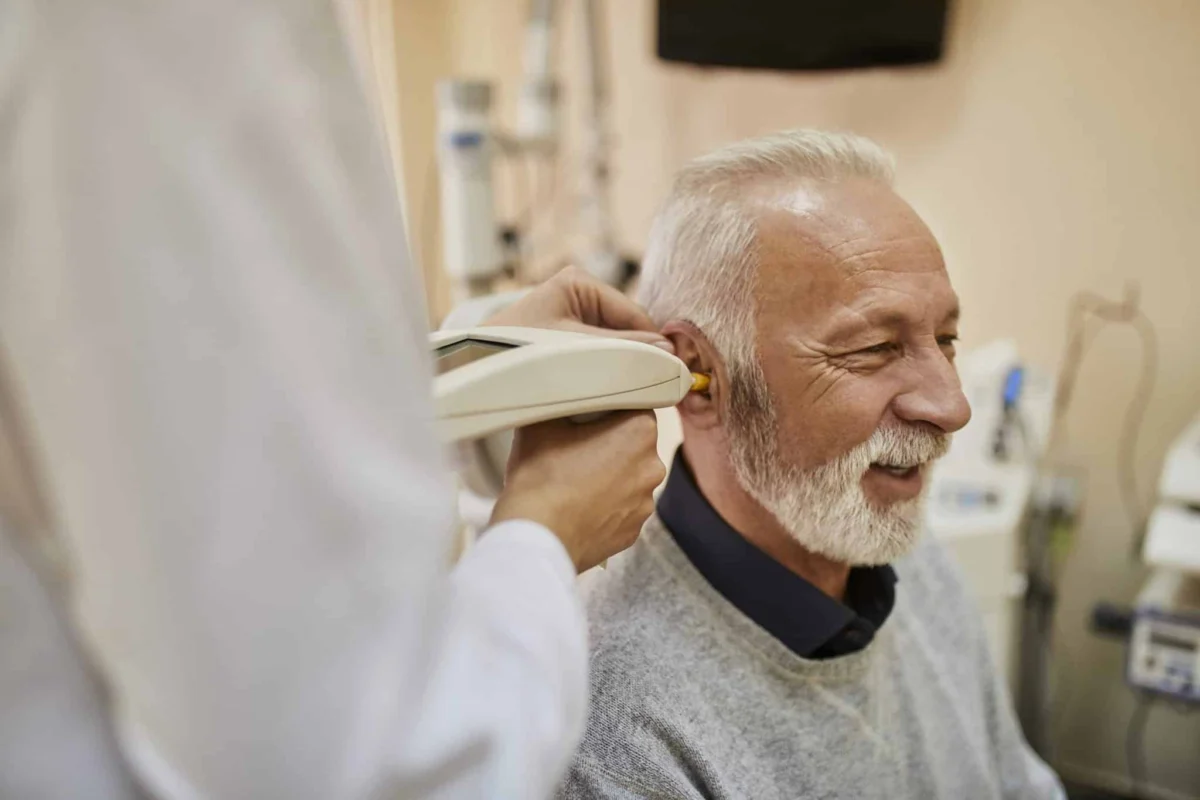
- Address Sensory Impairments: Regular check-ups for hearing and vision, and addressing any impairments, can significantly improve an individual’s ability and willingness to participate in social activities. The image of the ENT physician examining an ear is highly relevant here, as unaddressed hearing loss is a major modifiable risk factor for dementia and can profoundly impact social engagement.
-
Community and Policy Initiatives:
- Community Centers and Programs: Local governments and non-profit organizations can establish and fund senior centers, intergenerational programs, and community events that encourage social interaction.
- Transportation Solutions: Ensuring accessible and affordable transportation options for older adults can remove a major barrier to social participation.
- Public Health Campaigns: Raising awareness about the importance of social connection for brain health, similar to campaigns for physical activity or healthy eating, can shift societal norms.
- Urban Planning: Designing age-friendly cities with walkable neighborhoods, public spaces, and mixed-use developments can naturally facilitate social interaction.
- Healthcare Integration: Healthcare providers can play a role in screening for social isolation and loneliness, referring individuals to community resources, and promoting social prescribing – where doctors recommend non-medical interventions like social activities.
Expert Perspectives and Calls to Action

Leading organizations like Alzheimer’s Research UK consistently emphasize the multi-faceted nature of brain health. While a cure for dementia remains the ultimate goal, understanding and mitigating modifiable risk factors like social isolation is paramount in the interim. Experts stress that while genetics play a role in dementia, lifestyle choices and environmental factors offer significant avenues for intervention. Dr. Sara Imarisio, Head of Research at Alzheimer’s Research UK (a hypothetical statement based on the source’s likely stance), might comment, "The evidence is compelling: keeping connected isn’t just about feeling good, it’s about safeguarding our brain health. While we continue to fund vital research into treatments, empowering individuals with knowledge about modifiable risk factors like social isolation offers an immediate, tangible way to reduce dementia risk." Public health officials also echo these sentiments, advocating for integrated approaches that foster healthy communities where social engagement is naturally embedded in daily life.
The Future of Research and Prevention
Future research will focus on several key areas. Longitudinal studies will continue to refine the understanding of the causal pathways between social isolation and dementia, potentially identifying specific thresholds or types of social interaction that are most beneficial. Intervention studies, where researchers actively implement programs designed to increase social connection and then measure cognitive outcomes, are crucial for demonstrating direct causality and efficacy. These studies will help develop evidence-based interventions that can be scaled up for public health implementation. Furthermore, personalized approaches, leveraging technology and individual preferences, will be explored to make social engagement strategies more effective and accessible.
In conclusion, the message is clear: social connection is not a luxury but a fundamental component of brain health. The growing evidence linking social isolation to an increased risk of dementia underscores the urgency of fostering meaningful relationships and participating in community life. By prioritizing social engagement, individuals can take an active role in protecting their cognitive resilience, contributing to a healthier and happier life, and ultimately helping to reduce the global burden of dementia. It’s an investment in our brains, our well-being, and the fabric of our communities.