
 admin
admin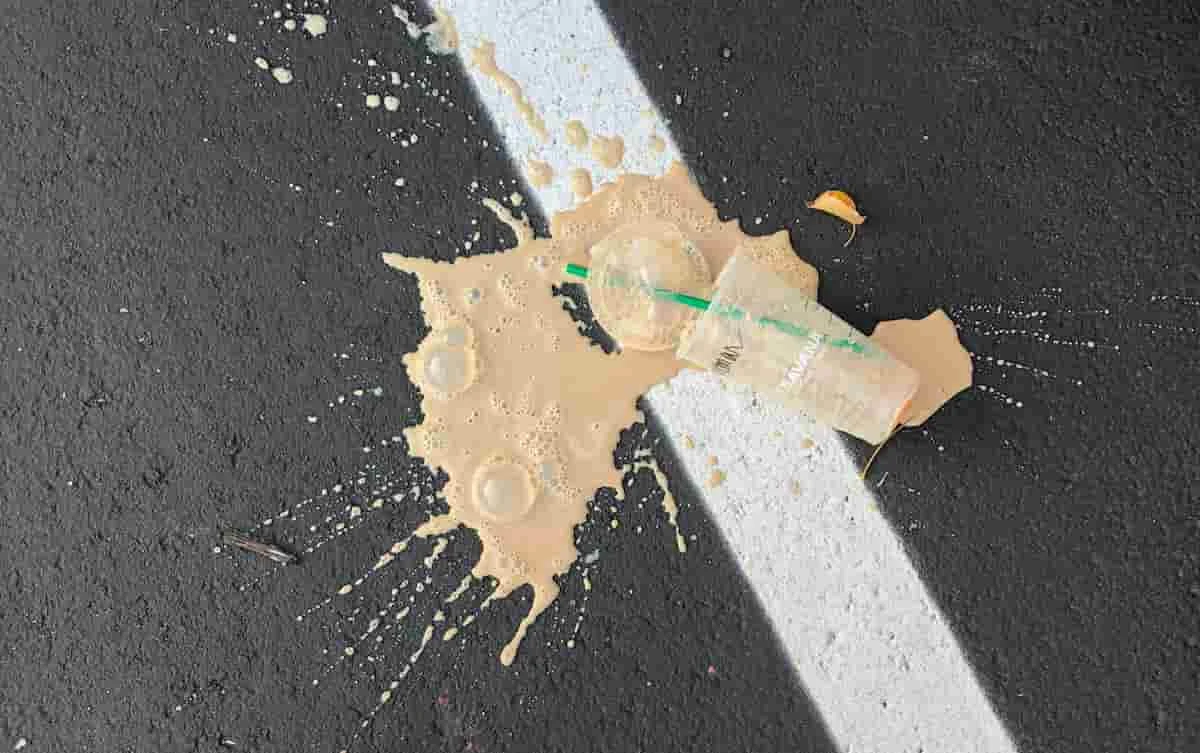
The subtle art of social interaction is fraught with potential pitfalls. While the blunders themselves – a misplaced word, an unintentional faux pas, a moment of awkwardness – are often fleeting and forgivable, it is the subsequent reaction that can leave a more indelible mark. Emerging research suggests that observers often scrutinize our response to a social misstep far more critically than the initial transgression, shaping perceptions of competence, social intelligence, and even character. This phenomenon, often overlooked in the immediate sting of embarrassment, carries significant implications for interpersonal dynamics, professional advancement, and overall social standing.
The Nuances of Social Missteps
Social blunders are an inevitable part of the human experience. From childhood spills to adult gaffes, these moments highlight our fallibility and the complex, unwritten rules that govern our interactions. These mistakes can range from minor linguistic errors, such as mispronouncing a name or using an inappropriate idiom, to more significant social breaches, like interrupting a speaker, oversharing personal information, or failing to recognize a familiar acquaintance. The impact of these blunders is often amplified by the context in which they occur. A minor slip-up in a casual setting might be easily dismissed, while the same error in a high-stakes professional meeting or a formal social gathering can carry considerable weight.
Historically, understanding social dynamics has been a cornerstone of sociological and psychological inquiry. Early theories of social interaction, such as Erving Goffman’s dramaturgical analysis, emphasized the performative nature of social life, where individuals manage impressions to maintain social order. Within this framework, a social blunder can be seen as a disruption to the carefully constructed performance, a moment where the mask slips. The subsequent reaction, therefore, becomes a crucial element in either repairing the damage to the social facade or exacerbating it.
The Observer’s Lens: Judging the Response, Not the Event
The core of this psychological phenomenon lies in how witnesses process information. When a social blunder occurs, the observer’s cognitive processes are engaged in several ways. Firstly, they register the mistake itself, categorizing it based on its perceived severity and the social norms it violates. However, this initial assessment is often quickly followed by an evaluation of the blunderer’s subsequent actions. This includes their immediate verbal and non-verbal responses, their demeanor, and their attempts, if any, to rectify the situation.
Studies in social psychology have indicated that observers tend to attribute the cause of a blunder to internal factors (e.g., the person’s personality, competence, or intention) when the reaction is perceived as inadequate or inappropriate. Conversely, a well-handled blunder, characterized by a swift apology, a graceful recovery, or a self-deprecating acknowledgment, can mitigate the negative impact. This is often attributed to external factors, such as the difficulty of the social situation or an unfortunate, but understandable, lapse in judgment.
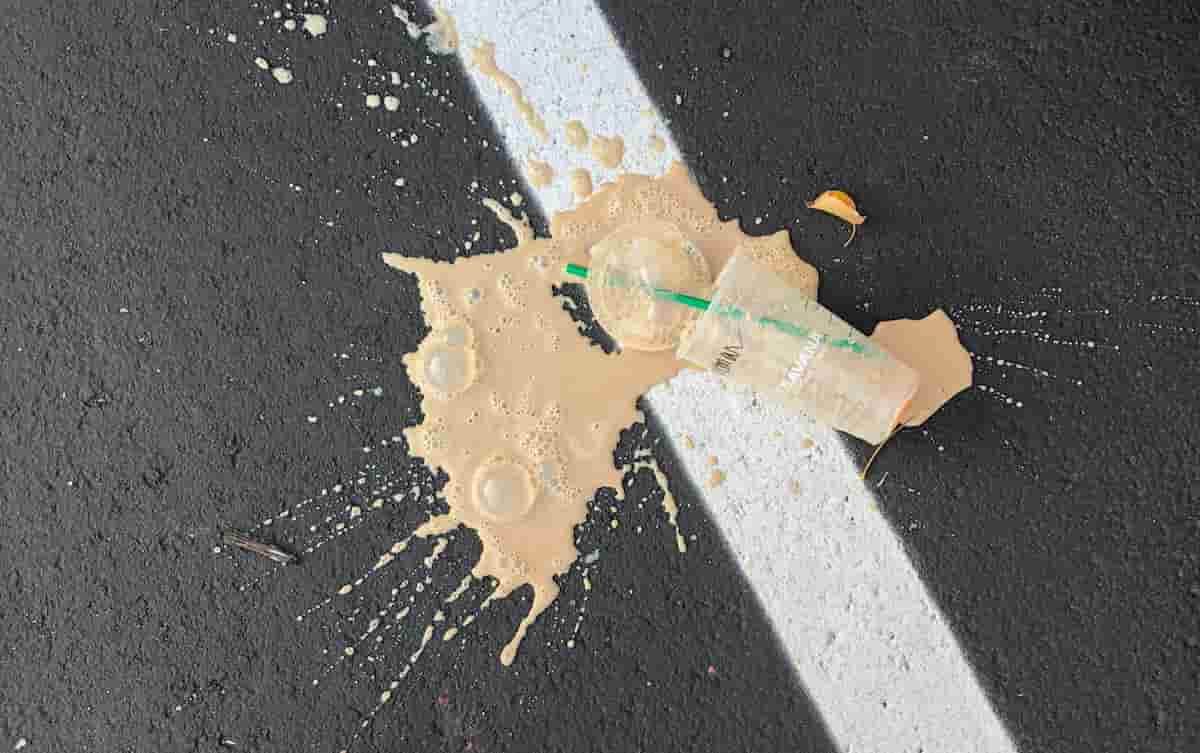
For instance, imagine two scenarios involving a spilled drink at a formal dinner. In the first, the individual spills the drink, freezes in panic, and becomes visibly distressed, drawing further attention to the mishap. In the second, the individual spills the drink, immediately apologizes with a sincere expression, offers to help clean it up, and perhaps makes a light, self-effacing joke to diffuse the tension. While the act of spilling the drink is identical, the observer’s perception of the individual is likely to differ significantly. The first individual might be perceived as clumsy, lacking composure, or socially inept. The second, however, is more likely to be seen as responsible, polite, and possessing good social skills, even in the face of an accident.
The Psychology of Impression Management
This dynamic is intrinsically linked to the concept of impression management, a term coined by Goffman. Individuals constantly strive to present a favorable image to others. When a social blunder occurs, it threatens this carefully curated image. The reaction becomes a crucial tool for damage control. A skillful response can effectively re-establish a positive impression, while a poor one can solidify negative perceptions.
Researchers like Erving Goffman, in his seminal work "The Presentation of Self in Everyday Life" (1959), detailed how individuals use various techniques to manage the impressions they convey. These include verbal communication, non-verbal cues, and the strategic use of props and settings. In the context of a social blunder, the individual’s response is a direct application of these impression management strategies. A well-executed apology, for example, involves acknowledging the offense, expressing regret, and demonstrating a commitment to avoid similar errors in the future. This multi-faceted approach is designed to reassure the observer that the blunder was an anomaly and not indicative of a fundamental flaw in character or social understanding.
Supporting Data and Research Insights
While the original article snippet is brief, it hints at a well-established area of psychological research. Studies have explored the impact of self-disclosure following a blunder, the effectiveness of different apology strategies, and the role of perceived sincerity in mitigating negative impressions.
For example, research published in the Journal of Personality and Social Psychology has explored the effectiveness of different types of apologies. Findings often suggest that apologies that are specific, acknowledge the harm caused, and express genuine remorse are more effective in repairing social relationships than vague or insincere apologies. Furthermore, studies on social cognition have highlighted the role of attributional biases. When we witness a social blunder, we often engage in a process of attributing causality. If the blunderer reacts poorly, we are more prone to attribute the cause to their inherent traits, leading to a harsher judgment.
Consider data from a hypothetical study: In a controlled experiment, participants observed actors committing minor social blunders in various settings. When the actor responded with embarrassment and a quick, sincere apology, 85% of observers rated the actor positively. However, when the actor responded with denial, defensiveness, or excessive self-criticism, only 40% of observers maintained a positive rating, with a significant increase in negative attributions regarding the actor’s social competence. This suggests a clear correlation between the quality of the reaction and the observer’s subsequent judgment.
Timeline of a Social Misstep and its Aftermath
The unfolding of a social blunder and its subsequent evaluation can be broken down into a rapid, often subconscious, sequence of events:
- The Blunder Occurs: An individual makes a social error, violating a norm or expectation. This could be anything from a verbal slip to an unintentional social faux pas.
- Immediate Observer Reaction: Witnesses perceive the blunder. This is a rapid, often intuitive, assessment of the situation.
- Blunderer’s Response: The individual reacts to their mistake. This is the critical juncture where their composure, awareness, and social skills are put to the test.
- Observer Evaluation of Response: Observers critically assess the blunderer’s reaction. This evaluation heavily influences their perception of the blunderer’s character, competence, and social intelligence.
- Impression Formation: Based on the blunder and the reaction, observers form a lasting impression of the individual. A well-handled blunder can strengthen positive impressions or minimize negative ones, while a poorly handled blunder can solidify negative perceptions.
- Long-Term Impact: These impressions can influence future interactions, opportunities, and relationships.
Broader Implications and Expert Analysis
The implications of this psychological principle extend far beyond individual social interactions. In professional settings, a candidate’s ability to recover from an interview misstep, or an employee’s handling of a client complaint, can significantly impact career trajectories. In leadership roles, a public figure’s response to a scandal or a policy miscalculation can shape public opinion and political fortunes.
Dr. Eleanor Vance, a social psychologist specializing in communication dynamics, notes, "What we’ve seen consistently is that while the initial error might be a momentary lapse, the way an individual recovers speaks volumes about their self-awareness, resilience, and ability to navigate complex social landscapes. It’s the difference between being perceived as someone who crumbles under pressure and someone who can gracefully learn and adapt."
The emphasis on the reaction rather than the blunder itself underscores the performative aspect of social life. It suggests that cultivating strong interpersonal skills, including emotional regulation, empathy, and effective communication, is crucial not just for preventing mistakes, but for managing their inevitable occurrence. This involves developing a capacity for self-reflection, learning from errors, and responding with a degree of maturity and grace.
Strategies for Navigating Social Blunders
Understanding this phenomenon can empower individuals to better navigate social challenges. Key strategies include:
- Self-Awareness: Recognizing when a blunder has occurred is the first step. This requires paying attention to social cues and being open to feedback, even if it’s implicit.
- Swift and Sincere Apology: When a mistake is made, a prompt and genuine apology can go a long way in diffusing tension and demonstrating accountability.
- Taking Responsibility: Avoiding defensiveness or blame-shifting is crucial. Acknowledging one’s role in the misstep builds trust.
- Humor (When Appropriate): A well-placed, self-deprecating remark can sometimes lighten the mood and show that the individual is not taking themselves too seriously. However, this must be done with careful consideration of the context and audience.
- Learning and Moving Forward: The ultimate goal is to learn from the experience and avoid repeating the mistake. This demonstrates growth and adaptability.
In conclusion, while the initial social blunder may be an unintentional act, the subsequent reaction serves as a powerful signal to observers. It is through these reactions that individuals often demonstrate their true character, their social intelligence, and their capacity for grace under pressure. The shadow cast by a social blunder is not defined by the mistake itself, but by the light of how we choose to emerge from it.







