admin
admin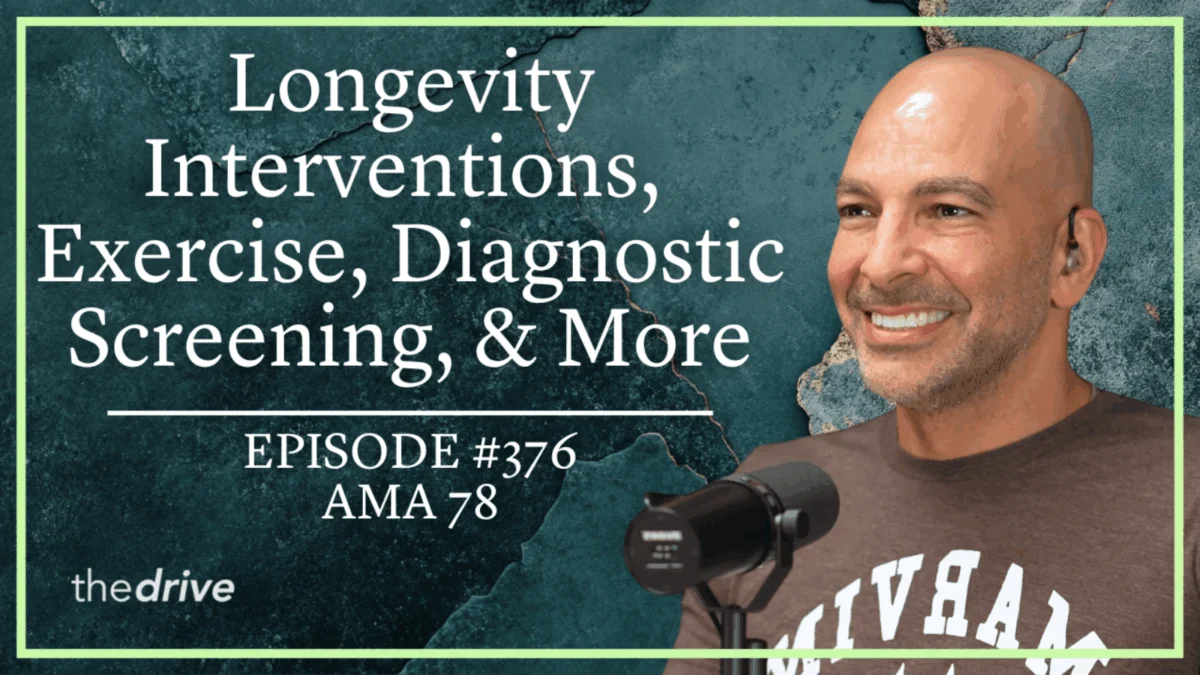
The evolution of modern medicine is increasingly shifting from a reactive model to a proactive, preventative framework, a transition Dr. Peter Attia frequently categorizes as the move from "Medicine 2.0" to "Medicine 3.0." In his most recent "Ask Me Anything" (AMA) session, the longevity specialist and physician addressed a broad spectrum of listener inquiries, ranging from cardiovascular risk management and metabolic health to the physiological nuances of hormone replacement therapy. The session served as a comprehensive deep dive into the practical applications of longevity science, emphasizing that the most effective interventions for extending both lifespan—the number of years lived—and healthspan—the quality of those years—are often accessible but frequently underutilized by the general public and traditional medical systems.
The Primacy of Physical Exercise in Longevity Science
Central to the discussion was the identification of the single most impactful lever for improving human longevity. Dr. Attia asserted that physical exercise stands as the "non-negotiable" foundation of a long and healthy life, surpassing nutritional interventions, pharmacological supplements, and even sleep in its ability to reduce all-cause mortality. Supporting data from numerous epidemiological studies suggests a staggering correlation between cardiorespiratory fitness and survival. For instance, individuals in the highest tier of VO2 max—a measure of the body’s ability to utilize oxygen—exhibit a nearly five-fold reduction in all-cause mortality compared to those in the lowest quintile.
The physiological benefits of exercise are twofold, involving both cardiorespiratory capacity and muscular strength. Dr. Attia noted that muscle mass and strength are not merely aesthetic goals but are critical biomarkers of longevity. Sarcopenia, the age-related loss of muscle mass, is a primary driver of frailty and accidental falls, which remain a leading cause of injury-related death in the elderly. To motivate patients in their middle years, Attia utilizes a framework known as the "Centenarian Decathlon." This conceptual tool asks patients to identify ten physical tasks they wish to perform in their final decade of life—such as lifting a 30-pound grandchild, carrying groceries, or getting up from the floor unassisted. By working backward from these goals, clinicians can design training regimens that build the "reserve" necessary to offset the inevitable physiological decline of aging.
Advanced Cardiovascular Risk Assessment and Management
A significant portion of the session was dedicated to the complexities of cardiovascular disease (CVD), which remains the leading cause of death globally. Dr. Attia addressed a common misconception regarding the Coronary Artery Calcium (CAC) score. While a CAC score of zero is often interpreted as a clean bill of health, Attia warned that this only indicates an absence of calcified, or "hard," plaque. It does not account for "soft" or non-calcified plaque, which is more prone to rupture and can lead to acute cardiac events.
The physician emphasized the importance of measuring apolipoprotein B (apoB) over standard LDL cholesterol panels. ApoB provides a more accurate count of the total number of atherogenic particles—those capable of entering the arterial wall and initiating the buildup of plaque. The discussion highlighted that even metabolically healthy individuals with low blood pressure and normal glucose levels can harbor high levels of apoB, placing them at significant long-term risk. Attia advocated for early and aggressive intervention to lower apoB levels, suggesting that the cumulative "area under the curve" of exposure to these particles is the primary determinant of cardiovascular risk.
Furthermore, the management of blood pressure was identified as a critical, yet often poorly handled, aspect of preventative care. Chronic hypertension causes cumulative damage to the delicate endothelial lining of the blood vessels and increases the risk of stroke and cognitive decline. The session detailed the necessity of accurate, frequent monitoring and the early use of pharmacological interventions when lifestyle modifications fail to bring blood pressure into an optimal range, typically cited as below 120/80 mmHg.
Metabolic Health Beyond Glycemic Control
The AMA also explored the nuances of metabolic health, moving beyond the traditional reliance on Hemoglobin A1c (HbA1c) as the primary diagnostic tool. While HbA1c provides a three-month average of blood glucose, it can mask significant fluctuations and early-stage insulin resistance. Dr. Attia discussed the utility of continuous glucose monitors (CGMs) for non-diabetics as a tool for understanding individual glycemic responses to different foods and stressors.
The conversation touched upon the treatment of prediabetes and the limitations of time-restricted eating (TRE). While TRE is a popular weight-loss strategy, Attia noted that it can often lead to inadequate protein intake and subsequent muscle loss if not carefully managed. For many patients, the focus should shift from the timing of meals to the quality of nutrients—specifically the reduction of ultra-processed foods—and the maintenance of a positive protein balance to support muscle synthesis. The goal of metabolic intervention is to maintain high insulin sensitivity, ensuring the body can efficiently partition nutrients into muscle tissue rather than storing them as visceral fat.
Nuanced Approaches to Hormone Therapy and Diagnostic Screening
Addressing the controversial topic of hormone replacement therapy (HRT), Dr. Attia provided a balanced perspective on its use for both men and women. For women transitioning through menopause, HRT can be a vital tool for maintaining bone density, cognitive function, and cardiovascular health, provided it is tailored to the individual’s risk profile. Similarly, Testosterone Replacement Therapy (TRT) for men was discussed not as a "lifestyle drug," but as a medical intervention to address symptomatic hypogonadism and its associated risks, such as decreased muscle mass and low mood.
The session concluded with a call for expanded and earlier diagnostic screening for chronic diseases. Dr. Attia argued that the current guidelines for many screenings are designed for population-level cost-effectiveness rather than individual optimization. He advocated for:
- Early Colonoscopies: Moving the baseline screening to age 45 or earlier, depending on family history, due to the rising incidence of early-onset colorectal cancer.
- Aggressive PSA Monitoring: Utilizing prostate-specific antigen tests more effectively to track velocity and trends rather than single data points.
- Advanced Imaging: The use of low-dose CT scans for lung cancer screening in at-risk individuals and coronary CT angiography (CCTA) to identify soft plaque that a CAC score might miss.
Chronology of Longevity Medicine Development
The insights shared in this AMA are part of a broader chronological shift in medical thought. Throughout the 20th century (Medicine 2.0), the medical establishment focused on treating acute illnesses and infectious diseases. However, as the population ages, the "Four Horsemen" of chronic disease—atherosclerosis, cancer, neurodegenerative disease, and type 2 diabetes—have become the primary threats.
Over the last decade, researchers and clinicians like Dr. Attia have synthesized data from gerontology, cardiology, and endocrinology to create a proactive playbook. This timeline includes the 2013 publication of the "Hallmarks of Aging" paper, which provided a cellular framework for understanding decline, and the subsequent rise of "biohacking" and "longevity" as mainstream health interests. The current era is defined by the democratization of health data through wearables and the push for personalized medicine based on genetic and phenotypic markers.
Analysis of Implications and Broader Impact
The implications of adopting a "Medicine 3.0" approach are profound for both the individual and the healthcare system. By prioritizing exercise and early screening, society could significantly reduce the economic burden of chronic disease. According to the World Health Organization, non-communicable diseases (NCDs) kill 41 million people each year, equivalent to 74% of all deaths globally. A shift toward the interventions discussed by Dr. Attia could potentially delay the onset of these diseases by decades.
However, this proactive approach also highlights a growing disparity in healthcare access. Many of the diagnostics and interventions discussed—such as apoB testing, CCTA scans, and CGMs—are often not covered by standard insurance for preventative purposes, creating a "longevity gap" between different socioeconomic groups.
Furthermore, the emphasis on high-intensity training and rigorous monitoring requires a level of health literacy and time commitment that may be difficult for the average person to maintain. Nevertheless, the core message remains clear: the most powerful tools for a long life are not found in a future "miracle pill" but in the disciplined application of exercise, nutritional science, and early diagnostic vigilance today. As the medical community continues to digest these findings, the focus will likely remain on how to scale these individualized strategies to improve public health at large.