
 admin
admin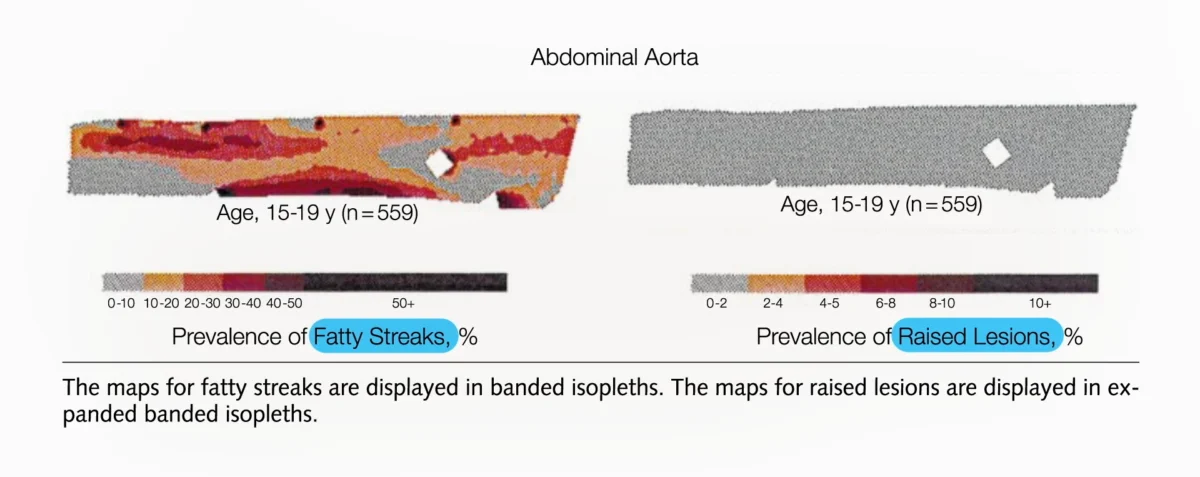
The stark disparity between the impact of healthy lifestyle choices and pharmaceutical interventions on heart attack risk underscores a critical, yet often overlooked, aspect of cardiovascular health: prevention and early intervention. While medications offer a valuable tool in managing existing conditions, emerging research and established scientific understanding point towards a far more potent, foundational approach to safeguarding the heart. This approach, rooted in fundamental lifestyle decisions, possesses the remarkable capacity to reduce the risk of heart attack by an astounding 90%, dwarfing the typically observed 20% to 30% risk reduction offered by many drugs. This significant difference highlights the profound influence of long-term, consistent healthy habits over the more reactive, albeit necessary, use of medication later in life.
The insidious progression of atherosclerosis, commonly known as the hardening of the arteries and the leading cause of death globally for both men and women, begins far earlier than many realize. Scientific investigations have illuminated a deeply concerning timeline, revealing that the foundational stages of this life-threatening condition can manifest as early as adolescence. This critical insight challenges the conventional approach of addressing heart disease only when symptoms appear, advocating instead for a paradigm shift towards preventative measures initiated in youth.
The Early Onset of Atherosclerosis: A Teenager’s Arteries Under Siege
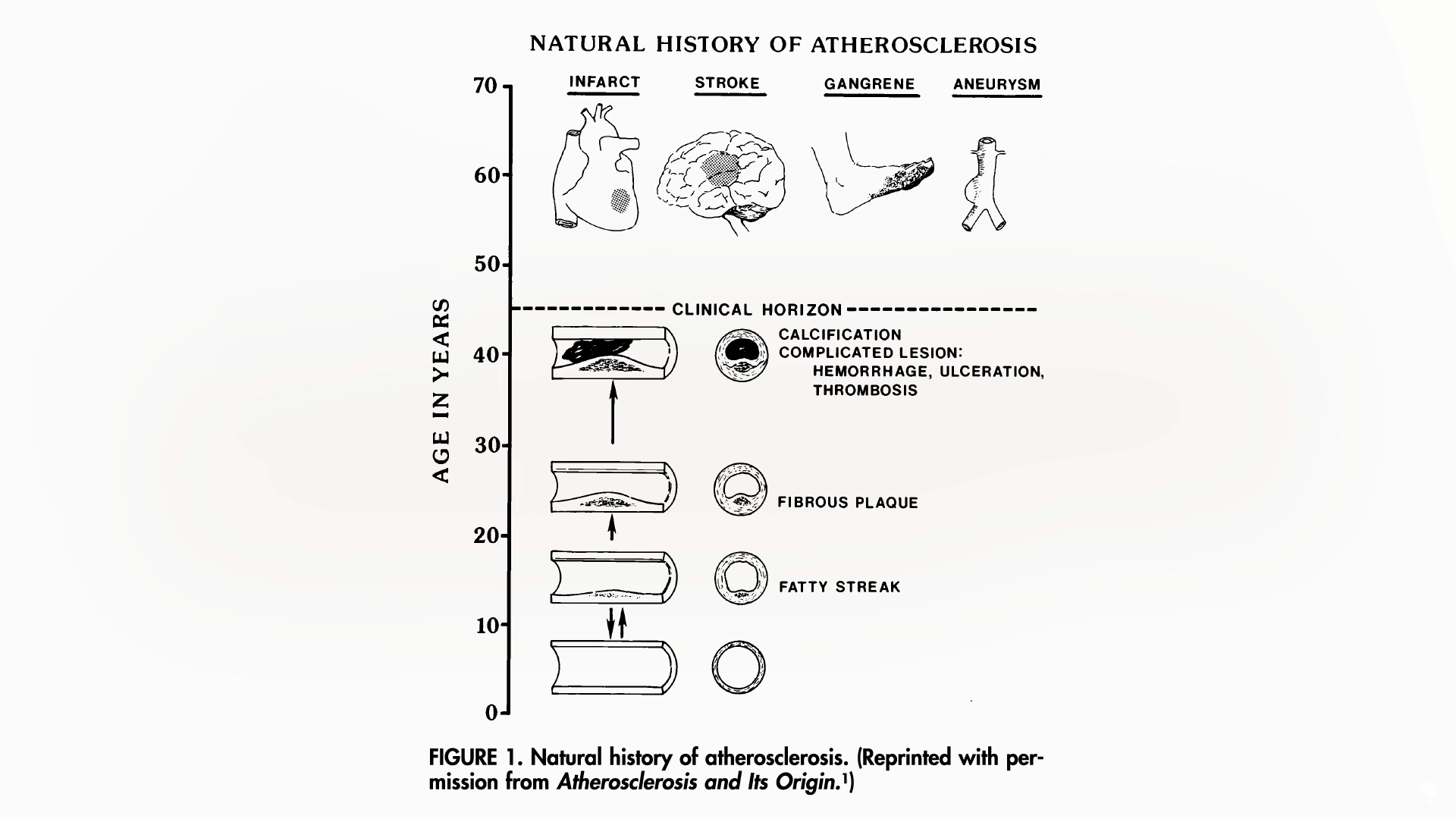
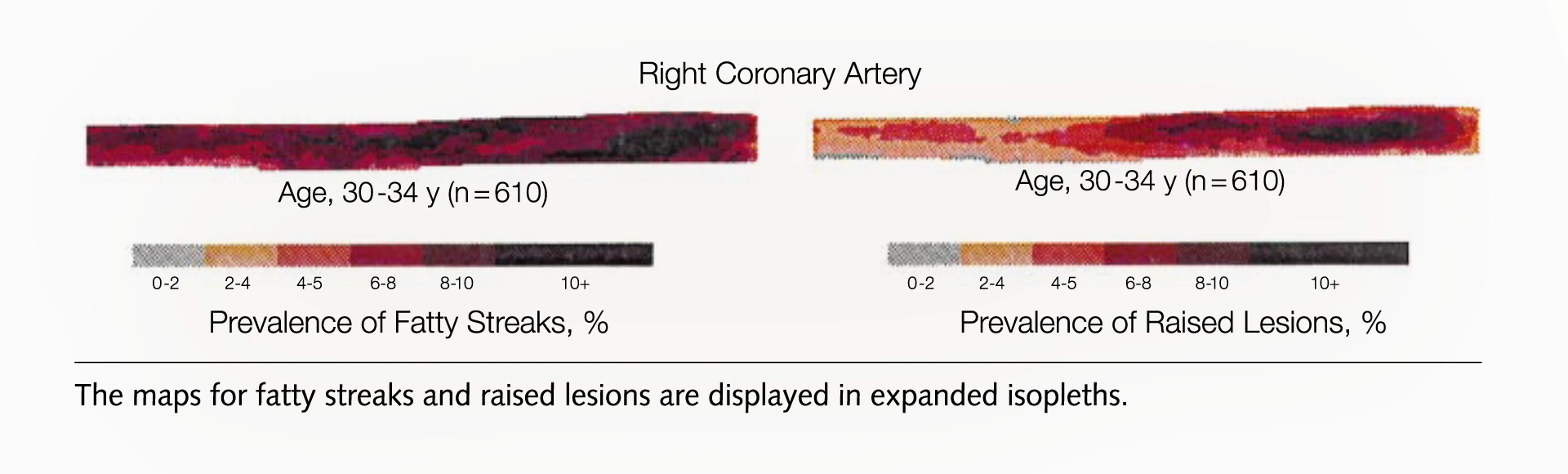
Compelling evidence from extensive research projects paints a clear picture of atherosclerosis’s early infiltration. A seminal study, examining approximately 3,000 sets of coronary arteries and aortas from individuals aged 15 to 34 who tragically died due to accidents, homicides, and suicides, provided alarming data. The findings indicated that the earliest signs of arterial damage, characterized by fatty streaks, can indeed commence in the teenage years. These nascent fatty streaks, if left unaddressed, can evolve into more advanced atherosclerotic plaques during an individual’s twenties, progressively worsening through their thirties, and ultimately leading to potentially fatal cardiovascular events.

The implications of this early onset are profound. Atherosclerosis in the coronary arteries, which supply blood to the heart muscle, can culminate in a heart attack. Similarly, the narrowing and hardening of arteries in the brain can lead to a stroke, another devastating medical emergency. Visual representations of this arterial progression, often depicted in scientific literature and educational materials, demonstrate a clear visual trajectory from initial fatty streaks to fully formed, obstructive plaques.
A Pervasive Problem: 100% of Teens Exhibit Early Signs
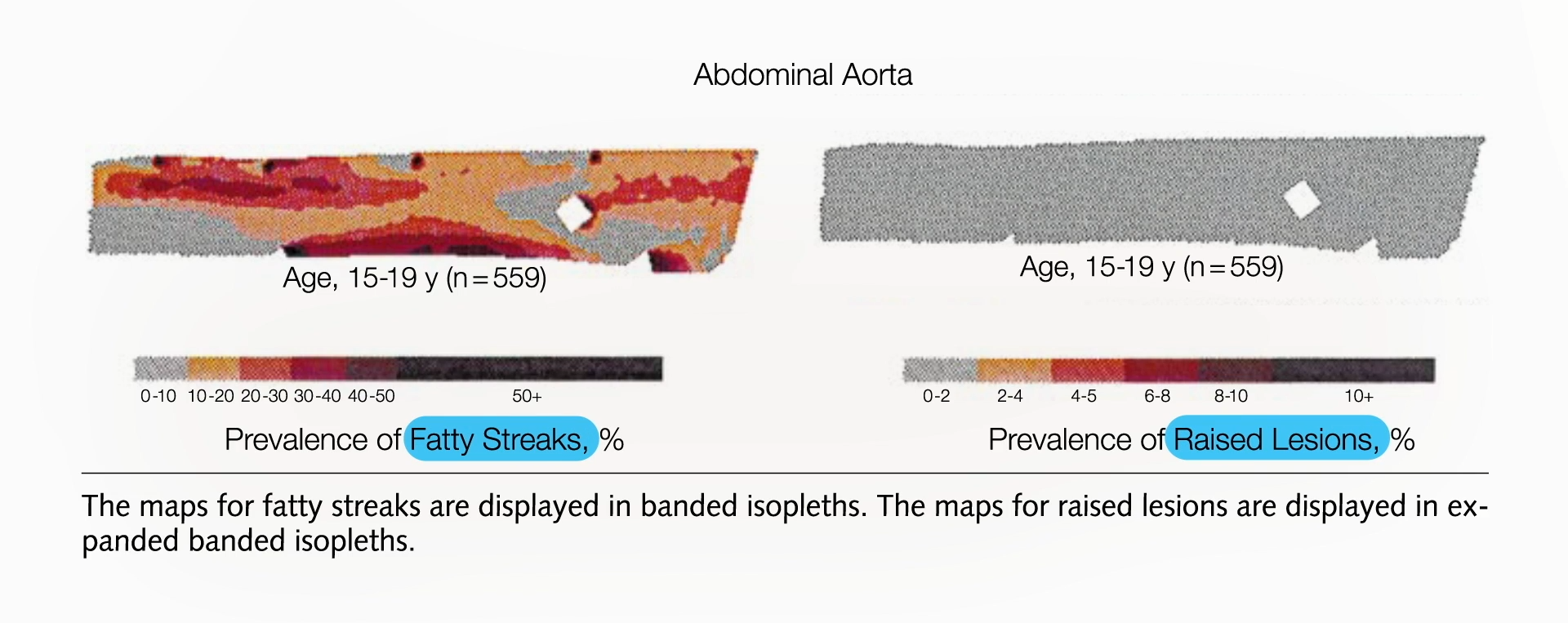
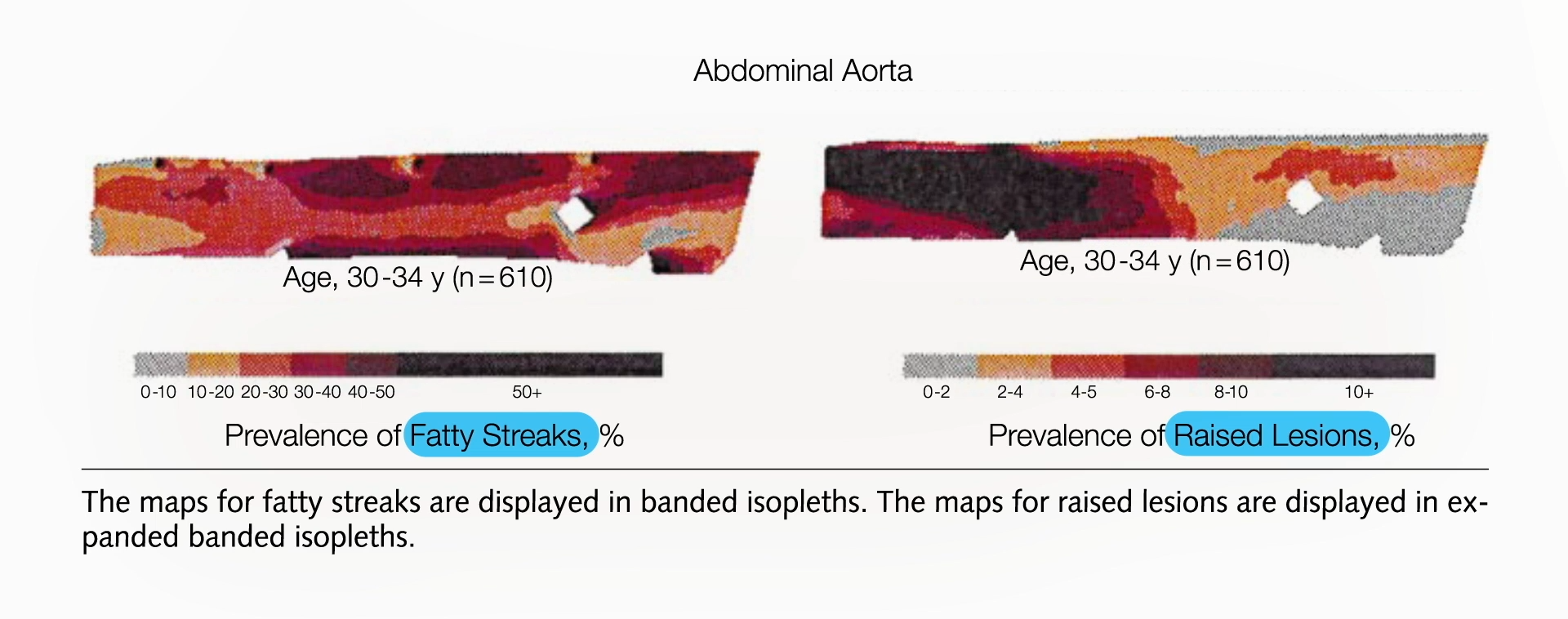
The scope of this early arterial damage is not a niche occurrence; it is alarmingly widespread. The aforementioned research found that a staggering 100% of the teenagers studied exhibited fatty streaks within their arteries. By their early thirties, a significant majority had progressed beyond these initial fatty streaks to develop atherosclerotic plaques that protruded into the arterial lumen, narrowing the passageway for blood flow.
Further detailed analysis revealed a chronological pattern of plaque development. From ages 15 to 19, fatty streaks were observed throughout the aortas of the young individuals. However, on average, distinct plaques had not yet formed in this age group. The emergence of plaques began to be noted in the abdominal aorta in the early twenties and showed a marked worsening by the late twenties. By the early thirties, the arteries were in a considerably deteriorated state, with both fatty streaks and advanced plaques present.
This pattern was not confined to the general arterial system; it extended to the critical coronary arteries that nourish the heart. Researchers documented a similar progression: fatty streaks in adolescents, early signs of plaque formation in the early twenties, and by the early thirties, most individuals already harbored plaques in their coronary arteries. This consistent finding across different arterial segments underscores the systemic nature of atherosclerosis and its pervasive early development.
The Imperative for Early Intervention: A Parallel to Other Chronic Diseases
The recognition that atherosclerosis initiates in youth carries a critical message: waiting until heart disease becomes symptomatic is a fundamentally flawed strategy. Just as individuals would not delay treatment for a growing cancerous tumor or wait for vision loss to address diabetes, proactive measures against atherosclerosis must begin at an early age.
The primary mechanism for combating atherosclerosis involves lowering LDL (low-density lipoprotein) cholesterol levels. This is most effectively achieved through dietary modifications that reduce the intake of saturated fat and cholesterol. Foods that are typically high in these components, such as eggs, meat, and dairy products, alongside processed "junk" foods, are key targets for dietary reduction.
A Call for Lifestyle Revolution: Addressing the Root Cause
To effectively combat the epidemic of heart disease, a significant societal shift in lifestyle habits is required, ideally beginning in infancy or early childhood. While such a proposal might seem "radical" to some, its necessity is undeniable given that atherosclerosis remains the leading cause of death. The success seen in drastically reducing smoking rates and subsequent lung cancer incidence offers a powerful precedent for the potential impact of concerted public health efforts and behavioral change.
The safety and efficacy of healthy eating habits, even strictly plant-based diets, are well-established. The Academy of Nutrition and Dietetics, a leading professional organization, affirms that plant-based diets are appropriate for all life stages, commencing from pregnancy. This provides robust scientific backing for the promotion of plant-centric eating patterns as a cornerstone of cardiovascular health.
The Power of Lifelong LDL Suppression: A Genetic Analogy
The concept of "curing atherosclerosis" has been posited as the next major goal in cardiovascular prevention. Strong evidence supporting the efficacy of lifelong LDL suppression comes from observations of individuals with a specific genetic mutation in the PCSK9 gene. Approximately 1 in 50 African Americans are born with this mutation, which naturally lowers their LDL cholesterol levels by about 40% throughout their lives.
Remarkably, these individuals exhibit dramatically lower rates of coronary heart disease – an 88% reduction in risk compared to those without the mutation, even when other cardiovascular risk factors are present. Many with this mutation maintain high blood pressure, are overweight, a significant portion smoke, and nearly 20% have diabetes. Yet, the protective effect of a lifelong history of low LDL cholesterol levels demonstrably mitigates the impact of these adverse factors, substantially reducing the risk of coronary heart disease.
Duration of Low LDL: The Key Differentiator
This near-90% reduction in events like heart attacks or sudden cardiac death occurred in individuals with an average LDL level of 100 mg/dL, contrasting with the 138 mg/dL average in those without the genetic mutation. This observation suggests that LDL cholesterol levels can effectively be lowered below 100 mg/dL.
The critical question then arises: why does a genetic mutation leading to a 40 mg/dL drop in LDL cholesterol reduce coronary heart disease risk by nearly 90%, while statin drugs, which can achieve a similar reduction, only lower risk by approximately 20%? The most plausible explanation centers on the duration of these low LDL levels. When it comes to cardiovascular health, the length of time LDL cholesterol has been maintained at lower levels appears to be as, if not more, crucial than the absolute degree of reduction achieved at a single point in time.
The Lifestyle Advantage: Sustained Prevention from Youth
This enduring impact of sustained low LDL cholesterol explains why healthy lifestyle choices can effectively eliminate approximately 90% of heart attack risk. In contrast, pharmaceutical interventions, often initiated later in life, provide a more limited risk reduction. For individuals relying on medication to halt the progression of coronary atherosclerosis, achieving an LDL level below 70 mg/dL may be necessary. However, if one embarks on healthier lifestyle choices earlier in life, achieving an LDL level of 100 mg/dL may be sufficient for the majority.
This aligns with population-level data that suggests heart disease mortality rates plateau and minimize when the average population LDL cholesterol level hovers around 100 mg/dL. This reinforces the concept of "primordial prevention" – intervening before risk factors even become significantly established.
The Role of Medication: A Necessary Tool for Advanced Disease
For those who have already experienced a heart attack or face severe cardiovascular disease, medication plays a vital role in managing risk and preventing future events. In such scenarios, achieving significantly lower LDL levels may be required. To halt disease progression, LDL may need to be reduced below 70 mg/dL. When attempting to counteract a lifetime of unhealthy dietary habits through medication, LDL levels might need to drop to around 55 mg/dL to approach zero coronary heart disease events.
In cases of advanced heart disease, where the immediate concern is preventing another life-threatening event, pushing LDL levels down to approximately 30 mg/dL may be an ideal target. At such extremely low levels, the benefits extend beyond preventing the formation of new atherosclerotic plaques. Critically, it can also help stabilize existing plaques, making them less prone to rupture and causing a fatal event.
Safety of Low Cholesterol Levels: An Ongoing Inquiry
The question of whether such extremely low cholesterol levels are safe remains a subject of ongoing scientific inquiry. Can LDL cholesterol truly be too low? This is a crucial aspect of the broader conversation surrounding cardiovascular health and the role of cholesterol management. While the benefits of significantly lowered LDL are evident in reducing cardiovascular events, understanding any potential long-term implications of sustained very low levels is essential for comprehensive patient care.
Broader Implications and Future Directions
The evidence presented underscores a profound shift in how cardiovascular disease should be approached. The focus must move beyond solely treating established disease with medication towards a robust emphasis on preventing its development in the first place. This requires a multi-faceted strategy involving public health initiatives, educational programs targeting all age groups, and a societal commitment to prioritizing healthy eating and active living.
The implications extend to healthcare policy, medical education, and individual choices. Policymakers must support initiatives that promote healthy food environments and accessible avenues for physical activity. Medical professionals need to be equipped with the latest research to effectively counsel patients on the transformative power of lifestyle interventions, integrating them seamlessly with pharmacological treatments when necessary.
Ultimately, the near-90% risk reduction achievable through healthy lifestyle choices, particularly when initiated early in life, offers a compelling vision for a future with significantly less heart disease. While drugs remain indispensable tools for managing existing conditions, the foundational power of prevention through sustainable, healthy habits represents the most potent weapon in the ongoing battle for cardiovascular well-being. The scientific consensus is clear: investing in a healthy lifestyle from a young age is not merely an option, but a critical imperative for a longer, healthier life.






