 admin
admin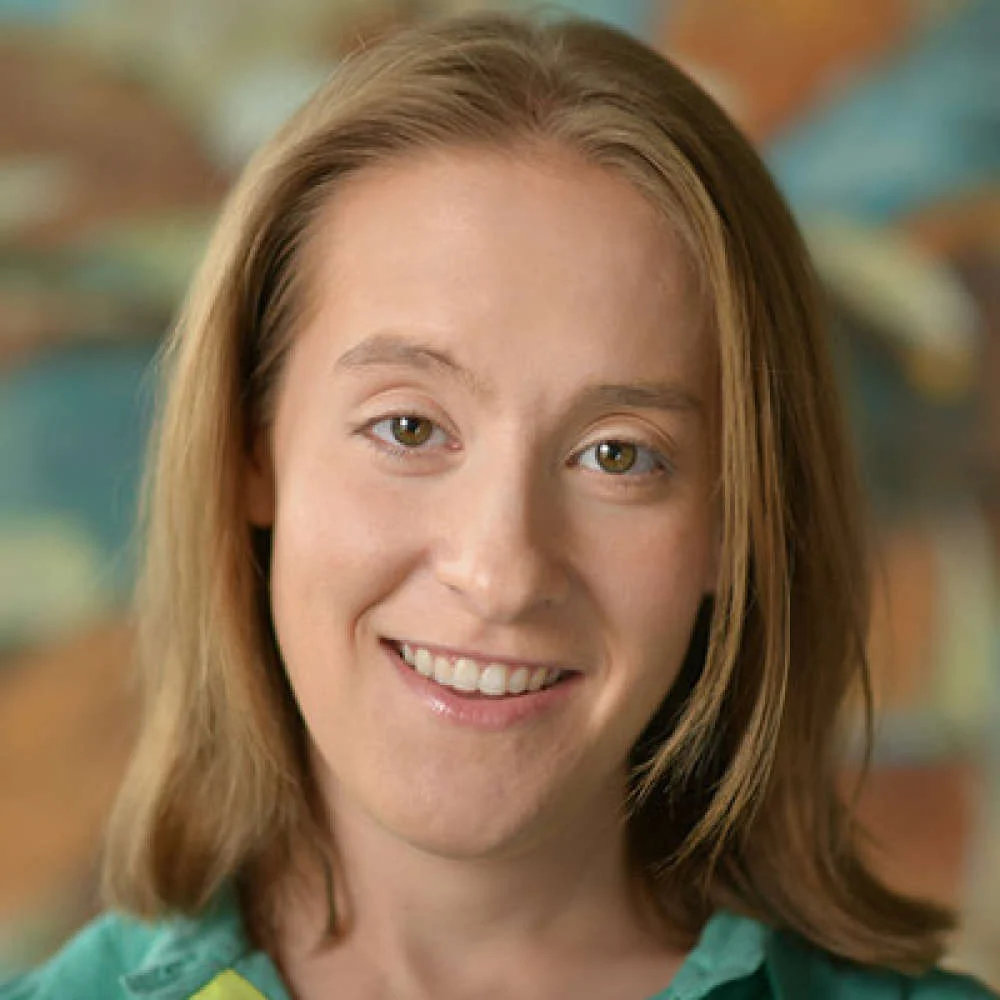
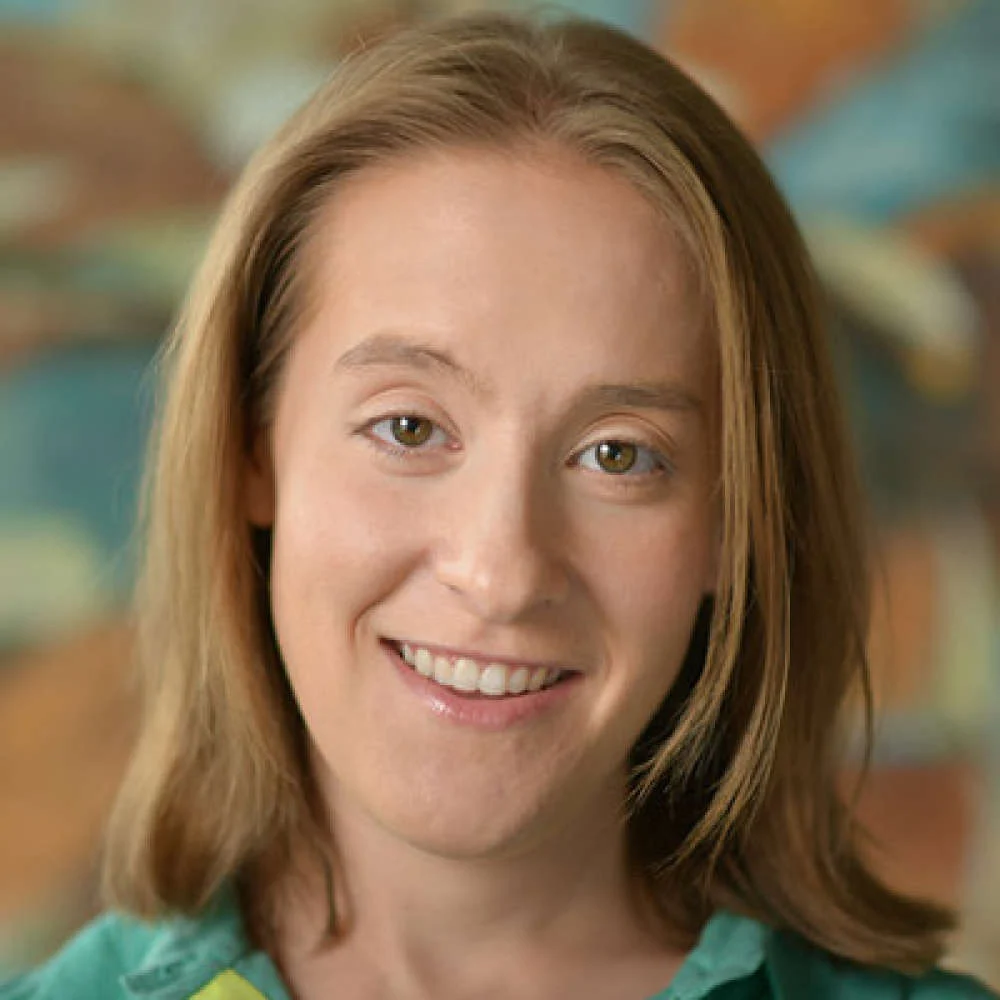
The landscape of clinical psychology in the Midwestern United States continues to be shaped by specialists dedicated to evidence-based interventions, a field where Dr. Alison Alden, Ph.D., has established a significant presence. As a licensed clinical psychologist at the Anxiety Treatment Center of Greater Chicago, Dr. Alden represents a modern cohort of practitioners who bridge the gap between rigorous academic research and frontline clinical application. Specializing in cognitive behavioral therapy (CBT), Dr. Alden’s practice encompasses a broad demographic, including both pediatric and adult populations. Her clinical focus is primarily directed toward the treatment of anxiety disorders, obsessive-compulsive spectrum disorders, and various mood disorders. Unlike traditional therapeutic models that confine intervention to the clinical office, Dr. Alden’s methodology frequently involves community-based sessions. By meeting patients in real-world environments, she facilitates "in-vivo" exposure, a technique designed to confront anxiety in the specific contexts where it manifests. This approach is further bolstered by her role within a specialized treatment team, where she provides short-term, individual intensive treatment for severe clinical cases—a high-frequency protocol that can involve sessions up to six days per week.
Academic Foundation and Professional Chronology
The professional trajectory of Dr. Alden is rooted in the academic rigor of Northwestern University in Evanston, Illinois. During her doctoral candidacy, she focused extensively on the mechanisms of anxiety and the efficacy of various treatment modalities. This foundational period was characterized by a dual focus on clinical practice and empirical research, a hallmark of the scientist-practioner model in psychology. Following the completion of her Ph.D., Dr. Alden transitioned to a post-doctoral fellowship at Northwestern Memorial Hospital, one of the premier medical institutions in the country. This fellowship allowed for a deeper specialization in the treatment of complex mood and anxiety disorders within a high-acuity medical setting.
Throughout her career, Dr. Alden has maintained a consistent involvement in the academic and research communities. Her contributions to the field are documented in several peer-reviewed research articles and book chapters that explore the intersections of anxiety, depression, and emotion regulation. These publications serve as a testament to her commitment to advancing the psychological understanding of how individuals process and respond to emotional distress. Furthermore, her pedagogical contributions include serving as an instructor in Northwestern University’s School of Continuing Studies, where she shared clinical insights with the next generation of mental health professionals.
In 2014, Dr. Alden’s contributions to the field were formally recognized by the Anxiety and Depression Association of America (ADAA). She was the recipient of the ADAA Young Leadership Award, a highly competitive honor reserved for early-career professionals who demonstrate exceptional promise in clinical practice, research, and service to the mental health community. This accolade underscored her standing as a leader in the treatment of anxiety-related conditions.
The Role of Cognitive Behavioral Therapy and Integrated Modalities
The cornerstone of Dr. Alden’s clinical work is Cognitive Behavioral Therapy (CBT), a goal-oriented psychotherapy treatment that takes a hands-on, practical approach to problem-solving. CBT is widely considered the "gold standard" for the treatment of anxiety and obsessive-compulsive disorders (OCD). The goal of this modality is to change patterns of thinking or behavior that are behind people’s difficulties, and so change the way they feel.
In addition to traditional CBT, Dr. Alden integrates Mindfulness-Based Stress Reduction (MBSR) and Dialectical Behavior Therapy (DBT) into her practice. DBT, originally developed to treat borderline personality disorder, has been increasingly adapted for use in treating anxiety and mood disorders where emotional dysregulation is a primary symptom. By incorporating mindfulness, Dr. Alden assists patients in developing a non-judgmental awareness of the present moment, which can be a critical tool in reducing the ruminative thought patterns associated with generalized anxiety and depression.
The integration of these various modalities is particularly effective for the "obsessive-compulsive spectrum." This spectrum includes not only traditional OCD but also related conditions such as body dysmorphic disorder, hoarding disorder, and trichotillomania (hair-pulling disorder). For these patients, the combination of cognitive restructuring and behavioral exposure is essential for long-term recovery.
Supporting Data: The Prevalence and Impact of Anxiety Disorders
The work performed by specialists like Dr. Alden is increasingly critical when viewed against the backdrop of national mental health statistics. According to the Anxiety and Depression Association of America, anxiety disorders are the most common mental illness in the United States, affecting approximately 40 million adults aged 18 and older, or roughly 19.1% of the population every year. Despite being highly treatable, only about 36.9% of those suffering receive treatment.
The economic impact of these disorders is substantial. Anxiety disorders cost the U.S. more than $42 billion a year, almost one-third of the country’s $148 billion total mental health bill. A significant portion of these costs stems from the repeated use of health care services, as those with anxiety disorders are three to five times more likely to go to the doctor and six times more likely to be hospitalized for psychiatric disorders than those who do not suffer from them.
In the pediatric sector, the data is equally concerning. The Centers for Disease Control and Prevention (CDC) reports that approximately 5.8 million children aged 3–17 years have been diagnosed with anxiety. Dr. Alden’s specialization in treating children is a vital component of the Anxiety Treatment Center of Greater Chicago’s mission, as early intervention is often the most significant predictor of positive long-term outcomes.
Clinical Innovation: The Intensive Treatment Model
One of the more unique aspects of the Anxiety Treatment Center of Greater Chicago, and Dr. Alden’s specific role within it, is the provision of intensive treatment programs. For severe cases of OCD or debilitating phobias, standard once-a-week therapy sessions may prove insufficient to break the cycle of avoidance and compulsion.
The intensive model utilized by Dr. Alden involves meeting with patients up to six days a week for several hours at a time. This concentrated approach is designed to produce rapid symptom reduction and is often utilized by patients who have failed to see progress in traditional outpatient settings. This "short-term individual intensive treatment" focuses on Exposure and Response Prevention (ERP). In ERP, patients are exposed to the thoughts, images, objects, and situations that make them anxious and start their obsessions. While this sounds counterintuitive, the "response prevention" part involves making a choice not to do a compulsive behavior once the anxiety or obsession has been "triggered."
Research into intensive CBT models suggests that they can be as effective, if not more effective, than long-term therapy for certain populations. A study published in the Journal of Anxiety Disorders indicated that intensive treatment protocols could lead to significant clinical improvement in as little as one to three weeks, providing a lifeline for individuals whose lives have been effectively halted by their symptoms.
Real-World Application: Moving Beyond the Office
A significant challenge in the treatment of anxiety is the "generalization" of skills. A patient may feel calm and capable within the confines of a therapist’s office but find themselves overwhelmed when faced with real-world triggers. Dr. Alden’s practice of meeting patients outside the office—at malls, parks, workplaces, or other specific trigger locations—directly addresses this hurdle.
This community-based intervention is a form of "in-vivo" exposure. For a patient with a social anxiety disorder, this might involve practicing conversations in a crowded coffee shop. For someone with a phobia of driving, it might involve the therapist accompanying the patient in a vehicle. By providing professional support in the exact environment where the anxiety occurs, Dr. Alden helps patients build real-world confidence and mastery. This method is supported by clinical data suggesting that exposure therapy is most effective when it closely mimics the natural conditions of the patient’s life.
Professional Implications and Broader Impact
The work of Dr. Alison Alden at the Anxiety Treatment Center of Greater Chicago reflects a broader shift in the field of clinical psychology toward more active, results-oriented interventions. The professional community has largely moved away from the passive "talk therapy" models of the mid-20th century in favor of the evidence-based, behavioral approaches that Dr. Alden champions.
Her involvement with the ADAA and her history of research publications indicate a commitment to the "scientist-practitioner" model. This model ensures that clinical techniques are not based on intuition alone but are grounded in empirical data that proves their efficacy. As mental health awareness continues to rise, the demand for specialists who can provide high-frequency, specialized care is expected to grow.
The implications of Dr. Alden’s work extend beyond the individual patients she treats. By teaching at Northwestern University and presenting at national conferences, she contributes to the dissemination of best practices within the psychological community. This educational outreach is vital for ensuring that the latest developments in anxiety research are translated into clinical settings across the country.
In an era where the mental health system is often criticized for being inaccessible or ineffective, the model employed by Dr. Alden—combining academic research, intensive treatment options, and real-world exposure—offers a blueprint for high-impact clinical care. As the Anxiety Treatment Center of Greater Chicago continues its work, the contributions of specialists like Dr. Alden remain central to the effort of reducing the burden of anxiety and mood disorders in the community. Through a combination of rigorous science and compassionate, active intervention, her practice continues to provide a path forward for those navigating the complexities of mental health challenges.