
 admin
admin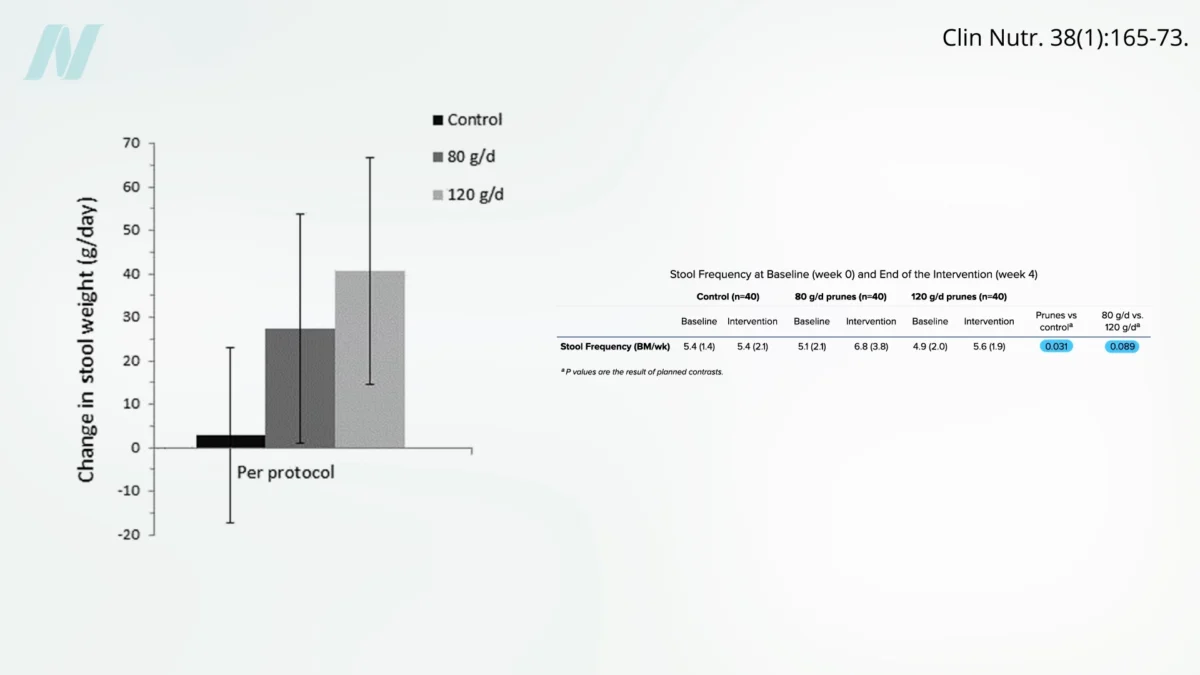
The often-private nature of bowel movements belies a significant public health concern: constipation. This common ailment, shrouded in cultural taboos, frequently escapes widespread discussion, even among medical professionals. However, the sheer volume of healthcare utilization paints a starkly different picture. In the United States alone, constipation accounts for an estimated three million annual doctor’s visits and a staggering 800,000 emergency room attendances. The prevalence is so high that depending on the precise definition employed, up to 80% of the population may be experiencing symptoms. Alarmingly, a substantial portion of individuals who do not perceive themselves as constipated may, in fact, meet clinical criteria. Studies reveal that approximately a quarter of self-proclaimed healthy individuals report feelings of incomplete evacuation, while nearly half indicate increased straining during bowel movements. This persistent difficulty can lead to visible signs of distress, with over half experiencing blood on toilet paper within a year, a clear indicator of the physical strain involved. In severe instances, the acute spike in blood pressure associated with intense straining can precipitate serious cardiovascular events, including heart attacks and strokes, underscoring the critical importance of addressing this often-underestimated condition.
The Limitations of Pharmaceutical Interventions
While pharmaceutical solutions are readily available, they often come with a considerable downside. Common side effects such as nausea, diarrhea, headaches, and abdominal pain frequently leave patients dissatisfied and seeking alternatives. This dissatisfaction stems from the fact that these medications often manage symptoms rather than addressing the root causes of constipation. The reliance on pharmacotherapy, despite its drawbacks, highlights a persistent gap in readily accessible and effective non-pharmacological interventions. The pursuit of treatments that target the underlying issues rather than merely masking the symptoms is therefore a crucial endeavor in improving patient outcomes and overall gastrointestinal health.
Addressing the Root Causes: Diet and Lifestyle as Cornerstones of Relief
Medical consensus increasingly points towards dietary and lifestyle modifications as the preferred and most effective methods for managing chronic constipation. The fundamental causes often lie in a deficiency of dietary fiber, primarily sourced from whole plant foods, and insufficient fluid intake. Consequently, a shift towards a diet rich in fruits, vegetables, and whole grains, coupled with adequate hydration, forms the bedrock of sustainable relief. This approach not only addresses the direct physiological mechanisms of constipation but also promotes broader health benefits associated with nutrient-dense foods and proper hydration.
Beyond dietary adjustments, the role of physical activity is increasingly recognized as a vital component of a comprehensive constipation management strategy. Engaging in regular physical activity, particularly aerobic exercise, has been shown to stimulate intestinal motility and facilitate regular bowel movements. While the exact mechanisms are still under investigation, the increased blood flow to the digestive system and the stimulation of abdominal muscles are believed to contribute significantly to improved gastrointestinal function. The recommendation for approximately 30 minutes of daily physical activity serves as a practical guideline for individuals seeking to proactively manage their digestive health.
Scientific Scrutiny: Evaluating Natural Remedies
Recognizing the limitations and side effects of pharmaceutical options, researchers have turned their attention to natural remedies with a history of traditional use. Two such foods, prunes and figs, along with exercise, have recently been subjected to rigorous scientific scrutiny to ascertain their efficacy in alleviating constipation.
The Humble Prune: A Powerful Ally Against Constipation
Prunes, the dried fruit of plums, have long been lauded for their digestive benefits. A systematic review and meta-analysis of aerobic exercise interventions, for instance, found that consistent engagement for approximately 140 minutes per week yielded significant improvements in constipation symptoms. This reinforces the importance of integrating physical activity into daily routines.
However, the focus has also keenly returned to dietary interventions, with prunes emerging as a particularly promising candidate. A study involving elderly women suffering from severe constipation provided compelling evidence for the efficacy of prunes. Participants who consumed approximately a dozen prunes daily experienced significant improvements within the first week of the intervention. This initial study, however, had a limitation: the control group was not given any specific intervention, leaving open the possibility of a placebo effect. The placebo response in constipation trials is notoriously high, potentially accounting for up to 44% of perceived improvements, meaning that a significant portion of participants in a control group might report relief simply due to the expectation of treatment.
To address this, more robust studies have employed rigorous methodologies, including randomization and the use of controlled interventions for all participants. One such randomized controlled trial involved participants being assigned to consume either about eight prunes with a large glass of water, twelve prunes with water, or just water alone. This design ensured that even the control group received an intervention (water), which itself can contribute to alleviating constipation. The study sought to determine if a higher prune intake offered greater benefits or if a lower dose would suffice. The findings were significant: participants consuming prunes experienced a notable increase in stool bulk and a significant enhancement in bowel movement frequency. Crucially, there was no substantial difference in effectiveness between the groups consuming eight and twelve prunes, suggesting that a daily intake of eight prunes is likely sufficient for many individuals.
Furthermore, prunes have demonstrated superiority even when compared to psyllium, the active ingredient in popular over-the-counter fiber supplements like Metamucil. In terms of improving stool frequency and consistency, prunes outperformed psyllium, suggesting a unique and potent mechanism of action.

Initially, it was hypothesized that the high fiber content of prunes was solely responsible for their efficacy. However, research has revealed that prune juice, which has had its fiber content largely removed, also demonstrates laxative properties. This points to other active components within prunes. One such component is sorbitol, a natural sugar alcohol found in many fruits and also used as a sugar substitute in some sugar-free products. Sorbitol is known for its osmotic effect, drawing water into the intestines and softening stool. For individuals consuming more than a dozen large prunes daily, the sorbitol content can reach levels that induce a laxative effect, particularly in susceptible individuals. Therefore, while prunes are generally safe and beneficial, moderation is advised, especially for those with sensitive digestive systems.
The question of whether individuals without constipation should avoid prunes has also been investigated. The consensus from such studies suggests that most people can consume about a dozen prunes a day without adverse effects. This is particularly interesting given that prunes have a historical dual use in traditional medicine, serving not only as a remedy for constipation but also for diarrhea, indicating a potential regulatory effect on bowel function.
Dried Figs: A Biblical Remedy Under the Microscope
Dried figs, a fruit with ancient roots and even biblical references, have also been examined for their potential in managing constipation. Researchers have investigated their impact on patients diagnosed with Irritable Bowel Syndrome (IBS) characterized by constipation. In one study, participants with this condition were randomized to consume one fig with breakfast and another with lunch, each accompanied by a glass of water. Compared to a control group that maintained their normal diet, those who consumed figs experienced a significant improvement in defecation frequency and a notable reduction in the occurrence of hard stools.
However, as with prunes, the potency of the placebo effect in IBS trials cannot be overstated. Studies have shown that a significant percentage of individuals with IBS report symptom relief even when given a placebo, such as a fake sugar pill. This underscores the critical need for placebo-controlled trials to isolate the true effects of the intervention.
To achieve this, a more rigorous study was conducted where participants were given either real figs or a meticulously crafted placebo fig paste designed to mimic the taste, smell, and appearance of the actual fruit. Participants consuming approximately six real figs per day showed significant improvements. These included a notable reduction in colon transit time, indicating faster movement of food through the digestive tract, and a significant improvement in stool consistency and a reduction in abdominal discomfort when compared to the placebo group. Colon transit time was measured by having participants ingest tiny beads that could be tracked via X-ray, allowing researchers to monitor their passage through the digestive system. The study found that those consuming real figs accelerated their gut transit by a full 24 hours. While the frequency of defecation per week did not statistically surpass that of the placebo group, and the multitude of outcomes measured raised questions about potential statistical anomalies, the evidence for figs’ impact on transit time, stool consistency, and abdominal discomfort remains noteworthy. Despite these findings, the comparative analysis suggests that prunes may still hold an edge as a more consistently effective treatment for constipation based on the totality of evidence.
Broader Implications and Future Directions
The scientific exploration of prunes and figs highlights a growing trend towards evidence-based validation of natural remedies. This approach not only offers potential relief for common ailments like constipation but also holds promise for reducing reliance on pharmaceuticals with their associated side effects. The findings underscore the importance of a holistic approach to digestive health, integrating dietary choices, adequate hydration, and regular physical activity.
The implications extend beyond individual patient care. A better understanding of the efficacy and mechanisms of natural interventions could inform public health recommendations and potentially reduce the burden on healthcare systems by providing accessible and cost-effective solutions. Future research could delve deeper into the specific bioactive compounds in prunes and figs responsible for their effects, potentially leading to the development of targeted supplements or refined dietary guidelines. Furthermore, exploring the synergistic effects of these foods with exercise and other lifestyle modifications could unlock even greater therapeutic potential. The ongoing scientific investigation into these traditional remedies signifies a promising shift towards a more integrated and patient-centered approach to managing chronic conditions.
Doctor’s Note:
For individuals interested in further exploring digestive health, additional resources are available. The impact of carbonated beverages on stomach pain and constipation is discussed in "Club Soda for Stomach Pain and Constipation." Previous comparisons of prunes against other interventions, including Metamucil and vegan diets, can be found in "Prunes vs. Metamucil vs. Vegan Diet." The multifaceted health benefits of prunes, including their role in bone health, are explored in "Prunes for Osteoporosis." For those seeking additional strategies for managing Irritable Bowel Syndrome (IBS), related posts are available to provide further insights.