admin
admin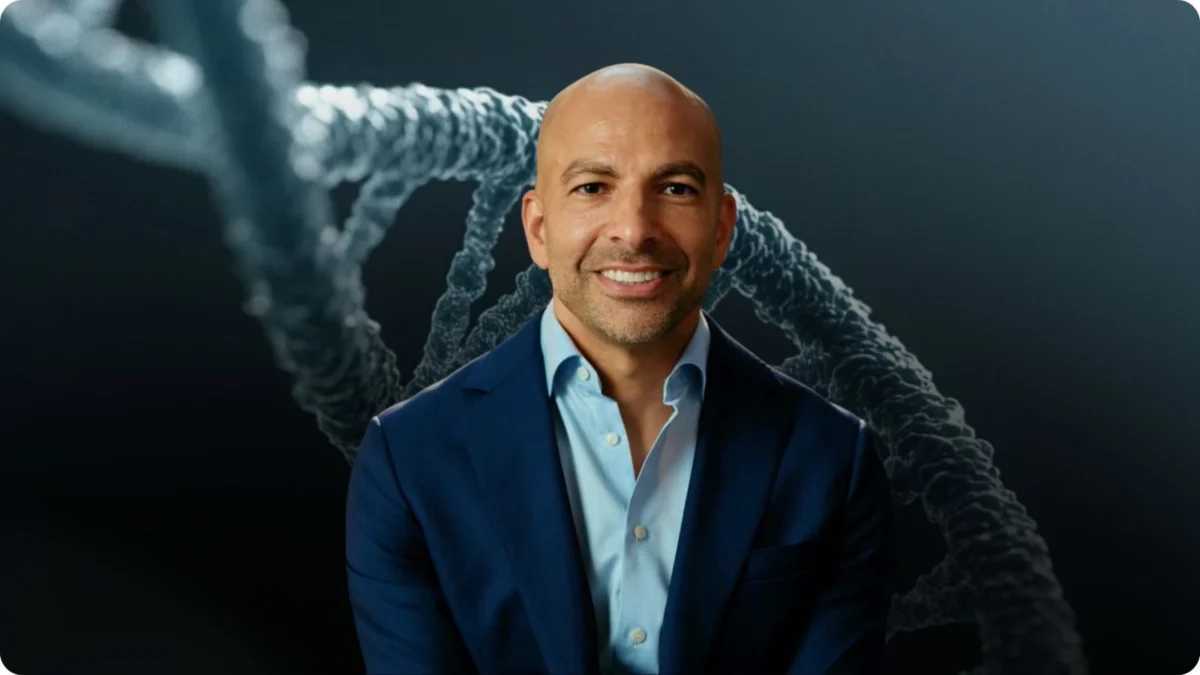
The emergence of "aging clocks"—biometric tools designed to measure biological age through epigenetic markers—has transitioned from a niche academic pursuit to a cornerstone of the burgeoning longevity industry. As clinical interest intensifies, experts such as Dr. Peter Attia are scrutinizing the scientific rigor of these tools, questioning whether a reduction in a biological age score truly correlates with a delay in age-related disease or a genuine extension of human lifespan. While chronological age remains the most immutable metric of time, the pursuit of a quantifiable "biological age" has led to significant breakthroughs in DNA methylation research, though the path toward clinical standardization remains fraught with technical and interpretative challenges.
The Mechanism of Epigenetic Clocks: DNA Methylation and Gene Expression
At the core of the most prominent aging clocks is the study of epigenetics, specifically DNA methylation. This biological process involves the addition of a methyl group to the DNA molecule, typically at a cytosine base followed by a guanine base—a configuration known as a CpG site. Methylation does not alter the underlying genetic sequence but acts as a biochemical "switch" that can silence gene expression. As organisms age, the patterns of these methyl groups across the genome change in predictable ways.
Aging clocks utilize sophisticated algorithms to analyze these patterns across hundreds or thousands of CpG sites. By comparing an individual’s methylation profile against vast datasets of various age groups, these tools attempt to estimate "biological age." This metric is intended to reflect the functional state of an individual’s physiological systems, potentially revealing if a person is "aging" faster or slower than their chronological years would suggest.
The Evolution of Aging Clocks: A Three-Generation Chronology
The development of aging clocks has occurred in distinct waves, each attempting to refine the accuracy and predictive power of the models.
- First-Generation Clocks (2013–2015): The field was revolutionized in 2013 by Dr. Steve Horvath of UCLA, who developed a multi-tissue predictor of age. These early models, including the Horvath Clock and the Hannum Clock, were primarily trained to predict chronological age. While groundbreaking, their clinical utility was limited because they were optimized to match a birth certificate rather than predict health outcomes.
- Second-Generation Clocks (2018–2019): Researchers shifted their focus from chronological age to "phenotypic age" and mortality risk. Clocks such as DNAm PhenoAge and DNAm GrimAge were trained on blood-based biomarkers and time-to-death data. GrimAge, in particular, has demonstrated a robust ability to predict the onset of chronic diseases and overall mortality, making it a favorite in research settings.
- Third-Generation Clocks (2020–Present): The latest iteration, exemplified by the DunedinPACE clock, focuses on the "pace of aging." Rather than providing a single "age" number, these models act like a speedometer, measuring how quickly an individual’s physiology is deteriorating at a specific moment in time. This is achieved by tracking longitudinal changes in biomarkers within the same individuals over decades.
Comparative Analysis: Aging Clocks vs. Traditional Actuarial Models
The concept of using data to predict mortality is not a modern invention of biotechnology; it is the foundational principle of the actuarial underwriting industry. For decades, life insurance companies have utilized variables such as smoking status, blood pressure, cholesterol levels, and chronological age to estimate life expectancy with remarkable accuracy.
The central question facing the longevity field is whether an epigenetic clock provides more actionable or accurate data than these traditional, less expensive markers. Proponents argue that DNA methylation offers a more granular look at cellular health, potentially identifying risks before they manifest in clinical blood work. Critics, however, point out that many aging clocks are highly sensitive to short-term physiological shifts, such as acute illness or sleep deprivation, which may lead to "noisy" data that lacks long-term predictive stability.
Evidence from Clinical Trials and Neuroimaging
To validate the efficacy of aging clocks, researchers have begun integrating them into randomized controlled trials (RCTs). One notable area of study involves testing lifestyle interventions—such as optimized nutrition, exercise, and stress management—against clock scores. Preliminary data suggests that intensive lifestyle modifications can indeed "reverse" biological age scores by several years within a matter of months. However, the medical community remains cautious. It is currently unknown if these short-term shifts in methylation patterns translate to a lower risk of heart disease, cancer, or neurodegeneration later in life.
In addition to blood-based clocks, neuroimaging has emerged as a powerful tool for assessing the pace of aging. Recent studies utilizing brain MRI have developed "Brain Age" models. These models compare an individual’s brain structure—such as cortical thickness and white matter integrity—against age-normalized databases. Research indicates that a "brain age" that exceeds chronological age is a significant risk factor for dementia and all-cause mortality. This multi-modal approach, combining epigenetic data with structural imaging, represents the current frontier of personalized longevity diagnostics.
The Clinical Gap: From Proxy to Outcome
Despite the technical sophistication of these tools, a significant gap remains between a "score" and a "clinical outcome." In traditional medicine, a surrogate endpoint—such as lowering LDL cholesterol to prevent heart attacks—is only accepted after decades of rigorous trials prove that changing the marker actually reduces the disease. Aging clocks have not yet reached this level of validation.
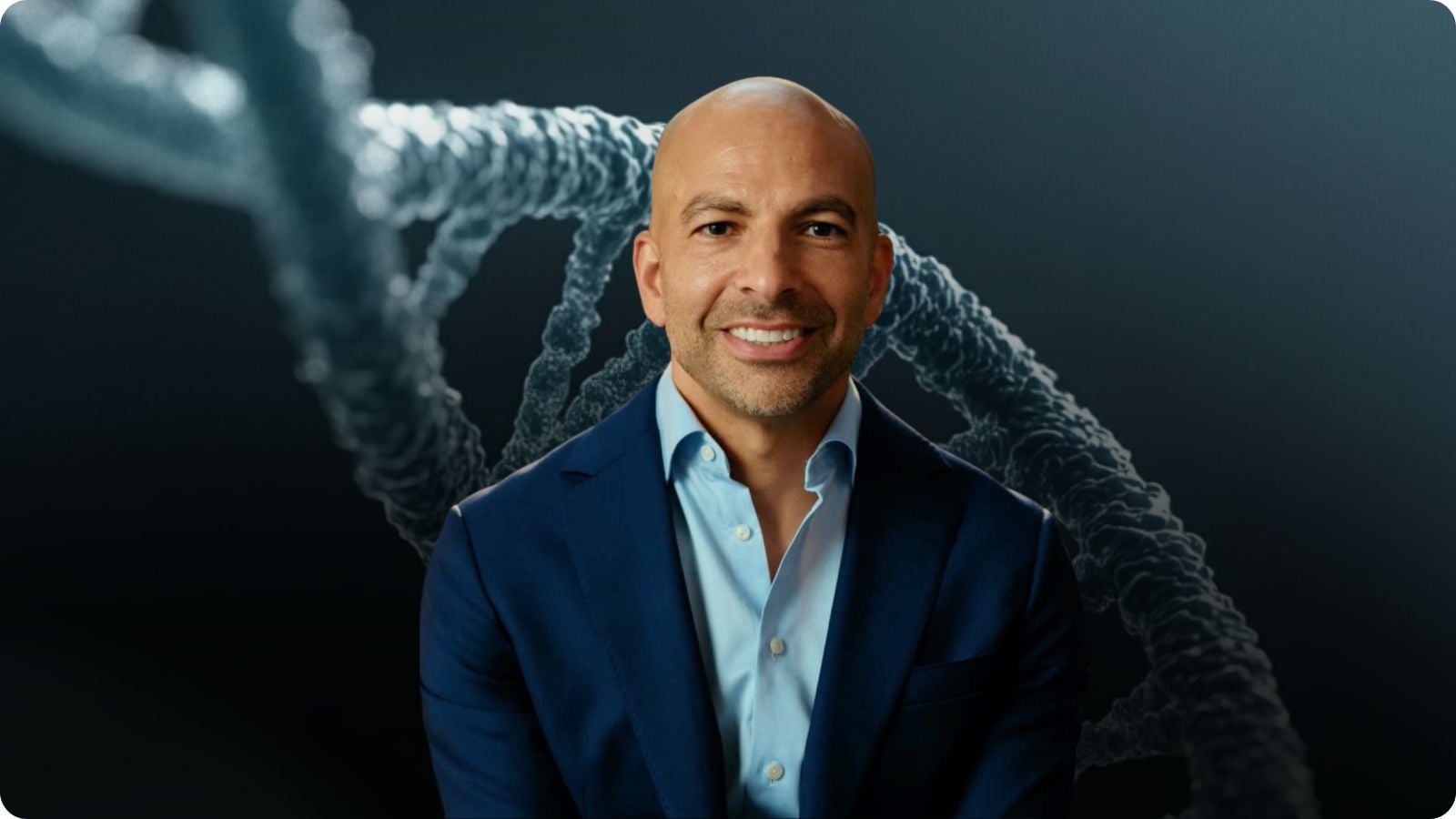
"The idea here is pretty compelling," noted Dr. Attia during a recent analysis of the field. However, he emphasized that while it is relatively easy to conduct a drug trial to see if a compound changes a clock score, it is far more challenging to prove that the change results in a longer life. For a lifestyle intervention, the variables are even more complex. The risk is that consumers may find themselves "chasing the clock"—making lifestyle choices solely to improve a test score that may or may not reflect their actual health trajectory.
Market Implications and Official Responses
The commercialization of aging clocks has outpaced regulatory oversight. Currently, several companies offer direct-to-consumer epigenetic tests ranging in price from $300 to $600. While these companies often market their tests as a "vital sign for aging," regulatory bodies like the FDA have not yet cleared them for use as diagnostic tools for specific diseases.
The scientific community’s reaction is divided. Some researchers view the commercial availability of these tests as a positive step toward proactive health management, providing motivation for patients to adhere to healthy habits. Others warn of the "bio-hacker" trap, where individuals may prioritize unproven supplements over established medical interventions because of a fluctuating clock score.
Broader Impact on Public Health and Insurance
If aging clocks are eventually validated as reliable predictors of healthspan, the implications for public health are profound. They could allow for the "compression of morbidity"—the period of life spent in ill health—by identifying high-risk individuals decades before symptoms appear.
Furthermore, the insurance industry is watching the development of these tools closely. If epigenetic testing becomes a standard part of medical records, it could transform how life and long-term care insurance are underwritten. However, this also raises significant ethical concerns regarding genetic privacy and the potential for "biological discrimination" based on an individual’s predicted pace of aging.
Future Directions in Longevity Research
The next five to ten years will be critical for the field of geroscience. Researchers are currently working on "fourth-generation" clocks that integrate proteomics (the study of proteins) and metabolomics with epigenetic data to create a more holistic "biological age" profile.
Moreover, the focus is shifting toward "interventional trials" where aging clocks are used as the primary metric to evaluate the efficacy of senolytic drugs (which clear out "zombie" cells) and caloric restriction mimetics like rapamycin. Only through these large-scale, long-term studies will the medical community determine if these clocks are merely sophisticated thermometers—measuring the heat of aging—or if they can be used as thermostats to help control the process itself.
Ultimately, while aging clocks represent a monumental achievement in molecular biology, they remain, for now, a promising proxy rather than a definitive clinical roadmap. As the science matures, the emphasis must remain on rigorous validation and the pursuit of meaningful clinical outcomes, ensuring that the quest for a lower biological age translates into a longer, healthier life for the general population.