 admin
admin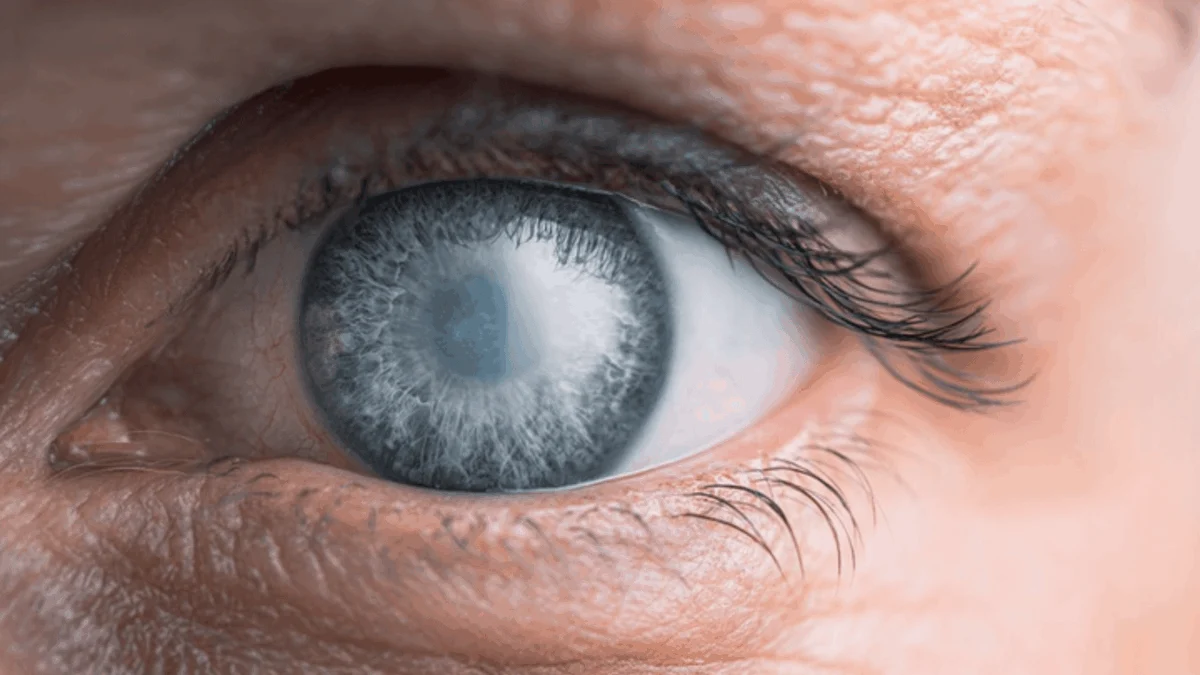
Neurodegeneration stands as one of the most formidable challenges in modern medicine, representing one of the "Four Horsemen" of chronic disease alongside cardiovascular disease, cancer, and type 2 diabetes. Unlike many other chronic conditions where pharmacological interventions can manage symptoms or slow progression, clinical medicine currently possesses limited tools to halt or reverse the neurodegenerative process once it has crossed the threshold into dementia. This progressive decline gradually erodes memory, linguistic ability, and executive function, creating a profound burden on patients, caregivers, and global healthcare systems. As global lifespans continue to extend due to advancements in infectious disease control and acute care, the prevalence of dementia is rising at an alarming rate. Projections suggest that by the year 2050, as many as 152 million individuals worldwide will be living with the condition, making the identification of modifiable risk factors a primary objective for public health researchers.
In the pursuit of preventative strategies, the last decade of research has increasingly focused on sensory impairment as a significant, yet potentially treatable, driver of cognitive decline. While initial research focused heavily on hearing loss, a new body of evidence is highlighting the critical role of vision. Recent meta-analyses and longitudinal studies suggest that correcting vision loss, particularly through cataract surgery, may not only improve quality of life but also fundamentally alter the trajectory of brain aging. By addressing sensory deficits, medical professionals may be able to "tune" the environment of the aging brain to favor resilience over degeneration.
The Evolution of Sensory Research in Cognitive Health
The link between sensory health and cognitive function was first popularized through large-scale epidemiological studies focusing on hearing. These studies consistently demonstrated a robust correlation between auditory decline and dementia. A landmark meta-analysis published in the Journal of the American Medical Association (JAMA) revealed that hearing impairment is associated with a near-doubling of the risk for a dementia diagnosis, with a Risk Ratio (RR) of 1.94. This finding prompted the global medical community to view the ears not merely as passive receptors of sound, but as vital conduits for the cognitive stimulation required to maintain neural integrity.
However, vision impairment—a condition that affects a vast majority of the aging population—received significantly less attention until recently. This shifted in 2024 when the Lancet Commission on dementia prevention, intervention, and care updated its influential report to include vision loss as a key modifiable risk factor. Their analysis indicated a nearly 50% increased risk of dementia among those with untreated vision impairment (RR = 1.47). This inclusion signaled a major turning point in the understanding of how multisensory input supports the structural and functional health of the brain.
Understanding the Pathology of Cataracts and Vision Decline
To understand how vision correction impacts the brain, one must first understand the biological mechanism of vision loss in the elderly. The human visual system relies heavily on the lens, a clear, flexible structure positioned behind the iris. This lens is controlled by tiny ciliary muscles that adjust its shape to focus light precisely onto the retina at the back of the eye. As humans age, the lens naturally loses its elasticity, a condition known as presbyopia, which is commonly managed with corrective lenses like glasses or contacts.
However, cataracts represent a more severe form of lens degradation. A cataract occurs when the proteins within the lens begin to clump together, creating a cloudy or opaque area that prevents light from passing clearly to the retina. This process is often so gradual that patients may not realize the extent of their visual deprivation for years. Statistics from the National Eye Institute indicate that more than half of all Americans age 80 or older either have cataracts or have undergone surgery to remove them. Because the retina is essentially an extension of the central nervous system, any disruption in the quality of light and data reaching it has immediate implications for the brain’s processing workload.
Quantifying the Impact: The 2024 Meta-Analysis Findings
A recent comprehensive meta-analysis has provided the most definitive data to date regarding the relationship between cataract surgery and dementia risk. The study sought to answer two pivotal questions: whether surgery reduces risk compared to those who leave cataracts untreated, and how the risk profile of post-surgical patients compares to the general population with no history of cataracts.
The researchers analyzed data from six large-scale studies involving over 240,000 participants. The results were remarkably consistent across different diagnostic criteria. In studies where cognitive impairment was measured via standardized test scores, those who underwent cataract surgery saw a risk reduction of 21% to 36%. In studies where the endpoint was a formal clinical diagnosis of dementia, the risk reduction ranged from 24% to 37%. When the data from all six studies were pooled, the conclusion was clear: individuals who underwent corrective surgery were 25% less likely to develop dementia or significant cognitive impairment over a follow-up period of approximately eight to ten years (Hazard Ratio = 0.75).
Perhaps more striking was the second finding of the meta-analysis. When comparing patients who had undergone cataract surgery to a control group of aging individuals who never developed cataracts, there was no statistically significant difference in dementia risk (HR = 0.84, 95% CI: 0.66–1.06). This suggests that cataract surgery essentially "normalizes" a patient’s risk profile, bringing them back to the baseline of the general population.
Theoretical Frameworks: Why Vision Protects the Brain
The scientific community has proposed two primary hypotheses to explain why restoring vision has such a profound effect on cognitive longevity. These are often categorized as the "Cognitive Load Hypothesis" and the "Neurobiological Inactivity Hypothesis."
The Cognitive Load Hypothesis
This theory suggests that when sensory input is degraded, the brain must redirect significant cognitive resources toward the simple task of perception. If a person cannot see clearly, the brain works overtime to fill in the gaps and interpret blurred images. This constant strain leaves fewer resources available for memory encoding, problem-solving, and other high-level executive functions. Furthermore, poor vision often leads to a withdrawal from "brain-healthy" behaviors. An individual with uncorrected cataracts is less likely to drive, exercise, socialise in complex environments, or engage in hobbies like reading or puzzles—all of which are known to buffer against cognitive decline.
The Neurobiological Inactivity Hypothesis
This hypothesis is rooted in the "use it or lose it" principle of neuroplasticity. The brain requires constant electrical stimulation from sensory organs to maintain the vitality of its neural circuits. When the flow of information from the eyes is restricted, the corresponding regions of the visual cortex and associated pathways begin to atrophy. In an aging brain, where repair mechanisms are already compromised, this localized atrophy can trigger a cascade of neuroinflammation and cellular death that spreads to neighboring regions, such as the hippocampus, which is central to memory.
The meta-analysis supported the cognitive load theory by showing that patients often experience a small but statistically significant improvement in cognitive test scores just 2 to 12 months after surgery. This suggests that "freeing up" cognitive resources provides an immediate boost to the brain’s processing capacity.
Public Health Implications and Clinical Responses
The findings of this research have significant implications for public health policy and clinical practice. Organizations such as the National Institute on Aging (NIA) have begun to emphasize vision correction as a top-tier preventative action. Unlike genetic risk factors, which cannot be changed, or complex lifestyle factors like diet and exercise, which require long-term behavioral adherence, cataract surgery is a "one-and-done" intervention.
The procedure itself is one of the most successful and routine in modern medicine. Typically performed in under an hour without the need for general anesthesia, it involves replacing the damaged lens with an artificial intraocular lens (IOL). The recovery period is minimal, and the complication rate is exceptionally low. From a cost-benefit perspective, the economics of cataract surgery are highly favorable when weighed against the astronomical costs of long-term dementia care.
Addressing the Limitations of Current Data
While the epidemiological evidence is compelling, researchers remain cautious due to the lack of long-term randomized controlled trials (RCTs). In the hierarchy of medical evidence, RCTs are the gold standard because they eliminate "healthy user bias"—the possibility that people who choose to have cataract surgery are simply more health-conscious and proactive in other areas of their lives.
Current RCTs on sensory intervention have yielded mixed results, often due to short study durations. For instance, some hearing aid trials showed no significant cognitive benefit over a three-year period for the general population, though they showed a massive 66% reduction in decline for high-risk cohorts. The challenge is that neurodegeneration is a process that unfolds over decades. A three-year trial may be too short to capture the long-term protective effects of restored vision in a relatively healthy individual. Nevertheless, the convergence of data across both hearing and vision studies suggests a powerful biological trend that is difficult to ignore.
Conclusion: A Proactive Approach to Sensory Health
The emerging evidence suggests that the eyes and ears are not just sensors; they are the primary gatekeepers of brain health. The risk associated with cataracts does not stem from the condition itself, but from leaving the condition untreated. By ensuring that the brain receives high-quality, clear sensory input, individuals can effectively "feed" their neural networks the stimulation required to resist the onset of dementia.
As the global population ages, the strategy for combating neurodegeneration must shift toward these modifiable, high-leverage interventions. Regular eye exams, early detection of lens clouding, and timely surgical intervention represent some of the most practical and effective tools available in the modern medical arsenal. Protecting the senses is, in a very literal sense, protecting the mind. While medicine continues to search for a "silver bullet" cure for Alzheimer’s and other dementias, the most effective defense may already be available in the form of routine sensory maintenance and corrective care.