
 admin
admin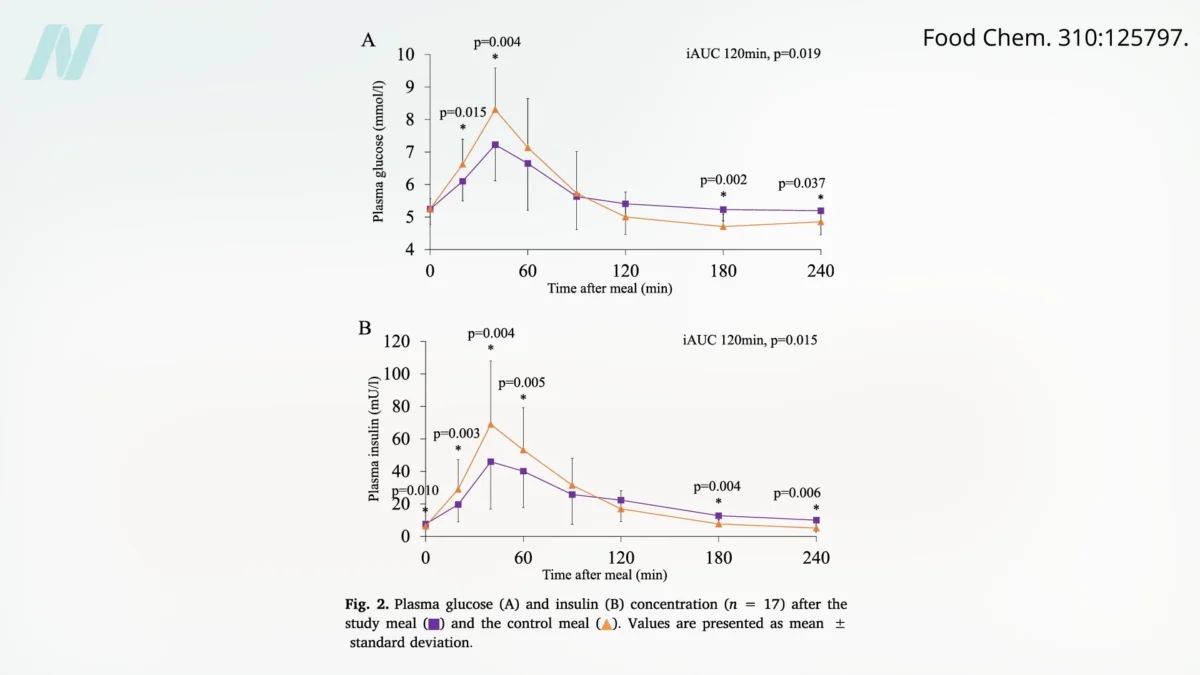
The humble potato, a staple across global cuisines, has long been a subject of nutritional debate. While often maligned for its glycemic impact, emerging research suggests a significant differentiator lies not just in its preparation, but in its very color. Specifically, the vibrant pigments found in purple-fleshed potatoes are demonstrating a remarkable ability to mitigate some of the common health concerns associated with potato consumption, offering a compelling argument for their inclusion in a balanced diet. This exploration delves into the scientific evidence that elevates pigmented potatoes, particularly their purple counterparts, above their paler relatives, examining their effects on blood sugar regulation, inflammation, and antioxidant capacity, while also addressing concerns about natural toxins.
Decoding the Glycemic Challenge of Potatoes
Potatoes, particularly those with a high glycemic index, have been linked to an increased risk of type 2 diabetes. This association stems from their potential to chronically overstimulate the insulin-producing beta cells in the pancreas. The body’s response to consuming high-glycemic foods involves a rapid surge in blood glucose, prompting the pancreas to release a corresponding surge of insulin. Over time, this sustained demand can lead to insulin resistance and, eventually, type 2 diabetes.
Previous research has explored strategies to mitigate this effect for white potatoes. Techniques such as cooling cooked potatoes, reheating them, or incorporating acidic elements like lemon juice or vinegar, and even adding fibrous vegetables like broccoli, have shown promise in reducing their glycemic load. However, these methods primarily address the way the starch is digested, rather than inherent properties of the potato itself.

The Pigment Powerhouse: A Lesson from Berries
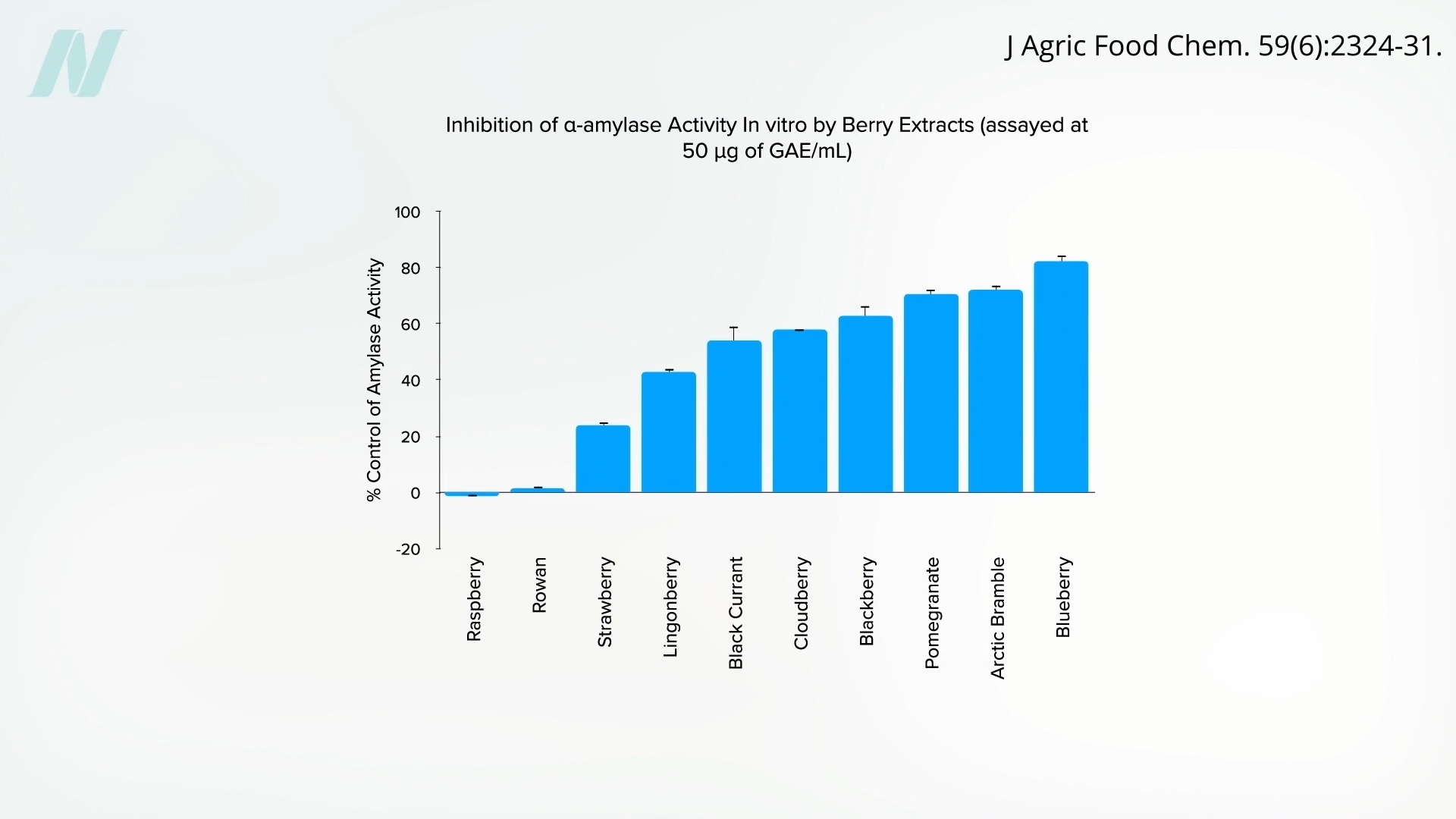
The concept of using natural pigments to modulate starch digestion is not new. Studies have indicated that the potent color compounds found in brightly colored berries can act as natural starch blockers. These anthocyanins and other flavonoids present in fruits like raspberries, strawberries, and blueberries can interfere with the enzymatic breakdown of complex carbohydrates into simple sugars, thereby slowing down the absorption of glucose into the bloodstream. This observation provides a crucial biological precedent for investigating the potential of pigmented vegetables.
The implication is clear: if the pigments in berries can moderate the impact of high-glycemic foods, could the pigments in similarly colored potatoes offer a similar benefit? This question has driven researchers to examine the nutritional profile of potatoes beyond their starchy core.
From Yellow to Vivid Purple: A Spectrum of Health Benefits
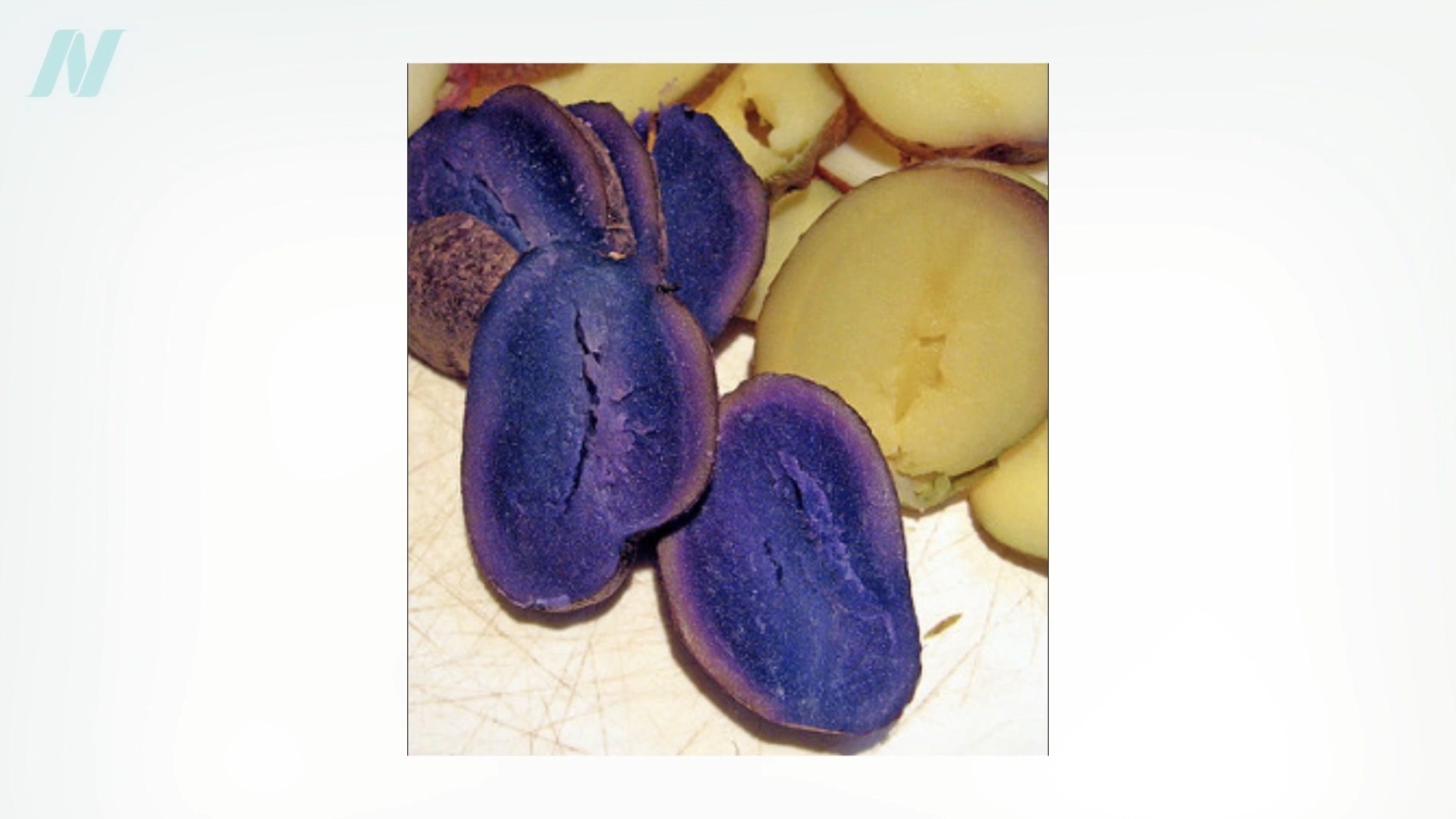
While conventional white potatoes offer little in terms of beneficial pigments, even yellow-fleshed varieties like Yukon Gold are beginning to show some advantages over their white counterparts. However, the true nutritional standout in the potato world appears to be the purple-fleshed potato. These are not merely potatoes with a purple skin; their flesh boasts a deep, almost neon-blue hue, a visual testament to their rich anthocyanin content.
Scientific studies have consistently demonstrated that purple potatoes elicit a significantly lower insulin spike and a more subdued blood sugar response compared to yellow-fleshed potatoes. This difference is attributed to the high concentration of anthocyanins, the same powerful antioxidants that give berries their deep colors. The profound impact of this pigment difference has led researchers to suggest that a wider adoption of purple potatoes could play a substantial role in maintaining public health, particularly in the context of metabolic disease prevention.
Isolating the Pigment Effect: Scientific Rigor in Action
A key question in this research is whether the observed benefits are solely due to the pigments or if other inherent differences between potato varieties contribute. To address this, scientists have employed rigorous experimental methods. In vitro studies, where potato extracts are tested in laboratory settings, have shown that extracts from purple and red-fleshed potatoes can indeed inhibit starch digestion.
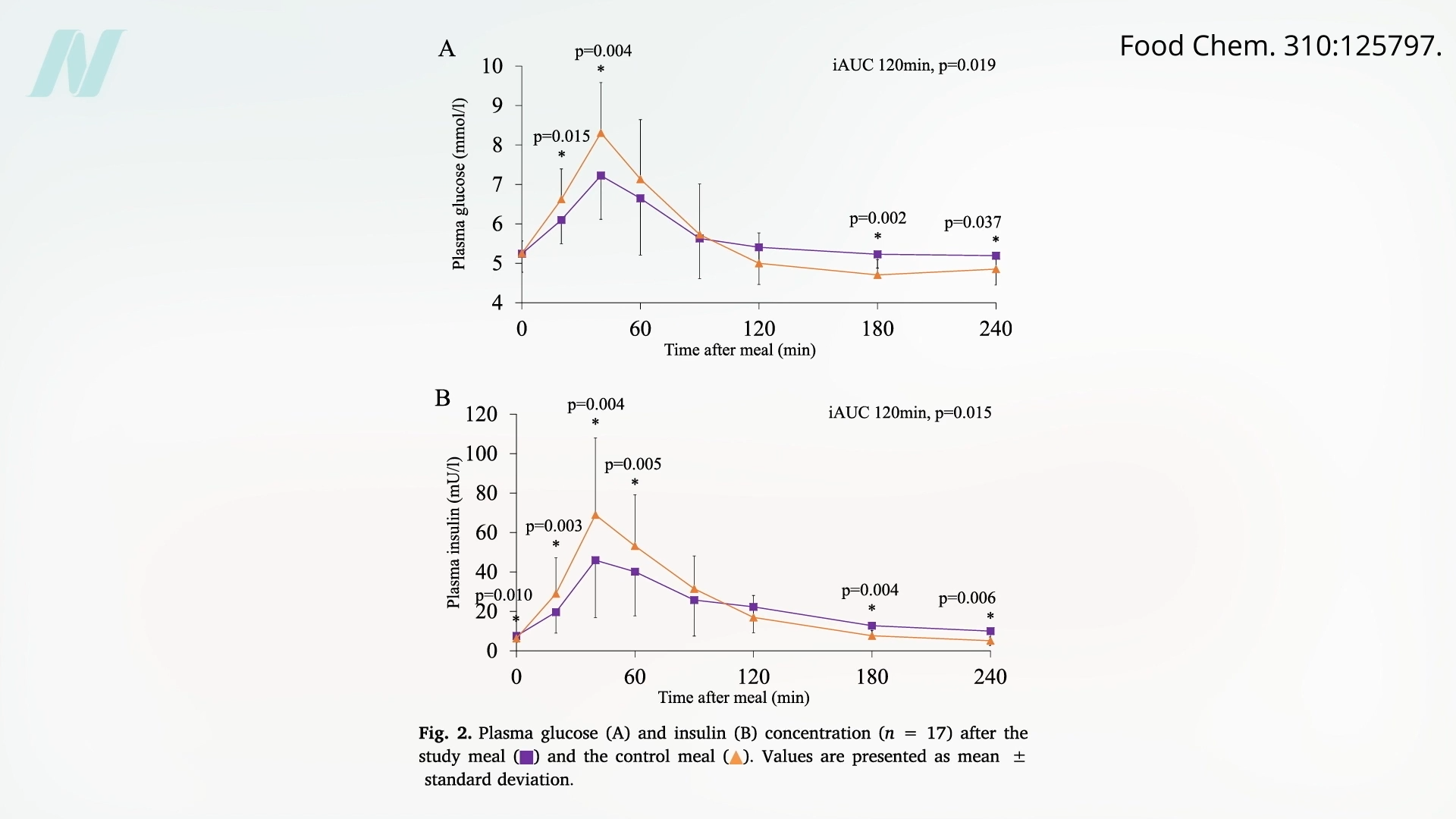
Further substantiating this, researchers have gone a step further by isolating and purifying the pigments from purple potatoes. These purified pigments were then added to yellow potatoes. The results were compelling: when yellow potatoes were supplemented with purple potato pigments, they exhibited a suppressed blood sugar and insulin response compared to plain yellow potatoes. This experimental manipulation effectively isolated the pigment’s effect, confirming that these natural compounds are directly responsible for moderating the glycemic impact of potatoes.
The findings illustrate a distinct physiological shift. Instead of an "overshoot" reaction where blood sugar levels can plummet below baseline after a rapid rise, the addition of purple potato pigments facilitates a gentler, more sustained rise and fall in blood glucose, characteristic of foods with a lower glycemic index. This suggests that consuming purple potatoes, or potentially incorporating purified pigment extracts, could offer a significant advantage for individuals managing blood sugar levels.
Beyond Blood Sugar: Anti-Inflammatory and Antioxidant Properties
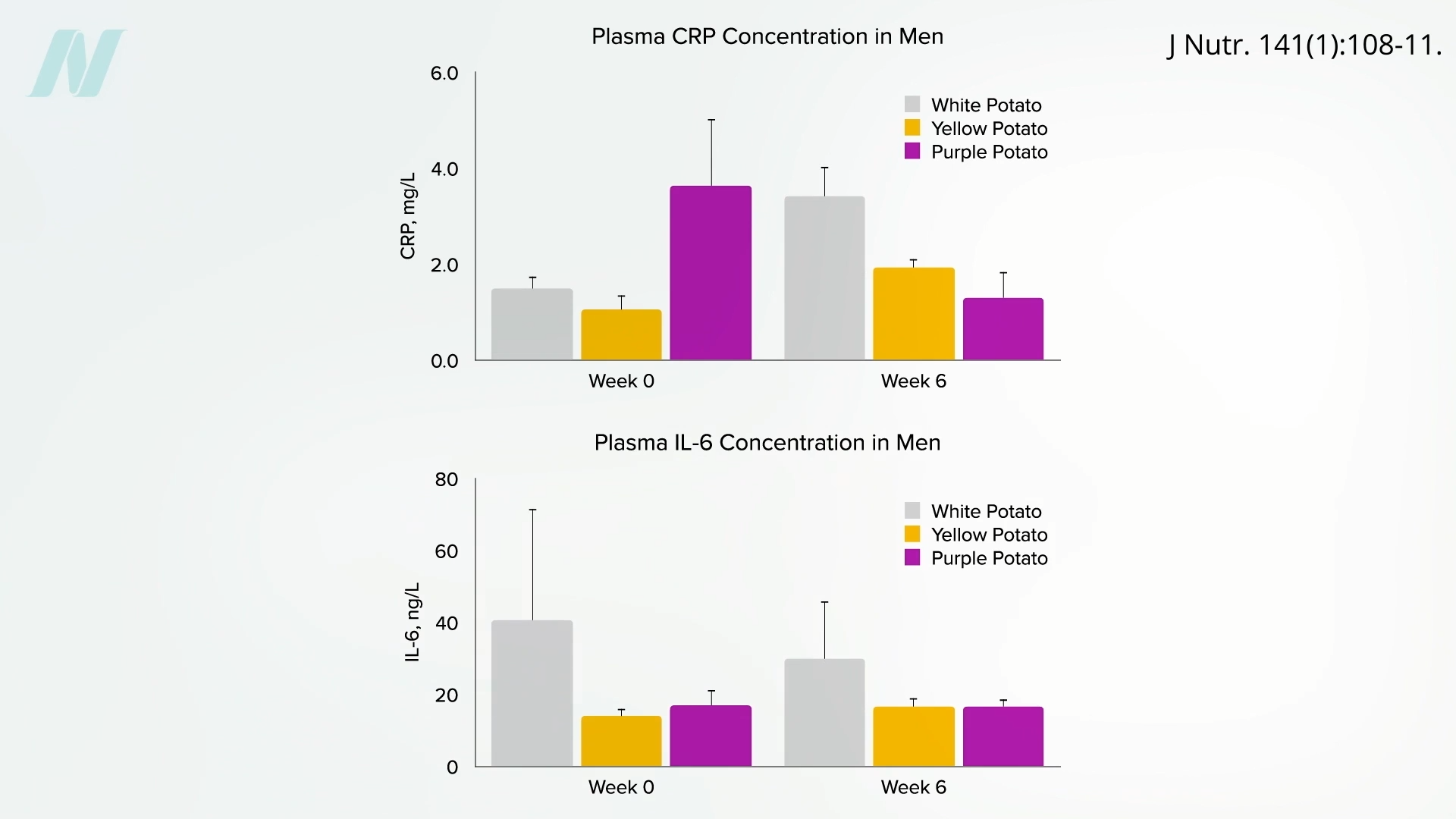
The benefits of purple potato pigments extend beyond glycemic control. The Potato Association of America often promotes potatoes as an anti-inflammatory food. However, recent research indicates that this beneficial property may be largely confined to pigmented varieties. A comparative study involving participants who consumed either white, yellow, or purple-fleshed potatoes daily for six weeks revealed significant differences in inflammatory markers.
Those who consumed purple potatoes showed markedly lower levels of key inflammatory indicators, such as C-reactive protein (CRP) and interleukin-6 (IL-6), compared to participants who ate white potatoes. This suggests that the anti-inflammatory potential of potatoes is closely tied to their pigment content, highlighting the superior health profile of purple varieties.
Furthermore, the impact of pigmented potatoes on oxidative stress is profound. Within hours of consuming a large purple potato, blood antioxidant power can increase by as much as 60%. This surge in antioxidants translates into a reduction in free radical DNA damage, a crucial factor in preventing chronic diseases and cellular aging.
When comparing the antioxidant activity across different potato types, the disparity is striking. Yukon gold potatoes possess roughly double the antioxidant capacity of white potatoes. However, purple potatoes dwarf both, exhibiting an antioxidant power approximately 20 times greater than white potatoes. This level of antioxidant potency is comparable to that found in berries. For instance, consuming just half a purple potato can provide a polyphenol antioxidant content equivalent to that of half a cup of blueberries.
In contrast, pure white potato starch, devoid of pigments, can act as a pro-oxidant, potentially decreasing the body’s antioxidant capacity. Studies have shown that consuming a purple potato can elevate blood antioxidant capacity for up to eight hours. Conversely, consuming white potato starch without pigments can leave an individual in a worse physiological state concerning antioxidant levels than they were before consumption. This stark difference underscores the protective role of anthocyanins found in pigmented potatoes.
Physiological Impact: Arterial Health and Blood Pressure
The observed biochemical changes associated with purple potato consumption translate into tangible physiological benefits. A study where participants consumed either purple or white potatoes for two weeks demonstrated a significant improvement in a key measure of arterial stiffness in the purple potato group, an effect not observed with white potatoes.
This improvement in vascular health is further reflected in blood pressure readings. Research indicates that purple potato consumption can lead to a reduction in blood pressure, even among individuals already on medication for hypertension. This suggests that purple potatoes possess genuine blood pressure-lowering properties, positioning them as a valuable dietary component for cardiovascular health management.
Addressing Concerns: Glycoalkaloids and Potato Safety
A common concern regarding potato consumption revolves around naturally occurring toxic compounds called glycoalkaloids, primarily solanine and chaconine. These compounds are found in higher concentrations in the skin and sprouts of potatoes. The toxic dose for humans is estimated to start around 2 to 5 mg per kilogram of body weight, with a lethal dose not far beyond.
However, the average levels of total glycoalkaloids in most potatoes are significantly lower, typically less than 100 mg per kilogram. For an average American weighing approximately 180 pounds (about 82 kg), this means a toxic dose would require consuming between four to nine pounds of potatoes. Symptoms of glycoalkaloid toxicity, such as nausea, vomiting, and diarrhea, can be mistaken for common gastrointestinal illnesses. Some individuals may experience adverse effects at lower doses, with symptoms reported at 1.25 mg/kg or even 1 mg/kg of body weight, which would equate to about two pounds of potatoes for an average adult.
There is also a theoretical concern about the accumulation of glycoalkaloids with chronic, high-level consumption. However, even individuals adhering to restrictive fad diets that involve consuming three to four pounds of potatoes daily can mitigate this risk by peeling the potatoes. Peeling effectively removes nearly all of the glycoalkaloids, rendering the consumption of large quantities safe from this particular toxicological perspective. This information suggests that, when consumed appropriately and particularly when opting for pigmented varieties, the risk associated with glycoalkaloids is manageable.
A Comprehensive Look at Potato Varieties and Preparation
This investigation into the healthiest type of potato forms part of a broader series examining the multifaceted nutritional landscape of this common vegetable. Understanding the differences between white, yellow, and purple-fleshed potatoes is crucial for making informed dietary choices. Furthermore, the method of preparation plays a significant role in a potato’s overall health impact. While this article focuses on the intrinsic properties of different potato types, future considerations may explore optimal cooking methods for various varieties to further enhance their health benefits.
The information presented here, derived from rigorous scientific studies, offers a compelling case for reconsidering the potato’s place in a healthy diet. By embracing the vibrant hues of purple potatoes, consumers may unlock a wealth of health advantages, from improved metabolic health to enhanced antioxidant protection and reduced inflammation. As research continues to illuminate the intricate relationship between food, pigments, and human physiology, the humble potato, particularly its richly colored variants, stands poised to reclaim its status as a nutritional powerhouse.






