admin
admin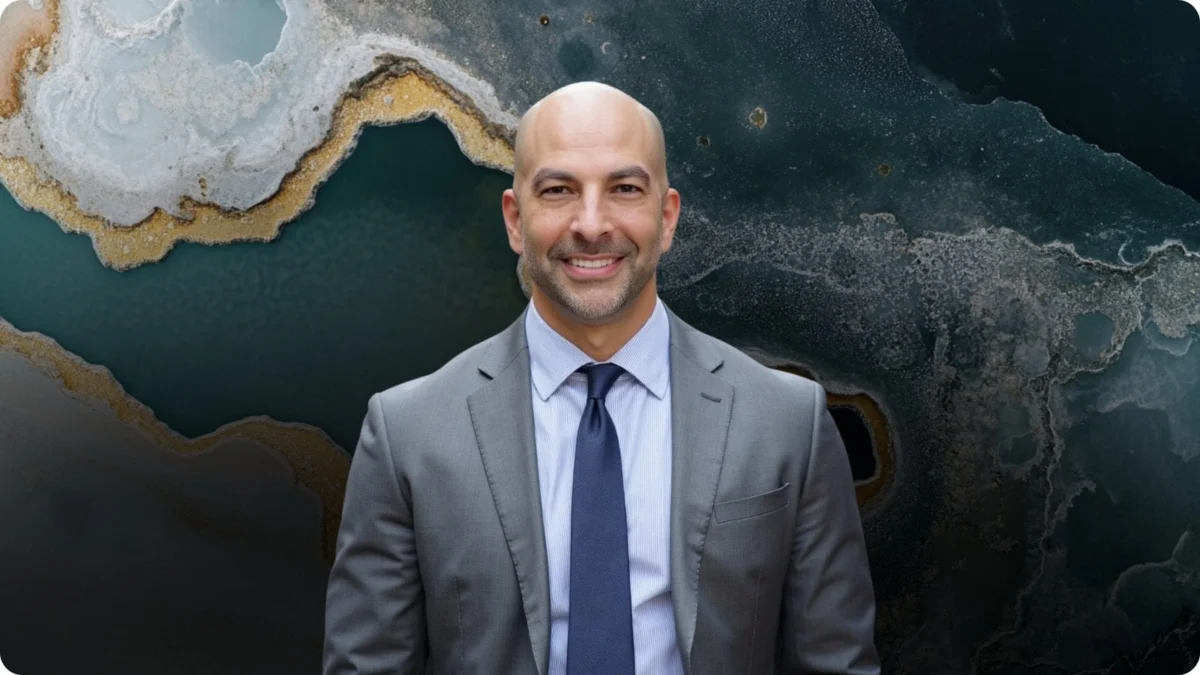
The latest installment of the Ask Me Anything series on The Drive podcast features Dr. Peter Attia providing a comprehensive deep dive into the evolving landscape of longevity science, metabolic health, and pharmacological interventions. In this session, designated as AMA #81, Attia addresses a spectrum of listener inquiries that range from the validity of biological aging clocks to the clinical utility of GLP-1 receptor agonists. The episode serves as a synthesis of Attia’s current clinical philosophy, often referred to as Medicine 3.0, which prioritizes proactive prevention and personalized health metrics over the reactive nature of traditional medical practices. By deconstructing complex topics such as transcranial magnetic stimulation, seed oil consumption, and the limitations of observational studies like the Blue Zones, the discussion provides a roadmap for navigating the often-contradictory world of modern health advice.
The Validity and Utility of Biological Aging Clocks
One of the primary focal points of the discussion involves the skepticism surrounding biological aging clocks. As the longevity industry has expanded, numerous commercially available tests claim to measure an individual’s "biological age" through epigenetic markers, specifically DNA methylation patterns. These tools, often based on the pioneering work of Steve Horvath and others, seek to provide a more accurate representation of physiological decline than chronological age alone.
However, Attia emphasizes the need for caution when interpreting these results. While the science of epigenetics is robust, the translation of these markers into a singular "age" score can be reductive. The discussion highlights that while these clocks are excellent tools for population-level research—predicting morbidity and mortality across large cohorts—their utility for an individual trying to measure the success of a specific lifestyle intervention over a short period remains unproven. Attia suggests that instead of relying solely on these nascent technologies, individuals should focus on more established, high-leverage biomarkers such as cardiorespiratory fitness (measured by VO2 max), muscle mass, and metabolic stability, which have a more direct and proven correlation with healthspan and lifespan.
The Pharmacological Revolution: GLP-1 Agonists Beyond Weight Loss
The conversation shifts significantly toward the role of glucagon-like peptide-1 (GLP-1) receptor agonists, such as semaglutide and tirzepatide. Originally developed for the treatment of Type 2 diabetes, these medications have seen a meteoric rise in popularity for their efficacy in treating obesity. According to data from the Centers for Disease Control and Prevention (CDC), the adult obesity rate in the United States remains over 40%, contributing to a surge in metabolic diseases.
Attia explores the potential "upside" of these therapies that extends beyond simple weight reduction. Emerging research suggests that GLP-1 agonists may offer neuroprotective benefits and reduce systemic inflammation, potentially lowering the risk of neurodegenerative diseases like Alzheimer’s. The discussion evaluates what level of evidence would justify the broader use of these drugs in non-obese populations. While the current clinical consensus remains focused on those with metabolic dysfunction, the potential for these drugs to serve as "longevity agents" is a burgeoning area of interest. Attia’s framework for evaluating these interventions involves a rigorous risk-benefit analysis, considering the potential for muscle loss (sarcopenia) as a side effect of rapid weight loss and the necessity of concurrent resistance training to mitigate such risks.
A Data-Driven Analysis of Nutritional Controversies and Seed Oils
Addressing one of the most contentious topics in modern nutrition, Attia provides his perspective on seed oils, such as soybean, corn, and canola oils. These oils are high in linoleic acid, an omega-6 fatty acid. Critics often argue that high consumption of these oils leads to systemic inflammation and chronic disease. However, Attia leans toward a more evidence-based interpretation, noting that many human clinical trials and observational studies do not support the claim that seed oils are inherently pro-inflammatory when they replace saturated fats.
The discussion contextualizes the "seed oil debate" within the broader framework of the Standard American Diet. Attia suggests that the primary issue is likely the highly processed nature of the foods containing these oils—which are often also high in refined sugars and sodium—rather than the oils themselves. This nuanced approach encourages listeners to prioritize whole-food nutrition and caloric control over the elimination of a single food group based on speculative mechanistic theories.
Chronology of Clinical Practice and Patient Onboarding
The episode provides a rare look into the operational side of Attia’s medical practice. He outlines the chronology of onboarding a new patient, a process designed to avoid the "information overload" that often plagues high-level health optimization. The framework begins with an exhaustive data collection phase, including a detailed medical history, comprehensive blood work, and physiological testing (e.g., DEXA scans for body composition and VO2 max testing).
Following the data collection, the strategy shifts to identifying the "lowest-hanging fruit"—the changes that will yield the highest return on investment for the patient’s specific health profile. This might involve stabilizing blood glucose, improving sleep hygiene, or addressing foundational strength deficits. Attia emphasizes that the goal of Medicine 3.0 is not to implement every possible intervention at once, but to create a sustainable, long-term architecture for health that can be adjusted as the patient ages.
Sun Exposure, Skin Health, and Circadian Rhythms
The discussion on environmental health covers the complex relationship between sun exposure and longevity. Attia reconciles the conflicting advice regarding skin cancer risk and the necessity of Vitamin D synthesis. He notes that while excessive ultraviolet (UV) radiation is a primary driver of photoaging and skin cancers (basal cell, squamous cell, and melanoma), total avoidance of the sun can be detrimental to health.
Beyond Vitamin D, sun exposure plays a critical role in regulating circadian rhythms. Morning light exposure is a key "zeitgeber" (time-giver) that helps synchronize the body’s internal clock, affecting everything from cortisol production to sleep quality. Attia’s approach involves a balanced strategy: utilizing sun protection to prevent burning and minimize photoaging while ensuring enough natural light exposure to maintain hormonal and circadian health.
Reevaluating the Blue Zones and Observational Epidemiology
In a significant critique of popular longevity narratives, Attia expresses his skepticism regarding the "Blue Zones"—geographic areas where people supposedly live significantly longer than the global average. While the Blue Zone concept has gained massive popularity through documentaries and books, Attia argues that the data supporting these claims is often flawed.
The primary issues include "pension fraud" (where deaths are not reported so families can continue receiving benefits, leading to "paper centenarians") and the inherent limitations of observational epidemiology. These studies can identify correlations—such as a specific diet or social structure—but they cannot prove causation. Attia argues that many of the health benefits attributed to Blue Zone lifestyles are likely the result of basic healthy habits (movement, social connection, lack of overeating) rather than any "secret" geographical or dietary factor. This critique serves as a reminder to prioritize rigorous, mechanistic science over anecdotal evidence.
Emerging Neurological Interventions: Transcranial Magnetic Stimulation
A new area on Attia’s radar is Transcranial Magnetic Stimulation (TMS). This non-invasive procedure uses magnetic fields to stimulate nerve cells in the brain. Currently FDA-approved for treatment-resistant depression and obsessive-compulsive disorder (OCD), TMS is being investigated for its potential to improve cognitive function and treat other neurological conditions.
Attia discusses why this technology is becoming a point of interest in the longevity space. As the population ages, the "four horsemen" of disease—cardiovascular disease, cancer, neurodegenerative disease, and Type 2 diabetes—become the primary threats to healthspan. Interventions that can modulate brain activity and potentially stave off cognitive decline are of paramount importance. While still in the early stages of broader application, TMS represents the kind of technological advancement that Attia believes will define the next decade of neurological health.
Supporting Data and Broader Implications for Healthspan
The insights shared in AMA #81 reflect a broader shift in the healthcare industry. Data from the World Health Organization (WHO) indicates that while global life expectancy has increased, "healthy life expectancy" (healthspan) has not kept pace. This gap represents years spent in morbidity and declining function.
Attia’s focus on high-leverage changes—such as correcting training mistakes and optimizing body fat percentage—is supported by longitudinal data. For instance, low muscle mass is a significant predictor of all-cause mortality in older adults. By emphasizing resistance training and protein intake, Attia provides a practical strategy for listeners to combat the natural decline of aging.
The implications of this episode extend beyond individual health choices. They suggest a need for a systemic overhaul of how we approach aging. By moving away from the "Blue Zone" myths and toward a rigorous, data-driven framework involving pharmacological tools like GLP-1s, advanced diagnostics like biological clocks (with caveats), and foundational lifestyle habits, the medical community can better address the challenges of the 21st-century health landscape.
Official Responses and Scientific Context
While this episode represents Attia’s personal and clinical views, it aligns with a growing movement among longevity researchers. Organizations like the American Federation for Aging Research (AFAR) have long advocated for the "Geroscience Hypothesis"—the idea that by targeting the biological aging process itself, we can delay the onset of all chronic diseases simultaneously. Attia’s discussion of GLP-1s and biological clocks fits squarely within this scientific paradigm.
Critics and more conservative members of the medical establishment often warn against the "off-label" use of medications or the reliance on unvalidated testing. In response, Attia maintains a stance of "informed experimentation," where the patient and physician use the best available data to make decisions, acknowledging that waiting for 30-year randomized controlled trials may result in missing the window for effective intervention. This episode of The Drive reinforces the importance of being an active participant in one’s own health, armed with the best scientific data available today.