 admin
admin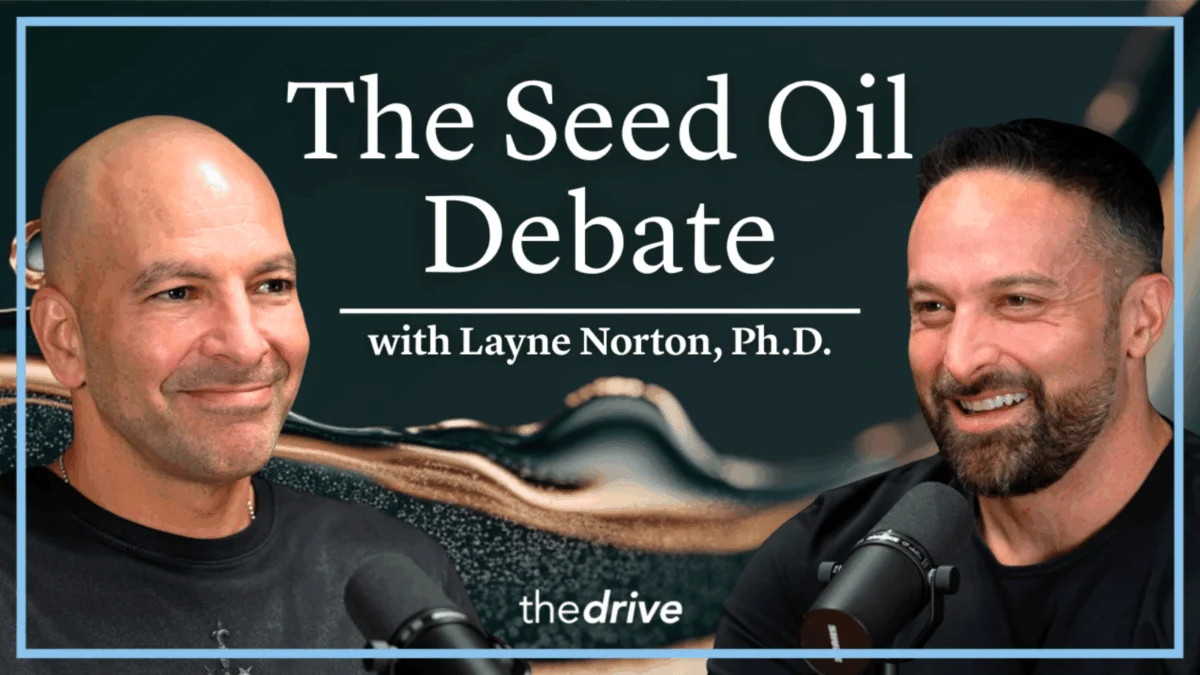
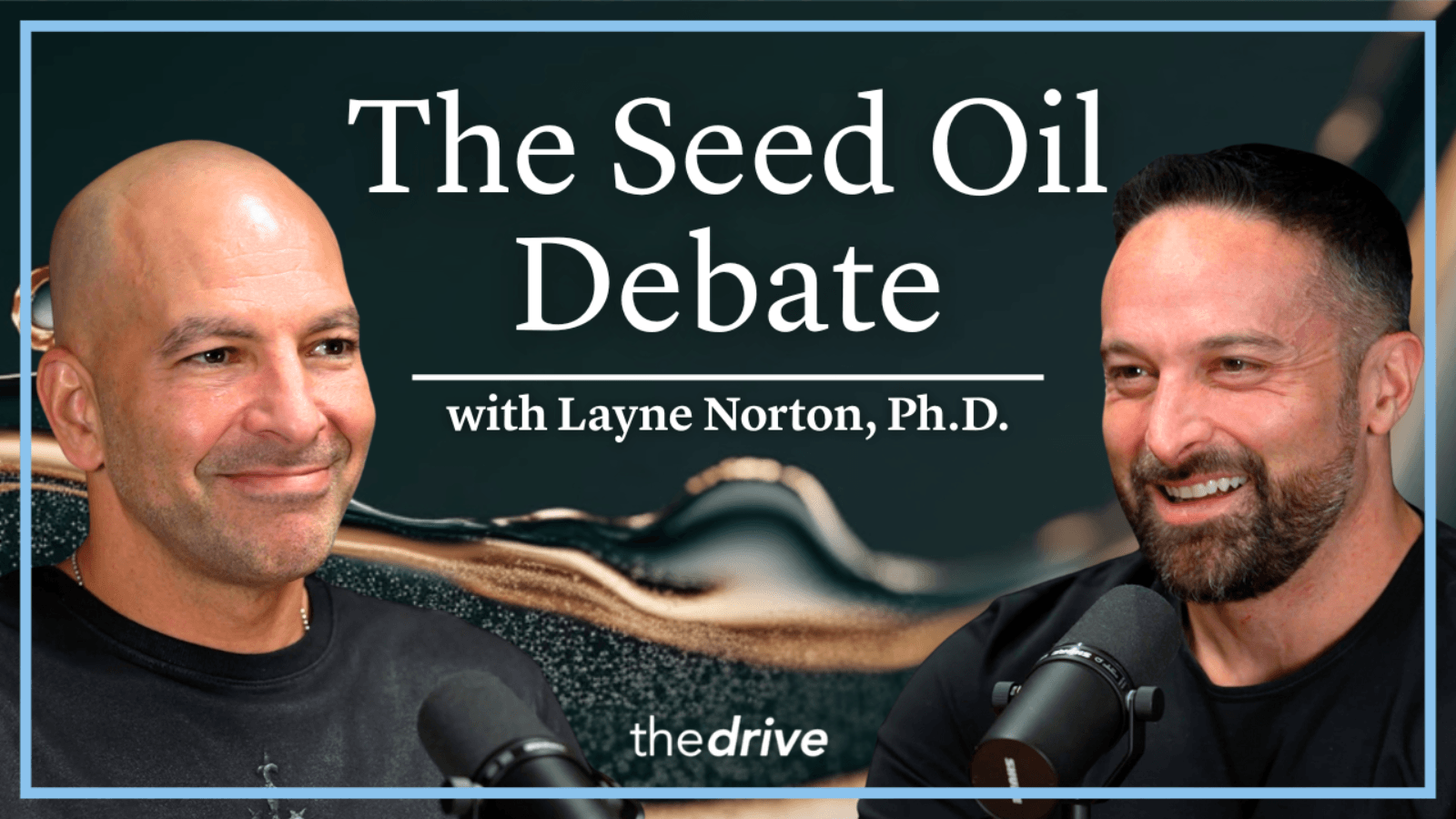
The debate surrounding the health implications of seed oils has reached a fever pitch in the modern wellness landscape, prompting a comprehensive re-examination of the scientific literature by two prominent figures in the field of longevity and nutrition. In a recent detailed discussion on The Peter Attia Drive, Dr. Layne Norton, a nutrition scientist and world-class powerlifter, joined Dr. Peter Attia to deconstruct the claims that seed oils—specifically polyunsaturated fatty acids (PUFAs) like soybean, corn, and sunflower oils—are inherently toxic to human health. The conversation, which departs from the show’s traditional interview format to adopt a more debate-oriented structure, seeks to reconcile the vast discrepancies between clinical data and the growing public sentiment against these industrial fats.
Dr. Layne Norton, who holds a Ph.D. in Nutritional Sciences from the University of Illinois, has built a career on the rigorous application of the scientific method to body composition and metabolic health. During the discourse, Norton presented an evidence-based case asserting that seed oils are not uniquely harmful when consumed under isocaloric conditions—meaning when total calorie intake remains constant. To ensure a balanced perspective, Attia "steelmanned" the opposing view, presenting the most robust versions of the arguments typically used by those who claim seed oils drive systemic inflammation, oxidative stress, and the modern epidemic of chronic disease.
The Historical Context of the Seed Oil Debate
The controversy over seed oils is not a recent phenomenon but rather the culmination of several decades of shifting dietary guidelines and evolving lipid research. In the mid-20th century, the "Diet-Heart Hypothesis," championed by figures like Ancel Keys, suggested that saturated fats increased serum cholesterol, leading to cardiovascular disease. This led to a massive public health shift toward vegetable oils, which are high in linoleic acid, an omega-6 polyunsaturated fat.
By the early 2000s, a counter-movement began to gain traction, fueled by the "Ancestral Health" and "Paleo" communities. Critics argued that the rapid introduction of seed oils into the human diet—which occurred primarily over the last 150 years—represents an evolutionary mismatch. They pointed to the fact that prior to the industrial revolution, human consumption of linoleic acid was significantly lower, estimated at 1% to 3% of total calories, compared to the 7% to 10% seen in contemporary Western diets.
This historical tension forms the backdrop of the Norton-Attia discussion. Norton acknowledges that while the rapid increase in seed oil consumption correlates with rising rates of obesity, correlation does not equal causation. He argues that the primary driver of metabolic dysfunction is the overconsumption of calories, often delivered through ultra-processed foods that happen to contain seed oils, rather than the oils themselves.
Deconstructing the Four Core Arguments Against Seed Oils
During the session, Peter Attia outlined four primary pillars upon which the anti-seed-oil argument stands. These points are frequently cited by skeptics of mainstream nutritional guidelines:
- The Pro-inflammatory Hypothesis: This theory suggests that because linoleic acid (omega-6) is a precursor to arachidonic acid, it leads to the production of pro-inflammatory eicosanoids. Critics argue this creates a state of chronic systemic inflammation.
- The Oxidative Stress Argument: Seed oils are chemically unstable due to their multiple double bonds. Skeptics claim these oils oxidize easily during cooking and within the body, specifically contributing to the oxidation of Low-Density Lipoprotein (LDL) particles, which is a key step in the development of atherosclerosis.
- The Evolutionary Mismatch: This argument posits that the human genome is not adapted to handle high concentrations of industrial seed oils, which require high-heat and chemical processing (such as hexane extraction) to produce.
- The Link to Ultra-Processed Foods: There is a strong association between the rise of seed oil consumption and the prevalence of hyper-palatable, calorie-dense processed foods, which are known drivers of obesity and Type 2 diabetes.
Norton addressed these points by looking at "converging lines of evidence." He noted that while mechanistic studies in test tubes or animal models might show potential for inflammation, human randomized controlled trials (RCTs) often show the opposite. For instance, several meta-analyses of human trials have demonstrated that replacing saturated fats with polyunsaturated fats (including seed oils) actually reduces markers of inflammation, such as C-reactive protein (CRP), and lowers the risk of cardiovascular events.
Re-evaluating Classic Randomized Controlled Trials
A significant portion of the technical discussion focused on the re-analysis of historical data, specifically the Minnesota Coronary Experiment (MCE) and the Sydney Diet Heart Study. These trials are frequently cited by seed oil critics because, upon re-evaluation years after their completion, some data suggested that participants who replaced saturated fat with vegetable oils had higher mortality rates despite lower cholesterol levels.
Norton and Attia dove into the nuances of these studies, noting that the "vegetable oil" used in the Sydney study was actually a margarine high in trans-fats, which are now universally recognized as harmful. Furthermore, the MCE had a high dropout rate and a relatively short duration for a cardiovascular study. Norton argued that when these flawed or outdated studies are weighed against modern, high-quality prospective cohort studies and tightly controlled metabolic ward trials, the weight of evidence continues to favor the safety—and even the heart-health benefits—of PUFAs over saturated fats.
The Chemistry of Lipid Oxidation and Atherosclerosis
One of the most complex areas of the discussion involved the mechanistic biology of LDL oxidation. The anti-seed-oil narrative suggests that a diet high in linoleic acid results in LDL particles that are more prone to oxidation. Since oxidized LDL is more likely to be taken up by macrophages in the arterial wall to form foam cells, the logic follows that seed oils accelerate heart disease.
Norton countered this by explaining that while linoleic acid can oxidize, the body possesses robust antioxidant defenses. More importantly, he highlighted that the most critical factor in atherosclerosis is the total number of ApoB-containing particles (LDL and others) in the bloodstream, rather than just their susceptibility to oxidation. Clinical data consistently shows that replacing saturated fats with seed oils lowers LDL-cholesterol and ApoB levels, which typically results in a net reduction in cardiovascular risk, regardless of the theoretical increase in oxidation potential.
Scientific Bias and the Evaluation of Evidence
A recurring theme in the conversation was the nature of scientific bias. Norton, who has been vocal about his own shift in perspective over the years, admitted that he used to hold anti-seed-oil views. He emphasized that everyone has biases, but the scientific method is designed to filter those biases through rigorous testing and replication.
"Personal beliefs are actually just as powerful, if not a more powerful reason why people stray from the evidence," Norton remarked. He pointed out that in the age of social media, "information silos" allow individuals to cherry-pick studies that support a specific narrative, such as the "seed oils are toxic" claim, while ignoring the vast majority of contradictory data.
To provide transparency, Norton disclosed his research funding and his background as a proponent of high-quality animal protein, noting that his defense of seed oils is not born out of a financial incentive from the vegetable oil industry, but rather a commitment to what the data shows.
The Role of Ultra-Processed Foods and Lifestyle Factors
Both Norton and Attia agreed on a crucial point: the context of the modern diet. Seed oils are a hallmark of ultra-processed foods—chips, crackers, fast food, and commercial baked goods. These foods are designed to be hyper-palatable, leading to passive overconsumption of calories.

Norton argued that the "harm" attributed to seed oils is often a misattribution. When people remove seed oils from their diet, they often simultaneously remove ultra-processed junk foods, leading to a caloric deficit, weight loss, and improved metabolic markers. In this scenario, the improvement is due to the reduction in total calories and refined carbohydrates, not necessarily the absence of the oils themselves.
"If you are in a caloric balance and your weight is stable, the evidence that seed oils are causing damage is incredibly weak," Norton stated. He suggested that for the average person, focusing on maintaining a healthy weight and high activity levels is far more impactful for longevity than worrying about the specific type of cooking oil used in a meal.
Practical Considerations for the Consumer
In the concluding segment of the discussion, Norton offered practical advice for those navigating the conflicting information in the media. He suggested that while extra virgin olive oil remains a "gold standard" due to its high polyphenol content and extensive positive data, there is no need to fear oils like canola or soybean oil when used as part of a balanced diet.
He also addressed the "smoke point" concern, noting that while some oils are more stable at high heat than others, the actual amount of oxidation that occurs during home cooking is generally minimal and unlikely to pose a significant health risk compared to the broader lifestyle factors of smoking, sedentary behavior, and obesity.
Broader Impact and Implications for Public Health
The dialogue between Norton and Attia serves as a critical intervention in a public health discourse that has become increasingly polarized. By moving away from "sound-bite science" and toward a deep, nuanced exploration of clinical trials and biochemistry, the discussion highlights the importance of nuance in nutrition.
The implications of this debate are significant for public health policy. If the anti-seed-oil movement were to succeed in shifting dietary guidelines back toward saturated fats, some experts worry it could lead to a resurgence in cardiovascular disease rates. Conversely, if the focus remains on the "isocaloric" model, the emphasis for public health should remain on combating the obesity epidemic through calorie control and the reduction of ultra-processed food intake, regardless of the specific fat source.
As the scientific community continues to investigate the long-term effects of various dietary fats, the consensus among experts like Norton remains that the "seed oil apocalypse" is largely unsupported by high-quality human data. The path to longevity, according to the evidence presented, lies not in the demonization of a single ingredient, but in the comprehensive management of energy balance, lipid profiles, and metabolic health.