 admin
admin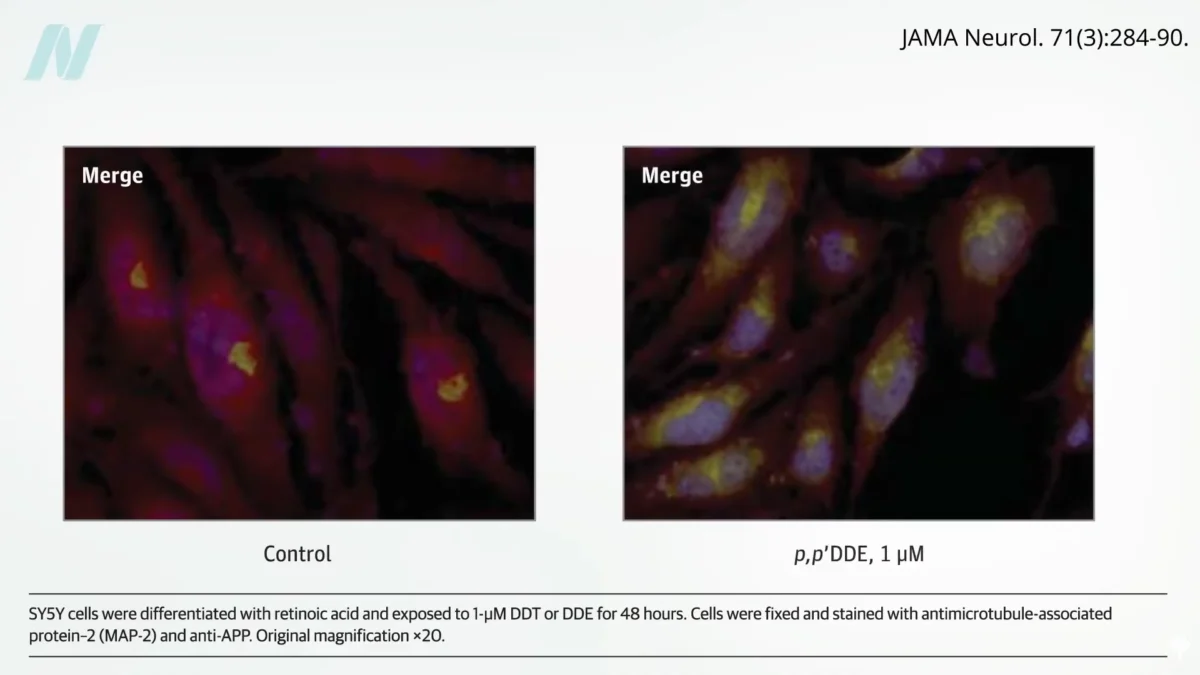
The pervasive presence of pesticide breakdown products in the human body, particularly DDE – a metabolite of the long-banned insecticide DDT – is raising significant concerns among public health researchers regarding its potential to elevate the risk of Alzheimer’s disease. This risk, according to emerging scientific evidence, may be as substantial as carrying the APOE e4 gene, a well-established genetic factor associated with increased susceptibility to Alzheimer’s. While genetic factors play a role in Alzheimer’s disease, accounting for less than half of all cases, the identical twin studies, where one twin develops the disease and the other typically does not, underscore the critical influence of environmental and lifestyle factors. This compelling data suggests that interventions beyond genetic predisposition are vital in mitigating Alzheimer’s risk.
The Lingering Threat of DDT and Its Metabolites
DDT (dichlorodiphenyltrichloroethane) was a widely used insecticide in the United States from the 1940s through the early 1970s, with annual production reaching an estimated 180 million pounds at its peak. Despite its ban, DDT and its persistent breakdown product, DDE, continue to be found in the environment and within the human body. The U.S. Environmental Protection Agency (EPA) has classified certain chlorinated pesticides, including DDE, as probable human carcinogens. However, recent research has shifted focus to their potential neurotoxic effects, specifically concerning dementia and Alzheimer’s disease.
A seminal study conducted by researchers at Rutgers University highlighted a significant association between elevated blood levels of DDE and other pesticides and an increased risk of mortality from all causes, not solely cancer. This observation led to speculation that these elevated levels might be linked to an increased incidence of chronic conditions such as diabetes and dementia. Previous discussions have extensively explored the connection between pesticide exposure and diabetes, but the direct link to dementia, and specifically Alzheimer’s disease, has become a focal point of ongoing investigation.

Scientific Evidence Linking Pesticides to Alzheimer’s Disease
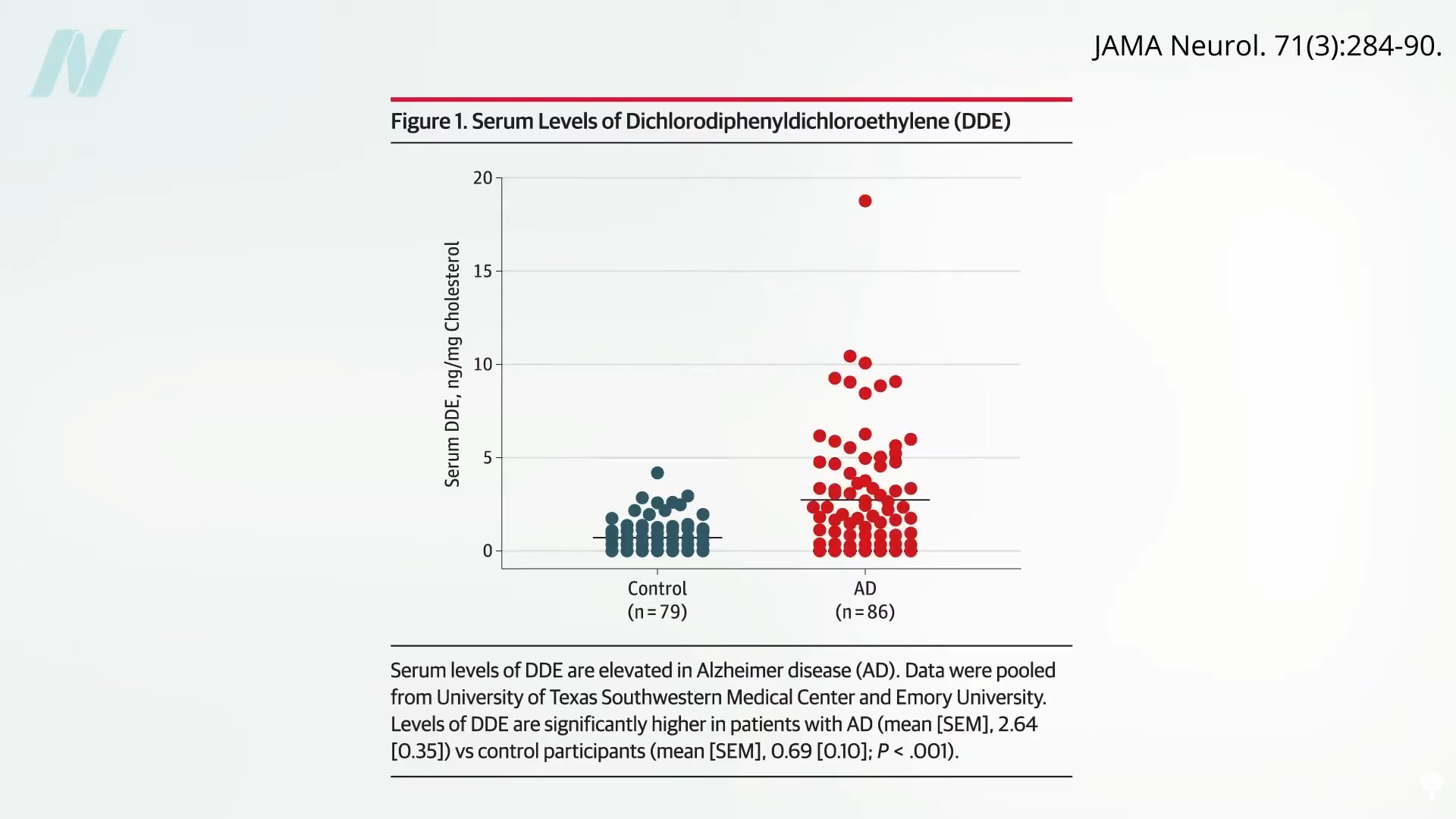
The Rutgers University research team’s findings are particularly noteworthy. They observed significantly higher blood levels of DDE in individuals diagnosed with Alzheimer’s disease when compared to control groups without the condition. This correlation was further substantiated by autopsy studies, which indicated that blood levels of DDE serve as a reliable proxy for brain concentrations. The study revealed that individuals with the highest DDE levels in their blood had approximately four times greater odds of developing dementia attributed to Alzheimer’s disease.
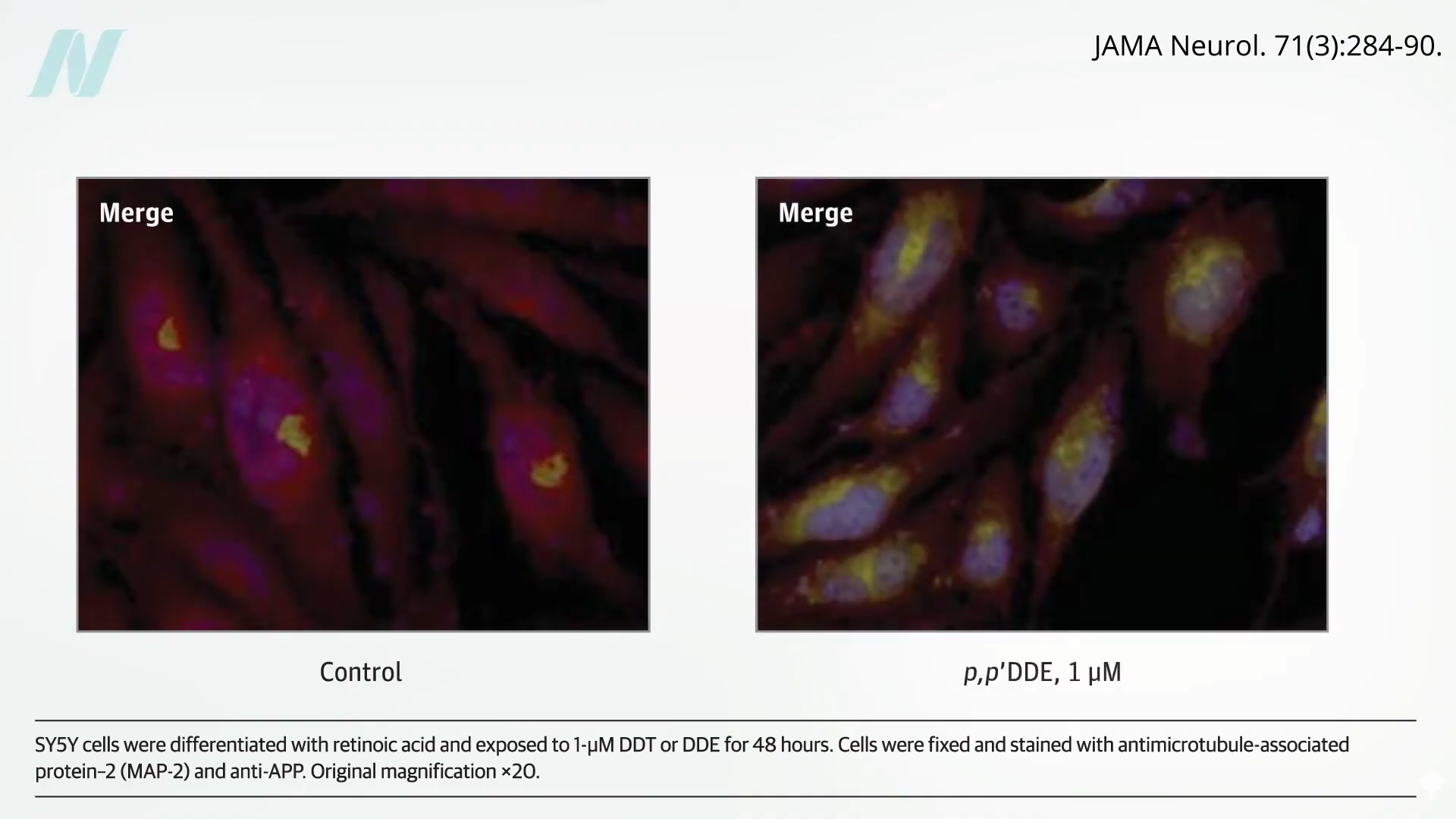
Further laboratory investigations have shed light on a potential biological mechanism. In vitro studies using human brain cells demonstrated that DDE can increase the levels of amyloid precursor protein (APP). APP is a protein that, when cleaved, can lead to the formation of amyloid-beta plaques. These plaques are a hallmark pathological feature of Alzheimer’s disease, accumulating in the brain and disrupting neuronal function. Visual representations from these studies, comparing amyloid levels in brain cells before and after exposure to DDE at concentrations found in highly exposed individuals, vividly illustrate this effect.
Broader Implications and Chronology of Exposure
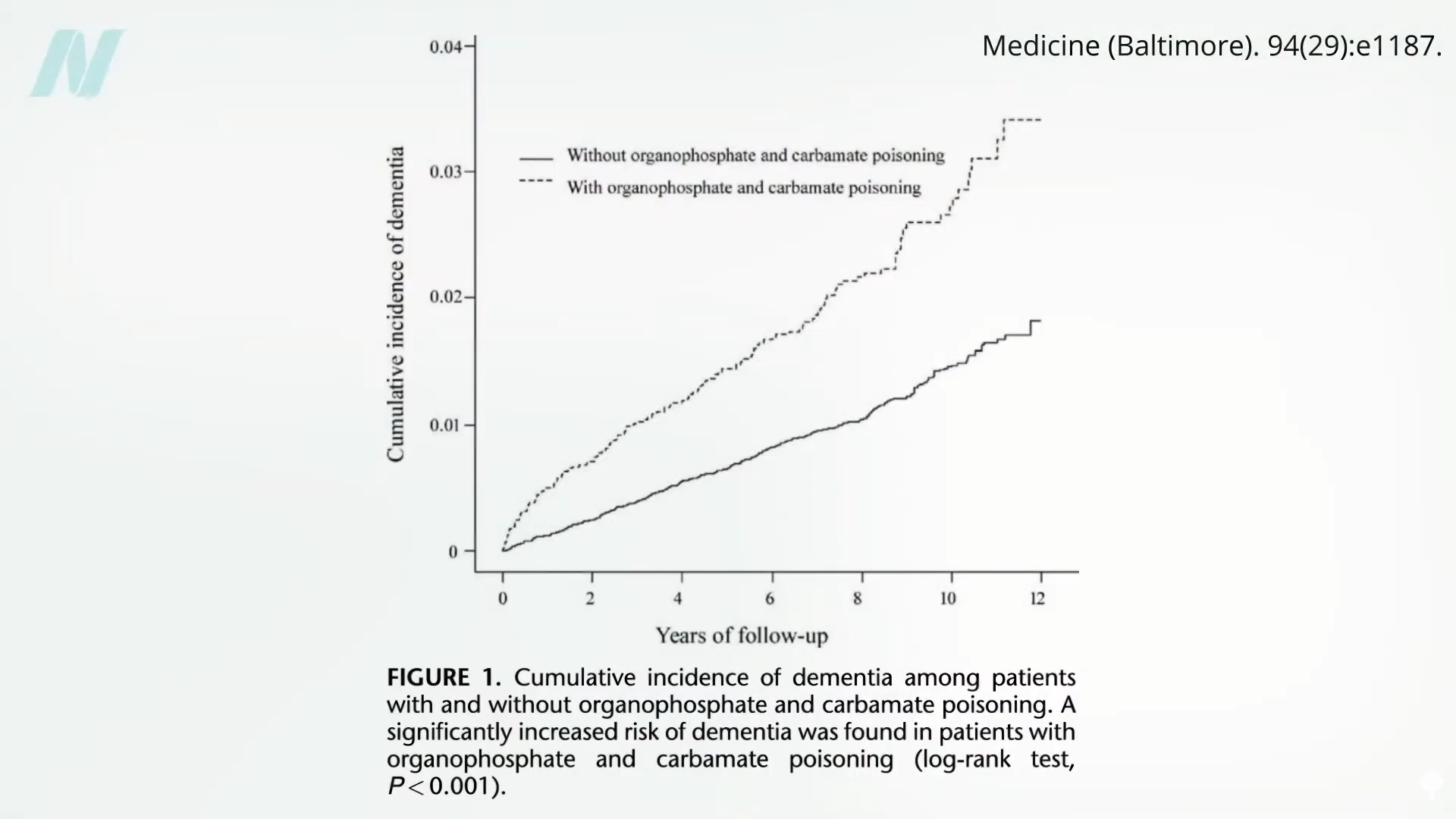
The cumulative evidence from multiple studies suggests a robust link between pesticide exposure and an increased risk of dementia. Research has shown that individuals who have experienced acute pesticide poisoning exhibit approximately a doubling of their risk for developing dementia. This finding aligns with observations among U.S. elders, where DDT and its breakdown product DDE are associated with a heightened risk of general cognitive decline. These findings collectively point towards a significant environmental contribution to neurodegenerative diseases.
The historical context of DDT’s widespread use is critical to understanding its persistent presence. Decades of application have resulted in widespread environmental contamination, with DDE being detected in the bloodstreams of over 90% of Americans. This enduring contamination is a direct consequence of the pesticide’s persistence in the environment and its bioaccumulation in the food chain.
Bioaccumulation in the Food Chain and Dietary Factors
The persistence of DDE in the human body is largely attributed to its continued presence in the food supply. Studies comparing the levels of banned pesticides and pollutants in breast milk have revealed significant differences between vegetarian and non-vegetarian mothers. Notably, vegetarian mothers exhibited substantially lower levels of DDE in their breast milk compared to their non-vegetarian sisters, with DDE levels being as much as four times lower.
This pattern is consistent across various persistent organic pollutants (POPs). Analysis of food samples collected from supermarkets across the United States has demonstrated that toxin levels, including dioxins and PCBs, are significantly higher in animal products such as beef, chicken, pork, processed meats, eggs, and fish, compared to plant-based foods. Toxin levels in meat, eggs, fish, and dairy products were found to be five to ten times higher than in a composite of all plant foods.
The Ineffectiveness of Cooking and the Magnitude of Risk
A concerning aspect of these persistent pollutants is their resistance to degradation. Cooking, often assumed to neutralize harmful substances, does not effectively destroy compounds like DDE. In fact, the process of cooking can sometimes lead to a more concentrated presence of these toxins in food.
The implications of this persistent exposure are profound. The risk associated with DDE exposure is substantial, potentially increasing the likelihood of developing Alzheimer’s disease to a degree comparable to carrying the APOE e4 genetic predisposition. This underscores the urgent need for public health strategies aimed at reducing environmental pesticide exposure and mitigating its impact on cognitive health.
Public Health and Research Perspectives
The consistent findings across various research methodologies – epidemiological studies, laboratory experiments, and food analyses – compel a serious re-evaluation of pesticide use and its long-term health consequences. While genetic factors remain a critical area of Alzheimer’s research, the growing body of evidence on environmental contributors, such as pesticide breakdown products, demands equally rigorous attention and action.
The fact that identical twins, sharing the exact same genetic makeup, can have vastly different health outcomes regarding Alzheimer’s disease is a powerful testament to the influence of environmental factors. This observation fuels the ongoing scientific endeavor to identify and quantify these non-genetic determinants of disease risk.
The research community’s efforts are continually focused on building a comprehensive understanding of how environmental exposures interact with individual biology to influence the development of complex diseases like Alzheimer’s. The persistent presence of DDE in the population, coupled with its demonstrated neurotoxic potential, presents a clear public health challenge. Continued research into effective strategies for reducing exposure, coupled with public awareness campaigns, will be crucial in addressing this escalating concern.
Future Directions and Public Health Interventions
The scientific consensus points towards a critical need for continued research into the long-term neurological effects of chronic, low-level pesticide exposure. Understanding the cumulative impact of these environmental toxins on brain health across the lifespan is paramount. This includes investigating potential synergistic effects with other environmental factors and genetic predispositions.
Public health initiatives aimed at reducing dietary exposure to persistent organic pollutants are essential. This could involve promoting agricultural practices that minimize pesticide use, supporting stricter regulations on chemical residues in food, and educating consumers about the benefits of choosing foods with lower contaminant loads.
Furthermore, continued investigation into the biological mechanisms by which pesticides like DDE exert their neurotoxic effects could pave the way for targeted interventions. This might include the development of therapies that can mitigate the accumulation of amyloid-beta or protect neuronal cells from oxidative stress induced by these chemicals. The ongoing dialogue between researchers, policymakers, and the public is vital to translating scientific findings into effective strategies for protecting cognitive health and reducing the burden of Alzheimer’s disease.
The information presented here, derived from scientific studies and analyses, aims to provide a comprehensive overview of the current understanding of pesticide breakdown products and their potential link to Alzheimer’s disease. The call for further investigation and informed action is clear, as the implications for public health are significant and far-reaching.