admin
admin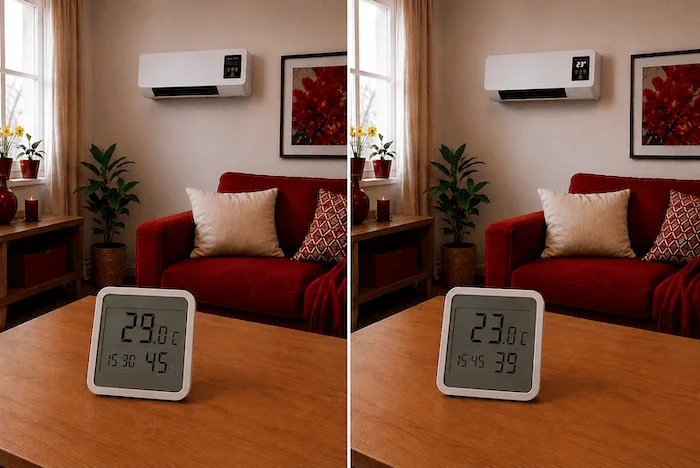
The Evolution of Portable Climate Control
The demand for portable cooling solutions has spiked dramatically over the last decade, driven largely by rising global temperatures and the increasing prevalence of heatwaves in regions previously considered temperate. Historically, consumers were limited to two primary options: high-cost central air conditioning or portable units that required cumbersome exhaust hoses and window modifications. The latter often proved problematic for apartment dwellers or those living in historic buildings where structural alterations are prohibited.
The EpiCooler represents a third category in this evolution—the ventless, dual-purpose climate control unit. By integrating "TurboCool" technology for summer use and a PTC (Positive Temperature Coefficient) ceramic heater for winter, the device seeks to provide a year-round utility that traditional fans or space heaters cannot match. Its design philosophy emphasizes a "plug-and-play" approach, requiring only a standard electrical outlet and no specialized installation, which addresses the primary barrier to entry for many low-to-middle-income households.
Technical Specifications and Operational Mechanics
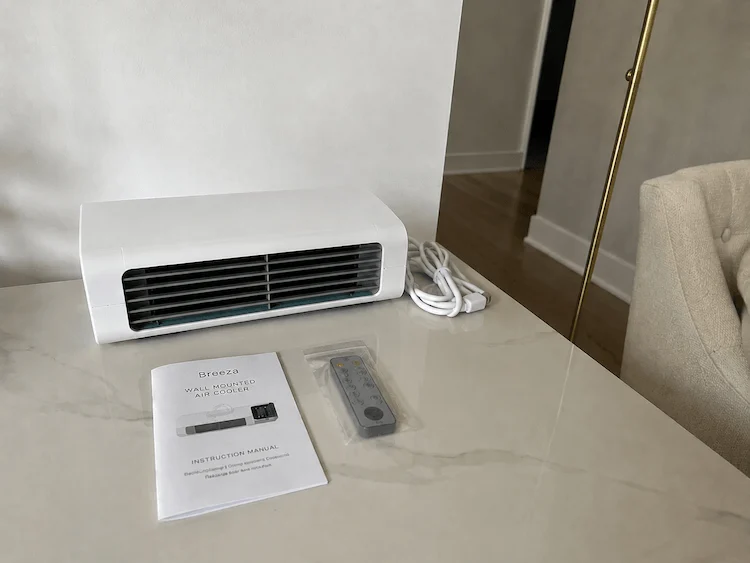
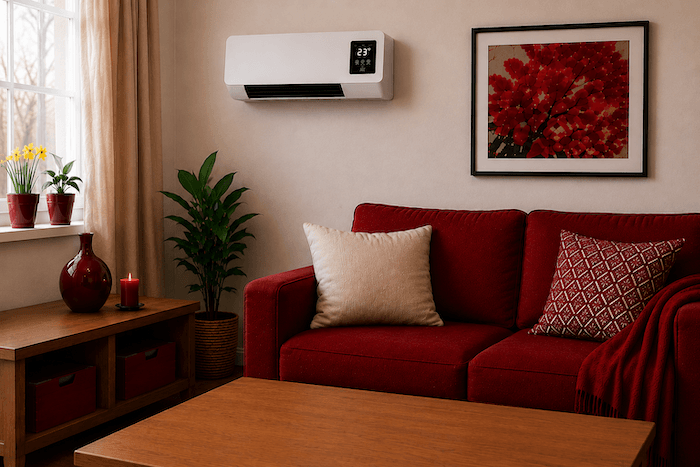
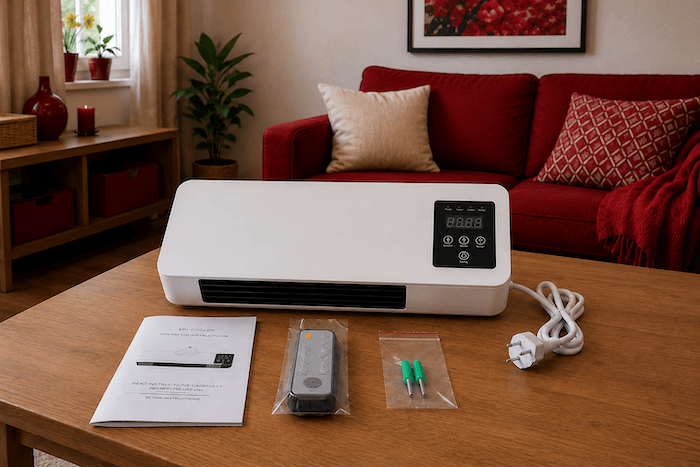
At a weight of approximately 2.1 kilograms, the EpiCooler is engineered for high mobility. Its physical dimensions allow it to be placed on desks, nightstands, or mounted directly onto walls using a proprietary bracket system included with the unit. The device features an intuitive interface consisting of a touchscreen LED display and a remote control, allowing for adjustments in fan speed, temperature, and operating modes.
Cooling Technology: TurboCool
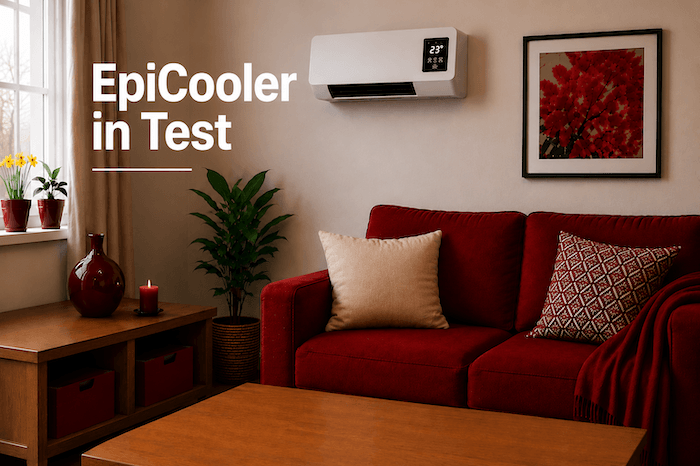
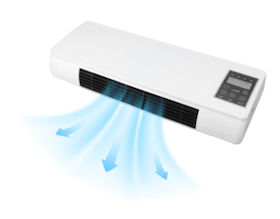
Unlike traditional air conditioners that rely on heavy compressors and chemical refrigerants to dump heat outside via a hose, the EpiCooler utilizes a proprietary system described by the manufacturer as TurboCool. This mechanism draws in warm ambient air, passes it through internal cooling elements, and redistributes it at a significantly lower temperature. A critical feature of this system is its internal moisture management; the device is designed to process condensation internally, eliminating the need for an external drainage hose or frequent manual emptying of water tanks.
Heating Technology: PTC Ceramic Elements
For winter operation, the unit switches to an integrated PTC ceramic heating system. PTC heaters are recognized in the HVAC industry for their safety and efficiency. Unlike traditional wire-coil heaters, ceramic modules are self-regulating. As the ceramic stones heat up, their electrical resistance increases, which naturally limits the power intake and prevents overheating. This technology ensures a more stable heat output and reduces the risk of fire, making it a preferred choice for bedroom environments.
Market Context and Consumer Demand Data
The rise of the EpiCooler coincides with a period of intense pressure on the global energy grid and consumer wallets. According to market research data from 2023, the portable air conditioner market is projected to grow at a CAGR of over 5% through 2030. This growth is fueled by "spot cooling"—the practice of cooling only the room currently in use rather than an entire residence.
Data suggests that spot cooling can reduce household energy consumption by up to 30% during peak summer months. For the average consumer, the EpiCooler’s entry price point—currently promoted at $137.99, down from a retail price of $275.98—positions it as an affordable alternative to the $2,000 to $5,000 required for a professional split-system installation. Furthermore, the 30-day money-back guarantee offered by the manufacturer reflects a growing trend in the direct-to-consumer (DTC) sector to mitigate perceived risk for new technologies.
Chronology of Product Testing and User Feedback
To assess the validity of the manufacturer’s claims, the device underwent a multi-day evaluation process involving direct usage and an analysis of aggregated consumer reports. The timeline of this assessment provides insight into the typical user journey.
Phase 1: Unboxing and Setup
Upon arrival, the unit was noted for its robust build quality, despite its lightweight frame. The setup process was instantaneous; the device reached operational status within seconds of being connected to a 230-volt outlet. No technical expertise or tools were required for basic tabletop operation.
Phase 2: Performance Testing
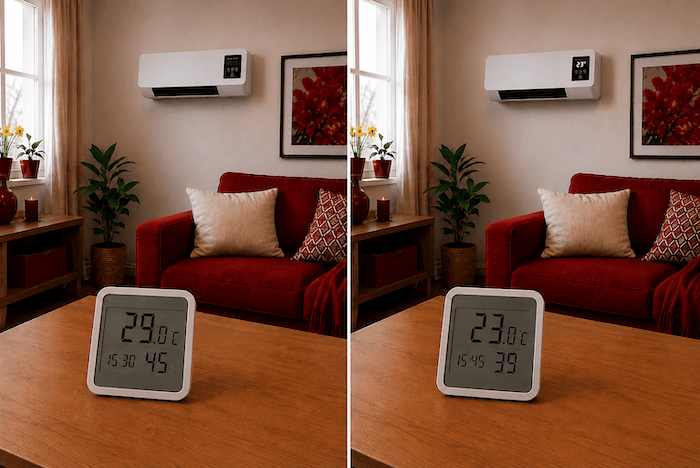
During the initial 15 minutes of operation in a standard-sized bedroom (approx. 15–20 square meters), a temperature drop was recorded. In "Turbo" mode, the cooling effect was immediate, though the noise level increased. In contrast, "Eco" and "Sleep" modes operated at a decibel level conducive to rest, which aligns with consumer reviews praising the unit’s performance in quiet environments.
Phase 3: Heating Evaluation
The heating function was tested in early morning conditions. The PTC ceramic elements provided warmth within minutes, distributing air more evenly than standard radiant heaters. The absence of the "burnt dust" smell common in older heating units was a notable observation, likely due to the ceramic technology.
User Sentiment Analysis
An analysis of 1,889 reviews on the manufacturer’s platform shows an average rating of 4.7 out of 5 stars. Key themes in positive feedback include:
- Portability: Users frequently move the unit between home offices and bedrooms.
- Ease of Use: The remote control and touch interface are cited as high-quality.
- Space Efficiency: The wall-mount option is particularly popular among those with limited floor space.
Official Responses and Expert Perspectives
While independent laboratory data from organizations like Consumer Reports are not yet available for this specific model, HVAC professionals have begun to weigh in on the technology. A certified technician’s assessment, featured on the official sales portal, highlights the unit’s "flexible application options" and "well-designed combination of functions."
From a technical standpoint, experts note that while ventless units like the EpiCooler cannot match the raw cooling BTU (British Thermal Units) of a massive central air system, they are highly effective for "personal climate zones." The consensus among industry analysts is that such devices are not intended to replace whole-home HVAC but to serve as a supplementary tool for comfort and energy management.
Safety and Regulatory Compliance
Safety is a paramount concern for portable electrical appliances. The EpiCooler includes several integrated safety protocols:
- Overheating Protection: Automatic sensors shut down the heating elements if internal temperatures exceed safety thresholds.
- Overload Protection: Prevents electrical surges from damaging the unit’s circuitry.
- Automatic Temperature Control: Maintains a consistent output to prevent the "cycling" effect that can wear out components prematurely.
The manufacturer emphasizes that the device operates within standard residential electrical parameters, making it safe for use in older buildings with less robust wiring, provided it is plugged directly into a wall outlet rather than an overloaded power strip.
Economic Implications and Accessibility
The pricing strategy for the EpiCooler reveals a focus on volume and accessibility. By offering significant discounts for multi-unit purchases—bringing the price down to $110.99 per unit when buying two—the company targets households that need to manage climates in multiple rooms simultaneously. This "modular" approach to home cooling is increasingly popular in urban centers like New York, London, and Berlin, where traditional HVAC installation is often physically or legally impossible.
Furthermore, the absence of maintenance costs—such as refrigerant recharging or professional duct cleaning—contributes to a lower total cost of ownership over the product’s lifespan.
Broader Impact and Future Outlook
The success of devices like the EpiCooler signals a broader shift in consumer expectations. Modern users are moving away from "fixed" infrastructure toward "mobile" and "multifunctional" assets. As work-from-home trends stabilize, the need for efficient home office climate control remains a permanent fixture of the economy.
From an environmental perspective, the move toward localized cooling and heating is a double-edged sword. While it reduces the energy waste of cooling empty rooms, the proliferation of electronic devices increases the demand for sustainable manufacturing and e-waste management. The EpiCooler’s use of durable ceramic heating elements suggests a longer operational life than cheaper plastic alternatives, which may mitigate some environmental concerns regarding product turnover.
Conclusion
The EpiCooler 2-in-1 system addresses a specific and growing gap in the climate control market. By combining cooling and heating into a single, ventless, and portable unit, it provides a viable solution for individuals who require flexibility and ease of use. While it is not a substitute for industrial-grade cooling in large, open-concept spaces, its performance in bedrooms, offices, and small apartments is supported by both internal testing and a high volume of positive consumer feedback. As the HVAC industry continues to adapt to a warming world, the EpiCooler stands as a representative of the next generation of personal climate technology—prioritizing accessibility, safety, and year-round utility. For consumers navigating the complexities of rental restrictions and rising utility costs, it offers a pragmatic tool for maintaining domestic comfort regardless of the season.