 admin
admin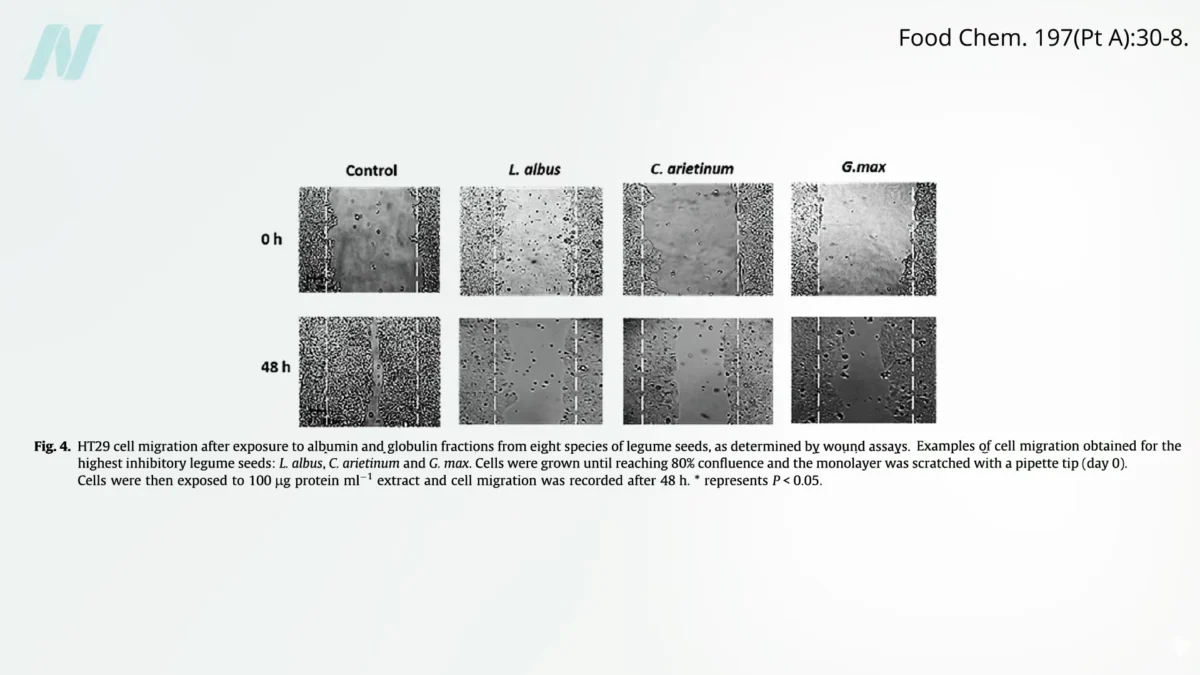
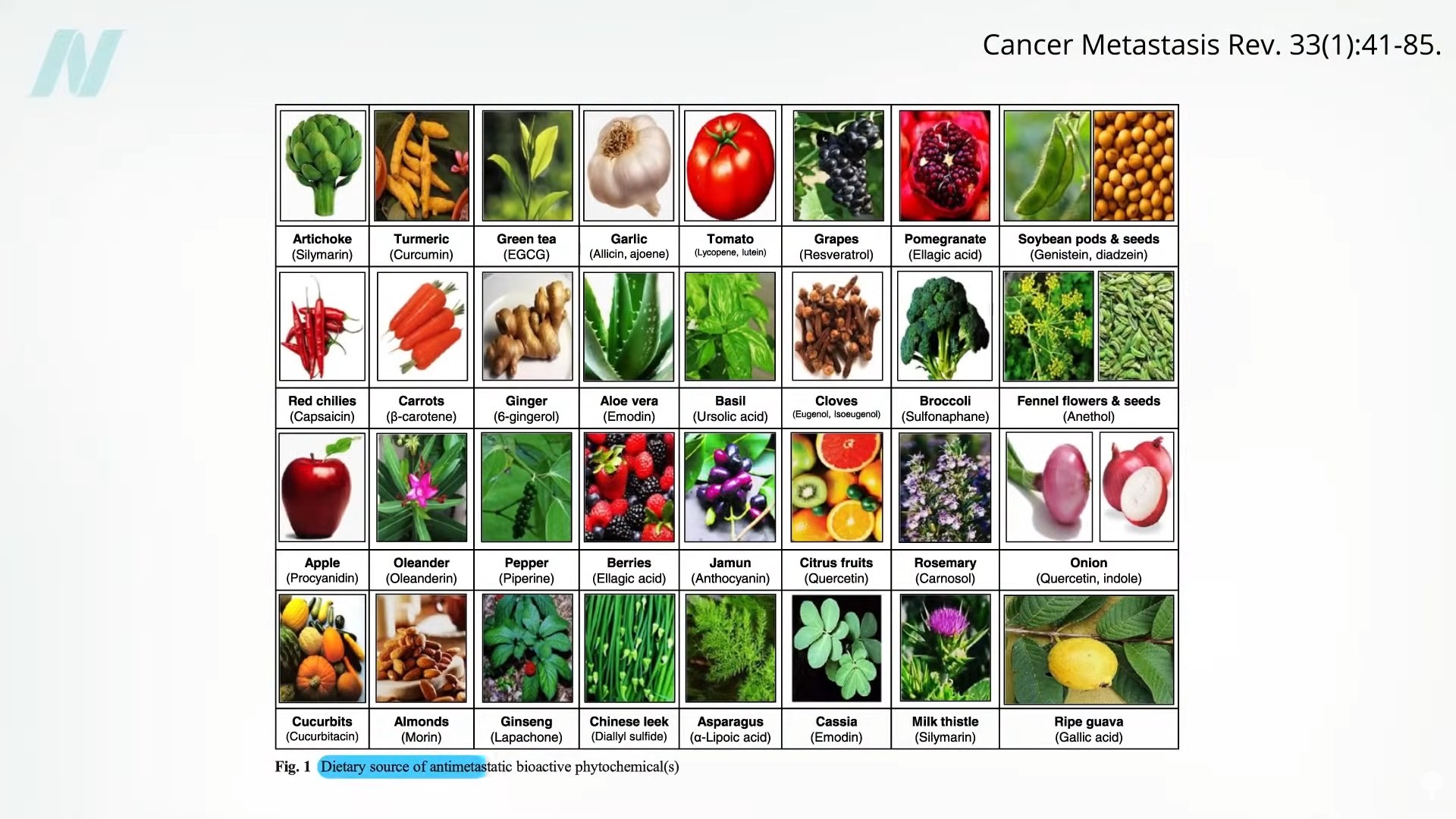
The global fight against cancer, a disease projected to cause a staggering 70% increase in treatment needs over the next two decades, is increasingly looking beyond conventional chemotherapy. While billions are invested in sophisticated drug therapies, a significant challenge remains: many treatments focus on managing the symptoms of cancer rather than addressing its root causes, particularly its aggressive spread. Emerging scientific evidence points towards the profound chemopreventive and therapeutic capabilities of dietary bioactive compounds found in whole plant-based foods, with legumes emerging as a particularly promising area of research in the battle against cancer invasion.
Understanding the Metastasis Cascade and the Role of Matrix Metalloproteinases
Cancer’s deadliest aspect is its ability to spread, a process known as metastasis. This invasive characteristic accounts for approximately 90% of cancer-related deaths. The journey of a cancer cell from its primary tumor to a new site in the body is a complex, multi-step process, often referred to as the invasion-metastasis cascade. At a crucial stage of this cascade are enzymes called matrix metalloproteinases (MMPs). These powerful biological tools enable cancer cells to break down the surrounding healthy tissue, creating pathways to infiltrate the bloodstream or lymphatic system. Once in circulation, these cells can then travel to distant organs, establish new tumors, and continue their destructive proliferation.
The pharmaceutical industry has attempted to combat this by developing MMP inhibitor drugs. While these agents demonstrated efficacy in preclinical animal models, their translation to human treatment proved problematic, often leading to severe and debilitating side effects. This has spurred a renewed scientific interest in exploring natural compounds that can safely and effectively modulate MMP activity.
Legumes: A Dietary Powerhouse Against Cancer Invasion

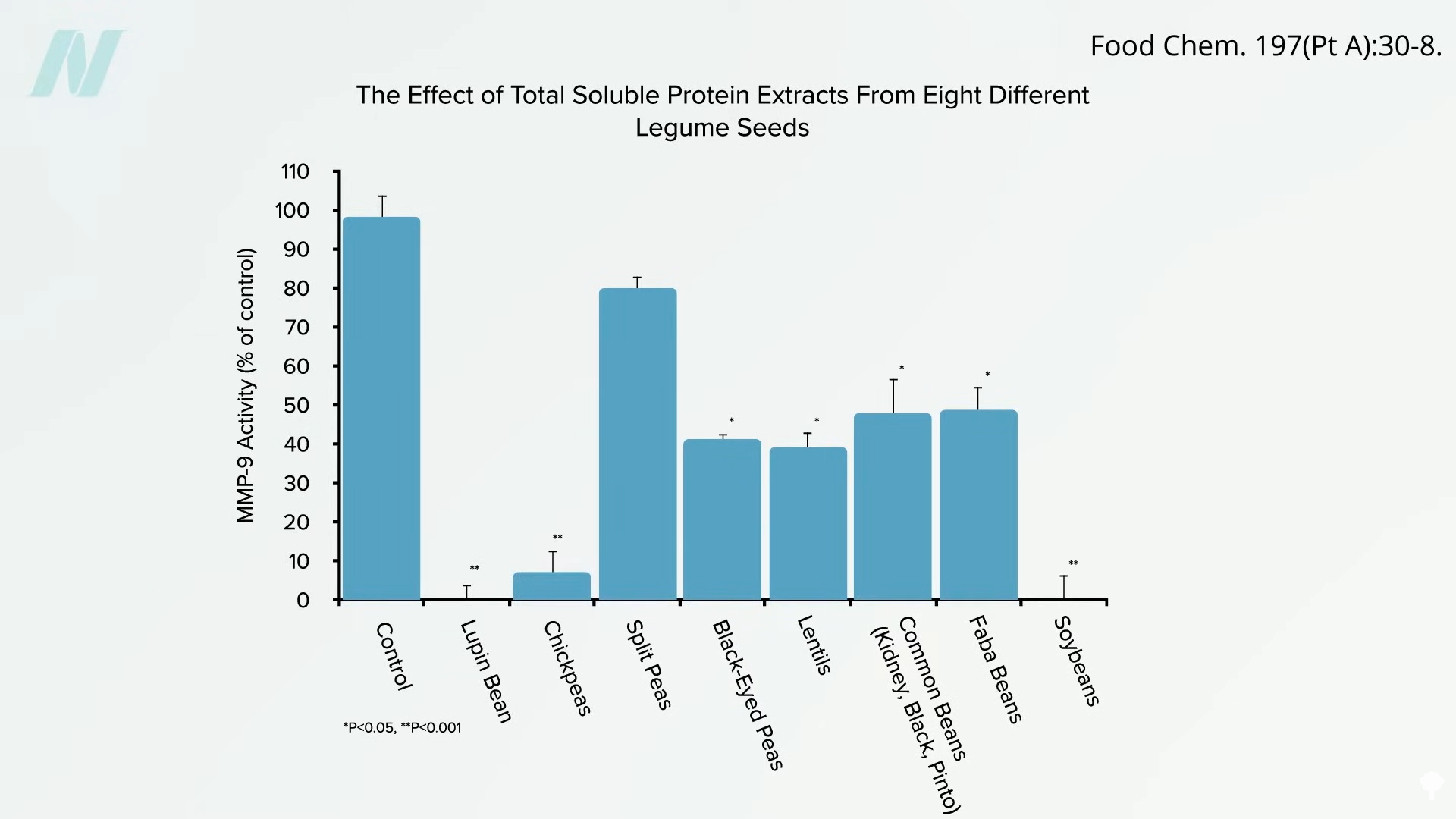
Research has identified specific proteins within legumes – a diverse group including beans, split peas, chickpeas, and lentils – that possess the remarkable ability to reduce MMP activity. A comprehensive study aimed at identifying the most potent legume sources involved testing eight different varieties: lupin beans, chickpeas, split peas, black-eyed peas, lentils, common beans (such as kidney, black, and pinto), fava beans, and soybeans.
The findings revealed a significant variation in MMP-inhibiting capabilities among these legumes. In the absence of any legume intervention, MMP activity remained at baseline levels, effectively at 100%. The addition of protein extracts from split peas showed minimal impact. However, black-eyed peas, lentils, common beans, and fava beans demonstrated a notable reduction in enzyme activity, cutting it by over 50%.
The most striking results came from lupin beans, chickpeas, and soybeans, which achieved an unprecedented reduction in MMP activity, exceeding 90%. This substantial inhibition suggests a potent natural mechanism for disrupting the enzymatic processes that facilitate cancer invasion.
Visualizing the Impact: In Vitro Evidence of Anti-Metastatic Properties
Further investigations have provided compelling visual evidence of the anti-metastatic properties of these legumes. In laboratory settings, human colon cancer cells were placed in a petri dish, and a clear strip was created using a razor blade. This simulated a gap in the tissue, representing an opportunity for cancer cells to migrate.
When left untreated, the cancer cells rapidly converged to fill the cleared strip within 48 hours, demonstrating their inherent migratory capabilities. However, when protein extracts from lupin beans, chickpeas, or soybeans were introduced, the cancer cells exhibited a marked struggle to close the distance. This observation strongly suggests that these legume-derived compounds can significantly impede the movement and invasion of cancer cells.
Cooking Methods and Nutrient Stability
A critical question regarding the practical application of these findings is whether the beneficial anti-cancer proteins in legumes are compromised by cooking. Researchers have investigated the stability of these compounds, particularly in soybeans. Studies have found that the matrix metalloproteinase inhibitors present in soybeans remain active even after cooking. This is a crucial finding, as it indicates that incorporating cooked legumes into the diet can still provide their protective benefits. While further research may be needed for other legume varieties, the initial evidence suggests that dietary preparation methods are unlikely to negate the anti-metastatic potential of these foods.
Broader Implications for Cancer Prevention and Treatment
The findings regarding legume-based MMP inhibition have significant implications for both cancer prevention and the future of cancer treatment.
-
Chemoprevention: The consumption of legumes has been associated with a reduced risk of certain cancers, notably colorectal cancer. While it was initially hypothesized that this benefit might be localized to the digestive tract where bean proteins could directly interact with cancer cells, the broader MMP-inhibiting properties suggest a more systemic protective effect. The ability of legumes to dampen the enzymes responsible for invasion could play a role in preventing the initial spread of cancerous cells, even those originating from the inner lining of the colon.
-
Inflammation and Chronic Disease: Beyond cancer, elevated levels of matrix metalloproteinases have been linked to various inflammatory processes and chronic diseases. Studies indicate that individuals adhering to vegetarian diets tend to exhibit lower levels of MMPs, a phenomenon often attributed to reduced systemic inflammation. This observation aligns with the known benefits of plant-based diets in mitigating inflammatory responses, which are themselves implicated in the development and progression of numerous diseases, including cardiovascular disease and autoimmune disorders. The "machete-like" action of MMPs, capable of degrading tissue in inflamed arteries and contributing to plaque rupture, highlights their role in cardiovascular pathology. Consequently, a diet rich in legumes and other plant-based foods may offer a dual benefit, reducing both cancer risk and the likelihood of heart disease.
-
Re-evaluating Cancer Treatment Paradigms: The limitations of current chemotherapy, characterized by high costs, significant side effects, and often suboptimal patient outcomes, underscore the urgent need for alternative and complementary strategies. The evidence supporting the anti-metastatic properties of legumes suggests a potential avenue for developing more targeted and less toxic approaches to cancer management. By focusing on inhibiting the fundamental mechanisms of cancer spread, rather than solely targeting tumor shrinkage, future therapeutic strategies could potentially improve patient survival and quality of life. This paradigm shift necessitates a greater emphasis on dietary interventions and the exploration of natural bioactive compounds as integral components of cancer care.
A Glimpse into the Future of Cancer Research and Nutrition
The research highlighted here is part of a growing body of evidence suggesting that dietary choices can profoundly influence cancer development and progression. While conventional medicine continues to advance, the power of nutrition in preventing and potentially treating complex diseases like cancer cannot be overstated. The continued exploration of plant-based foods, particularly legumes, for their bioactive compounds offers a promising horizon for developing more effective and sustainable strategies in the global fight against cancer.
The ongoing scientific inquiry into the intricate mechanisms by which food constituents interact with cellular processes provides a compelling argument for integrating nutritional science more deeply into mainstream medical practice. As research progresses, the humble legume may emerge not just as a staple food, but as a potent ally in the ongoing battle to conquer cancer.
Doctor’s Note:
The research discussed in this article is further elaborated in the video "Fighting the Ten Hallmarks of Cancer with Diet," available at https://nutritionfacts.org/video/fighting-the-ten-hallmarks-of-cancer-with-diet/. For additional insights into cancer metastasis, readers are encouraged to explore related posts on the platform.