 admin
admin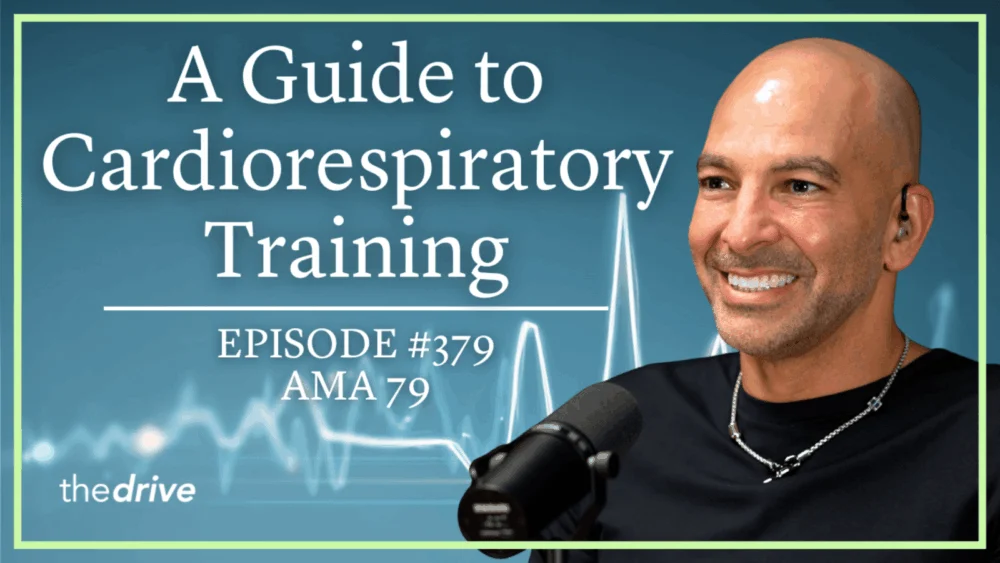
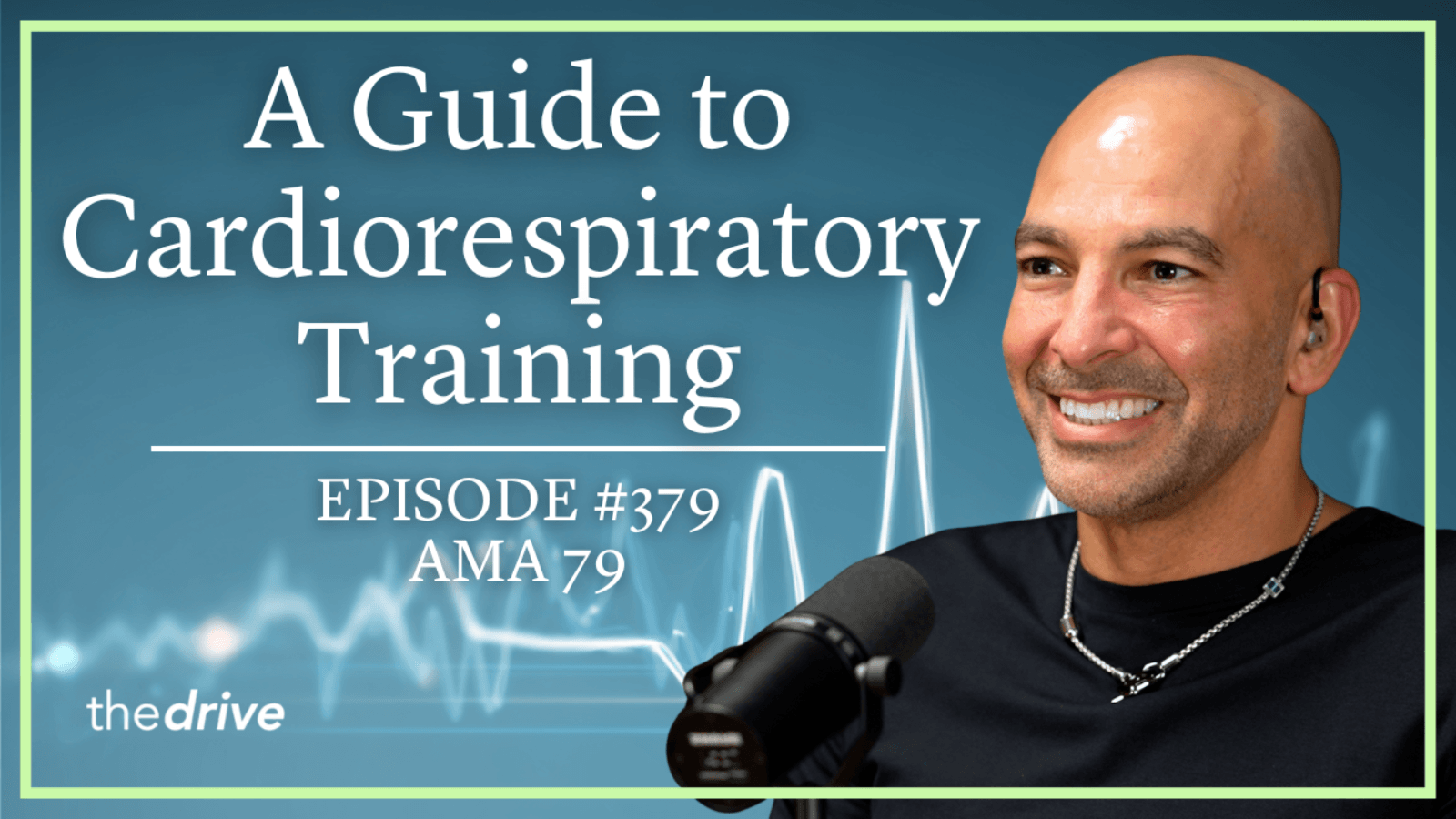
Dr. Peter Attia, a prominent physician specializing in the science of longevity, has released a definitive consolidated guide through his latest "Ask Me Anything" (AMA) episode, aimed at demystifying the complexities of cardiorespiratory fitness (CRF). This comprehensive session, designated as AMA #79, serves as a synthesis of Attia’s years of clinical experience and research, focusing on how individuals can structure their exercise regimens to maximize healthspan, lifespan, and functional independence in their later years. By addressing the persistent confusion surrounding exercise volume, intensity, and metabolic thresholds, the guide provides a roadmap for various demographics—from sedentary beginners to elite trainees—to optimize their aerobic capacity as a primary defense against all-cause mortality.
The Foundational Role of Cardiorespiratory Fitness in Longevity
The central thesis of Dr. Attia’s recent discourse is the categorization of cardiorespiratory fitness not merely as a component of physical health, but as one of the most powerful modifiable predictors of long-term survival. Clinical data increasingly suggests that a high VO2 max—the maximum rate of oxygen consumption measured during incremental exercise—is more closely correlated with a reduced risk of death than traditional clinical markers such as blood pressure, cholesterol levels, or even smoking status.
In the hierarchy of health metrics, Attia emphasizes that moving from the lowest quartile of fitness to the second-lowest quartile yields the single greatest reduction in mortality risk. However, unlike many other health interventions where the benefits plateau, the relationship between CRF and longevity appears to be linear and continuous. Individuals in the "elite" category (the top 2.5% for their age and sex) exhibit a five-fold reduction in mortality compared to those in the bottom decile. This data underscores the necessity of prioritizing aerobic training as a core pillar of preventative medicine.
Chronology of the Longevity Framework: From Theory to Practice
The evolution of Dr. Attia’s fitness framework has moved through several distinct phases over the last decade. Initially focusing heavily on nutritional biochemistry and metabolic health (specifically the management of insulin and glucose), Attia’s approach has shifted toward a more "exercise-centric" model for longevity. This transition culminated in his 2023 bestseller Outlive, and AMA #79 serves as the practical update to the principles laid out in that text.
The chronology of this specific guide’s development was prompted by a surge in listener inquiries regarding the "how-to" of training. While the scientific community has long understood that "exercise is good," the specific dosages—the volume of Zone 2 training versus the frequency of VO2 max intervals—remained a point of contention and confusion for the general public. Attia’s current guide seeks to resolve these conflicts by providing a structured hierarchy of training that balances metabolic efficiency with peak aerobic power.
Defining the Training Modalities: Zone 2 and VO2 Max
A significant portion of the guide is dedicated to clarifying the distinction between different "zones" of effort, which are often misunderstood by recreational athletes.
Zone 2: The Aerobic Foundation
Attia defines Zone 2 as the highest level of exertion where an individual can still maintain a steady state of lactate production and clearance. Metabolically, this is the zone where the body maximizes the use of fat as a primary fuel source through mitochondrial oxidation. From a practical standpoint, this is often described as the "talk test" level—an intensity where one can still carry on a conversation but it becomes noticeably difficult. The goal of Zone 2 training is to improve mitochondrial density and function, which is foundational for metabolic health and prevents the development of insulin resistance.
VO2 Max: The Aerobic Ceiling
While Zone 2 builds the floor of fitness, VO2 max training builds the ceiling. This involves higher-intensity work, typically characterized by intervals that push the heart rate to 90–95% of its maximum. Attia argues that while Zone 2 provides the volume necessary for metabolic health, high-intensity intervals are required to actually move the needle on peak aerobic capacity. The guide suggests that as individuals age, their VO2 max naturally declines; therefore, "over-training" this metric in mid-life is essential to ensure that one’s functional capacity remains above the threshold of disability in the "Marginal Decade"—the final ten years of life.
Supporting Data: The Impact of High Aerobic Capacity
The rationale for Attia’s emphasis on VO2 max is supported by a landmark 2018 study published in JAMA Network Open by Mandsager et al., which analyzed over 122,000 patients undergoing exercise treadmill testing. The study found that the risk of death was significantly higher in those with low aerobic fitness compared to those with high fitness. Specifically:
- The hazard ratio for death was 3.9 times higher for those in the "low" fitness category compared to "high."
- The risk associated with low fitness was greater than the risk associated with smoking or coronary artery disease.
Attia uses this data to advocate for "age-adjusted goals." For instance, a 50-year-old male should ideally aim for a VO2 max that would be considered "elite" for a 50-year-old, or at least "good" for a 30-year-old. This provides a buffer against the inevitable sarcopenia (muscle loss) and aerobic decline that accompanies aging.
Tailoring the Protocol: Special Populations and Considerations
One of the most critical aspects of the new guide is its focus on personalization. Dr. Attia notes that a one-size-fits-all approach is often the reason many fitness programs fail or lead to injury.
Women and Cardiovascular Health
For women, Attia highlights that the decline in estrogen during perimenopause and menopause can significantly impact metabolic health and muscle mass. Consequently, the guide suggests that women may need to be even more diligent about incorporating both Zone 2 and resistance training to maintain the same longevity benefits as men.
The Older Adult and the Marginal Decade
For individuals in their 70s and 80s, the training goal shifts toward "maintenance of independence." Attia introduces the concept of the "Centenarian Decathlon," a list of physical tasks an individual wants to be able to perform at age 100 (e.g., picking up a grandchild, carrying groceries, getting up from the floor). Training for older adults, therefore, must prioritize balance and stability alongside cardiorespiratory work to prevent falls, which are a leading cause of mortality in the elderly.
Common Pitfalls and Mistakes
The guide identifies the most frequent error as "the black hole of intensity." Many trainees spend most of their time in Zone 3 or Zone 4—too hard to be Zone 2, but too easy to elicit a VO2 max adaptation. This results in accumulated fatigue without the specific metabolic benefits of either end of the spectrum. Attia recommends a polarized approach: 80% of the time in Zone 2 and 20% in high-intensity intervals.
Official Responses and Clinical Implications
While the medical establishment has traditionally focused on pharmacological interventions for chronic diseases, there is a growing consensus among longevity physicians and sports scientists that exercise prescription should be treated with the same rigor as drug dosage.
While there are no official "responses" from government bodies like the CDC specifically to Attia’s AMA, his work aligns with the updated Physical Activity Guidelines for Americans, which emphasize that "some move is better than no move," but add that "more is better." Critics within the medical community sometimes argue that the "elite" levels of fitness Attia advocates for are unattainable for the average citizen. However, Attia’s response remains that the goal is not perfection, but the continuous pursuit of movement away from the "low" fitness category, where the highest risk resides.
Broader Impact and Implications for Public Health
The release of this consolidated guide marks a significant moment in the "democratization" of longevity science. By providing clear metrics—such as how to track Zone 2 progress via heart rate or lactate monitors and how to estimate VO2 max through wearable technology or field tests like the Cooper Test—Attia is moving the conversation from vague health advice to data-driven performance.
The implications for public health are profound. If the general population were to shift their fitness levels from "low" to "below average" or "above average," the burden of chronic diseases such as Type 2 diabetes, Alzheimer’s, and cardiovascular disease could be drastically reduced. Attia’s guide serves as a reminder that while genetics play a role in lifespan, the "modifiable" portion of our health—specifically our cardiorespiratory fitness—is largely within our control.
Ultimately, the guide positions exercise not as a chore for weight loss, but as a strategic investment in the quality of one’s future self. By focusing on the "Marginal Decade" today, individuals can ensure they do not merely survive their later years, but thrive with the physical capacity to enjoy them.