admin
admin
The intersection of behavioral psychology and preventive medicine has reached a new level of clinical relevance as practitioners increasingly adopt "systems-based" approaches to patient health. Central to this movement is the ongoing collaboration between Dr. Peter Attia, a prominent figure in longevity medicine, and James Clear, the author of the seminal work Atomic Habits. Since their initial dialogue in 2021, the principles of habit formation have become a foundational element of the "Medicine 3.0" framework, which prioritizes the extension of both lifespan and healthspan through proactive lifestyle modifications.
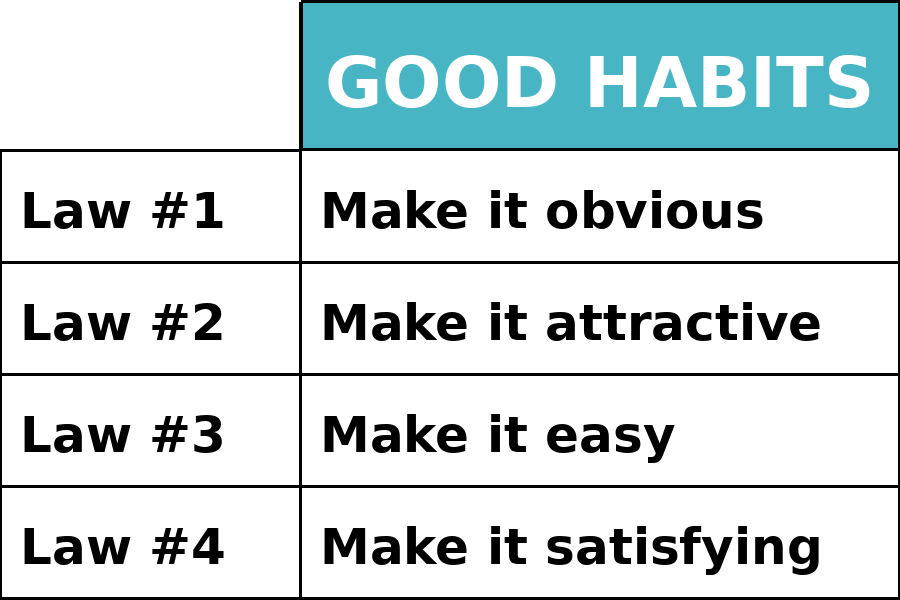
As the medical community enters another calendar year, the annual re-examination of Clear’s "Four Laws of Behavior Change" provides a structured methodology for translating complex physiological goals into sustainable daily actions. Research indicates that approximately 40% to 50% of human behavior is driven by automatic habits rather than conscious decision-making. Consequently, clinical success in areas ranging from sarcopenia prevention to dermatological health depends less on willpower and more on the design of the patient’s environment.
The Chronology of Behavioral Integration in Longevity Medicine
The formal integration of James Clear’s behavioral framework into the longevity discourse began in November 2021, with the release of episode #183 of The Drive podcast. This interview established the premise that health outcomes are a lagging measure of a patient’s "systems"—the collection of habits they repeat daily. Following the episode’s significant impact on patient compliance and public interest, it has been re-released annually during the New Year period, a time when health-related behavioral changes are most frequently initiated.
Between 2021 and 2025, the application of these principles has expanded across various medical sub-specialties. In early 2025, specialists in dermatology, physical rehabilitation, nutrition, and sleep medicine provided updated clinical evidence demonstrating how specific "atomic" changes can yield compounded results over time. This timeline reflects a broader shift in the medical landscape, moving away from acute intervention and toward the granular management of daily routines.
Law 1: Making Health Cues Obvious in the Domestic Environment
The first law of behavior change—making a cue "obvious"—is rooted in the neurological reality that the human brain prioritizes visual information. In clinical dermatology, compliance with preventative treatments is often the primary barrier to success. During a 2025 clinical review, Dr. Tanuj Nakra and Dr. Suzan Obagi highlighted the efficacy of visual cues in maintaining facial health and preventing signs of aging.
The doctors noted that while mineral sunscreens and nightly retinoids are low-effort interventions, they are frequently forgotten. The recommended "habit stacking" strategy involves placing these products directly next to a toothbrush. Because tooth brushing is a deeply ingrained nightly ritual for the majority of the population, the physical presence of a retinoid tube serves as a non-negotiable visual prompt. This approach leverages the brain’s existing neural pathways to "anchor" a new behavior to an old one, significantly increasing the likelihood of long-term adherence to skincare regimens.

Law 2: Enhancing Attractiveness through Social and Physical Design
The second law—making a habit "attractive"—addresses the motivational drive required to sustain behavior. Behavioral economists have long noted that social environment is a primary determinant of individual action. In the context of lifestyle medicine, this involves curating one’s social circle and physical surroundings to align with health objectives.
This principle has seen significant application in the fields of education and physical rehabilitation. Joe Liemandt, an innovator in K-12 education, has demonstrated that utilizing AI-driven, gamified tools makes the habit of learning more attractive to students compared to traditional lecture formats. By providing immediate engagement and fun, the "system" of learning becomes self-reinforcing.
Similarly, Dr. Kyler Brown, a specialist in sports rehabilitation, applies this law to exercise prescription. Adherence rates for cardiovascular training are notoriously low when patients are forced into modalities they dislike. Dr. Brown’s clinical approach involves identifying a patient’s preferences—such as cycling or swimming over running—to ensure the activity remains attractive. Data from the American College of Sports Medicine suggests that enjoyment is one of the highest predictors of long-term exercise consistency, outperforming even the perceived health benefits of the activity.
Law 3: Reducing Friction to Ensure Dietary Compliance
The third law of behavior change is to "make it easy." In the modern food environment, characterized by the ubiquity of ultra-processed, low-protein foods, achieving optimal nutrition requires a reduction in "friction." Dr. Rhonda Patrick, a leading researcher in nutritional science, has emphasized that typical adults require at least 1.6 grams of protein per kilogram of body weight daily to prevent muscle loss (sarcopenia) and support metabolic health. This is double the current Recommended Dietary Allowance (RDA), making it a difficult target for many to hit.
To make this "easy," clinical advice has shifted toward environmental engineering. By replacing low-nutrient snacks with high-protein alternatives—such as keeping jerky, nut mixes, or canned fish in visible, accessible locations—patients can increase their protein intake without the cognitive load of complex meal planning. Keeping "ready-to-eat" protein sources like turkey cold cuts or pre-prepared legumes reduces the time-to-table friction that often leads to poor dietary choices during busy weeknights. This aligns with Clear’s "two-minute rule," which suggests that any new habit should be designed to take less than two minutes to start, thereby lowering the barrier to entry.
Law 4: The Role of Immediate Satisfaction in Long-Term Health
The final law—making a habit "satisfying"—addresses the "delayed return" nature of most health behaviors. While the benefits of exercise or proper nutrition may take months or years to manifest, the human brain is wired for immediate rewards.
Dr. Peter Attia has noted that using quantitative metrics, such as VO2 max tracking or heart rate variability (HRV) monitoring, provides a sense of immediate progress that makes the arduous process of training more satisfying. Seeing a numerical improvement in cardiovascular fitness serves as a dopamine-releasing reward.
In women’s health, Dr. Sally Greenwald has applied this law to urogenital care. By incorporating daily vaginal moisturizers and lubricants into a routine—similar to facial skincare—patients can experience immediate improvements in comfort and sexual satisfaction. Unlike many health habits that offer rewards in the distant future, this practice provides a direct reinforcement loop, making the habit significantly easier to maintain.
Breaking Maladaptive Habits: The Inverse Laws of Behavior
Just as positive habits are built through the four laws, maladaptive habits are dismantled through their inversion: making them invisible, unattractive, difficult, and unsatisfying. This is particularly relevant in the treatment of sleep disorders.
Dr. Ashley Mason, an expert in Cognitive Behavioral Therapy for Insomnia (CBT-I), emphasizes the "de-coupling" of the bedroom from digital stimuli. The habit of "revenge bedtime procrastination"—scrolling through social media late at night—is a primary driver of sleep deprivation in the 21st century. To break this, clinical strategies include:
- Making it Invisible: Removing devices from the bedroom or placing them in a drawer two hours before sleep.
- Making it Difficult: Charging the phone in a separate room, requiring a physical walk to access it.
- Making it Unattractive: Deleting high-dopamine apps (social media, games) that provide endless scrolling.
- Making it Unsatisfying: Using tracking software that highlights the direct correlation between late-night device use and poor-quality sleep metrics the following morning.
Analysis of Implications for Public Health and Longevity
The shift toward behavioral-based medicine represents a critical evolution in public health. Chronic diseases—including Type 2 diabetes, cardiovascular disease, and neurodegenerative conditions—are largely driven by lifestyle factors. According to the Centers for Disease Control and Prevention (CDC), chronic diseases account for 90% of the $4.5 trillion in annual healthcare expenditures in the United States.
By shifting the focus from "what" a patient should do to "how" they can realistically implement it, the medical community is addressing the "knowledge-action gap." The application of James Clear’s framework suggests that the future of longevity medicine will be as much about "choice architecture" and environmental design as it is about pharmacology and surgical intervention.
As the data from The Drive and its various guest experts suggests, the compounding effect of "atomic habits" is the most potent tool available for extending human healthspan. When small, easy-to-perform actions are repeated consistently over decades, they produce physiological results that cannot be replicated by any single medical procedure. The annual re-release of these principles serves as a reminder that in the quest for longevity, the system is more important than the goal.