admin
admin
In an increasingly interconnected world, where global crises are instantaneously broadcast across digital platforms, a growing phenomenon known as vicarious trauma is impacting individuals and societies, presenting a significant public health challenge. This form of trauma, stemming from indirect exposure to distressing events and others’ suffering, is leading to a range of physiological and psychological symptoms, often mimicking direct traumatic experiences. Recent reports from emergency rooms, for instance, indicate a subtle but noticeable rise in patients presenting with somatic complaints like chest pain and difficulty breathing, only to find no underlying physical ailment. These cases, initially perplexing, are increasingly being understood within the framework of vicarious trauma, where the body manifests the profound stress absorbed from the relentless stream of global suffering.

Understanding Vicarious Trauma: A Global Health Concern
Vicarious trauma, also known as secondary trauma or compassion fatigue, refers to the profound psychological and emotional impact experienced by individuals who are indirectly exposed to traumatic events through their empathic engagement with others’ suffering. Unlike direct trauma, which results from personal experience of a traumatic event, vicarious trauma arises from bearing witness to the pain, grief, and suffering of others, often through media consumption, professional roles (e.g., healthcare workers, journalists, first responders), or personal relationships with survivors. The human brain, particularly the empathic pathways, does not always distinguish clearly between directly experienced trauma and deeply absorbed, vicarious exposure. This can trigger a stress response in the nervous system, leading to a cascade of physical and mental health issues. Mental health professionals widely acknowledge that this phenomenon is not a personal failing but a natural, albeit often debilitating, consequence of prolonged empathic engagement with suffering.

The Digital Age and Amplified Exposure
The contemporary media landscape plays a critical role in the proliferation of vicarious trauma. The advent of 24/7 news cycles, pervasive social media, and instantaneous global communication means individuals are constantly bombarded with graphic images, harrowing testimonies, and unfolding tragedies from around the world. Over the past months, a series of global events has contributed significantly to this collective burden. Images of devastation in Gaza, reports of Israeli families living under constant threat, escalating political violence and incidents like ICE shootings domestically, and the alarming rise of Islamophobia and antisemitism have deeply fractured communities and public discourse. Moreover, the ongoing humanitarian crises in regions such as Sudan, Yemen, and Iran, though sometimes receiving less sustained media attention, continue to inflict immense suffering that is widely accessible to those paying attention. This relentless exposure, without adequate opportunity for processing or respite, leaves individuals vulnerable to the cumulative effects of vicarious trauma. Research indicates that heavy engagement with social media, in particular, can intensify this exposure, as algorithms often prioritize emotionally charged content, creating echo chambers of distress.

Physiological and Psychological Manifestations
The impact of vicarious trauma extends beyond emotional distress, manifesting in a spectrum of physiological and psychological symptoms. Individuals often report persistent tension, chronic exhaustion, heightened reactivity, or, conversely, emotional numbness. Difficulty in disengaging from news cycles, even when desired, is a common symptom. Physiologically, this sustained stress can lead to symptoms traditionally associated with anxiety and stress disorders, including chest tightness, shortness of breath, headaches, gastrointestinal issues, and sleep disturbances. These somatic complaints can be so profound that, as observed in a growing number of cases, individuals seek emergency medical care, fearing serious physical ailments like heart attacks, only for diagnostic tests to reveal healthy organ function. Studies have shown that prolonged exposure to stress, even vicarious, can elevate cortisol levels, disrupt the autonomic nervous system, and contribute to chronic inflammation. Psychologically, vicarious trauma can erode core beliefs about safety, trust, control, and meaning, leading to feelings of powerlessness, cynicism, and a diminished sense of purpose. It can also manifest as intrusive thoughts, nightmares, difficulty concentrating, and increased irritability or withdrawal from social interactions.
Erosion of Social Cohesion and Collective Action
Beyond individual health, vicarious trauma poses a substantial threat to social cohesion and the effectiveness of collective action. When a significant portion of the population is experiencing chronic stress and emotional dysregulation due to vicarious trauma, it can lead to societal fragmentation. This often manifests as increased polarization, where nuanced discussions become challenging, and empathy for differing perspectives diminishes. Allies within social justice movements may turn on one another, confusing intensity with impact and urgency with wisdom, leading to internal conflicts and reduced effectiveness. The ability to hold complex, multifaceted issues—acknowledging valid concerns from all sides—can feel impossible in an atmosphere dominated by exhaustion and reactivity. This erosion of discernment and relational trust can paralyze efforts for sustained change. As some experts note, oppressive systems thrive when exhaustion and reactivity silence or divide those who seek to challenge them. The capacity for collective problem-solving, which requires patience, strategic thinking, and the ability to maintain connection across differences, is severely compromised when individuals are operating from a place of chronic overwhelm.
Expert Recommendations for Mitigation and Resilience
Addressing vicarious trauma requires a multi-faceted approach encompassing individual coping strategies and broader systemic support. Mental health organizations and public health bodies advocate for increased awareness and destigmatization of vicarious trauma, recognizing it as a legitimate and widespread response to modern stressors. Key recommendations include:
- Conscious Media Consumption: Practicing media literacy and setting boundaries around news and social media exposure can significantly reduce the intake of distressing content. This involves actively seeking reliable sources, limiting exposure times, and diversifying information intake to avoid echo chambers of negativity.
- Prioritizing Rest and Restoration: Far from being an indulgence, rest is crucial for processing absorbed trauma and restoring mental and emotional capacity. This includes adequate sleep, engaging in activities that bring joy and connection, and fostering genuine social interactions that offer respite and a sense of shared humanity. Community gatherings, shared meals, artistic expression, and time in nature are highlighted as essential for recalibrating the nervous system and rebuilding internal resources.
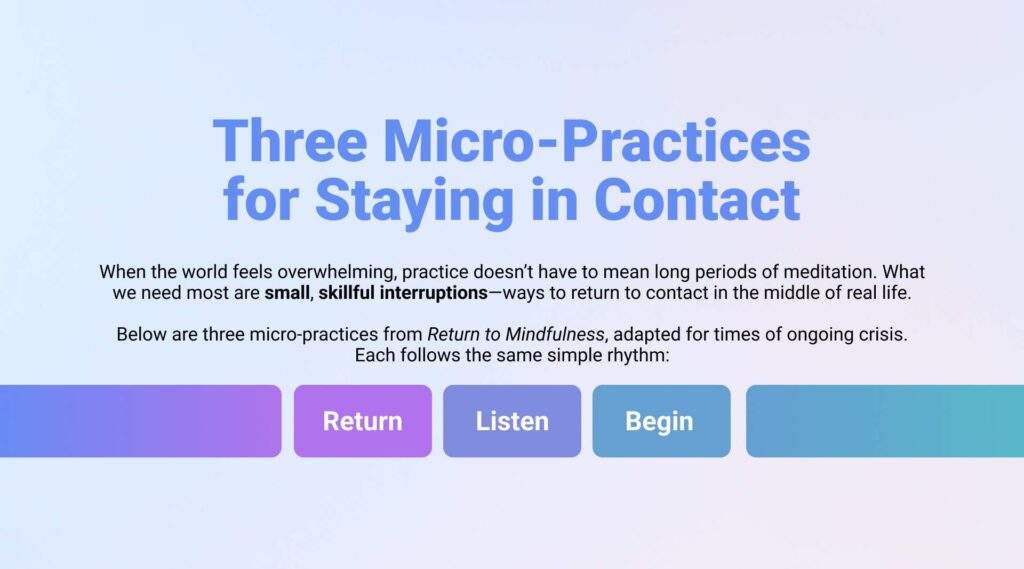
- Cultivating Mindfulness and Self-Regulation Skills: While traditional meditation can provide a foundation, a broader set of mindfulness skills is recommended. These include:
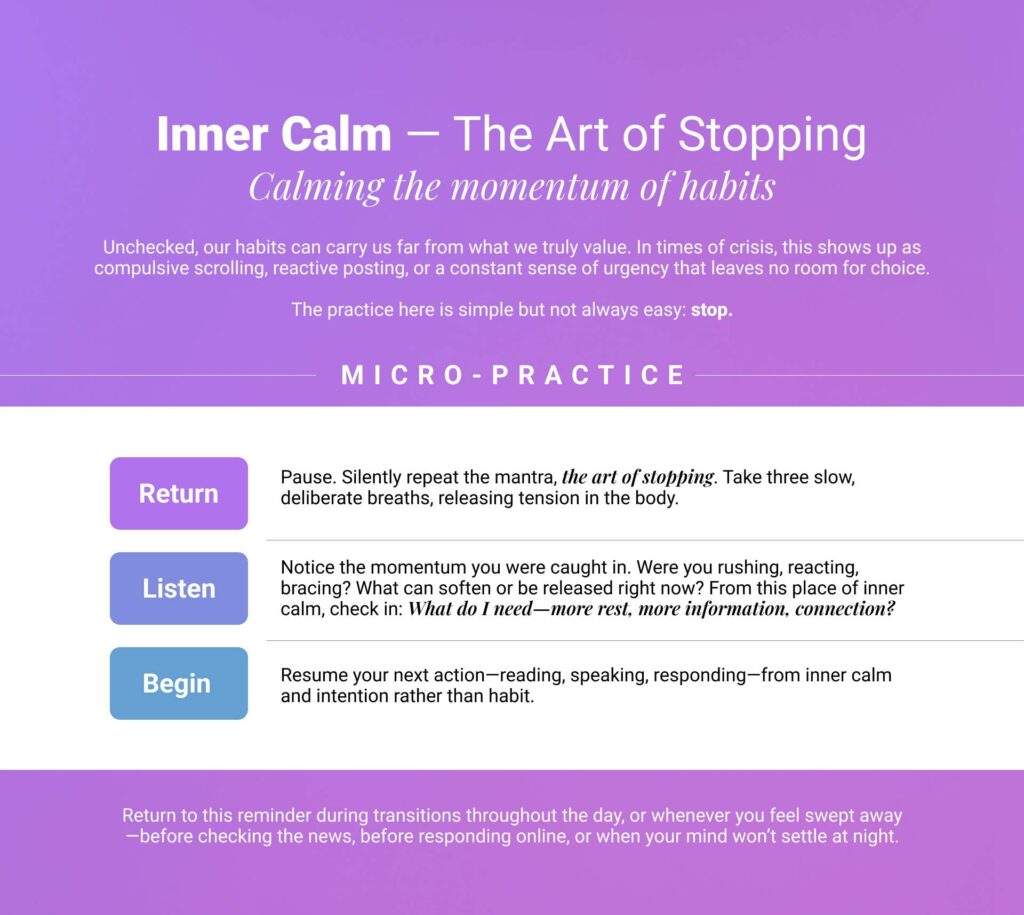
- Inner Calm: Developing the capacity to pause, observe internal states without judgment, and intentionally soothe the nervous system. This creates mental space for clarity amidst distress.
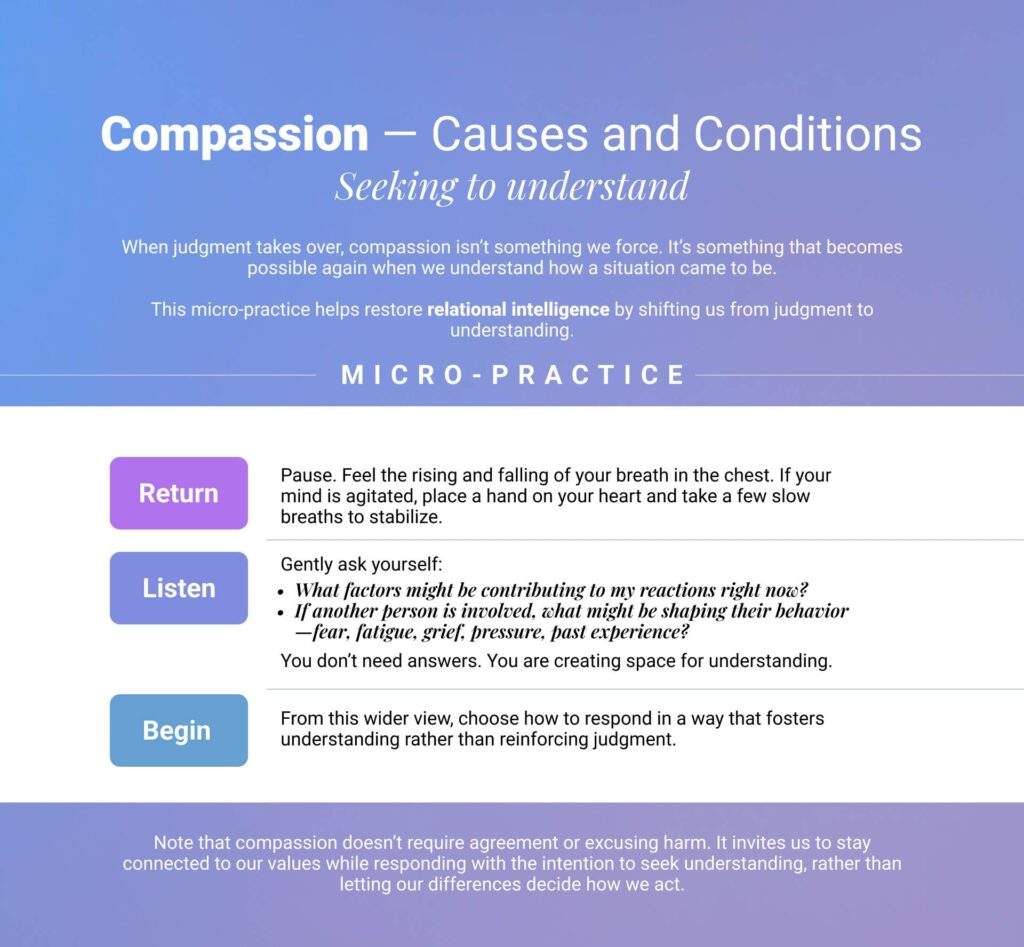
- Compassion: Actively practicing empathy not only for those suffering but also for oneself and for those with whom one might disagree. This fosters relational intelligence and disrupts the tendency to demonize others, promoting understanding across divides.
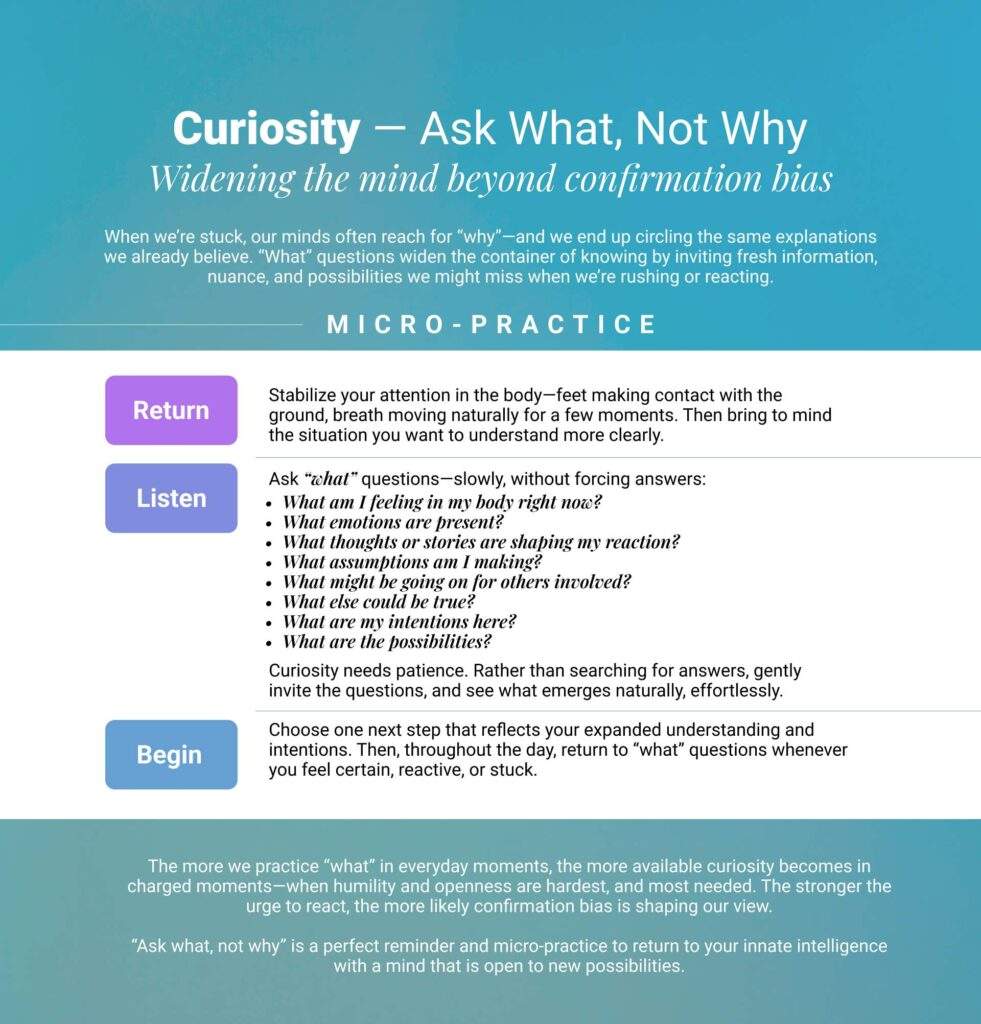
- Curiosity: Approaching challenging situations with a genuine desire to understand, rather than to confirm existing biases. This expands perspective, encourages flexible thinking, and promotes effective problem-solving over reactive judgment.
- Seeking Professional Support: For those experiencing persistent or severe symptoms, professional psychological support is crucial. Therapists trained in trauma-informed care can provide tools and strategies for processing vicarious trauma and building resilience.
Fostering a Culture of Conscious Engagement and Restoration
Ultimately, navigating the challenges of vicarious trauma in a hyper-connected world necessitates a shift towards a culture of conscious engagement and collective restoration. This involves recognizing that the capacity for sustained, effective action to alleviate suffering globally is directly tied to the well-being and resilience of individuals. The world needs a diverse array of responses—from those raising children with empathy, to artists processing grief, to organizers building coalitions, to healers tending to frontline workers. Each contribution, tailored to individual resources and gifts, is vital.
Poetic expressions, such as Michael Dubois’s "When Things Feel Dark," resonate with this understanding, reminding us that the world needs "More healers, more helpers, more hate exorcisers… More warriors of peace… More builders of bridges and homes with open doors and minds." It underscores the fundamental truth that those who perceive the darkness are uniquely positioned to illuminate the path forward. By integrating micro-practices for inner calm, compassion, and curiosity into daily life, individuals can cultivate the inner resources needed to stay engaged without collapsing, to respond wisely rather than reactively, and to maintain vital contact with their own humanity and with each other. This sustained practice of self-awareness and self-care is not a retreat from the world’s problems but a prerequisite for engaging with them effectively and fostering genuine, lasting change. The imperative is clear: to safeguard individual and collective well-being to ensure our capacity to respond to global challenges with wisdom, empathy, and sustained purpose.