admin
admin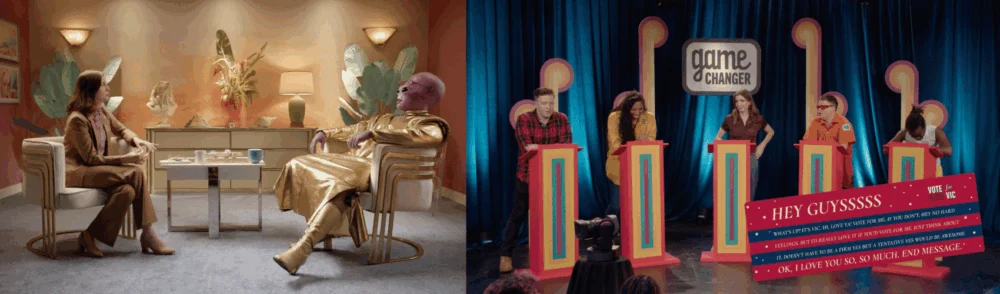
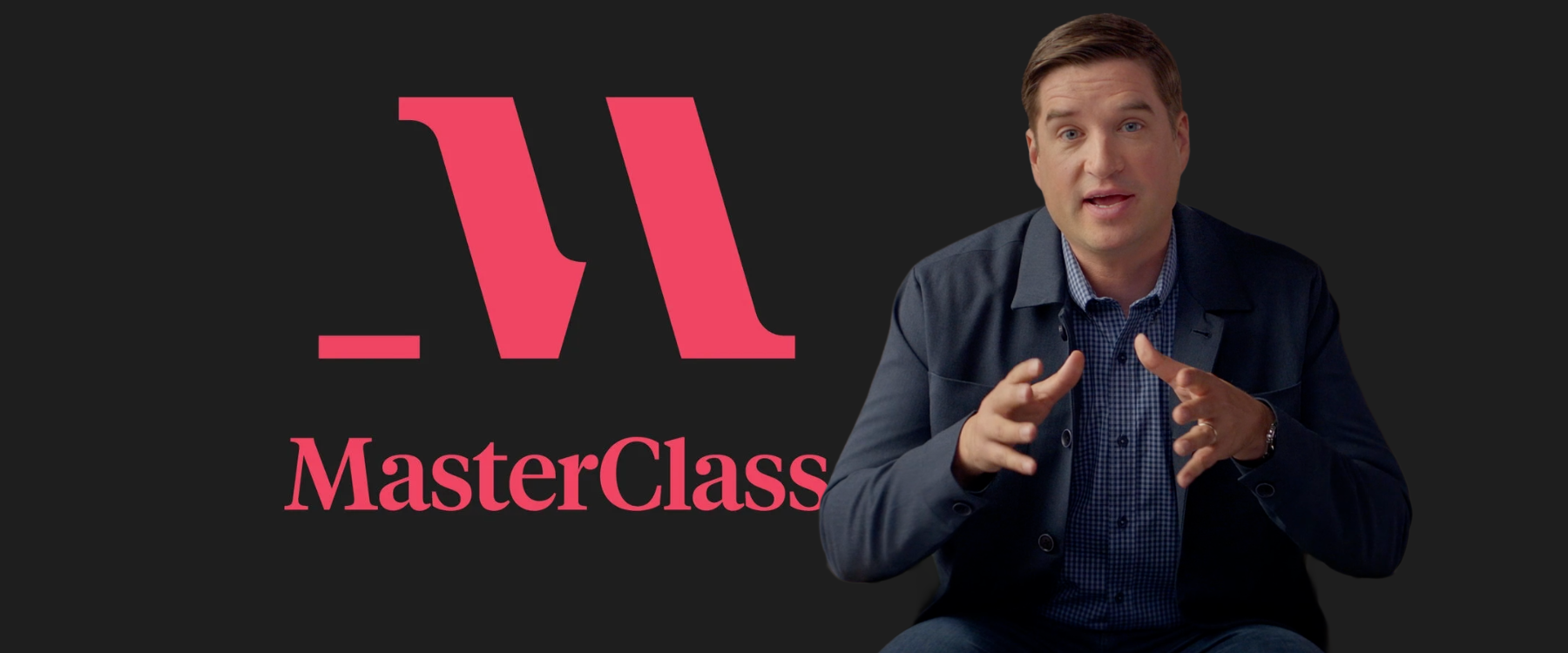
The landscape of digital education and independent media production has reached a significant turning point, signaled by the recent release of a high-production-value course featuring author and computer science professor Cal Newport on the MasterClass platform. Titled "Rebuild Your Focus & Reclaim Your Time," the course represents a convergence of academic rigor and cinematic production standards, highlighting a narrowing gap between independent intellectual content and legacy media entertainment. The release, which occurred in early 2024, distills the core principles of Newport’s body of work—most notably his books Slow Productivity and Deep Work—into a visual format that rivals the technical specifications of major streaming network programming.
The Convergence of Intellectual Content and High-End Production
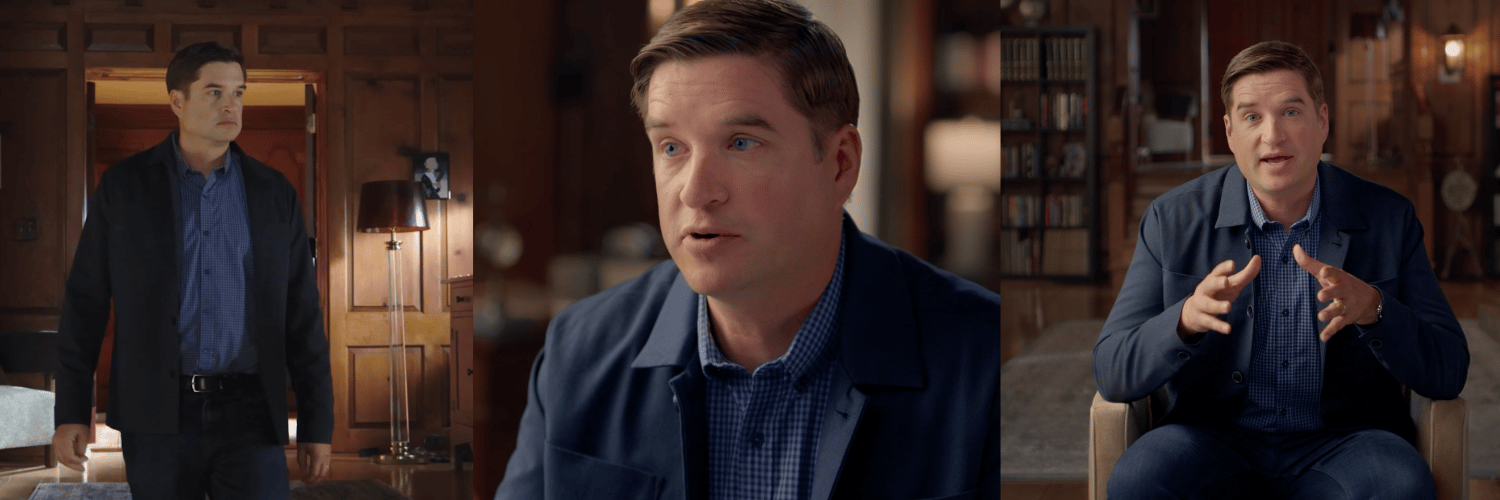
The production of "Rebuild Your Focus & Reclaim Your Time" marks a departure from the traditional aesthetics of online education. Historically, educational content delivered via the internet has fallen into two primary categories: the low-budget, single-camera setups common on platforms like YouTube, and the moderately produced, multi-camera setups typical of high-end video podcasts. While figures such as Andrew Huberman, Mel Robbins, and Rich Roll have elevated the "independent video" standard through professional lighting and multi-angle editing, the MasterClass framework introduces a level of technical sophistication usually reserved for feature films or scripted television.
According to technical specifications associated with the production, the MasterClass project employed a full-scale television crew, including a dedicated director, cinematographer, and multiple camera operators. The technical hierarchy extended to specialized roles such as focus pullers, gaffers, grips, and production assistants. This infrastructure mirrors the "legacy" media model, where the visual quality is designed to justify a premium subscription price. For Newport, an author whose career has been defined by the written word and academic research, the transition to a set supported by industry veterans—including makeup artists with credits on major Hollywood productions like Sinners—underscores the increasing capital being invested in the "knowledge economy."
A Chronology of the Digital Video Evolution
To understand the significance of this shift, one must examine the timeline of digital video production over the last two decades. In the mid-2000s, the barrier to entry for high-quality video was prohibitively high, requiring expensive specialized hardware and physical distribution networks. The launch of YouTube in 2005 democratized access but prioritized quantity and "virality" over cinematic quality.
By the mid-2010s, the "Creator Economy" began to mature. Platforms like Patreon and Substack allowed creators to move away from purely ad-supported models toward direct-to-consumer subscriptions. However, even as revenue grew, the visual aesthetic remained largely "prosumer." It was not until the late 2010s and early 2020s that companies like MasterClass began to prove that there was a market for "prestige" educational content—material that was as visually engaging as a Netflix documentary but offered the utility of a university seminar.
This evolution has led to a bifurcated market:
- General-Use Platforms: Ad-supported, high-volume content (e.g., YouTube, TikTok).
- Premium Niche Platforms: Subscription-supported, high-production content (e.g., MasterClass, Nebula, Dropout).
The Rise of the Micro-Streamer: A Case Study in Dropout TV
The most compelling evidence for the shift toward high-end independent media is the emergence of what industry analysts are calling "micro-streamers." These are niche subscription services that offer legacy-quality programming to a focused, loyal audience. A primary example of this phenomenon is Dropout TV, originally known as CollegeHumor.
CollegeHumor, a staple of early internet comedy, faced a crisis in the late 2010s when the economics of third-party platforms like YouTube and Facebook became increasingly volatile due to algorithm changes and fluctuating ad rates. In response, the entity rebranded as Dropout and pivoted to a direct-subscription model. Priced at approximately $6.99 per month, the service now provides a library of unscripted original programming, such as Dimension 20 and Game Changer, which feature production values indistinguishable from mainstream reality television or game shows found on major networks.
As of 2024, Dropout reportedly boasts over one million subscribers. This milestone is significant because it demonstrates that a niche audience is willing to pay for content that combines specialized interests with high-end production, bypassing the "mass-aggregation" requirements of legacy studios. The success of the micro-streamer model suggests that the future of digital media may not be a single "everything app," but a constellation of highly polished, subject-specific platforms.
Economic Data and the Creator Economy Shift
The economic implications of this shift are substantial. According to a 2023 report by Goldman Sachs, the creator economy is estimated to be worth approximately $250 billion, with projections suggesting it could reach $480 billion by 2027. A critical driver of this growth is the professionalization of content. As the cost of high-end cinema cameras (such as those from ARRI or RED) and post-production software decreases, independent entities can achieve a "Netflix-look" without a multi-billion dollar studio budget.
Furthermore, the "churn" rate of major streaming services like Disney+ and Netflix has led consumers to look for more stable, value-aligned content. While a major streamer must appeal to a global audience of hundreds of millions, a micro-streamer or a platform like MasterClass can remain profitable by serving a few million dedicated subscribers. This allows for deeper dives into complex subjects—such as Newport’s theories on cognitive focus and productivity—without the pressure to simplify the content for mass appeal.
Industry Implications and Future Projections
The launch of Newport’s course on MasterClass serves as a harbinger for several key trends in the media landscape. First, it suggests that "prestige" is becoming a commodity that independent creators can now access. When an author can present their ideas with the same visual authority as a Hollywood director, the traditional gatekeepers of "serious" media (linear television and major film studios) lose their monopoly on perceived credibility.
Second, the rise of the micro-streamer model provides a sustainable path for intellectual and creative ventures that do not fit the "viral" mold of social media. The "Deep Life TV" concept—a hypothetical app dedicated to productivity, philosophy, and intentional living—is no longer a remote possibility but a logical next step in the unbundling of cable and streaming television.
Finally, the narrowing quality gap poses a challenge to legacy media. If independent creators can produce content that looks, sounds, and feels like high-end television, the "incumbent" streamers will be forced to compete on the quality of their ideas rather than just the size of their production budgets.
Conclusion: Reclaiming the Narrative
Cal Newport’s foray into high-end visual media with "Rebuild Your Focus & Reclaim Your Time" is more than a promotional event for his latest book; it is a case study in the democratization of high-quality production. By bridging the gap between the depth of a research-based book and the polish of a cinematic production, the course validates the growing demand for substantive, high-utility content in an era of digital distraction.
As the distinction between "independent" and "legacy" video continues to vanish, the media landscape will likely see a proliferation of micro-streamers. These platforms offer a refuge for creators who seek to escape the whims of advertisers and algorithms, and for audiences who seek a more intentional and aesthetically refined viewing experience. The transition from the "YouTube era" of amateur video to the "Micro-Streamer era" of professional niche content represents the next great frontier in the evolution of the digital age.