
 admin
admin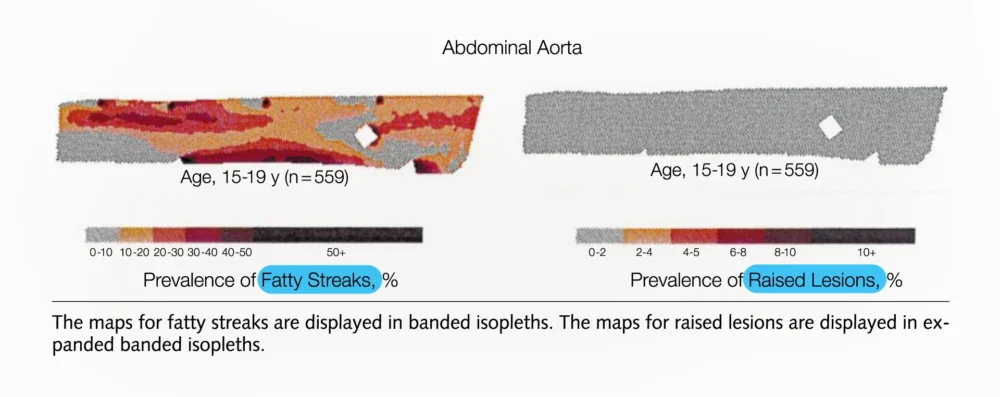
The alarming reality of cardiovascular disease, particularly heart attacks, is often addressed through pharmaceutical interventions that offer a modest reduction in risk. However, emerging research and a deeper understanding of disease progression suggest that lifestyle choices possess a significantly more potent ability to mitigate, and potentially even reverse, the underlying causes of heart disease. While medications may provide a 20% to 30% reduction in risk, adopting and maintaining healthy lifestyle habits could potentially eliminate up to 90% of the risk for experiencing a heart attack, a stark contrast that calls for a fundamental re-evaluation of current public health strategies.
The Insidious Onset of Atherosclerosis: A Childhood Epidemic
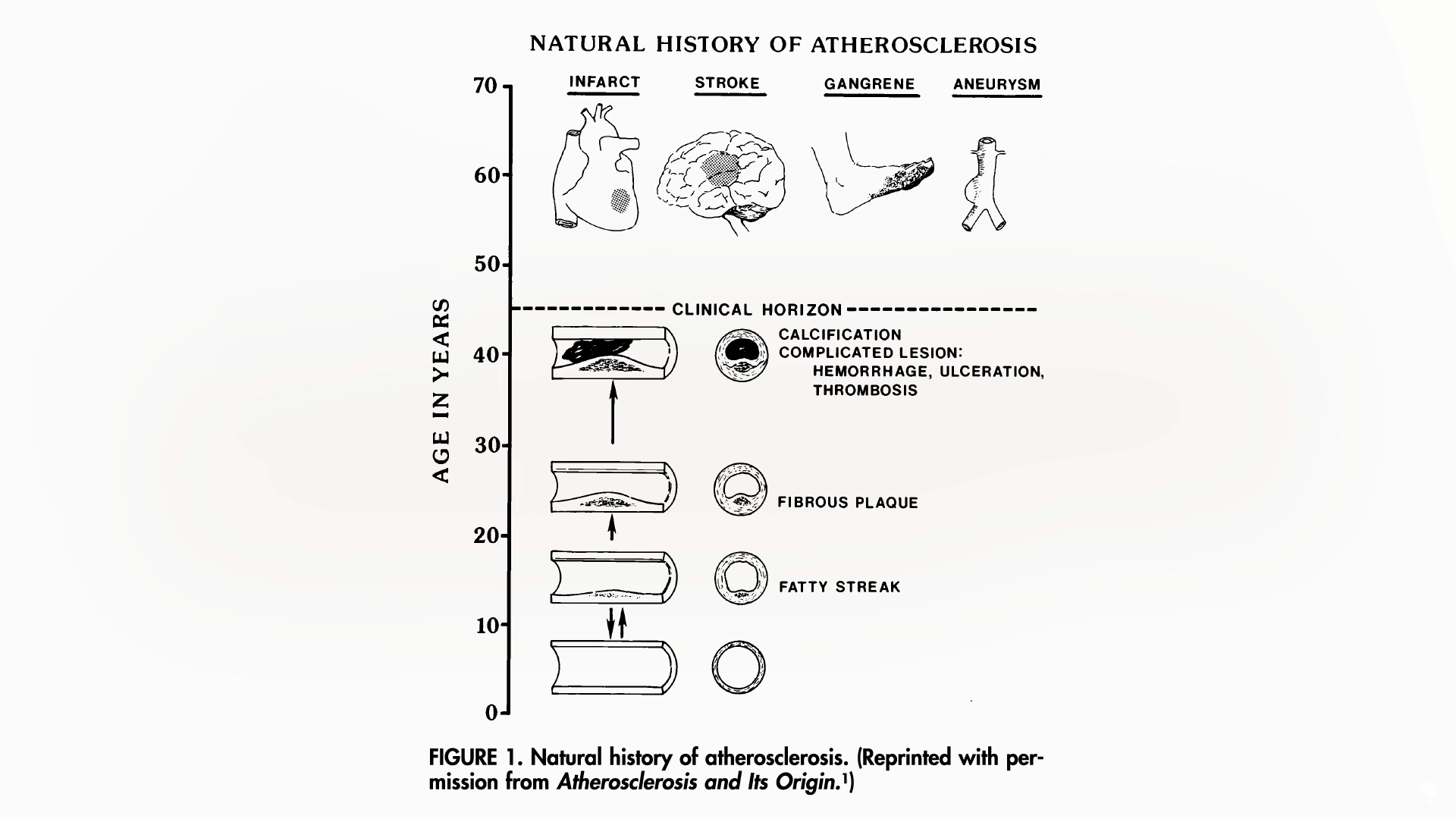
Atherosclerosis, the hardening and narrowing of arteries, stands as the leading cause of death globally for both men and women. Far from being a condition that develops in old age, compelling evidence indicates that the initial stages of this disease begin much earlier, often within the teenage years, particularly when adhering to a standard Western diet.
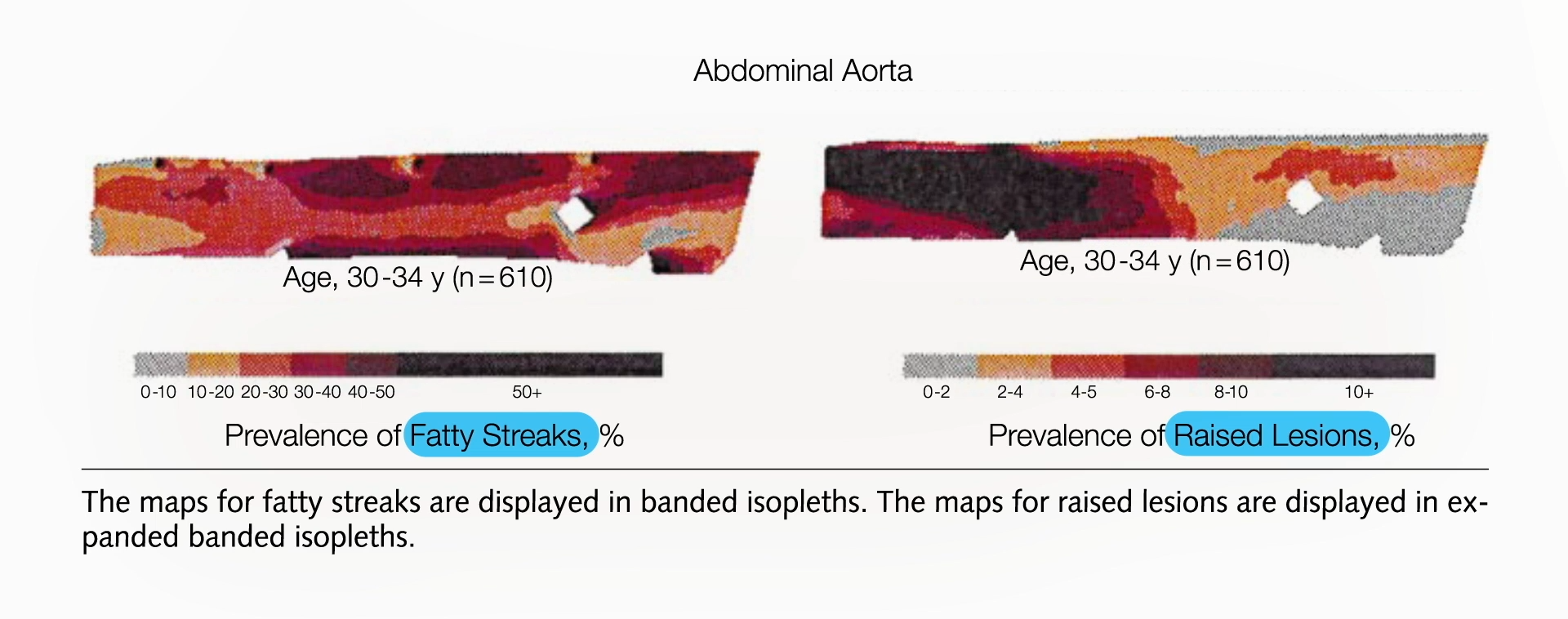
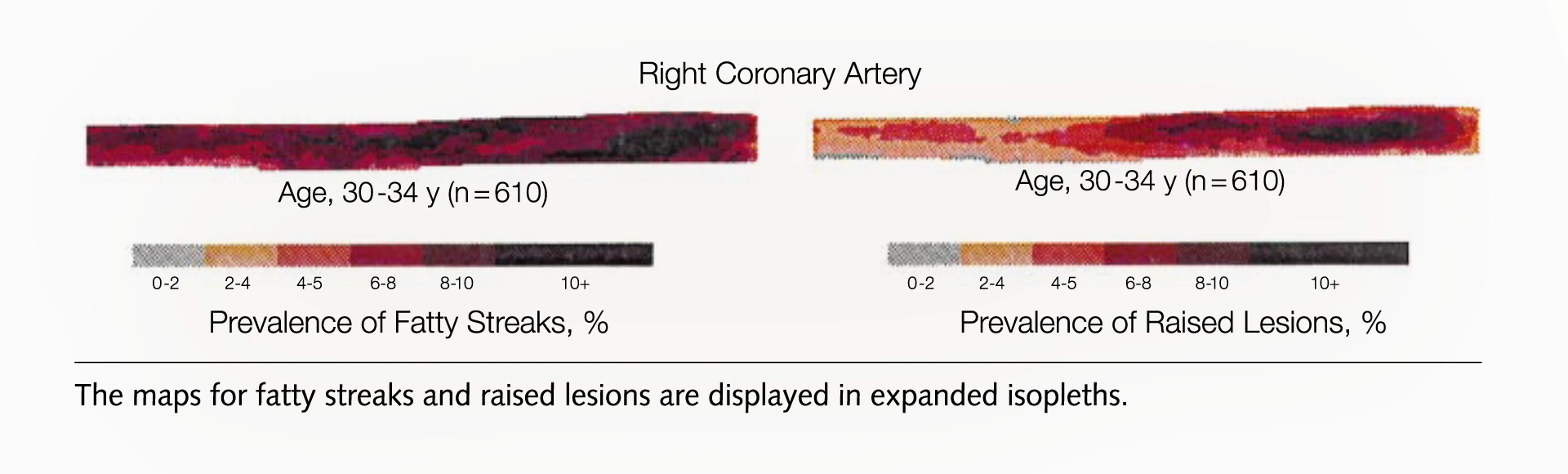
A groundbreaking study, the details of which have been published in peer-reviewed journals such as PubMed (NCBI), involved the meticulous examination of approximately 3,000 sets of coronary arteries and aortas. These vital blood vessels were collected from individuals aged 15 to 34 who had unfortunately succumbed to accidental deaths, homicides, or suicides. The findings were stark: fatty streaks, the earliest visible signs of atherosclerosis, were present in the arteries of virtually all participants in this age group. By their twenties, these nascent fatty streaks had begun to develop into more advanced atherosclerotic plaques. This progression continued through the thirties, with plaques becoming larger and more obstructive, significantly increasing the likelihood of severe cardiovascular events.

The implications of these findings are profound. Atherosclerosis in the coronary arteries directly leads to heart attacks, while its presence in the arteries supplying the brain can result in strokes. Visualizations of this progression, often presented in accompanying scientific or educational materials, illustrate a disturbing trajectory from initial fatty streaks to potentially life-threatening blockages.
A Universal Problem: Pervasive Arterial Changes in Adolescence
The scope of this early-onset atherosclerosis is more widespread than previously understood. In the aforementioned study, an overwhelming 100% of the teenage participants exhibited fatty streaks within their arteries. This indicates that the foundational processes of arterial disease are nearly universal among adolescents consuming a typical Western diet.
The timeline of this development is particularly concerning:
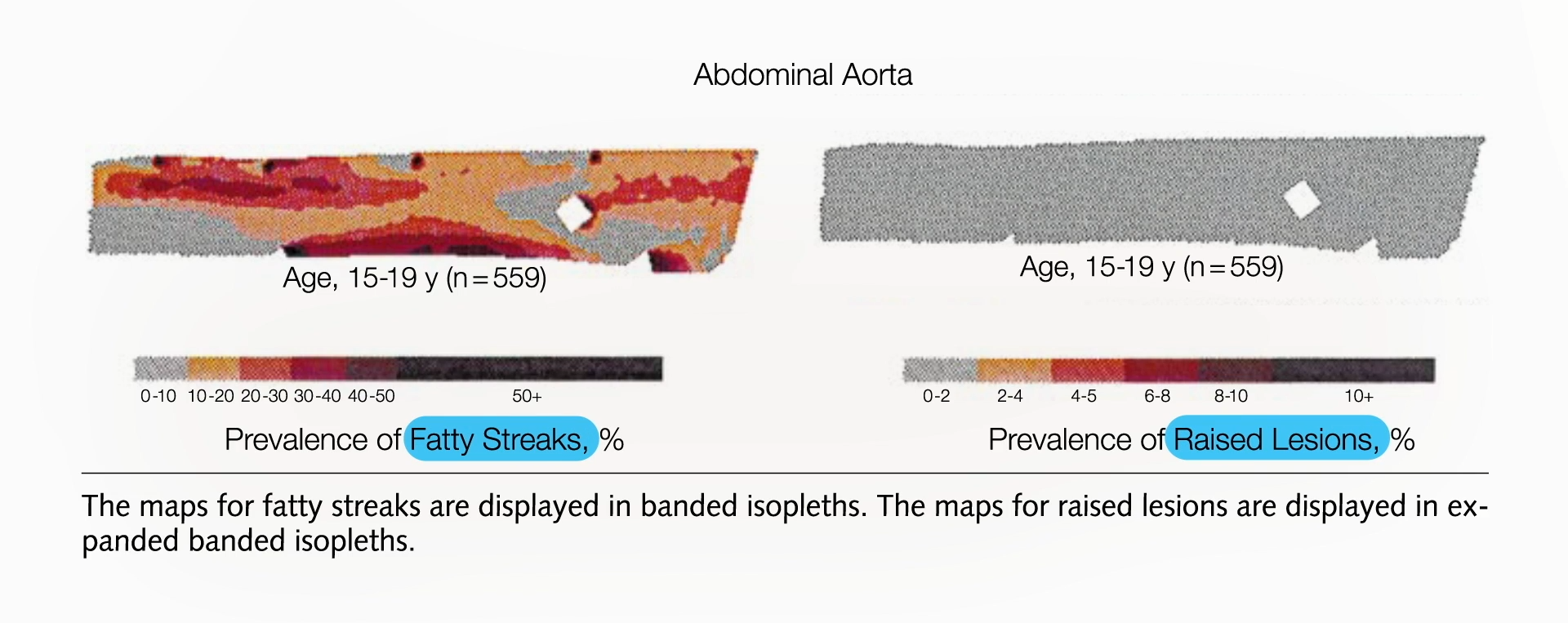
- Ages 15-19: Fatty streaks were found to be prevalent throughout the aortas of individuals in this age bracket. While significant plaques had not yet formed on average, the groundwork was clearly being laid.
- Early 20s: The development of atherosclerotic plaques began to appear, particularly in the abdominal aorta, the major artery extending down through the torso.
- Late 20s: Plaques in the abdominal aorta showed further progression, and fatty streaks had become widespread.
- Early 30s: Arterial health was significantly compromised, with substantial plaque buildup observed.
This pattern was not confined to the aorta; researchers also observed the same progression in the coronary arteries, which are crucial for supplying oxygenated blood to the heart muscle. By their early thirties, a significant majority of individuals in the study had developed plaques in these vital arteries.
The Critical Window for Intervention: Why Early Action is Paramount
The understanding that atherosclerosis begins in youth, long before symptoms manifest, underscores a critical point: waiting until heart disease becomes symptomatic to initiate treatment is a fundamentally flawed approach. Just as one would not delay treatment for a cancerous tumor or the onset of diabetes until irreversible damage occurs, addressing atherosclerosis requires proactive measures from an early age.
The most effective strategy for combating atherosclerosis, as supported by extensive research, involves lowering LDL cholesterol levels. This is primarily achieved through dietary modifications that emphasize a reduction in saturated fat and dietary cholesterol. Consequently, this translates to a diet lower in foods such as eggs, red meat, dairy products, and processed junk foods.
A Call for Lifestyle Revolution: Shifting the Prevention Paradigm
The notion of significantly altering lifestyle habits, particularly from infancy or early childhood, has been described as a "radical proposal." However, in the face of atherosclerosis being the leading cause of death, such a proposition is not only practical but imperative. Historical precedents, such as the dramatic reduction in smoking rates and subsequent decline in lung cancer, demonstrate that societal behavioral change is achievable.
The safety and efficacy of healthy eating are well-established. Reputable organizations, such as the Academy of Nutrition and Dietetics, the world’s largest and oldest association of nutrition professionals, affirm that well-planned, plant-based diets are appropriate for all stages of life, including pregnancy. This professional endorsement provides a strong foundation for advocating for widespread adoption of healthier dietary patterns.
The Evidence for "Curing" Atherosclerosis: A Lifelong Approach
An influential study published in the Journal of the American College of Cardiology proposed that "Curing Atherosclerosis Should Be the Next Major Cardiovascular Prevention Goal." This bold statement is supported by compelling evidence from studies examining individuals with a specific genetic mutation in the PCSK9 gene.
Approximately 1 in 50 African Americans are born with a mutation that leads to a lifelong reduction in LDL cholesterol levels by about 40%. These individuals exhibit dramatically lower rates of coronary heart disease, with an observed 88% reduction in risk compared to those without the mutation, even when other cardiovascular risk factors were present. Notably, many individuals with this genetic advantage had high blood pressure, were overweight, smoked, or had diabetes. This highlights the profound protective effect of sustained low LDL cholesterol, irrespective of other risk factors.
Duration of Low LDL: The Key Differentiator
The near 90% reduction in events like heart attacks or sudden cardiac death observed in individuals with the PCSK9 mutation occurred at an average LDL cholesterol level of 100 mg/dL. This contrasts with an average of 138 mg/dL in those without the mutation. This remarkable outcome raises a critical question: why does a 40 mg/dL drop in LDL cholesterol achieved through genetics lead to an almost 90% reduction in risk, while a similar reduction through statin drugs yields only about a 20% to 30% decrease?
The most plausible explanation for this disparity lies in the duration of the low LDL cholesterol levels. When it comes to mitigating cardiovascular risk, not only the degree to which LDL cholesterol is lowered but also the lifelong consistency of these lower levels plays a pivotal role. Healthy lifestyle choices, when adopted early and maintained throughout life, can achieve and sustain these lower LDL levels, thereby preventing the accumulation of arterial plaque and its subsequent complications.
The Long Game: Lifestyle vs. Late-Life Medication
This distinction in risk reduction underscores why healthy lifestyle choices can potentially eliminate approximately 90% of the risk for heart attacks, while medications, often initiated later in life, may only achieve a 20% to 30% reduction.
For individuals relying on medication later in life to halt the progression of coronary atherosclerosis, achieving significant risk reduction may necessitate lowering LDL cholesterol to below 70 mg/dL. In cases where individuals attempt to counteract a lifetime of poor dietary choices with medication, the goal of eliminating all coronary heart disease events might require LDL levels as low as 55 mg/dL.
For those who have already experienced a heart attack and are seeking to prevent future events, aggressively lowering LDL cholesterol to around 30 mg/dL could be beneficial. At such extremely low levels, not only is the formation of new atherosclerotic plaques likely prevented, but existing plaques may also become stabilized, reducing their likelihood of rupturing and causing fatal events.
The Safety of Low Cholesterol: An Ongoing Inquiry
A pertinent question arises regarding the safety of maintaining cholesterol levels at such significantly reduced thresholds. Can LDL cholesterol ever be too low, and what are the potential implications of extremely low levels? This area continues to be a subject of ongoing scientific inquiry and debate, exploring the nuances of cholesterol’s role in the body and the potential benefits and drawbacks of extreme reduction.
Doctor’s Notes and Further Resources
The realization that heart disease initiation can occur in childhood is a critical public health insight. For those seeking to deepen their understanding, resources such as the video "Heart Disease Starts in Childhood" offer valuable perspectives.
Further exploration into the comparative benefits of lifestyle interventions versus pharmaceutical drugs can be found in videos like "The Actual Benefit of Diet vs. Drugs." Additionally, the concept of "primordial prevention," focusing on preventing disease before risk factors even emerge, is detailed in "When Low Risk Means High Risk." The debate surrounding the significance of LDL particle size, a related aspect of cholesterol metabolism, is addressed in "Does Cholesterol Size Matter?"
The overwhelming body of evidence points towards a powerful paradigm shift: prioritizing and promoting healthy lifestyle choices, starting from the earliest years of life, offers a far more comprehensive and effective strategy for combating heart disease than solely relying on pharmaceutical interventions. This approach not only addresses the symptoms but targets the root causes of this pervasive and often fatal condition.






