 admin
admin
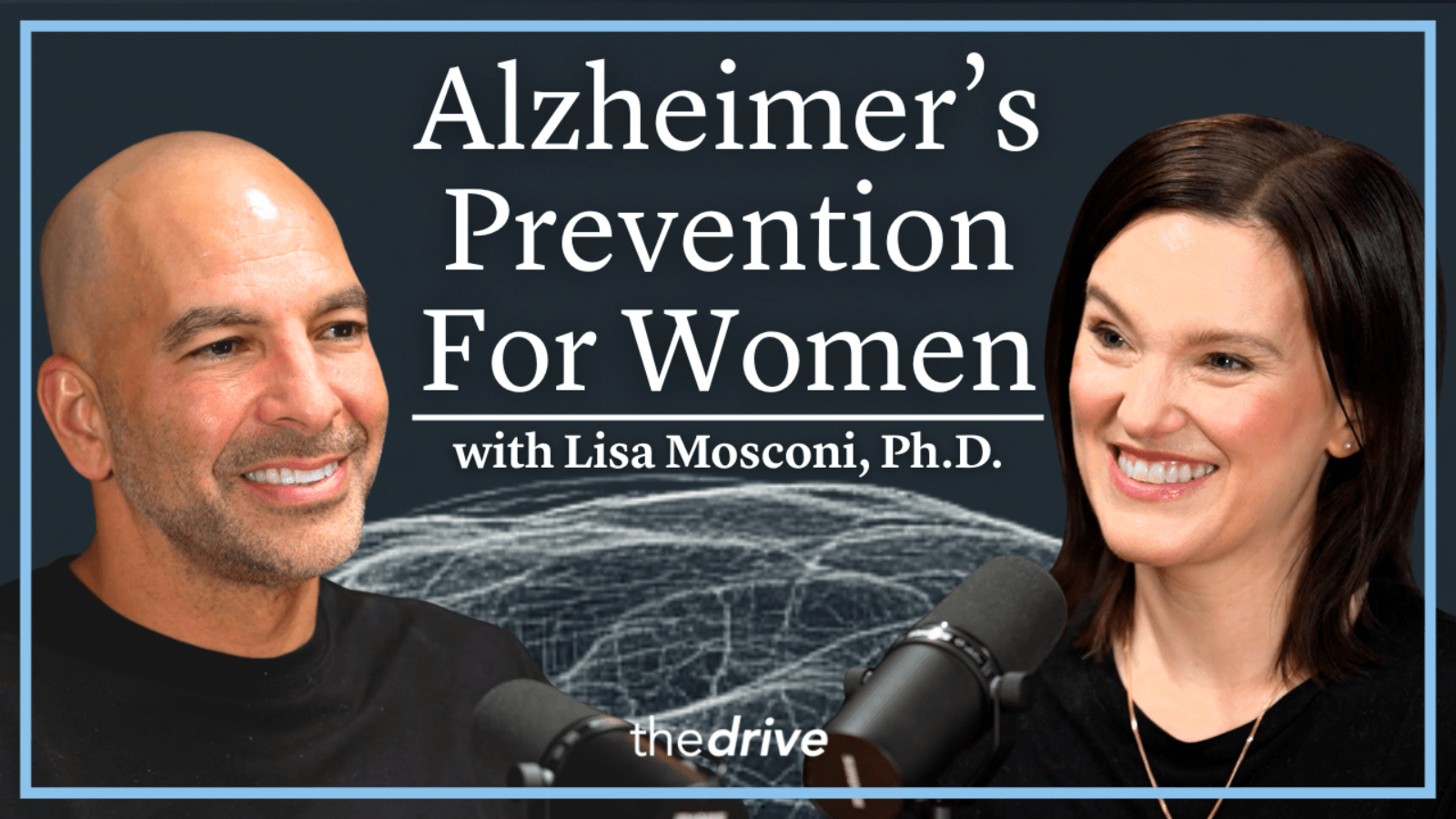
The landscape of neurodegenerative research is undergoing a significant paradigm shift as experts begin to unravel the complex relationship between biological sex, hormonal transitions, and cognitive decline. Dr. Lisa Mosconi, a world-renowned neuroscientist and Director of the Women’s Brain Initiative at Weill Cornell Medicine, recently presented a compelling case for why Alzheimer’s disease must be viewed through a sex-specific lens. Speaking on the latest developments in neurological aging, Dr. Mosconi argued that the disproportionate impact of Alzheimer’s on women—who make up nearly two-thirds of all cases—cannot be explained solely by the fact that women tend to live longer than men. Instead, the origins of the disease appear to be rooted in the midlife transition of menopause, a biological event that fundamentally reshapes the brain’s energy metabolism and structural integrity.
The Gender Gap in Alzheimers Disease and the Longevity Myth
For decades, the prevailing medical consensus attributed the higher prevalence of Alzheimer’s disease in women to their longer average lifespans. However, Dr. Mosconi’s research challenges this simplification. While age is the primary risk factor for dementia, data suggests that the physiological changes leading to Alzheimer’s begin decades before the first symptoms of memory loss appear. For women, this "preclinical" phase often coincides with the perimenopause and menopause transition.
Statistics indicate that a 65-year-old woman has a 1 in 5 chance of developing Alzheimer’s in her remaining lifetime, compared to a 1 in 11 chance for a man of the same age. Dr. Mosconi emphasizes that the "nearly twofold risk" is not a byproduct of late-stage aging but rather a divergence in brain health that occurs during the fourth and fifth decades of life. By shifting the focus from the elderly to the midlife population, the Women’s Brain Initiative aims to identify early biomarkers that could allow for preventative interventions long before cognitive impairment becomes irreversible.
Chronology of Research: From Personal Loss to Scientific Breakthrough
Dr. Mosconi’s dedication to this field is deeply personal. Her interest was sparked by the tragic health trajectory of her own family; her grandmother and her grandmother’s two sisters all succumbed to Alzheimer’s disease. Observing their decline, Mosconi noted that while they reached their late 80s, the "typical trajectory" involved an onset of symptoms in their late 70s, preceded by years of subtle changes.
This familial history led her to pursue a PhD in neuroscience and nuclear medicine at the University of Florence, eventually moving to the United States to utilize advanced brain imaging technologies. Over the last two decades, her work has evolved from general Alzheimer’s research to a specialized focus on the "XX brain." This chronological progression in her career mirrors a broader shift in the scientific community, which is only now beginning to address the historical exclusion of female subjects in clinical trials—a gap that has left women’s health poorly understood for generations.
Menopause as a Neurological Event
One of the most significant takeaways from Dr. Mosconi’s recent analysis is the redefinition of menopause. While often viewed primarily as a reproductive or hormonal event involving the ovaries, Mosconi asserts that menopause is equally a "fundamental brain event."
The brain is highly sensitive to estrogen, which acts as a master regulator of glucose metabolism. Estrogen helps the brain burn glucose to create cellular energy. As estrogen levels fluctuate and eventually plummet during menopause, the brain’s "power plant" is disrupted. Brain imaging studies conducted by Dr. Mosconi’s team have revealed a 20% to 30% drop in brain energy levels during this transition. This "bioenergetic crisis" can trigger a cascade of effects, including:
- Amyloid Plaque Accumulation: The reduction in metabolic efficiency may encourage the buildup of beta-amyloid plaques, a hallmark of Alzheimer’s.
- Structural Changes: Reductions in grey matter volume in brain regions responsible for memory and cognition.
- Immune Signaling: A shift in the brain’s inflammatory response, which can exacerbate underlying neurodegenerative processes.
For many women, this manifests as "brain fog," sleep disturbances, and mood swings. While these symptoms are often dismissed as temporary inconveniences of middle age, Mosconi’s research suggests they may be the outward signs of a major neurological remodeling.
The Role of Genetics and the APOE4 Vulnerability
The discussion also delved into the genetic underpinnings of Alzheimer’s, specifically the APOE4 allele. While carrying the APOE4 gene increases risk for both sexes, recent data suggests it may be more detrimental to women. Dr. Mosconi explained that the interaction between the APOE4 genotype and the loss of estrogen creates a "perfect storm" for the female brain.
In men, the brain does not undergo a sudden, total loss of sex hormones similar to menopause. Men’s testosterone is converted into estrogen within the brain, providing a relatively steady supply of neuroprotection well into old age. Women, conversely, lose their primary source of estrogen relatively quickly, leaving the APOE4-carrying brain particularly vulnerable to the accumulation of Alzheimer’s pathology.
Re-evaluating Menopause Hormone Therapy (MHT)
A critical portion of the current discourse revolves around Menopause Hormone Therapy (MHT). The legacy of the 2002 Women’s Health Initiative (WHI) study—which was halted early due to concerns over breast cancer and stroke risk—has cast a long shadow over the use of hormones. However, Dr. Mosconi and other modern experts argue that the WHI findings were frequently misinterpreted and misapplied to younger women.
The "timing hypothesis" suggests that MHT may be neuroprotective if started during the perimenopausal window or shortly after the onset of menopause. When administered at this stage, MHT can help maintain brain energy levels and potentially stave off the early stages of Alzheimer’s. Conversely, starting MHT much later in life (e.g., in one’s 70s) may not provide the same benefits and could carry higher risks.
Furthermore, the emergence of Selective Estrogen Receptor Modulators (SERMs) and other targeted therapies offers hope for women who cannot take traditional hormone therapy due to medical contraindications. These emerging therapies aim to provide the benefits of estrogen to the brain without stimulating breast or uterine tissue.

The CARE Initiative: A Vision for 2050
Looking toward the future, Dr. Mosconi introduced the CARE (Clinical Alzheimers Research & Education) Initiative. The ambitious goal of this program is to cut the risk of Alzheimer’s disease in women in half by the year 2050. This initiative focuses on a multi-pronged approach to brain health:
- Advanced Imaging: Using PET and MRI scans to detect preclinical Alzheimer’s decades before symptoms appear.
- Metabolic Health: Investigating the use of GLP-1 agonists (commonly used for diabetes and weight loss) to support brain glucose metabolism.
- Lifestyle Interventions: Prioritizing evidence-based strategies such as rigorous exercise, optimized sleep hygiene, and Mediterranean-style diets rich in phytonutrients.
- Mental Health: Addressing the impact of stress and cortisol on the aging brain.
Dr. Mosconi emphasizes that while medical interventions are crucial, lifestyle modifications are the "low-hanging fruit" that can significantly alter a woman’s risk profile. Improving insulin sensitivity and reducing systemic inflammation are essential components of maintaining a resilient brain through the menopausal transition.
Broader Implications and Public Health Impact
The implications of Dr. Mosconi’s research extend far beyond the laboratory. As the global population ages, the economic and social burden of Alzheimer’s disease is expected to reach staggering proportions. In the United States alone, the cost of caring for individuals with Alzheimer’s and other dementias is projected to reach $1.1 trillion by 2050.
By identifying women as a high-risk group with unique biological triggers, public health officials can develop more effective screening and prevention programs. The shift toward "precision medicine" for women involves recognizing that the female brain has specific requirements for longevity.
The scientific community has reacted with cautious optimism to these findings. While more large-scale, long-term clinical trials are needed to confirm the neuroprotective effects of early MHT and specific lifestyle changes, the consensus is moving away from a "one-size-fits-all" approach to aging. Dr. Mosconi’s work serves as a clarion call for a more nuanced, sex-informed approach to neurology that empowers women to take control of their cognitive health during the critical midlife window.
In conclusion, the research presented by Dr. Lisa Mosconi underscores that the path to preventing Alzheimer’s disease in women must begin in midlife. By understanding menopause not just as the end of fertility, but as a period of significant neurological change, medicine can move closer to a future where the "XX brain" is protected, supported, and preserved for a lifetime of cognitive vitality.