
 admin
admin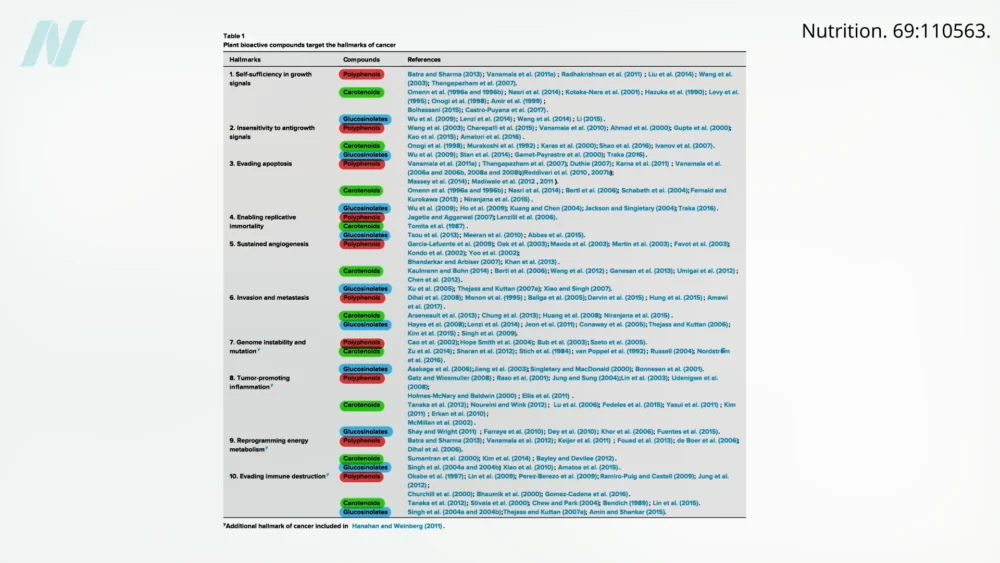
Decades after the United States declared a "war on cancer," a prominent professor of pharmacology is challenging the prevailing research and treatment paradigms, arguing that the fundamental basis for cancer prevention lies not in pharmaceutical interventions, but in the power of plant-based diets. This perspective emerges from a critical analysis of the historical focus of cancer research, the long latency periods of common cancers, and the inherent advantages of whole foods over single-molecule drug interventions.
A Shift in Focus: From Cure to Prevention
The landscape of cancer research has been predominantly shaped by an effort to discover cures, a strategy that, despite significant scientific advancements, has not demonstrably curbed the relentless tide of cancer deaths in the United States. Since President Richard Nixon’s ambitious "war on cancer" declaration in 1971, which aimed to eradicate the disease, mortality rates from many prevalent cancers have remained stubbornly high. This prolonged struggle, spanning over five decades, prompts a re-evaluation of the underlying strategies.
"The vast majority of cancer research is devoted to finding cures, rather than finding new ways to prevent disease," observed the professor, whose research and publications have been extensively cited in the biomedical literature. "The results of these skewed priorities are plain to see." The professor’s critique points to a potential misallocation of resources and research efforts, suggesting that a stronger emphasis on prevention could yield more impactful long-term results.
Understanding Cancer’s Long Shadow
A critical element of this argument is the understanding of cancer’s insidious nature. Cancers, particularly common epithelial cancers such as lung, colorectal, breast, prostate, pancreas, and ovarian cancers – which collectively account for the majority of cancer-related fatalities – do not develop overnight. These diseases are characterized by exceptionally long latency periods, often extending to 20 years or more. This means that an individual diagnosed with cancer is not experiencing a sudden onset of illness but rather the culmination of a decades-long biological process.
"Breast cancer doesn’t begin when a lump is first felt or detected by a mammogram," the professor elaborated. "All the common epithelial cancers… have a long latency period—often 20 years or more." This prolonged development phase challenges the perception that individuals are "healthy" until overt symptoms manifest. The analogy of a smoldering barn before it erupts into flames powerfully illustrates that the absence of visible symptoms does not equate to the absence of disease. This extended period presents a crucial window for intervention, a window that may be overlooked when research primarily focuses on treating advanced disease.
The Pharmaceutical Push vs. Dietary Power

In light of the limitations of current approaches, the professor highlights a trend towards "chemoprevention"—the use of pharmaceutical drugs to prevent cancer. This strategy mirrors the established practice of using medications like statins and blood thinners to prevent heart disease and strokes. The pharmaceutical industry’s substantial investment in promoting such preventive drug therapies naturally extends to the cancer domain, raising the question: "shouldn’t people take drugs every day for the rest of their lives to protect against cancer?"
However, the professor posits that there must be a more effective and perhaps less invasive approach. This leads to an exploration of diet and nutrition as powerful tools for both preventing and treating cancer.
The Multifaceted Nature of Cancer and the Promise of Whole Foods
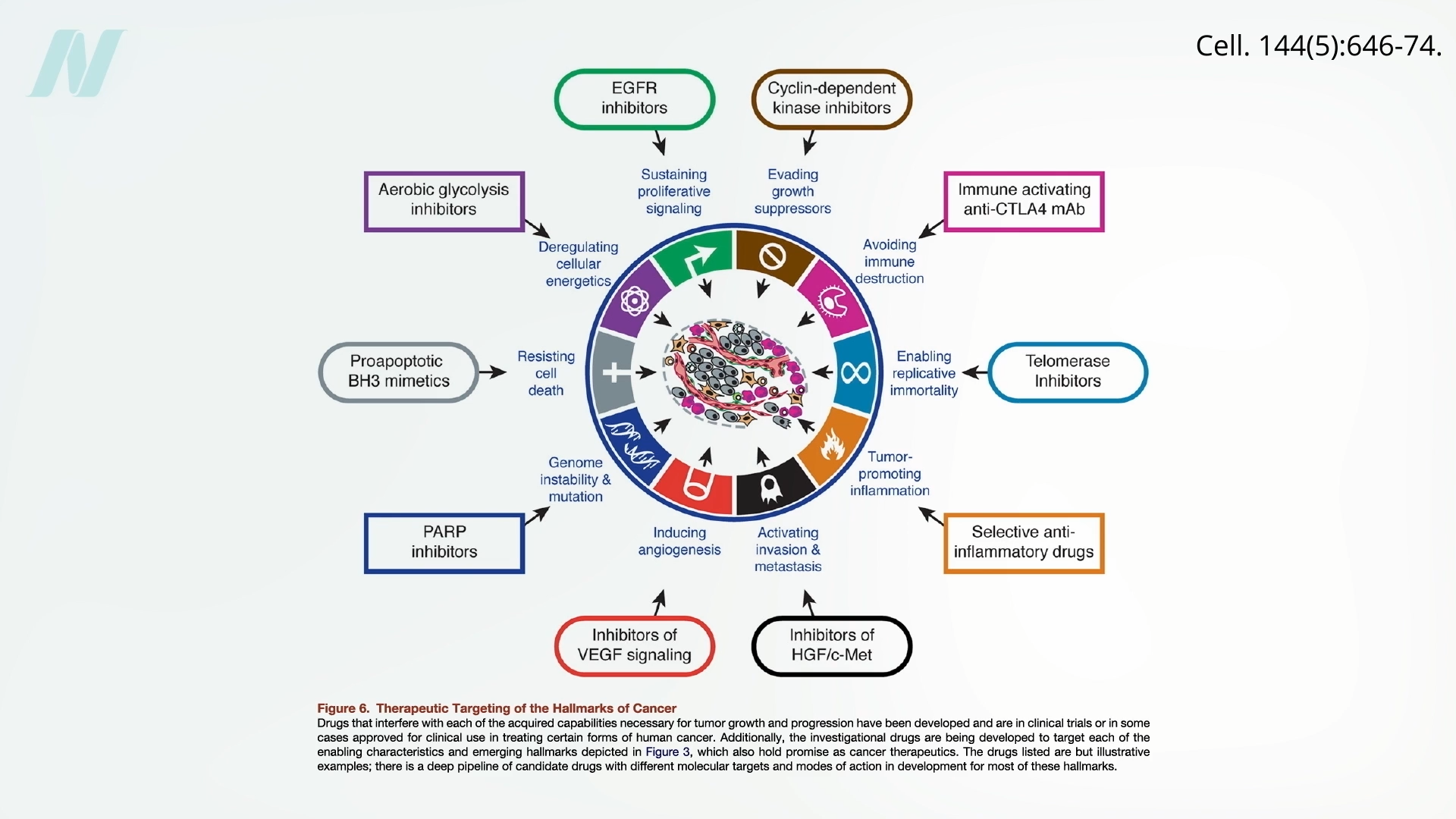
The complexity of cancer, with over 200 distinct types, might seem daunting for a unified preventive strategy. Yet, a significant breakthrough in cancer research has been the identification of common "hallmarks" that underpin the development and progression of all cancers. These ten hallmarks, established through a series of highly cited papers, represent the fundamental capabilities that cancer cells acquire to become malignant.
These hallmarks include:
- Sustaining proliferative signaling
- Evading growth suppressors
- Resisting cell death
- Enabling replicative immortality
- Inducing angiogenesis (new blood vessel formation)
- Activating invasion and metastasis
- Deregulating cellular energetics
- Avoiding immune destruction
- Genome instability and mutation
- Tumor-promoting inflammation
Conventional pharmaceutical approaches often involve chemotherapy agents designed to target individual hallmarks. However, the professor notes that drugs typically target only one or a few aspects of this complex puzzle. "Ideally, there would be drugs able to target multiple hallmarks at one time, but that’s not how drugs tend to work," the professor stated. This limitation underscores a key advantage of plant-based foods.
Food Synergy: A Cocktail of Protective Compounds
The professor’s research advocates for investigating plant foods as a superior method for cancer prevention precisely because they can deliver a "cocktail of bioactive compounds" capable of targeting multiple, if not all, of the hallmarks of cancer. Unlike single-molecule drugs, whole plant foods contain a vast array of phytochemicals that can work synergistically.
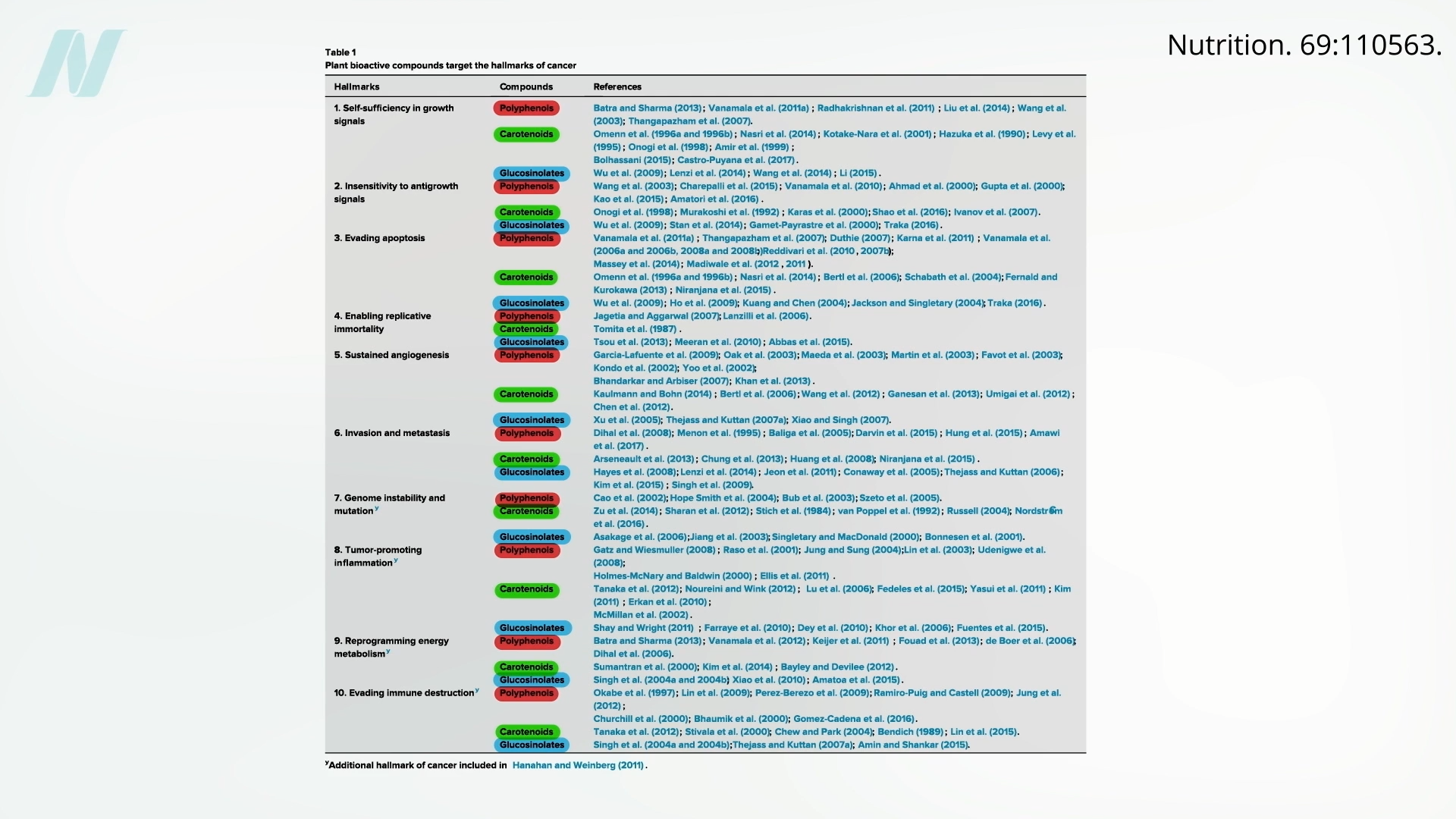
Visual aids presented in accompanying materials (referenced as figures at specific timestamps in a video) illustrate how various compounds found in fruits and vegetables—such as those in berries, leafy greens, and broccoli—have demonstrated the ability to target each of the ten hallmarks of cancer, at least in laboratory settings (in vitro). This concept of "food synergy," where the combined effect of multiple components is greater than the sum of their individual effects, is central to the argument for a plant-centric approach.
The Ideal Chemopreventive Agent: Plants Fit the Bill
When considering the ideal characteristics of a chemopreventive agent, plants emerge as exceptionally strong candidates. An ideal agent would possess several key qualities:
- Selectivity: It should target cancerous or precancerous cells while sparing healthy cells.
- Safety: It should be free from significant side effects.
- Broad Spectrum: It should be effective against a wide range of cancer types.
- Dietary Integration: It should be easily incorporated into a daily diet.
- Accessibility: It should be readily available.
- Affordability: It should be relatively inexpensive.
Plants, the professor argues, meet all these criteria. This aligns with epidemiological observations showing that individuals who consume more plant-based foods generally exhibit lower cancer rates.
Beyond Supplements: The Power of Whole Foods
It is crucial to distinguish between consuming whole plant foods and relying on supplements containing isolated extracts or purified phytochemicals. While supplements can offer concentrated doses of specific compounds, the professor emphasizes that the true power lies in the complex matrix of whole foods. Nutritional science has historically focused on the impact of single dietary components, a reductionist approach that can reveal individual nutrient roles but may overlook the intricate interplay within whole foods.
"Sometimes the whole can be greater than the sum of its parts," the professor asserted, referencing the concept of food synergy. This is powerfully demonstrated in studies like one involving breast cancer cells. In this research, six different plant compounds, when administered individually at levels typically found in the bloodstream after consuming foods like broccoli, grapes, soybeans, and turmeric, had minimal impact. However, when combined, these same compounds significantly suppressed breast cancer cell proliferation by over 80%, inhibited invasion and migration, halted cell progression, and ultimately induced cell death. Crucially, this "supercocktail" of plant compounds exerted no detrimental effects on normal, noncancerous cells.
A Global Consensus: Plants as the Cornerstone of Prevention
The foundation for cancer prevention, as established by extensive global research, including an update of the most comprehensive reports on diet and cancer ever published, is unequivocally plants, not pills. This scientific consensus, supported by organizations like the World Cancer Research Fund (WCRF), points towards a dietary strategy that emphasizes whole grains, vegetables, fruits, and beans, while advising a reduction in alcohol, sugary drinks, meat, and processed foods.
Implications for Public Health and Future Research
The implications of this plant-centric approach to cancer prevention are far-reaching. It suggests a paradigm shift is needed, moving beyond the primary focus on pharmaceutical cures towards a more robust investment in nutritional research and public health initiatives promoting healthy eating patterns.
Supporting Data and Chronology
- 1971: President Richard Nixon declares a "war on cancer," initiating a significant increase in federal funding for cancer research, largely focused on treatment and cure.
- Early 2000s: The concept of the "Hallmarks of Cancer" begins to be formally defined and refined through seminal publications by Hanahan and Weinberg, providing a framework for understanding cancer’s fundamental biological capabilities.
- 2010s – Present: Growing body of research emerges highlighting the potential of plant-derived compounds and whole foods to target multiple hallmarks of cancer, challenging the singular focus on pharmaceutical interventions. Studies on food synergy and the comprehensive effects of dietary patterns gain traction.
- Ongoing: Organizations like the World Cancer Research Fund (WCRF) continue to update and disseminate evidence-based recommendations for cancer prevention, consistently emphasizing the role of diet and lifestyle, with plants at the forefront.
Broader Impact and Analysis
The professor’s assertions resonate with a growing movement advocating for preventative healthcare and a more holistic understanding of disease. By re-emphasizing the foundational role of diet, this perspective offers a tangible and accessible strategy for individuals to actively participate in their own health. The challenge lies in translating this scientific understanding into widespread public health policy and individual behavior change, navigating the powerful influence of the pharmaceutical industry and entrenched medical practices.
The current landscape, where significant financial incentives often drive research and treatment decisions, necessitates a conscious effort to rebalance priorities. Investing in research that explores the intricate mechanisms of food synergy and the long-term impact of whole-food diets on cancer prevention could yield substantial returns in terms of reduced disease burden and improved public health outcomes.
Ultimately, the call for a plant-based foundation for cancer prevention is not merely a dietary recommendation; it is a fundamental rethinking of how we approach one of humanity’s most persistent health challenges. It suggests that the most potent weapon in the fight against cancer may not be found in a laboratory or a pharmacy, but in the vibrant diversity of the natural world, on our plates.
Doctor’s Note
Numerous videos and resources are available to explore the intricacies of cancer prevention and treatment through diet and lifestyle. Further information can be found in related posts and academic literature, offering a deeper dive into the scientific evidence supporting a food system-based approach to combating cancer.






