
 admin
admin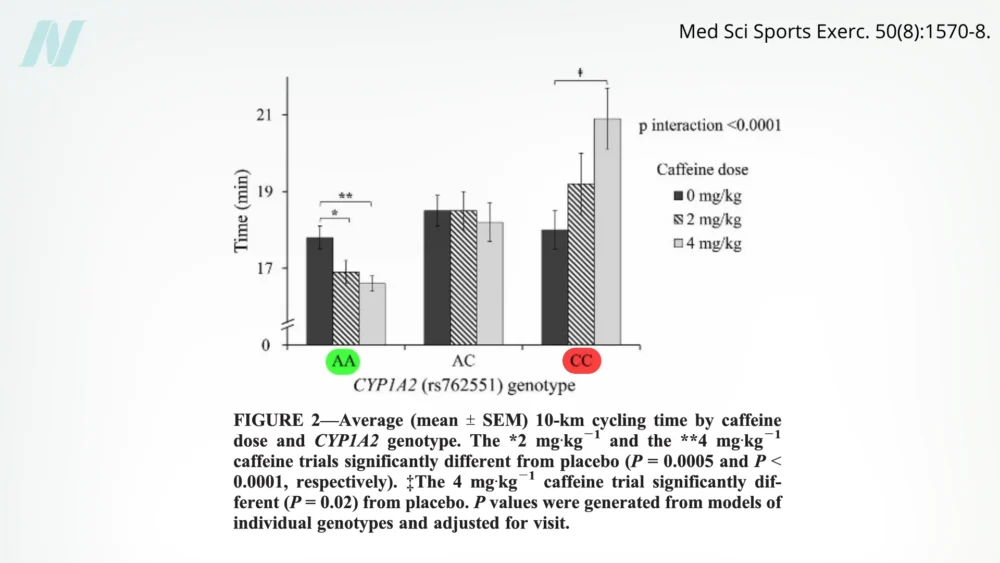
The burgeoning field of personalized nutrition (PN) has captured significant public attention, promising tailored dietary recommendations based on an individual’s unique biological makeup. Rooted in the principle that "one size does not fit all," PN taps into a deep-seated human desire to be recognized as special. This appeal to our ego makes the concept inherently attractive, driving its popularity in marketing and sales, and spurring innovation in areas like personalized foods and even 3D food printing for customized dietary solutions. However, as the scientific evidence supporting truly individualized nutritional strategies for the general population remains limited, a critical question arises: should the emphasis be on complex, often expensive, personalized plans, or on empowering individuals to embrace personal responsibility for their health through established, evidence-based lifestyle choices?
The Allure of the Individual: Understanding Personalized Nutrition
Personalized nutrition, often discussed alongside precision medicine, operates on the premise that variations in our genes, microbiome, metabolism, and lifestyle necessitate distinct dietary approaches. This concept is particularly compelling because it directly addresses the desire for control over one’s health journey. For a select few, a personalized approach is not just appealing but essential. Consider individuals with severe food allergies, such as peanut allergies, where even trace amounts can trigger life-threatening anaphylaxis. Similarly, those with celiac disease require strict gluten avoidance, and individuals with lactose intolerance must manage their intake of dairy products.
Beyond these well-defined conditions, emerging research highlights other areas where genetic predispositions influence nutritional needs and responses. For instance, variations in the enzyme aldehyde dehydrogenase 2 (ALDH2), particularly common in East Asian populations, can significantly impact alcohol metabolism. This genetic mutation leads to a reduced ability to process alcohol, resulting in an accumulation of toxic metabolites and an increased susceptibility to alcohol-related health issues.
Further illustrating the nuances of individual metabolism, studies on caffeine provide a compelling example. Research published in Nature Scientific Reports (2017) has demonstrated that individuals can be categorized as "fast" or "slow" caffeine metabolizers based on genetic variations in the CYP1A2 enzyme. This difference can have a profound impact on athletic performance. While fast metabolizers may experience ergogenic (performance-enhancing) benefits from caffeine, potentially shaving significant time off endurance activities like cycling, slow metabolizers might see no benefit or even a detrimental effect, experiencing slower times. This illustrates how a seemingly simple dietary component can yield vastly different outcomes depending on an individual’s genetic makeup.
The Current Landscape: Proliferation and Scientific Scrutiny
Despite these clear examples of individual variation, the broader scientific consensus suggests that for the majority of the population, the differences in nutritional needs are less pronounced than often marketed. The proliferation of direct-to-consumer genetic testing companies offering personalized nutrition advice has outpaced the robust scientific validation required for widespread clinical application. Many of these companies claim to optimize micronutrient status based on a limited number of genetic variants, even though these variants typically explain only a small fraction of the variation in nutrient levels between individuals. For example, research indicates that most genetic variants associated with nutrient levels explain just a few percent of the observed differences.
The push for personalized nutrition is part of a larger movement towards precision medicine. This has been fueled by a "massive cultural allure" of personal control over health, encompassing diagnosis, treatment, and disease prevention. This allure has, in turn, driven significant commercialization. However, unlike monogenic diseases, which are caused by a single gene defect (e.g., hemophilia, sickle cell anemia), most common chronic diseases are the result of complex interactions between multiple genes and environmental factors. This intricate interplay presents a "major challenge for the realization of personalized medicine," and by extension, personalized nutrition.
Genetic Predispositions vs. Lifestyle Choices: A Matter of Scale
Consider the example of adult stature. While height is a strongly inherited trait, with parental genes accounting for approximately 80% of the difference in height between individuals, genome-wide association studies (GWAS) have identified at least 40 chromosomal locations associated with human height. Despite this extensive genetic mapping, these identified genes collectively explain only about 5% of the variation in height among individuals. This highlights a crucial point: while genetics play a role, their explanatory power for many complex traits and disease risks is often modest when compared to other factors.
Companies that market genetic susceptibility tests frequently reinterpret GWAS data as predictive of individual risks. However, the reality is that these analyses often reveal only modest genetic associations with a slight increase in disease risk. When compared to the substantial influence of lifestyle behaviors, the predictive power of these genetic insights is often negligible. A 2019 review in Nature Medicine concluded that the current practice of using an individual’s DNA to predict disease "has been judged to provide little to no useful information" for guiding preventive strategies.

The Unmet Potential of Foundational Health Behaviors
The disconnect between the promise of personalized nutrition and the reality of public health outcomes becomes starkly evident when examining adherence to basic health guidelines. For instance, if a genetic analysis suggests a slightly elevated risk for a particular condition, the recommended course of action often involves well-established lifestyle modifications: regular exercise, weight management, moderate alcohol consumption, and a diet rich in fruits, vegetables, and whole grains. These are universally beneficial recommendations that should be adopted by everyone, irrespective of their genetic profile.
The critical challenge lies not in identifying what constitutes a healthy lifestyle, but in achieving widespread adherence to these known principles. Nationwide surveys consistently reveal that a vast majority of the population in developed countries, including the United States, does not meet even the most basic dietary recommendations. Findings consistently show that "nearly everyone in the United States consumes a diet that’s not on par with even the wimpy recommendations of the Dietary Guidelines." This pervasive gap between knowledge and practice suggests that focusing on highly individualized, often costly, genetic-based interventions may divert attention and resources from addressing the fundamental determinants of health.
In public health, the emphasis on personalizing preventive strategies based on genetic risk information can border on the absurd when basic healthy behaviors are so poorly adopted. The data overwhelmingly indicates that for the vast majority of the population, the most impactful strategies for disease prevention and health promotion are already well-understood and evidence-based. These include adopting a balanced diet, engaging in regular physical activity, maintaining a healthy weight, avoiding tobacco, and moderating alcohol intake.
The Broader Implications: A Call for Balanced Perspective
The scientific community continues to explore the potential of personalized nutrition, particularly for specific conditions and for individuals with unique genetic or metabolic profiles. However, the current commercial landscape often oversimplifies complex genetic interactions and exaggerates their predictive power. This can lead consumers to invest in potentially unproven or marginally beneficial services, while neglecting the profound impact of established lifestyle choices.
The future of nutrition and health likely involves a tiered approach. For the general population, reinforcing the importance of foundational, evidence-based lifestyle behaviors remains paramount. For individuals with diagnosed conditions, specific allergies, or known genetic predispositions that significantly impact health, a more personalized approach, guided by rigorous scientific evidence and qualified healthcare professionals, can be invaluable.
The conversation around personalized nutrition must evolve beyond the appealing narrative of individual uniqueness to acknowledge the shared biological foundations that underpin human health. By prioritizing personal responsibility for adopting proven healthy habits, individuals can achieve significant and lasting improvements in their well-being, irrespective of the complexities of their genetic code. The challenge for public health and the nutrition industry is to effectively bridge the gap between what we know is good for us and what we actually do, ensuring that innovation serves to empower, rather than distract from, the fundamental principles of healthy living.
Doctor’s Note:
The research on individual responses to substances like caffeine, as highlighted by the differences between fast and slow metabolizers, underscores the complexity of human biology. For those interested in exploring this further, the video "Friday Favorites: Do the Health Benefits of Coffee Apply to Everyone?" provides a visual and detailed explanation of these findings and their implications for athletic performance and overall health. Related posts on lifestyle approaches to health are also available for further reading.






