 admin
admin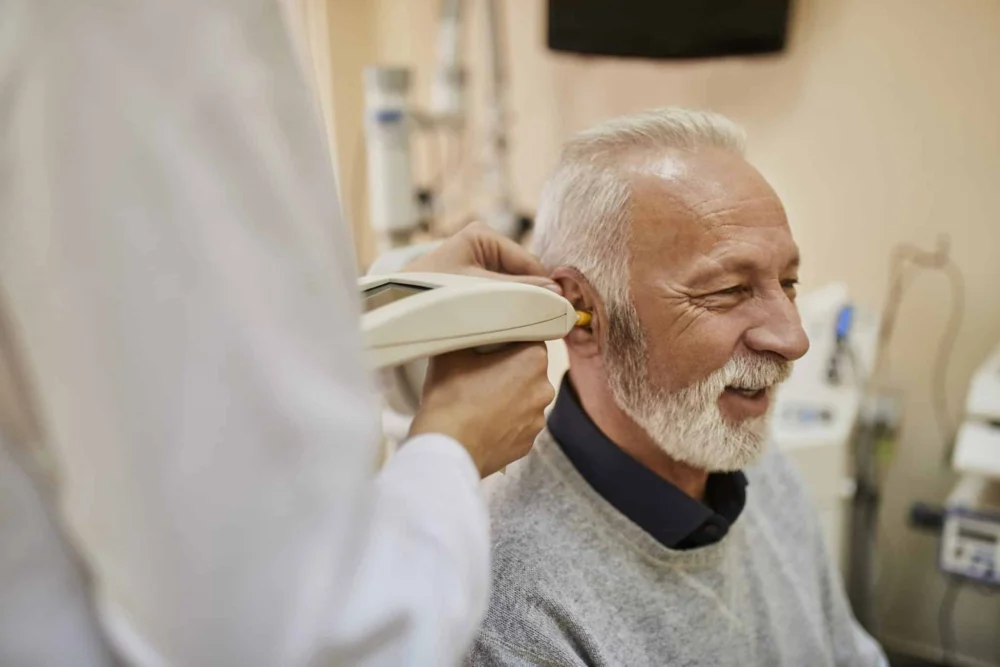
New research underscores the significant role of social connection in maintaining optimal brain health and reducing the risk of dementia. Studies suggest that social isolation could be linked to an increased risk of dementia, with findings indicating that a notable percentage of global dementia cases may be attributable to social disconnection in later life. This evolving understanding emphasizes that fostering robust social networks is not merely a matter of emotional well-being but a crucial, actionable strategy for cognitive longevity.
The scientific community is actively investigating the precise nature of the relationship between social isolation and dementia. While researchers continue to explore whether social isolation acts as a direct causal factor, exacerbating cognitive decline, or if it might serve as an early symptom, signaling underlying neurological changes, the consensus is clear: maintaining social engagement is profoundly beneficial for brain health. Beyond its direct impact on cognitive function, strong social ties are recognized for their broader contributions to overall happiness and general health, reinforcing their value as a cornerstone of a healthy lifestyle.
The Global Impact of Disconnection on Cognitive Health
A compelling recent study brought into sharp focus the scale of this issue, revealing that approximately five in every 100 cases of dementia diagnosed worldwide could be linked to social isolation experienced during an individual’s later years. This statistic, while alarming, also presents a tangible area for intervention. Dementia, a devastating neurological condition, affects millions globally, with projections indicating a substantial rise in prevalence as populations age. The World Health Organization (WHO) estimates that over 55 million people worldwide live with dementia, a number expected to reach 78 million by 2030 and 139 million by 2050. The societal and economic burden of dementia is immense, costing an estimated US$1.3 trillion globally in 2019, a figure projected to rise significantly. Against this backdrop, identifying modifiable risk factors like social isolation offers a ray of hope for prevention strategies.
Social isolation, distinct from loneliness which is the subjective feeling of being alone, refers to the objective lack of social contact. It is a growing public health concern, particularly in industrialized nations where demographic shifts, such as increasing single-person households and aging populations, contribute to its prevalence. Surveys in various countries indicate that a significant portion of older adults report feeling socially isolated or lonely, with figures often ranging from 10% to 40% depending on the definition and population surveyed. For instance, data from the UK’s Campaign to End Loneliness suggests that millions of older people are often or always lonely. The convergence of these two global challenges—rising dementia rates and pervasive social isolation—highlights an urgent need for integrated public health responses.
Unraveling the Mechanisms: How Social Connection Protects the Brain

The mechanism by which social isolation impacts brain health is multifaceted and an active area of research. Scientists propose several pathways through which social engagement might confer protective benefits:
-
Cognitive Stimulation: Social interactions often involve complex cognitive processes such as memory recall, language use, problem-solving, and emotional regulation. Regular engagement in these activities acts as a form of "brain exercise," helping to build cognitive reserve. Cognitive reserve is the brain’s ability to cope with damage or disease by using alternative brain networks or more efficient cognitive strategies. A richer social life provides more opportunities for this continuous mental stimulation, potentially delaying the onset or mitigating the severity of dementia symptoms.
-
Stress Reduction and Emotional Regulation: Chronic stress is a known risk factor for various health issues, including neurological disorders. Social support networks can buffer the effects of stress, providing emotional comfort, practical assistance, and a sense of belonging. Reduced stress levels can translate to lower levels of inflammatory markers and stress hormones like cortisol, which, in excess, can be detrimental to brain cells and contribute to neurodegeneration. Conversely, social isolation often leads to increased stress, anxiety, and depression, all of which are associated with a higher risk of dementia.
-
Promotion of Healthy Lifestyles: Individuals who are socially connected tend to lead healthier lives. They are more likely to engage in physical activity, adhere to medical advice, maintain a balanced diet, and avoid detrimental habits like excessive smoking or alcohol consumption. Social groups can encourage healthy behaviors, provide accountability, and offer opportunities for shared activities like walking groups or healthy meal preparation. These lifestyle factors are independently recognized as crucial for brain health and dementia prevention.
-
Neurobiological Pathways: Emerging research points to specific neurobiological changes. Studies employing brain imaging techniques have observed that socially isolated individuals may exhibit lower brain volume in regions critical for memory and thinking, such as the hippocampus and frontal lobes. The integrity of white matter, which facilitates communication between different brain regions, may also be compromised. Furthermore, social interactions might influence neurotransmitter systems, neuroinflammation, and neurogenesis (the formation of new brain cells), all of which play roles in cognitive function and resilience.
A Chronology of Growing Scientific Evidence
The understanding of social factors in health, and specifically brain health, has evolved significantly over decades. Early epidemiological studies in the mid-20th century began to identify links between social networks and overall mortality. Landmark research, such as the Alameda County Study in California, which commenced in the 1960s, demonstrated that individuals with fewer social ties had higher mortality rates from various causes. While not specifically focused on dementia, these studies laid the groundwork for recognizing the profound impact of social relationships on health outcomes.

In the late 20th and early 21st centuries, as dementia research gained momentum, attention turned to specific risk factors. Longitudinal cohort studies, which follow large groups of people over many years, became instrumental. These include the Chicago Health and Aging Project (CHAP), the Rush Memory and Aging Project, and the UK Biobank, among others. These studies meticulously collect data on social engagement, lifestyle, health conditions, and cognitive function, allowing researchers to track the development of dementia over time and identify correlations.
The specific finding referenced in the original article, linking social isolation to lower brain volume and a 26% increased likelihood of developing dementia, stems from a collaborative research effort involving institutions in the UK and China. This type of research often utilizes advanced neuroimaging techniques, such as MRI, alongside extensive cognitive assessments and detailed social questionnaires, providing a comprehensive view of the brain’s structure and function in relation to an individual’s social environment. Such findings have solidified social isolation as a critical, potentially modifiable, risk factor for cognitive decline, moving it from a general wellness concern to a specific target for dementia prevention strategies.
Implications for Public Health, Policy, and Community Action
The mounting evidence regarding social connection and brain health carries significant implications for public health policies and community-level interventions. Leading organizations like Alzheimer’s Research UK, which champions research into dementia, consistently advocate for a holistic approach to brain health that includes social engagement.
"The evidence is becoming increasingly clear: cultivating and maintaining strong social connections is not just good for our emotional well-being, but it’s a vital component of a resilient brain," stated a spokesperson from Alzheimer’s Research UK. "While more research is always needed to fully understand the intricate mechanisms, the consistent link between social isolation and an elevated risk of dementia underscores the urgency of addressing this societal issue. Our mission is to bring about a world free from the fear, harm and heartbreak of dementia, and encouraging social connection is a powerful tool in that fight."
Public health bodies worldwide are beginning to integrate social connection into broader dementia prevention guidelines. For example, the WHO’s guidelines on risk reduction of cognitive decline and dementia emphasize the importance of social participation.
Policy Recommendations and Community Initiatives:

- Community Hubs and Programs: Investing in community centers, senior centers, and multi-generational programs can provide accessible spaces for social interaction, learning, and shared activities. Examples include intergenerational mentorship programs, community gardens, or shared arts and crafts workshops.
- Technology Integration: For individuals with mobility issues or geographical barriers, technology can bridge gaps. Initiatives to teach older adults how to use video calls, social media, and online interest groups can facilitate virtual connections.
- Healthcare Screening: Integrating screening for loneliness and social isolation into routine healthcare visits can help identify at-risk individuals early. Healthcare providers can then offer referrals to social support services or community programs.
- Urban Planning: Designing age-friendly cities and neighborhoods that promote walkability, public spaces, and accessible transportation can naturally foster more opportunities for social interaction and reduce isolation.
- Volunteer Programs: Encouraging volunteering, both for older adults and for individuals of all ages to support older adults, can create meaningful connections and a sense of purpose.
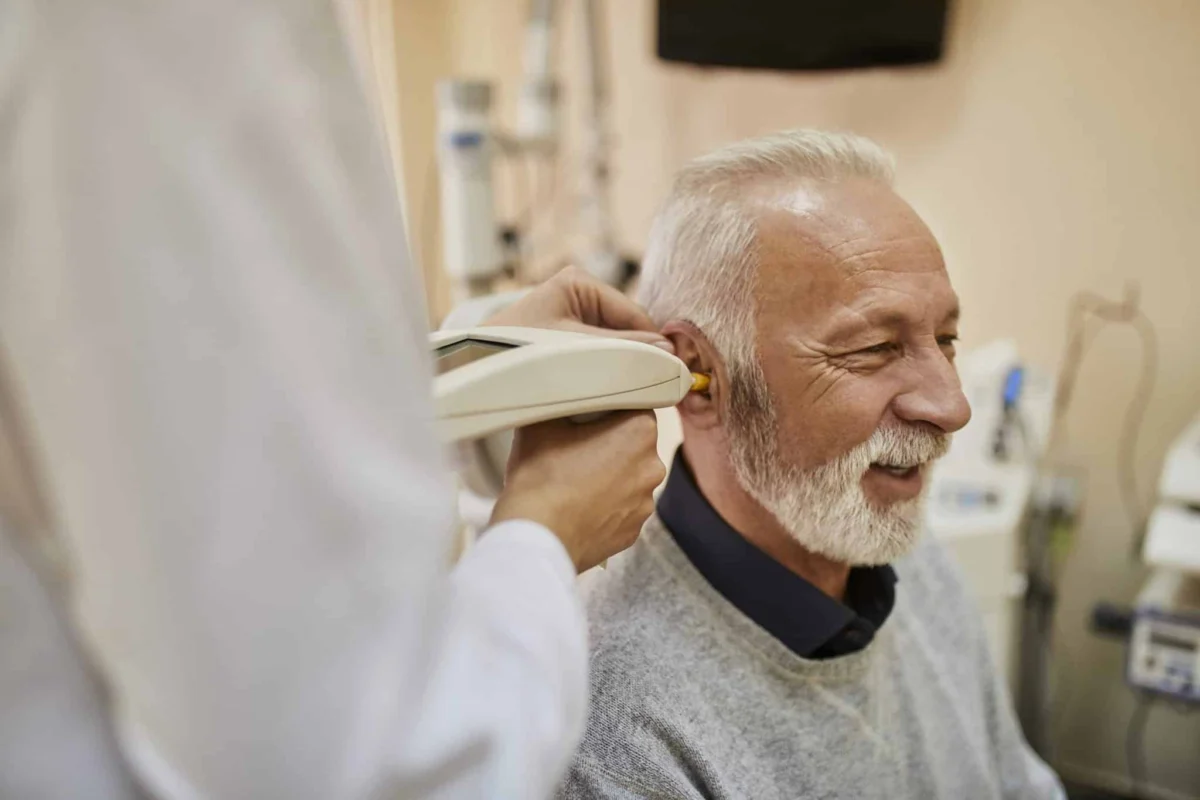
- Addressing Sensory Impairments: It is important to acknowledge that sensory impairments, such as hearing loss (as subtly alluded to by the related image of an ENT physician examining an ear), can significantly contribute to social isolation. Difficulty hearing can make social interactions frustrating and lead individuals to withdraw. Therefore, promoting regular hearing checks and providing access to hearing aids or other assistive technologies is another critical, often overlooked, aspect of fostering social engagement and brain health. Addressing these practical barriers can unlock opportunities for continued social participation.
Individual and Family Strategies for Fostering Connection:
While systemic changes are crucial, individuals and their families also have a significant role to play. Simple yet powerful actions can make a substantial difference:
- Prioritize Family Time: Regularly schedule visits, phone calls, or video chats with loved ones. Consistency is key.
- Join Clubs and Groups: Pursue hobbies or interests by joining local clubs, book groups, walking groups, or exercise classes. This provides a structured environment for meeting new people.
- Volunteer: Contributing to a cause provides purpose and connects individuals with like-minded people.
- Learn New Skills: Enroll in adult education classes or workshops. Learning in a group setting combines cognitive stimulation with social interaction.
- Engage in Community Events: Attend local festivals, markets, or public lectures. These events offer casual opportunities for connection.
- Pet Ownership: For those able, owning a pet can provide companionship and opportunities for social interaction through walks or pet-related activities.
- Maintain Old Friendships and Build New Ones: Make an effort to reconnect with old friends and be open to forming new relationships.
These actions not only contribute to cognitive health but also enhance overall quality of life, fostering a sense of belonging, purpose, and happiness.
The Future of Research: Towards Targeted Interventions
The ongoing research into the social determinants of brain health continues to deepen our understanding. Future studies will likely focus on several key areas:
- Intervention Trials: Designing and testing specific social interventions to see if they can effectively reduce dementia risk or slow cognitive decline. This could involve randomized controlled trials of social prescribing programs or community-based initiatives.
- Biomarker Discovery: Identifying biological markers that reflect the impact of social isolation on the brain, which could help in early detection and personalized interventions.
- Genetic and Environmental Interactions: Exploring how genetic predispositions interact with social environmental factors to influence dementia risk.
- Differentiating Loneliness and Isolation: Further research to understand the distinct impacts of objective social isolation versus subjective feelings of loneliness on brain health.
Ultimately, the goal is to translate these findings into effective, evidence-based prevention strategies that can be implemented on a broad scale, reducing the global burden of dementia.
In conclusion, the scientific evidence strongly supports the notion that maintaining active social connections is an essential element of brain health and a proactive measure against dementia. While the exact interplay between social isolation and neurodegenerative processes is still being elucidated, the message is clear: fostering a rich and engaged social life is a powerful, fulfilling, and increasingly recognized way to protect our cognitive future. As organizations like Alzheimer’s Research UK continue to champion research and awareness, individuals, communities, and policymakers are encouraged to prioritize initiatives that promote social connection as a cornerstone of public health.