admin
admin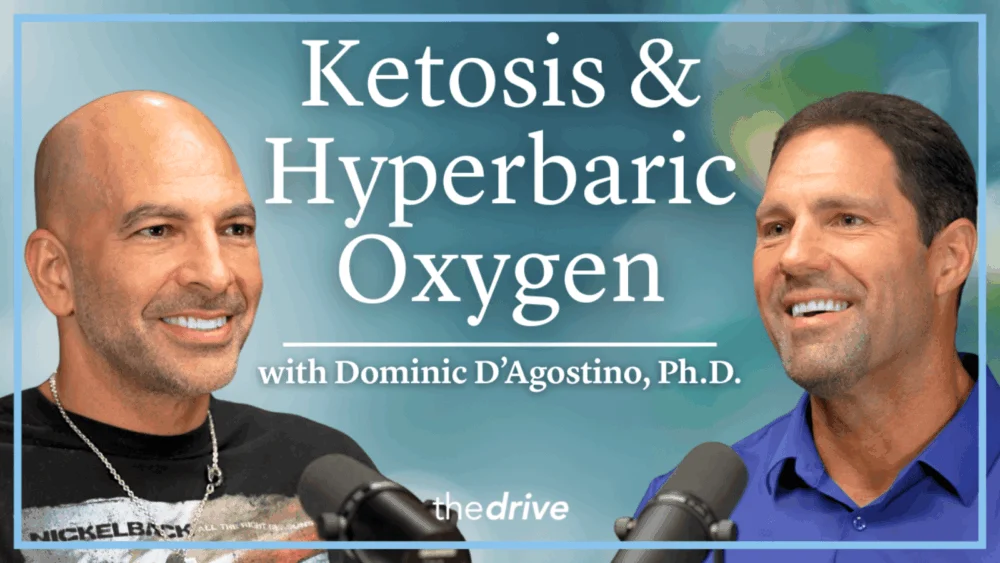
The intersection of metabolic health, nutritional biochemistry, and longevity science has seen a surge in public and clinical interest over the last decade, driven largely by the work of researchers who bridge the gap between bench science and practical application. In a recent detailed technical exchange on The Peter Attia Drive, Dominic D’Agostino, Ph.D., a tenured associate professor at the University of South Florida (USF) and a senior research scientist at the Institute for Human and Machine Cognition (IHMC), provided an exhaustive breakdown of the current state of metabolic therapies. The discussion focused on the physiological nuances of ketosis, the tactical use of exogenous ketones, and the application of hyperbaric oxygen therapy (HBOT) for neurological resilience. This dialogue serves as a benchmark for understanding how metabolic interventions, once reserved for intractable epilepsy, are being repurposed to address modern chronic diseases, including cancer and neurodegeneration.
The Scientific Evolution of Dominic D’Agostino
Dr. Dominic D’Agostino’s trajectory into metabolic science was not linear. Originally trained in biological sciences and nutrition at Rutgers University before earning his Ph.D. in neuroscience at the University of Medicine and Dentistry of New Jersey, D’Agostino’s early career was heavily invested in traditional pharmacology. His initial research sought to identify pharmaceutical agents that could mitigate the risks of central nervous system (CNS) oxygen toxicity—a primary concern for the U.S. Navy’s elite diving units.
However, a pivotal shift occurred when D’Agostino observed the limitations of drug-based interventions for seizure disorders. While pharmacological agents often failed or carried debilitating side effects, the ketogenic diet—a high-fat, low-carbohydrate protocol developed in the 1920s—remained the gold standard for treating drug-resistant epilepsy. This realization led D’Agostino to pivot his focus toward redox mechanisms and the study of superoxide production. By examining how different metabolites affect cellular health under varying levels of oxygen stress, he began to uncover the profound neuroprotective qualities of ketone bodies, specifically beta-hydroxybutyrate (BHB) and acetoacetate.
Addressing Oxygen Toxicity and the Navy’s Stealth Operations
A significant portion of D’Agostino’s research is funded by the Office of Naval Research (ONR), focusing on the hazards faced by Navy SEALs and divers using closed-circuit rebreathers. Unlike traditional open-circuit SCUBA gear, which releases bubbles and can reveal a diver’s position, rebreathers recycle exhaled breath and scrub carbon dioxide, allowing for stealthy, long-duration missions. However, these systems often require divers to breathe 100% oxygen.
Under high-pressure underwater environments, breathing pure oxygen leads to a condition known as CNS oxygen toxicity. When the partial pressure of oxygen (PO2) exceeds a certain threshold, it triggers a massive surge in reactive oxygen species (ROS) and superoxide production in the brain, leading to grand mal seizures. These seizures are catastrophic in an underwater environment. D’Agostino’s work revealed that being in a state of ketosis raises the "seizure threshold." By shifting the brain’s primary fuel source from glucose to ketones, the production of mitochondrial ROS is reduced, and the brain becomes more resilient to the oxidative stress induced by high-pressure oxygen. This discovery has profound implications not just for military divers, but for any medical application involving hyperbaric oxygen therapy.
Defining the Thresholds of Ketosis: Nutritional vs. Supplemental
One of the primary points of confusion in the wellness industry is the distinction between nutritional ketosis and supplemental (or exogenous) ketosis. D’Agostino clarifies that nutritional ketosis is achieved through the restriction of carbohydrates (typically below 50 grams per day) and the moderate intake of protein, forcing the liver to produce ketones from stored or dietary fats. Meaningful nutritional ketosis is generally defined as blood BHB levels between 0.5 mmol/L and 3.0 mmol/L.
In contrast, supplemental ketosis involves the ingestion of exogenous ketone bodies—salts, esters, or precursors like 1,3-butanediol—to elevate blood ketone levels regardless of dietary carbohydrate intake. D’Agostino notes that while exogenous ketones can provide an immediate energy substrate for the brain and heart, they do not necessarily confer the same metabolic "signaling" benefits as a sustained ketogenic diet, which involves a comprehensive shift in insulin and glucagon levels. However, for those seeking acute cognitive enhancement or anti-inflammatory effects, supplemental ketones offer a practical tool.
The Landscape of Exogenous Ketones and Effective Pairings
The market for exogenous ketones has expanded from niche laboratory chemicals to mainstream supplements. D’Agostino surveys three primary forms:
- Ketone Salts: BHB bound to minerals like sodium, potassium, or magnesium. These are palatable and effective for modest elevations in BHB but carry a high mineral load if taken in large doses.
- Ketone Esters: Highly potent compounds that can spike BHB levels to 5.0 mmol/L or higher within minutes. While effective, they are often expensive and have a notoriously pungent taste.
- 1,3-Butanediol: A dialcohol that is metabolized in the liver into BHB. It is frequently used in newer formulations to provide a sustained release of ketones.
D’Agostino highlights that the efficacy of these supplements can be enhanced when paired with other compounds. For example, Medium Chain Triglyceride (MCT) oil—specifically the C8 variant (caprylic acid)—acts as a ketogenic precursor that the liver easily converts into ketones. Furthermore, pairing ketones with caffeine or alpha-GPC (a choline source) may synergistically improve cognitive focus and neuromuscular performance.
Metabolic Therapy in Oncology: The Case of Glioblastoma
Perhaps the most provocative application of D’Agostino’s work is in the field of metabolic oncology. The "Warburg Effect" describes the phenomenon where cancer cells rely heavily on glucose fermentation for energy, even in the presence of oxygen. Because many aggressive cancers, such as glioblastoma multiforme (an incurable brain cancer), have damaged mitochondria, they are less capable of utilizing ketone bodies for fuel.
D’Agostino discusses how a ketogenic diet can serve as a "press" on the cancer’s metabolic infrastructure, lowering blood glucose and insulin while providing healthy brain cells with an alternative fuel (ketones). When combined with "pulse" therapies—such as hyperbaric oxygen, which increases oxidative stress within the glucose-deprived tumor—this metabolic approach may enhance the efficacy of standard-of-care treatments like radiation and chemotherapy. While not a standalone cure, the integration of ketogenic therapy offers a promising adjuvant strategy to slow tumor progression and improve the quality of life for patients with high-grade gliomas.
Hyperbaric Oxygen Therapy and Brain Health
The discussion also delved into the clinical protocols for hyperbaric oxygen therapy (HBOT). While the Navy uses high-pressure oxygen out of necessity, medical HBOT involves breathing 100% oxygen in a pressurized chamber to treat conditions ranging from carbon monoxide poisoning to non-healing wounds.
D’Agostino and Attia explored the use of HBOT for traumatic brain injury (TBI) and cognitive decline. D’Agostino suggests that the anti-inflammatory effects of HBOT are most pronounced when administered in a "pulsed" fashion, allowing the body to adapt to the oxygen stimulus without inducing toxicity. He emphasizes that for brain injuries, the protocol must be carefully calibrated—too little pressure may be ineffective, while too much may increase oxidative damage. The goal is to stimulate angiogenesis (the growth of new blood vessels) and mitochondrial biogenesis in damaged neural tissue.

The Carnivore Diet and Autoimmune Resilience
As a variant of the ketogenic diet, the carnivore diet (consuming only animal products) has gained traction for its potential to remit autoimmune and severe metabolic conditions. D’Agostino views the carnivore diet primarily as a "super-elimination diet." By removing plant-based lectins, oxalates, and fermentable fibers, many individuals with Crohn’s disease, rheumatoid arthritis, or psoriasis experience a significant reduction in systemic inflammation.
From a ketogenic perspective, a carnivore diet is often high in protein, which can sometimes kick an individual out of deep ketosis through gluconeogenesis (the conversion of amino acids to glucose). However, D’Agostino notes that many on the carnivore diet remain in a state of "metabolic flexibility," where their bodies efficiently switch between fuel sources, maintaining low insulin levels and high satiety.
Implications for Future Research and Public Health
The dialogue between D’Agostino and Attia underscores a fundamental shift in how the scientific community views human metabolism. No longer seen merely as a way to manage weight, metabolic states like ketosis are being recognized as powerful signaling mechanisms that can alter gene expression, reduce chronic inflammation, and protect the brain from injury.
The broader implications of this research suggest that metabolic health is a cornerstone of longevity. As neurodegenerative diseases like Alzheimer’s—often referred to as "Type 3 Diabetes" due to its association with brain insulin resistance—continue to rise, the ability to bypass glucose metabolism via ketones may become a standard preventative measure.
The work of Dr. Dominic D’Agostino continues to provide the evidence-informed insights necessary to move these therapies from experimental military and clinical settings into the mainstream. As the landscape of exogenous ketones and metabolic monitoring (via continuous glucose monitors and breath ketone meters) evolves, the public is increasingly equipped with the tools to take a proactive, metabolic approach to their long-term health. The consensus remains that while there is no "one-size-fits-all" diet, the ability to maintain metabolic flexibility—the capacity to burn both glucose and fat/ketones efficiently—is a hallmark of physiological resilience.