admin
admin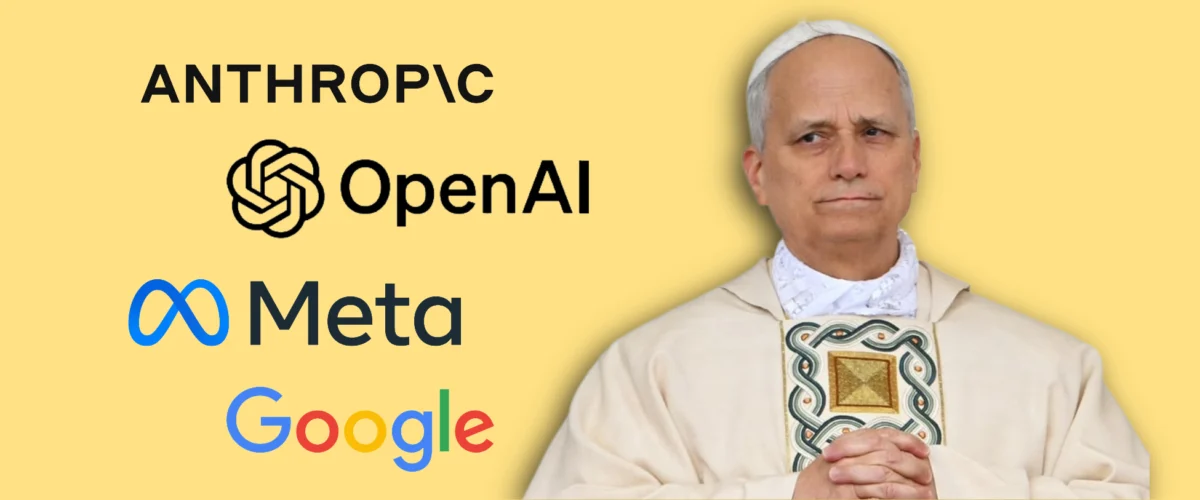
In a landmark development for the global discourse on emerging technologies, the release of the 42,000-word papal encyclical "Magnifica Humanitas" has ignited a profound re-evaluation of the ethical and spiritual trajectory of artificial intelligence. Issued by Pope Leo XIV, the document arrives at a critical juncture when the tech industry is grappling with internal dissent and a public narrative shift regarding the inevitability of AI-driven societal upheaval. The encyclical, which characterizes the current pursuit of "artificial general intelligence" as a modern-day Tower of Babel, calls for a return to "tool-centric" innovation that prioritizes the common good over the prophetic ambitions of Silicon Valley executives. This religious intervention coincides with a notable pivot from industry titans like Sam Altman and Jensen Huang, who have begun to walk back previous dire warnings about job automation and existential risk.
The Vatican Summit and the Intersection of Faith and Technology
The origins of this current ethical reckoning can be traced back to a series of closed-door meetings held at the Vatican over the past year. These summits brought together an eclectic mix of religious thinkers, academic philosophers, and high-ranking members of the technology sector. Among the participants was Notre Dame philosopher Meghan Sullivan, who observed a peculiar phenomenon: the adoption of religious affectations by tech leaders who do not traditionally identify as people of faith.
Sullivan’s observations, shared in recent theological and technological forums, highlight a tech executive attending Catholic Mass not out of religious conviction, but out of a desire to "keep in touch with what humans have always cared about." This interaction underscores a growing trend within the AI industry where developers view themselves as stewards of a technology that will "change life as we know it." Critics argue that this mindset has transitioned from a focus on engineering useful products to a form of "secular prophecy," where companies act as both the creators of a digital deity and the harbingers of its potential "holy wrath."
Analyzing "Magnifica Humanitas": A Mandate for Human-Centric Innovation
Pope Leo XIV’s encyclical, "Magnifica Humanitas," represents the most comprehensive theological response to artificial intelligence to date. The document eschews the passive acceptance of a post-labor future, instead urging a proactive reclamation of human agency. A central exhortation of the text asks the global community to "abandon the construction of yet another Tower of Babel" and instead focus on building technology that serves the "common good."
The Vatican’s stance is rooted in the "Rome Call for AI Ethics," a movement that began in early 2020 and gained momentum as companies like Microsoft and IBM signed on to principles of transparency, inclusion, and accountability. However, "Magnifica Humanitas" goes further by challenging the very vocabulary used by Silicon Valley. It rejects the "inevitability" of AI disruption, arguing that the "human heart" must remain the primary site of value creation and moral decision-making. The encyclical suggests that when technology is framed as an unstoppable force of nature rather than a human-made tool, it ceases to be a benefit and becomes a source of alienation.
The Economic Narrative Shift: From Automation to Augmentation
Parallel to the Vatican’s moral critique, a significant shift is occurring in the corporate communications of leading AI firms. For the past two years, the prevailing narrative suggested that AI would rapidly automate vast swaths of the global workforce, necessitating radical social experiments such as Universal Basic Income (UBI). However, recent data and executive statements suggest a retreat from these predictions.
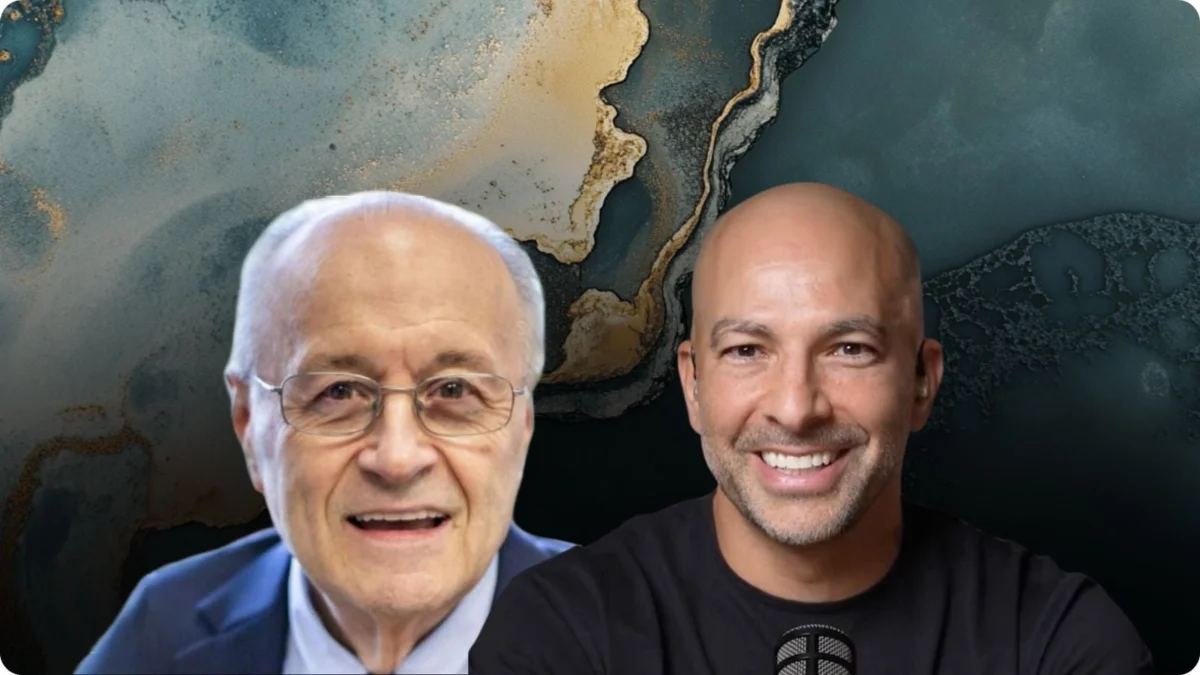
Sam Altman, CEO of OpenAI, recently admitted to being "pretty wrong" regarding his earlier forecasts of mass job automation. This admission marks a departure from his previous stance, which often emphasized the "god-like" power of future AI models to replace human labor. Similarly, Nvidia CEO Jensen Huang has publicly criticized fellow executives who cite AI as a justification for corporate layoffs. Huang labeled such excuses as "lazy" and a "way for them to sound smart," asserting that AI should be viewed as a tool for increasing productivity rather than a mandate for reducing headcount.
Market analysts suggest this shift in tone may be a response to several factors:
- Productivity Realities: While generative AI has shown promise in niche tasks, the broad-based productivity gains required to justify mass layoffs have yet to materialize in official labor statistics.
- Regulatory Pressure: Governments in the European Union and the United States have increased scrutiny on AI’s impact on labor, leading companies to downplay the disruptive potential of their products to avoid punitive legislation.
- Investor Sentiment: There is a growing demand for "useful" AI tools that generate immediate ROI, rather than long-term "existential" projects that burn through billions in capital without clear utility.
A Chronology of the AI Ethics Movement
To understand the current tension between the Vatican and Silicon Valley, a timeline of key events provides essential context:
- February 2020: The Vatican’s Pontifical Academy for Life releases the "Rome Call for AI Ethics," establishing the concept of "algorethics."
- November 2022: The public release of ChatGPT triggers a global "AI arms race," characterized by high-stakes predictions of existential risk (x-risk).
- May 2023: Leading AI researchers sign a one-sentence statement warning that "mitigating the risk of extinction from AI should be a global priority."
- Late 2025: A series of private meetings at the Vatican, including philosopher Meghan Sullivan and various tech CEOs, attempts to bridge the gap between engineering and ethics.
- May 2026: Pope Leo XIV releases "Magnifica Humanitas," a 42,000-word encyclical formally challenging the "religious fervor" of the AI industry.
- June 2026: Major AI CEOs begin publicly walking back claims of imminent labor displacement, signaling a return to a "tool-based" marketing strategy.
Supporting Data: Labor Markets and AI Adoption
Despite the "prophetic" warnings of 2023 and 2024, empirical data from the International Monetary Fund (IMF) and the World Economic Forum (WEF) indicates a more nuanced reality. While the IMF initially estimated that 40% of global jobs were "exposed" to AI, subsequent follow-up studies in 2025 revealed that "exposure" does not equate to "replacement." In many sectors, AI has functioned as a "co-pilot," increasing the output of existing workers rather than eliminating their roles.
Furthermore, a 2026 survey of Fortune 500 CEOs found that while 85% had integrated some form of generative AI into their workflows, only 4% attributed staff reductions directly to the technology. This supports Jensen Huang’s assertion that "AI layoffs" are often a rhetorical shield for traditional cost-cutting measures or shifts in business strategy.
Official Responses and Global Implications
The reaction to "Magnifica Humanitas" has been polarized. Ethical advocacy groups have praised the Pope’s document as a necessary "reality check" against the hubris of the tech sector. "The Pope is reminding us that technology is a choice, not a destiny," said Dr. Aris Persidis, an ethics consultant for the UN’s AI advisory body. "By framing AI as a tool for the common good, the Vatican is providing a framework for policy-makers to demand more from these companies than just ‘innovation’—they are demanding utility and humanity."
Conversely, some industry insiders view the encyclical as an overreach into secular technological development. However, the recent statements from Altman and Huang suggest that the industry is already moving toward a more grounded, less "prophetic" stance. The era of "cosplaying as solemn x-risk sages," as some critics describe it, appears to be yielding to a more pragmatic focus on building products that consumers and businesses actually want to use.
The Legacy of "p(doom)" and the Path Forward
The "p(doom)" narrative—the mathematical probability that AI will cause a global catastrophe—has left a lasting impact on public psychology. Tech leaders spent years cultivating an image of themselves as the only individuals capable of restraining the "digital deity" they were building. This created a climate of anxiety and fear that "Magnifica Humanitas" explicitly seeks to dispel.
As the industry moves forward, the challenge will be to reintegrate technology into the fabric of daily life without the baggage of religious metaphors or existential dread. The Vatican’s call for a "common good" approach suggests that the success of AI should be measured not by its proximity to human intelligence, but by its ability to solve tangible problems—such as climate change, disease, and resource distribution—without eroding the dignity of human labor.
In conclusion, the intersection of Pope Leo XIV’s theological critique and the strategic shifts of Silicon Valley’s elite suggests a cooling of the "religious" fever that has characterized the AI boom. By moving away from the "Tower of Babel" model of development, the industry may finally focus on the "useful tools" that were originally promised. The coming years will determine whether this shift is a permanent change in philosophy or merely a temporary tactical retreat in the face of growing public and moral pressure.